The Evolution of the Protein Cookie: A New Standard for Flavor and Nutrition
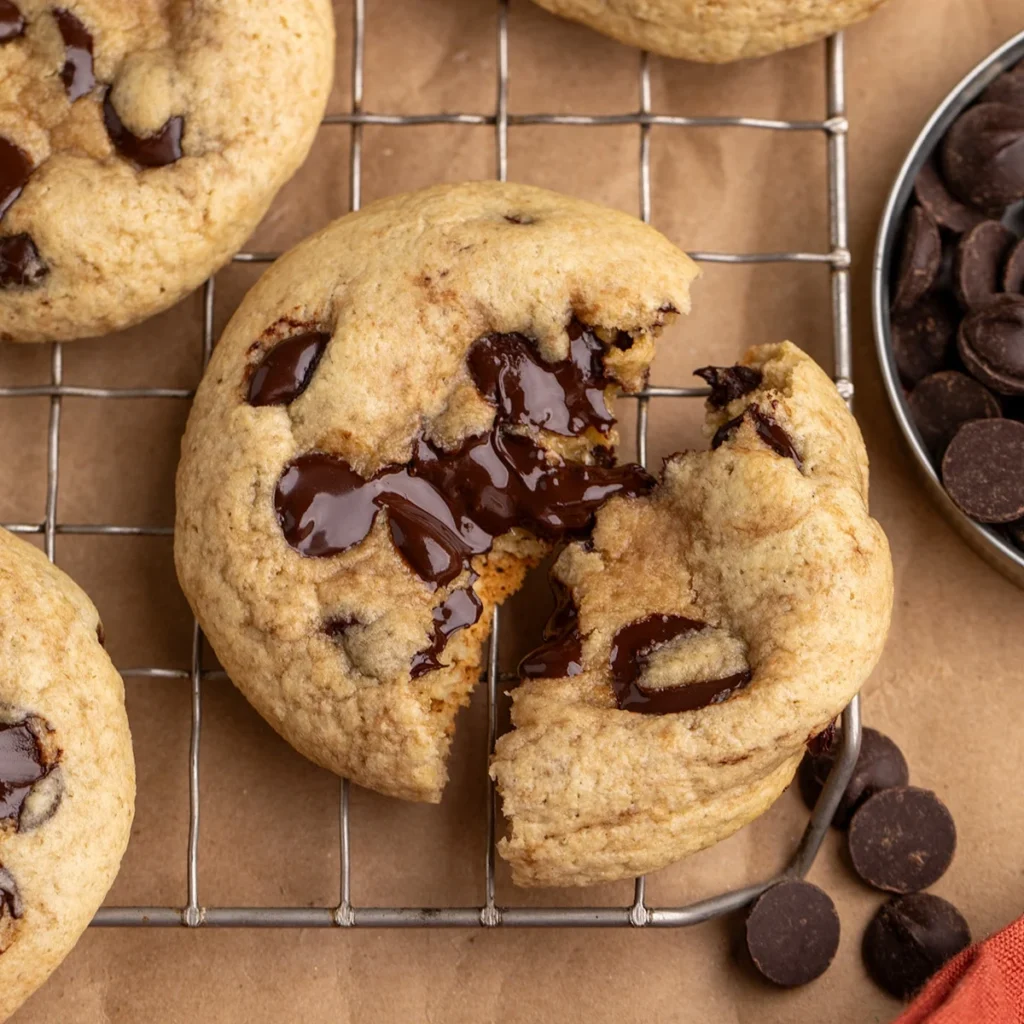
In the landscape of modern health-conscious baking, the quest for a cookie that balances macronutrient density with genuine culinary satisfaction has long been considered a "holy grail." For years, consumers have been forced to choose between chalky, dense bars that taste of sawdust or indulgent treats that provide little more than a sugar rush. However, a new approach to high-protein baking is bridging this divide, proving that a cookie can be both a muscle-supporting snack and a buttery, melt-in-your-mouth delight.
The latest recipe for chocolate chip protein cookies—developed by the gluten-free culinary experts at Gluten Free on a Shoestring—is setting a new industry benchmark. By prioritizing texture and flavor integrity, these cookies offer 10 grams of protein per serving without relying on the typical nut-butter foundations that often overpower traditional cookie flavor profiles.
Main Facts: The Science Behind the Protein Cookie
The primary challenge in creating a high-protein cookie is the physical nature of protein powder. When added to baked goods, concentrated protein can absorb excess moisture, leading to a grainy, dry, or "chalky" texture that turns off even the most dedicated health enthusiast.

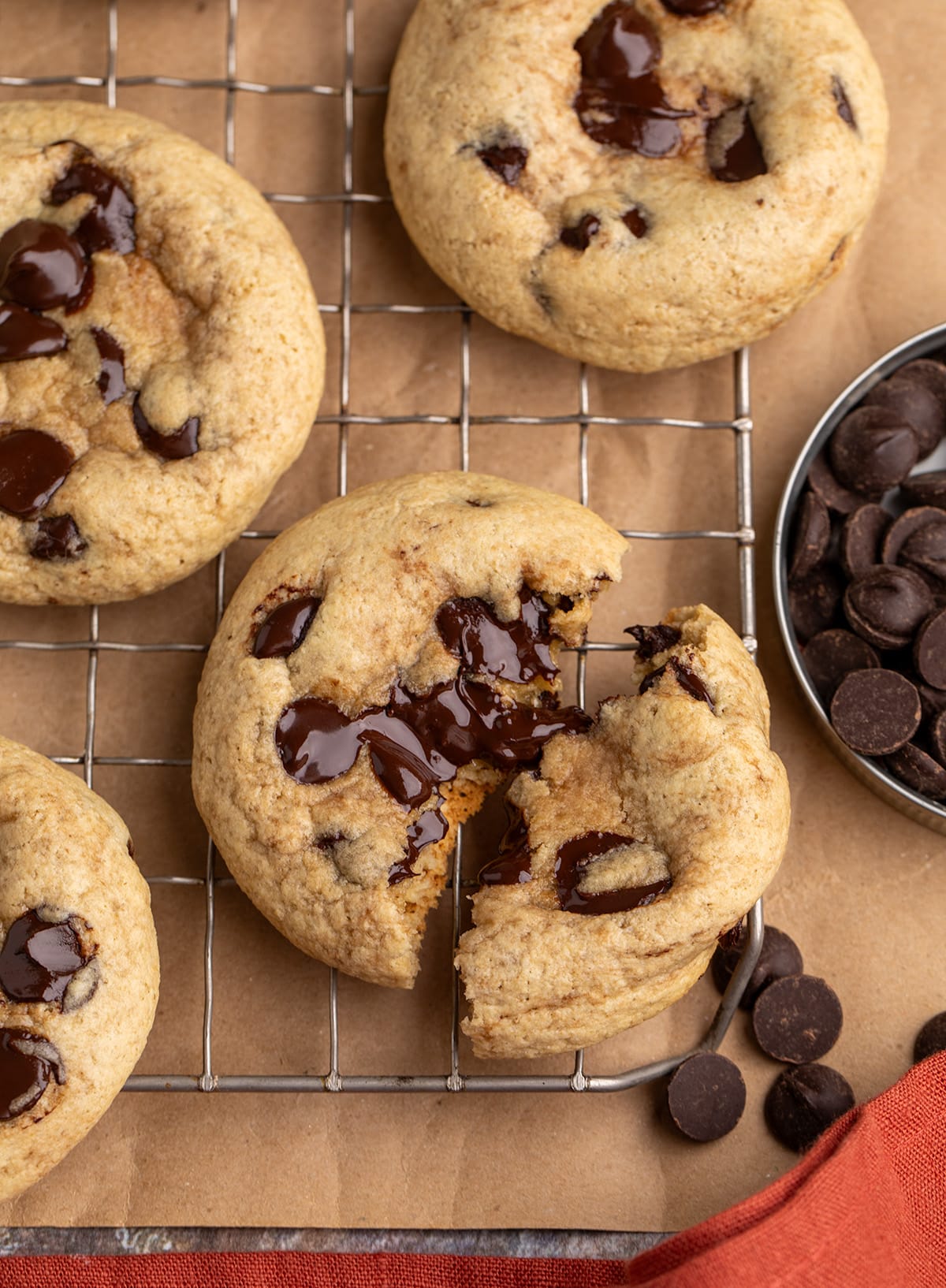
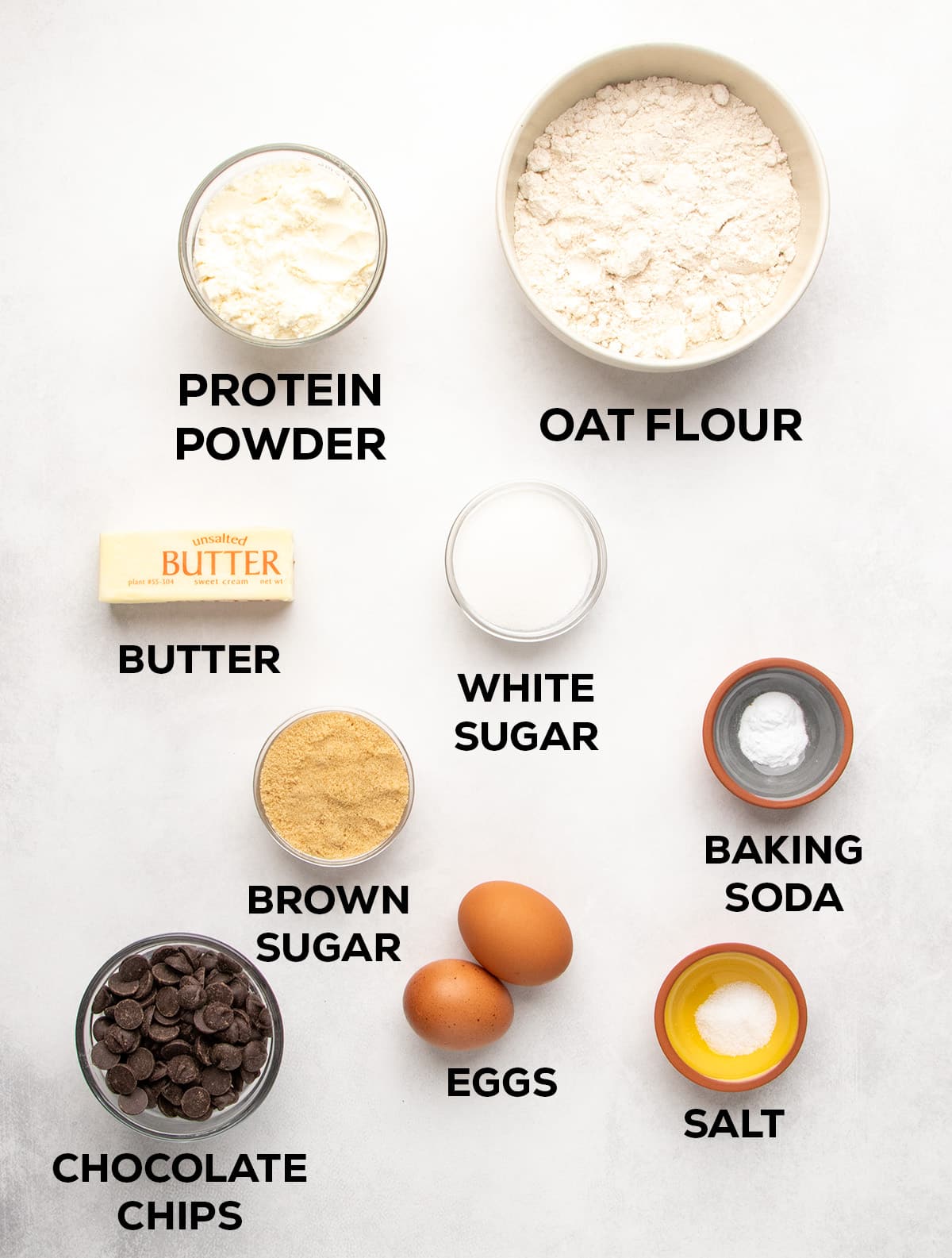
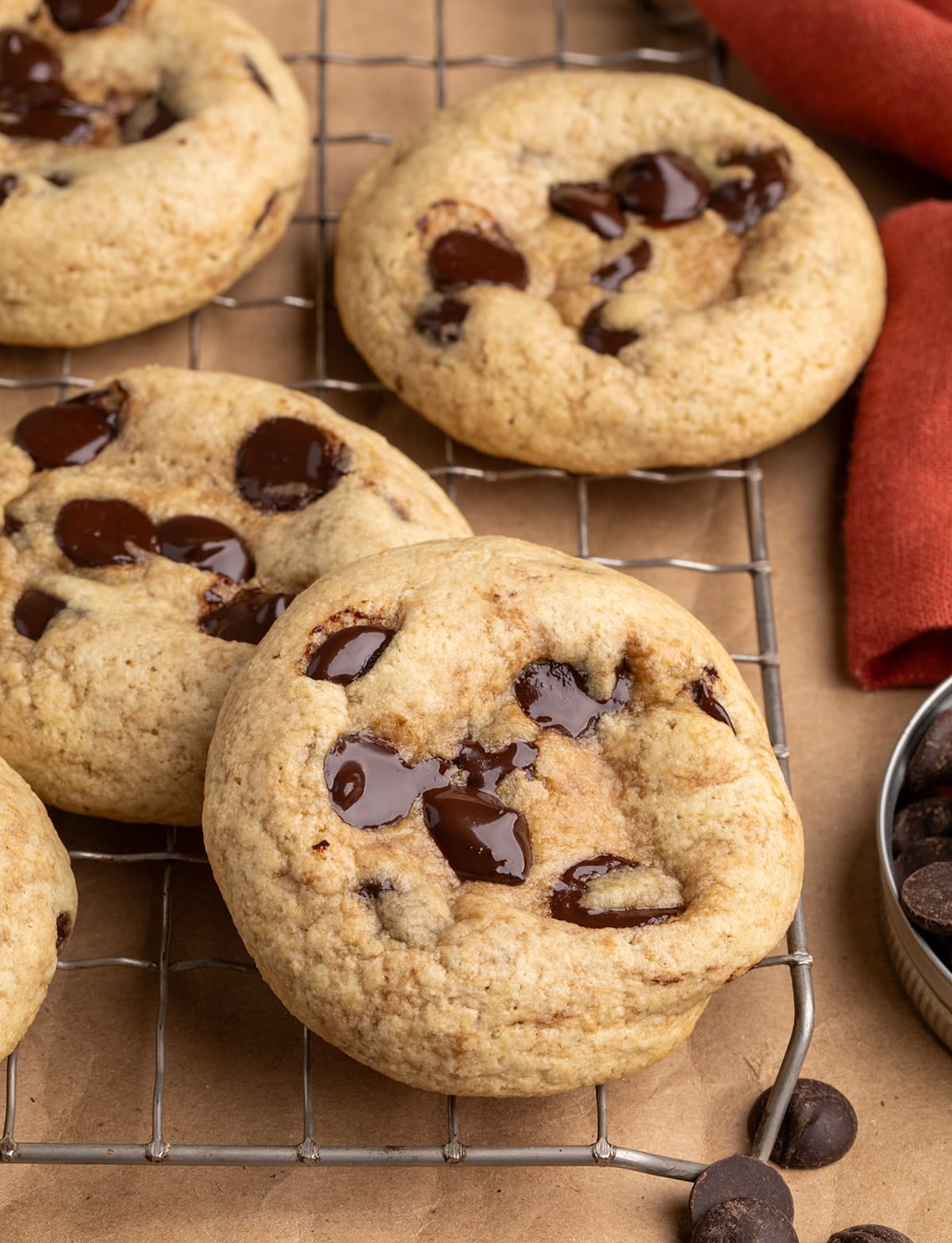
This recipe bypasses the reliance on heavy nut butters, which are often used in keto or fitness-focused recipes to provide structure and fat. Instead, it utilizes a sophisticated blend of finely ground oat flour, melted butter, and precise sugar ratios. The result is a profile that mimics a classic bakery-style chocolate chip cookie. Each cookie is engineered to be soft and chewy, with the protein integration remaining subtle enough that the primary experience remains that of a decadent dessert.
Key Nutritional Metrics
- Protein Content: 10 grams per cookie.
- Caloric Density: Approximately 284 kcal per serving.
- Structural Integrity: Maintained through a combination of oat flour and precise egg-to-fat ratios.
- Texture Profile: Soft-baked, characterized by browned edges and a moist center.
Chronology: The Journey from Concept to Kitchen
The development of this recipe follows a systematic culinary evolution, moving away from "functional food" stereotypes toward a more holistic culinary experience.
- The Formulation Phase: The initial challenge was balancing the drying properties of whey protein isolate. Early iterations of protein-based baking often failed because they treated protein powder as a simple flour substitute. The developers discovered that by pairing the powder with finely ground oat flour—which offers a neutral flavor—they could maintain a light, airy structure.
- The Mixing Technique: A critical finding in the development was the importance of the mixing sequence. By creating a "well" in the center of the dry ingredients and incorporating the melted butter and eggs only until combined, the recipe prevents the over-development of proteins, which is the primary cause of tough, rubbery cookies.
- The Precision Bake: Perhaps the most vital step discovered during testing was the "partial-bake" window. Pulling the cookies from the oven when they are still pale on top but slightly browned at the edges allows for carry-over cooking. This prevents the moisture loss that typically renders protein cookies inedible after cooling.
Supporting Data: Why This Method Succeeds
Data analysis of the ingredients reveals why this specific combination of components works where others have failed.
The Role of Oat Flour
Oat flour provides a high-fiber, gluten-free base that acts as a stabilizer. Unlike coconut flour, which is notoriously thirsty, or almond flour, which can become greasy, oat flour absorbs the moisture from the eggs and butter at a consistent rate, creating a uniform dough that holds its shape during the bake.
The Sugar-Moisture Correlation
While some fitness trends push for sugar-free alternatives, this recipe advocates for traditional sugar. From a chemical perspective, sugar is hygroscopic—it attracts and holds onto water. By using a controlled amount of sugar, the baker ensures that the cookies remain chewy for days. The author notes that substituting artificial sweeteners often leads to a significant increase in dryness, as these alternatives lack the water-retention properties of sucrose.
The "Protein-First" vs. "Cookie-First" Philosophy
The central thesis of this recipe is that it is a "cookie first, protein second." By maintaining a 10-gram protein count, the cookie qualifies as a genuine post-workout or mid-day snack, but by not overloading the batter with excessive powders, it retains the sensory profile—the buttery, sugary scent and the snap of chocolate—that consumers expect from a high-quality baked good.
Official Responses and Culinary Expert Insight
Nicole Hunn, the founder of Gluten Free on a Shoestring, emphasizes that the goal of this recipe was to eliminate the "good, for gluten-free" stigma. In her professional analysis, the industry has suffered for too long from mediocre recipes that demand compromise.
"At Gluten Free on a Shoestring, we believe that ‘good, for gluten-free’ just isn’t good enough," says Hunn. "These cookies were developed to satisfy the craving for a real treat. If you’re going to spend the calories, it should be an experience, not just a way to hit your macros."
Hunn also notes that the versatility of the recipe is key to its success. By providing clear pathways for dairy-free or egg-free modifications, the recipe acknowledges the diverse dietary needs of the modern consumer. Whether using vegan butter alternatives or chia-based egg replacements, the structural foundation of the oat flour and protein powder remains robust enough to adapt.
Implications: The Future of Functional Baking
The success of these chocolate chip protein cookies has significant implications for the home-baking market. As more individuals look to incorporate protein into their diets without resorting to expensive, highly processed, and often flavorless protein bars, there is a growing demand for "baking-at-home" solutions that offer high nutritional returns.
Accessibility and Cost-Efficiency
The shift toward using accessible pantry staples like oat flour, rather than expensive niche flours or complicated sugar alcohols, democratizes the ability to bake functional foods. This approach empowers the home cook to control the quality of ingredients, ensuring that they are not consuming the preservatives or artificial stabilizers often found in mass-produced protein snacks.
Sustainability and Storage
The practical implications of this recipe extend to convenience. With a shelf life of five days at room temperature and three months in the freezer, these cookies are designed for the modern, fast-paced lifestyle. The recommendation to briefly defrost frozen cookies before eating highlights a focus on the user experience, ensuring that the texture remains as close to fresh-baked as possible, even after weeks in storage.

The "New Normal" in Healthy Snacking
We are currently witnessing a transition where the distinction between "junk food" and "health food" is blurring. Recipes like this one suggest that the future of nutrition isn’t necessarily found in restrictive dieting, but in the intelligent modification of classic comfort foods. By optimizing the protein content of a staple like a chocolate chip cookie, bakers are providing a way for individuals to enjoy the psychological benefits of a treat while still meeting their physiological requirements for muscle repair and sustained energy.
In conclusion, this recipe serves as a blueprint for future culinary innovation. It proves that with a solid understanding of food chemistry—specifically regarding hydration, fat distribution, and baking times—one can create a snack that refuses to compromise on flavor, proving that the best protein cookie is the one that you actually want to eat.