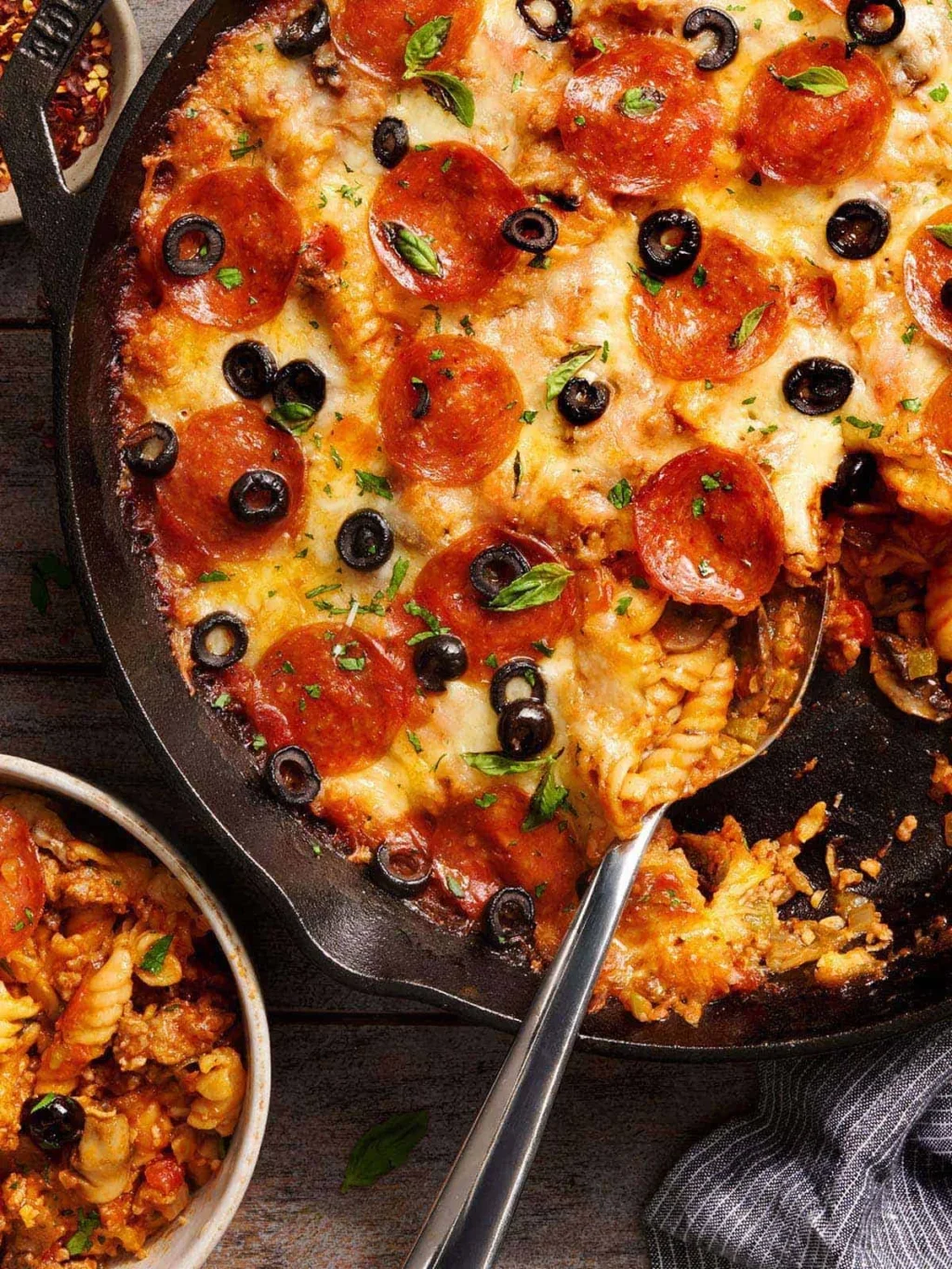
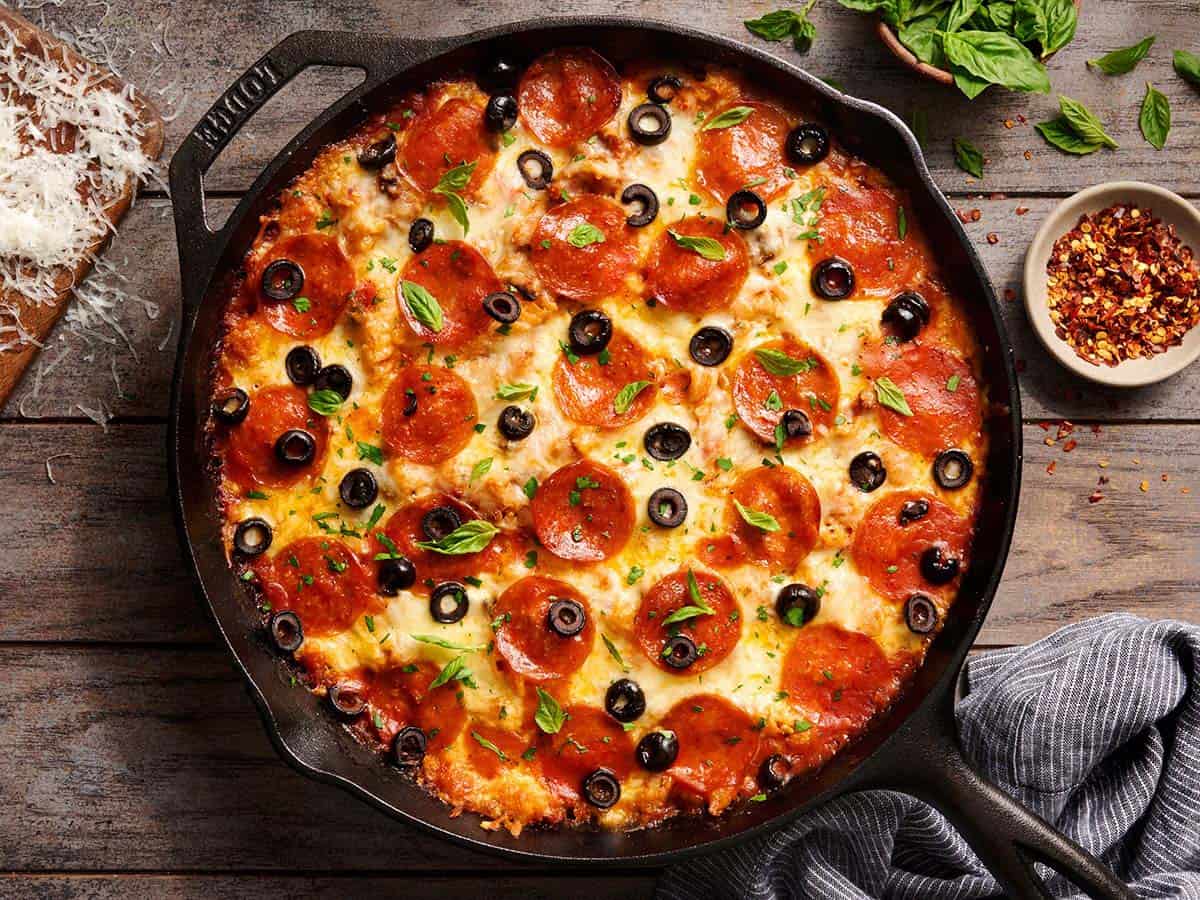
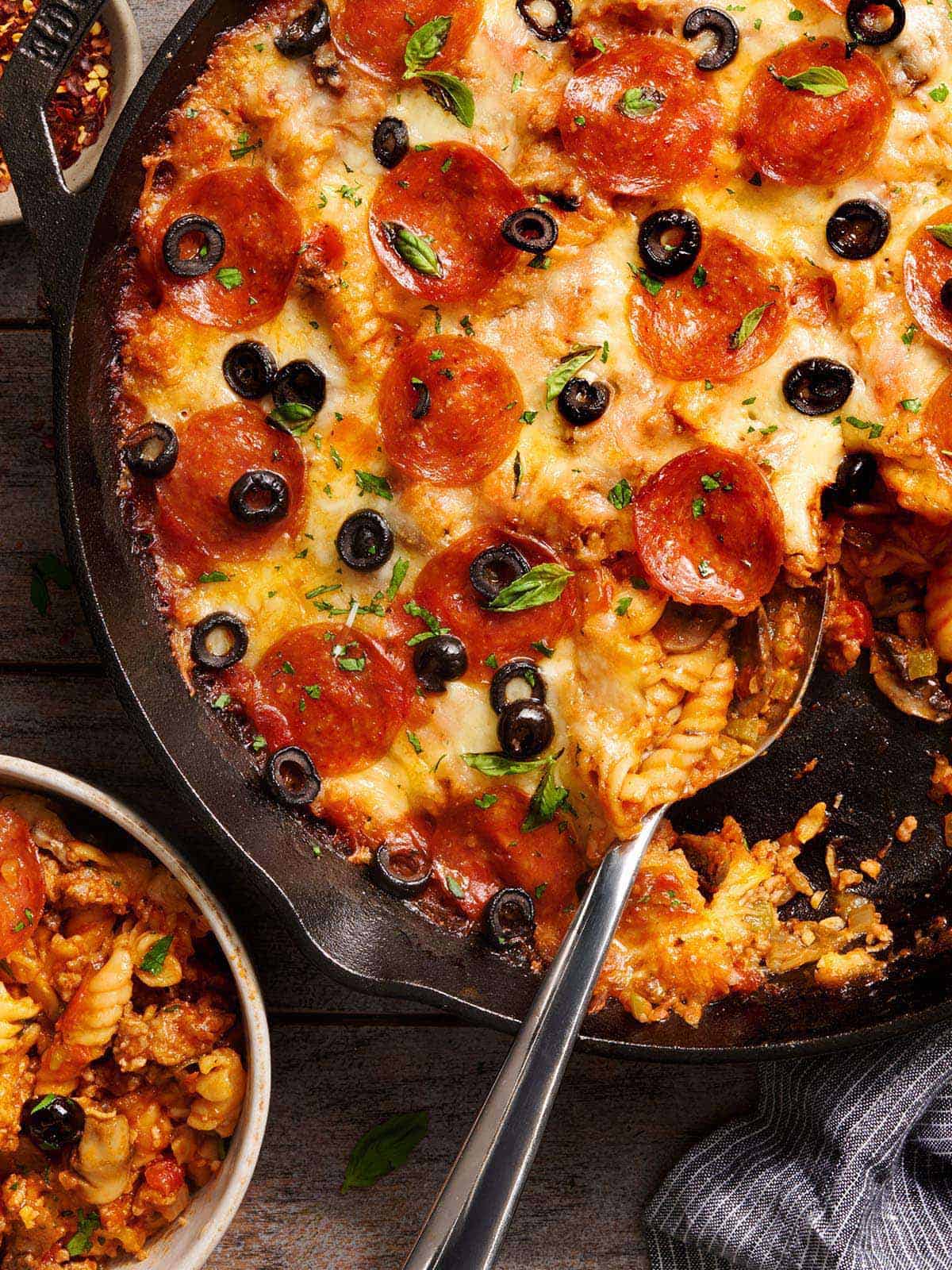
NASHVILLE, TN — As domestic food inflation continues to pressure household budgets, culinary developers are increasingly turning to historical comfort foods to engineer high-efficiency, low-cost dining solutions. Leading this effort is the Nashville Test Kitchen, which recently unveiled its modernized Skillet Pizza Casserole—a recipe designed to reconcile the nostalgic appeal of Friday night pizza with the economic demands of contemporary weeknight meal preparation.
Developed by culinary school graduate and hospitality veteran Jennie Alley, the recipe represents a structural departure from traditional casserole methods. By utilizing a single-skillet technique where uncooked pasta absorbs liquid directly from the simmering sauce, the dish eliminates excess water usage, reduces cleanup time, and minimizes energy consumption. Priced at approximately $12.31 for a six-serving yield ($2.05 per portion), the recipe offers a case study in how technical culinary principles can be applied to home budget optimization.
Chronology: From Mid-Century Staple to One-Pan Modernization
To understand the development of the skillet pizza casserole, one must examine the history of the American baked pasta dish. Mid-century pasta bake recipes typically relied on a fragmented, multi-pot assembly process: boiling the pasta in one vessel, browning meats in another, simmering sauces in a third, and finally combining the components in a ceramic baking dish for an extended oven cycle.
The chronological development of the modernized, 30-minute skillet version follows a precise sequence of culinary phases designed to maximize efficiency and flavor extraction:
Phase 1: Thermal Preparation and Lipid Extraction (Minutes 0–7)
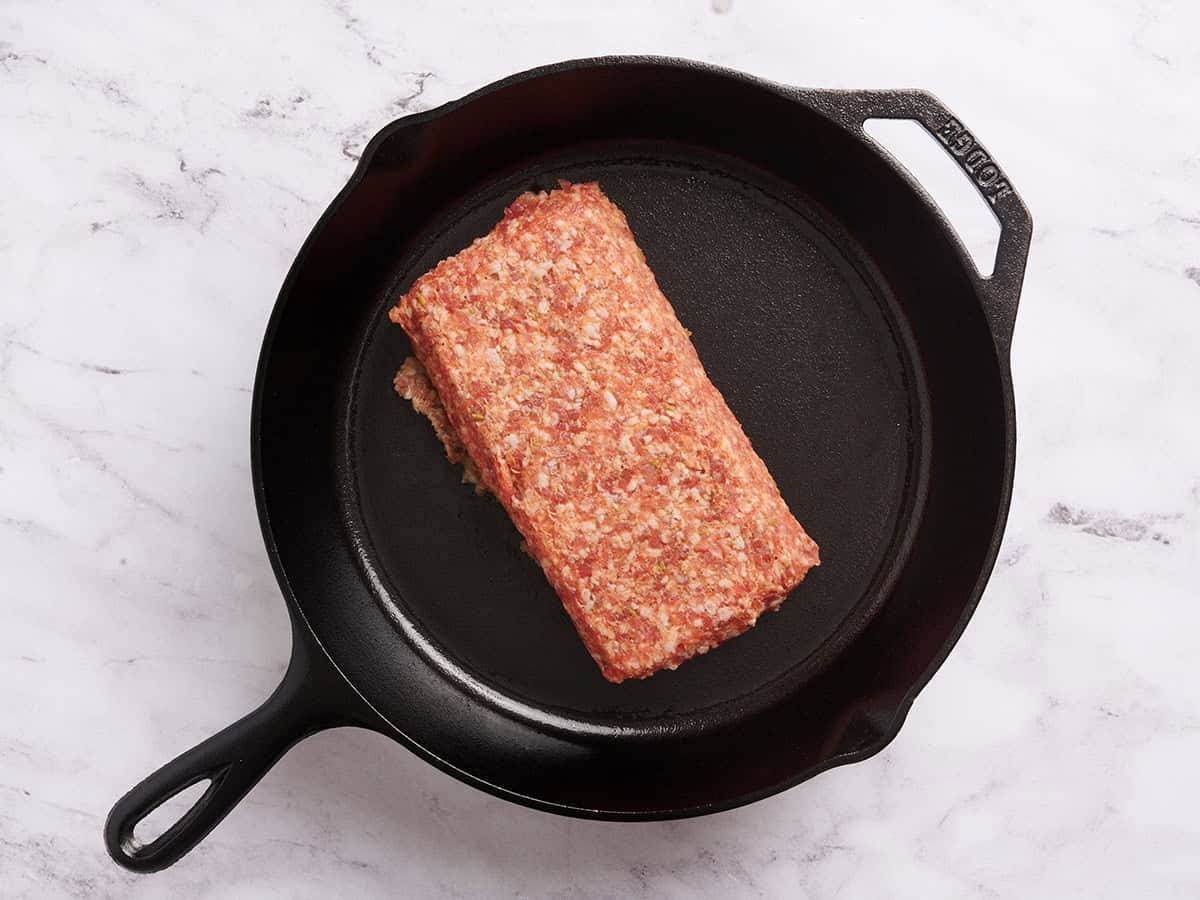
The cooking sequence begins with preheating the oven to 375°F (190°C) and heating a deep, heavy-gauge, oven-safe skillet (such as cast iron or enameled steel) over medium heat. One pound of sweet Italian sausage is introduced to the pan. Over a five-to-seven-minute period, the meat is broken into fine crumbles. During this phase, the sausage undergoes the Maillard reaction, developing savory browning while rendering its seasoned fats, which serve as the cooking medium for the subsequent vegetables.
Phase 2: Aromatics and Vegetable Reduction (Minutes 7–12)
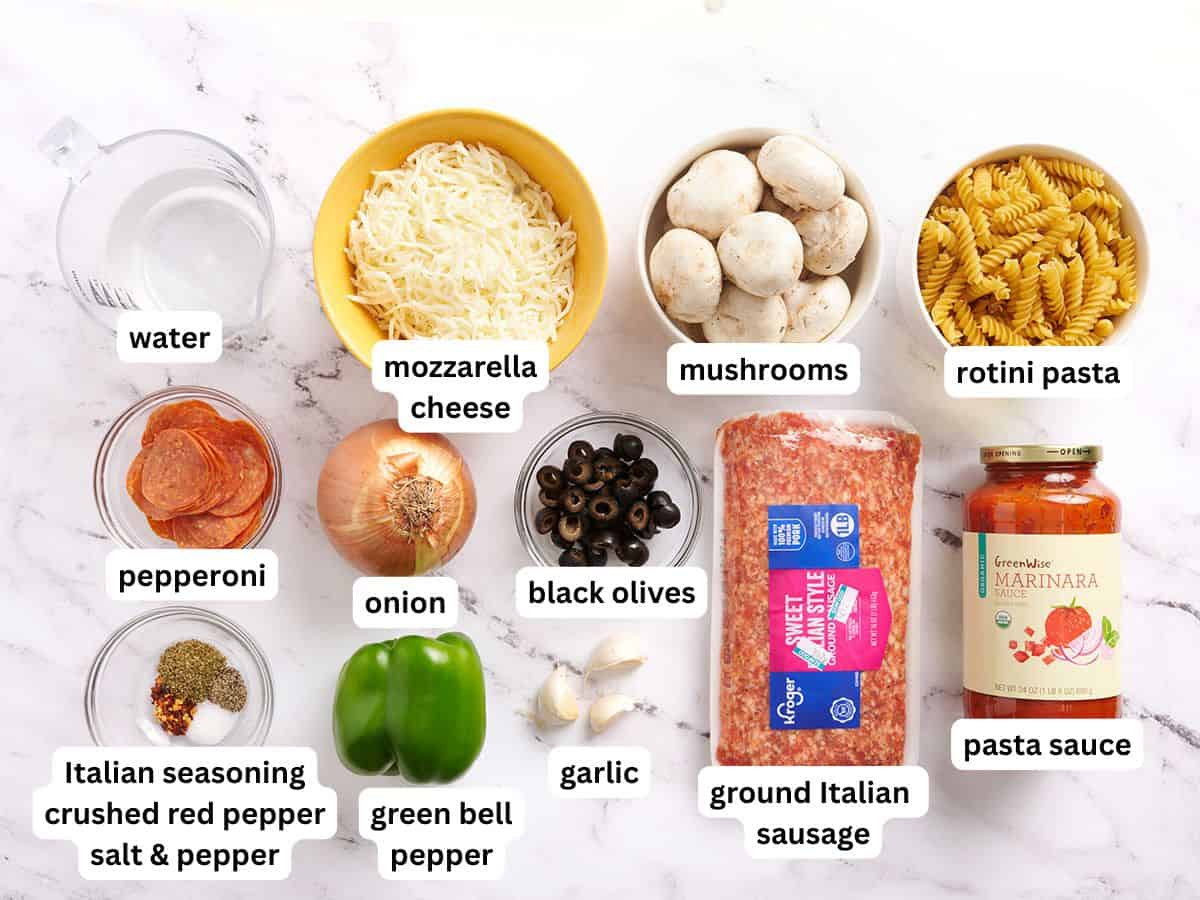
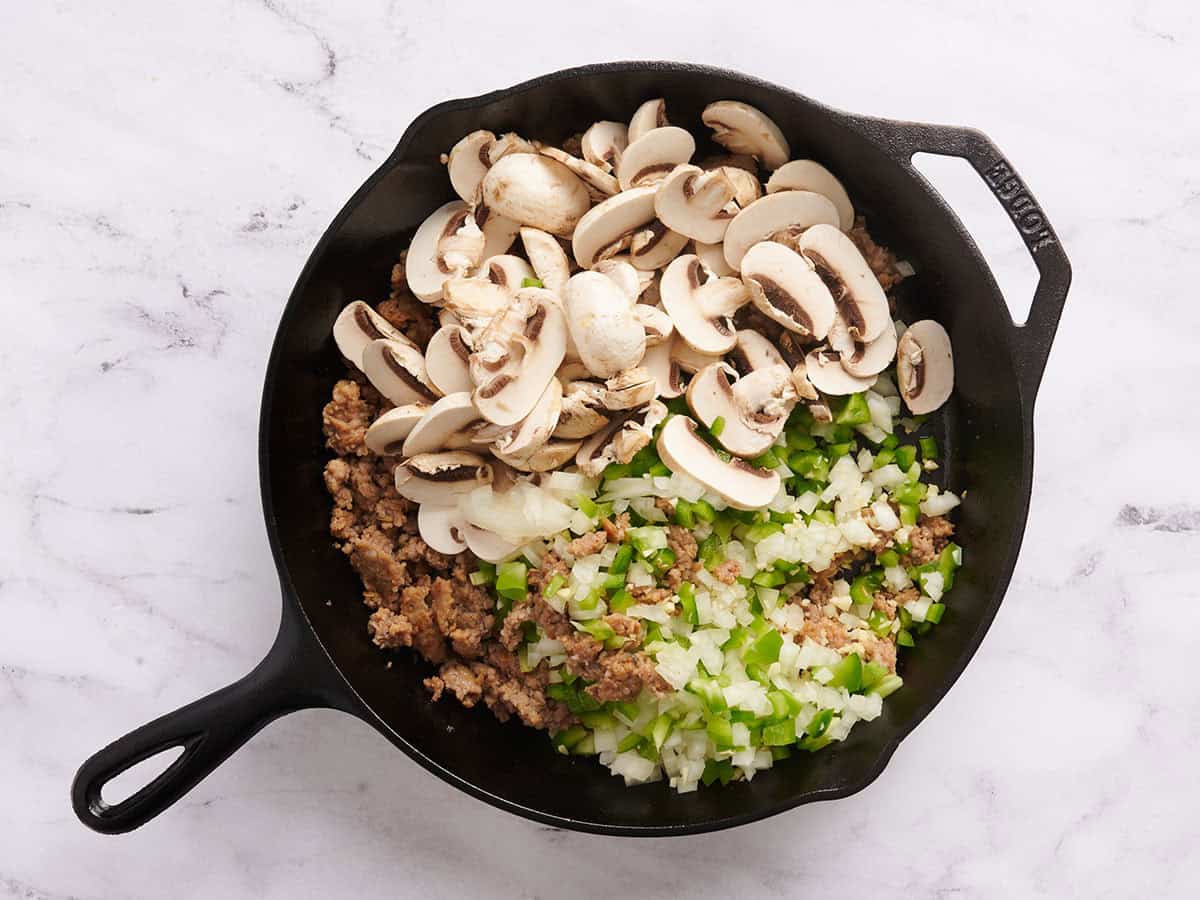
Once the meat is fully browned, a structured mirepoix variant is introduced: one diced yellow onion, one diced green bell pepper, eight ounces of sliced button mushrooms, and three cloves of minced garlic. The vegetables sweat in the rendered pork fat for four to five minutes. This step serves a dual purpose: it softens the cellular walls of the peppers and onions, transforming their sharp raw sulfur compounds into sweet, aromatic notes, and allows the mushrooms to release their moisture, concentrating their natural umami.
Phase 3: Starch Gelatinization and Liquid Absorption (Minutes 12–24)
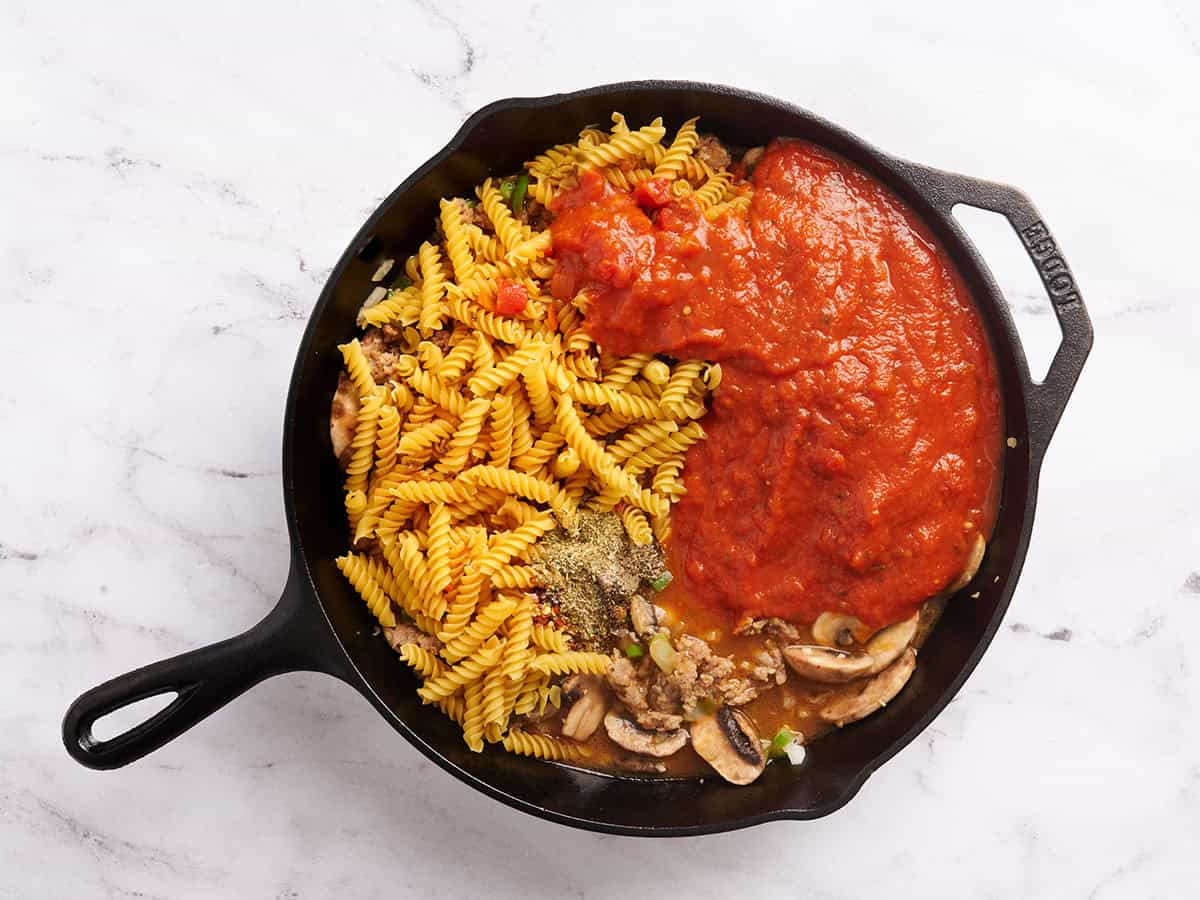
Instead of boiling the pasta separately, eight ounces of dry, uncooked rotini are added directly to the skillet alongside 24 ounces of prepared pasta sauce, one cup of water, and a spice matrix consisting of Italian seasoning, crushed red pepper flakes, salt, and black pepper. The mixture is stirred thoroughly, ensuring the starch-rich rotini is submerged.
Once a gentle simmer is established, the skillet is sealed with a tight-fitting lid or heavy-duty aluminum foil. The mixture simmers on low heat for 10 to 12 minutes. During this phase, the starch molecules within the dry pasta expand and absorb the seasoned tomato water, effectively cooking the pasta while simultaneously thickening the surrounding sauce.
Phase 4: Structural Finishing and Baking (Minutes 24–39)
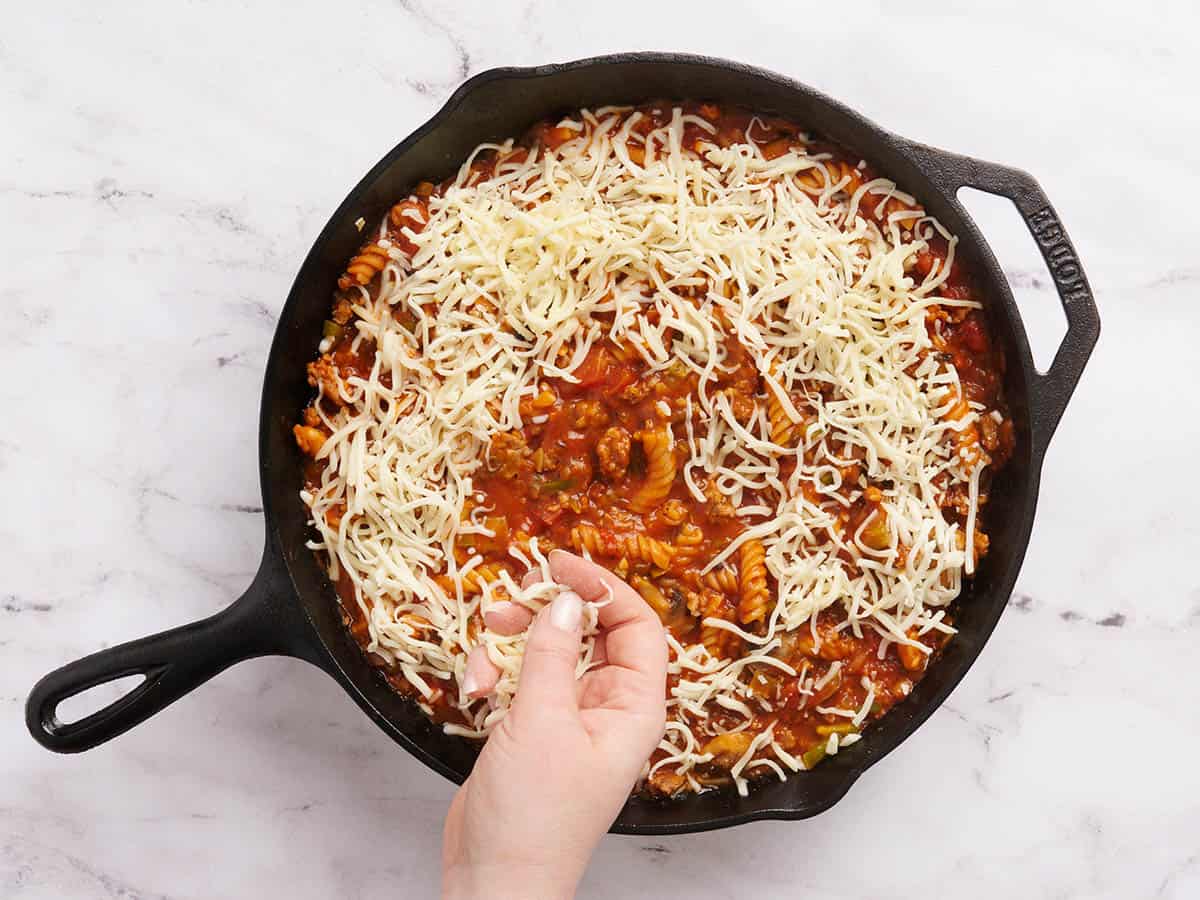
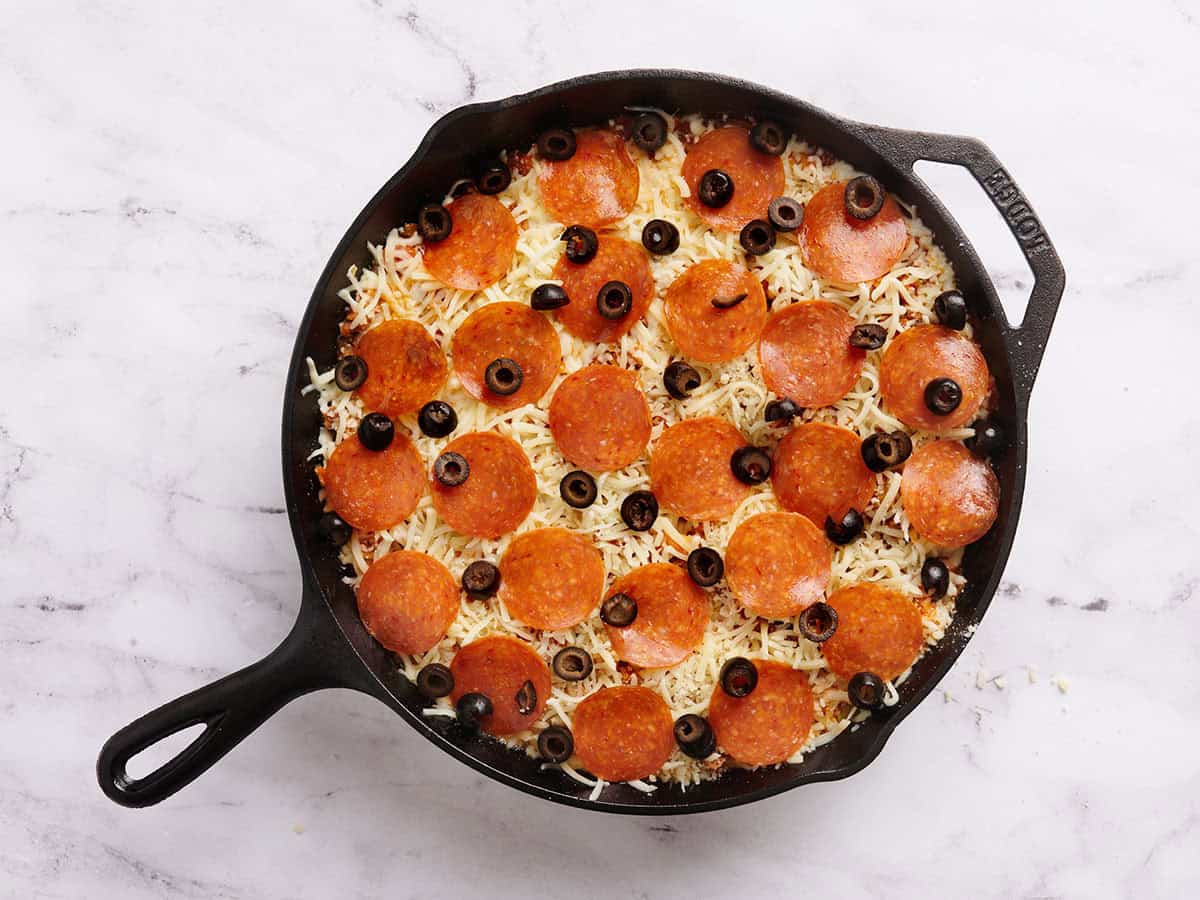
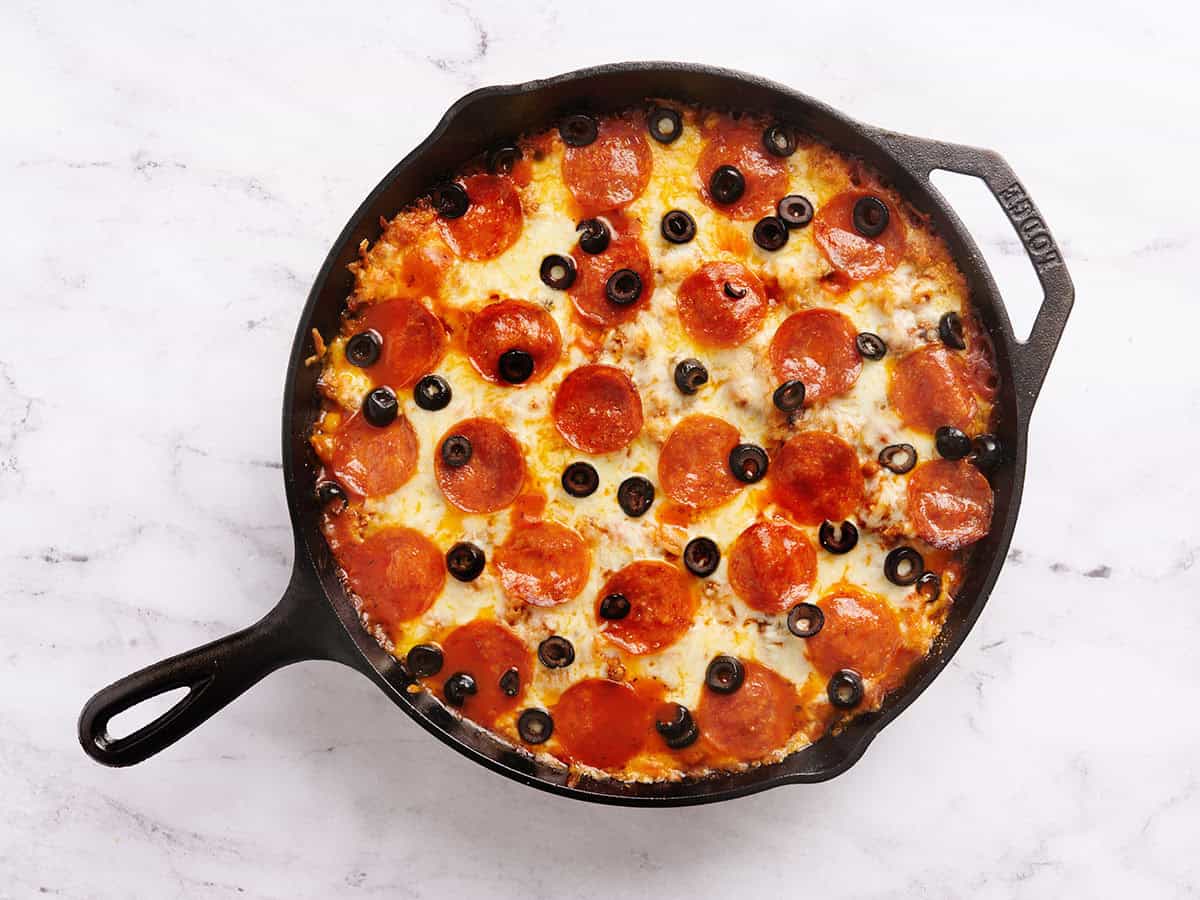
The lid is removed to assess the pasta’s texture, which should be al dente (tender with a firm core). The skillet is then blanketed with 1.5 cups of shredded low-moisture mozzarella, 25 pepperoni slices, and a quarter-cup of sliced black olives. The uncovered skillet is transferred directly into the preheated oven for 10 to 15 minutes. High radiant heat melts the mozzarella into a cohesive, bubbling layer, while the pepperoni edges crisp and release their spiced oils across the cheese surface.
Phase 5: Thermal Stabilization and Presentation (Minutes 39–44)
Upon removal from the oven, the casserole must rest undisturbed for five minutes. This resting period allows the gelatinized starches and melted proteins to stabilize, ensuring a clean scoop and preventing the sauce from breaking during service. A final garnish of fresh chiffonade basil and grated Parmesan cheese completes the dish.
Supporting Data: Economic and Nutritional Analysis
To validate the recipe’s viability as a budget-friendly staple, the Nashville Test Kitchen conducted a comprehensive cost analysis based on average retail grocery pricing, alongside a quantitative nutritional breakdown.
Cost-Efficiency Matrix
The total cost of the recipe is engineered to sit below the $15 threshold, making it highly competitive against commercial fast-casual dining and frozen convenience meals.
Protein: 27g (supporting muscle retention and satiety)
Carbohydrates: 40g (primarily complex starches from the semolina pasta)
Total Fat: 36g (sourced from the pork sausage, cheese, and pepperoni)
Sodium: 1591mg (approximately 69% of the recommended daily value, driven largely by cured meats and prepared sauce)
Dietary Fiber: 4g
Official Responses and Expert Culinary Perspectives
Developer Insights: Jennie Alley
"My objective was to retain the emotional resonance of my mother’s classic baked pasta while stripping away the procedural inefficiencies," stated Jennie Alley, Recipe Developer at the Nashville Test Kitchen. "In professional kitchens, we look for ways to consolidate steps without sacrificing quality. Cooking the pasta directly in the sauce isn’t just a shortcut; it’s a superior culinary technique for this format. The starch released by the rotini binds the sauce to the pasta twists in a way that pre-boiled pasta simply cannot achieve."
Alley also emphasized the versatility of the formulation:
"The base recipe is highly adaptable. While we utilize sweet Italian sausage for its balanced spice profile, home cooks can substitute ground turkey or lean beef. However, those substitutions require additional dry seasonings to compensate for the loss of the built-in fennel, garlic, and pepper notes found in traditional sausage."
Technical Testing: The Nashville Test Kitchen Protocol
According to official documentation from the Nashville Test Kitchen, all recipes undergo rigorous testing parameters to ensure reproducibility across various kitchen setups:
Pan Physics: Testers evaluated the recipe using cast-iron, stainless steel, and ceramic baking dishes. The testing team noted that while cast-iron skillets retain heat more efficiently, standard ceramic baking dishes are suitable alternatives. If using ceramic, ingredients must be transferred from a sauté pan to the baking dish prior to adding the cheese, which may extend the final baking time by 3 to 5 minutes due to the slower thermal transfer of ceramic materials.
Starch Behavior: The choice of rotini was deliberate. The spiral geometry of the pasta creates physical pockets that trap the meat and vegetable pieces. While penne or rigatoni can be substituted, pasta shapes with smooth exteriors or significantly thicker walls may require adjusted liquid ratios and longer simmer times to reach an al dente state.
Implications: The Microeconomics of Modern Home Cooking
The popularity of modernized, single-pan recipes like the Skillet Pizza Casserole points to broader socioeconomic shifts in consumer behavior.
1. The Inflationary Push Toward "Scratch-Adjacent" Cooking
With grocery prices remaining elevated, consumers are shifting away from fully prepared frozen meals and expensive takeout, moving instead toward "scratch-adjacent" cooking. This culinary style combines raw proteins and fresh produce with affordable shelf-stable bases (such as dry pasta and jarred marinara). By optimizing these pantry items through smart cooking techniques, consumers can achieve restaurant-quality textures at a fraction of the cost.
2. Conservation of Household Resources
The single-pan method addresses a critical but often overlooked cost factor in home economics: utility and labor costs.
Water Conservation: Eliminating a large pot of boiling water saves several gallons of water per meal cycle.
Thermal Efficiency: Utilizing a stovetop simmer for the bulk of the cooking time, followed by a brief oven finish, consumes significantly less electricity or natural gas than preheating and running an oven for an hour.
Labor Reduction: Minimizing the clean-up process to a single skillet reduces domestic labor and detergent consumption, a highly appealing prospect for busy working households.
3. The Psychology of Nostalgia in Menu Planning
During periods of economic or societal stress, consumer demand for nostalgic, high-fat, high-carb foods typically rises. The Skillet Pizza Casserole satisfies this emotional demand by merging two classic comfort foods—pizza and pasta—into a reliable, easy-to-execute dish. By making these indulgent profiles affordable and quick to prepare on a Tuesday night, culinary developers are helping home cooks maintain a sense of novelty and comfort at the dinner table without risking financial strain.