The Immediate Impact: How a Single High-Fat Meal Wages War on Your Arteries and Lungs
Unveiling the Rapid Biological Response to Unhealthy Eating
In the relentless pursuit of longevity and well-being, the adage "we are only as old as our arteries" rings with profound truth. Arterial health, a cornerstone of cardiovascular vitality, dictates not just our physical endurance but our overall cellular function. Yet, in an era dominated by convenience and processed foods, the insidious effects of a suboptimal diet and sedentary lifestyles often go unheeded until chronic conditions manifest. Landmark research, however, illuminates a startling reality: the impact of an unhealthy meal isn’t a slow burn, but a rapid assault on our physiological defenses, initiating a cascade of inflammation, oxidative stress, and dysfunction within mere hours of consumption.
This article delves into the immediate and often overlooked consequences of high-fat meals, drawing on scientific studies to reveal how our dietary choices can acutely compromise vital bodily functions, from the elasticity of our blood vessels to the efficiency of our respiratory system. We will explore the swift biological responses, pinpoint the key culprits in common fast-food items, and examine the cumulative toll these dietary patterns exact on public health.
Main Facts: The Swift Assault on Internal Health
The most striking revelation from recent scientific inquiry is the speed at which a high-fat meal can trigger adverse physiological changes. Within hours of ingesting a meal rich in saturated fats, the body undergoes a series of detrimental transformations that directly impair arterial function and ignite systemic inflammation. This immediate response is a critical precursor to long-term cardiovascular and respiratory diseases.
Key findings underscore:
- Rapid Arterial Dysfunction: A single high-fat meal can significantly cripple the ability of arteries to dilate and function optimally within just hours, a crucial indicator of vascular health.
- Systemic Inflammatory Response: Beyond the cardiovascular system, high-fat meals induce inflammation in other vital organs, notably the lungs, exacerbating conditions like asthma and even affecting healthy individuals.
- Oxidative Stress and Plaque Formation: The post-meal state sees a surge in pro-inflammatory markers, including oxidized LDL cholesterol, which are pivotal in the formation of arterial plaque that leads to heart attacks.
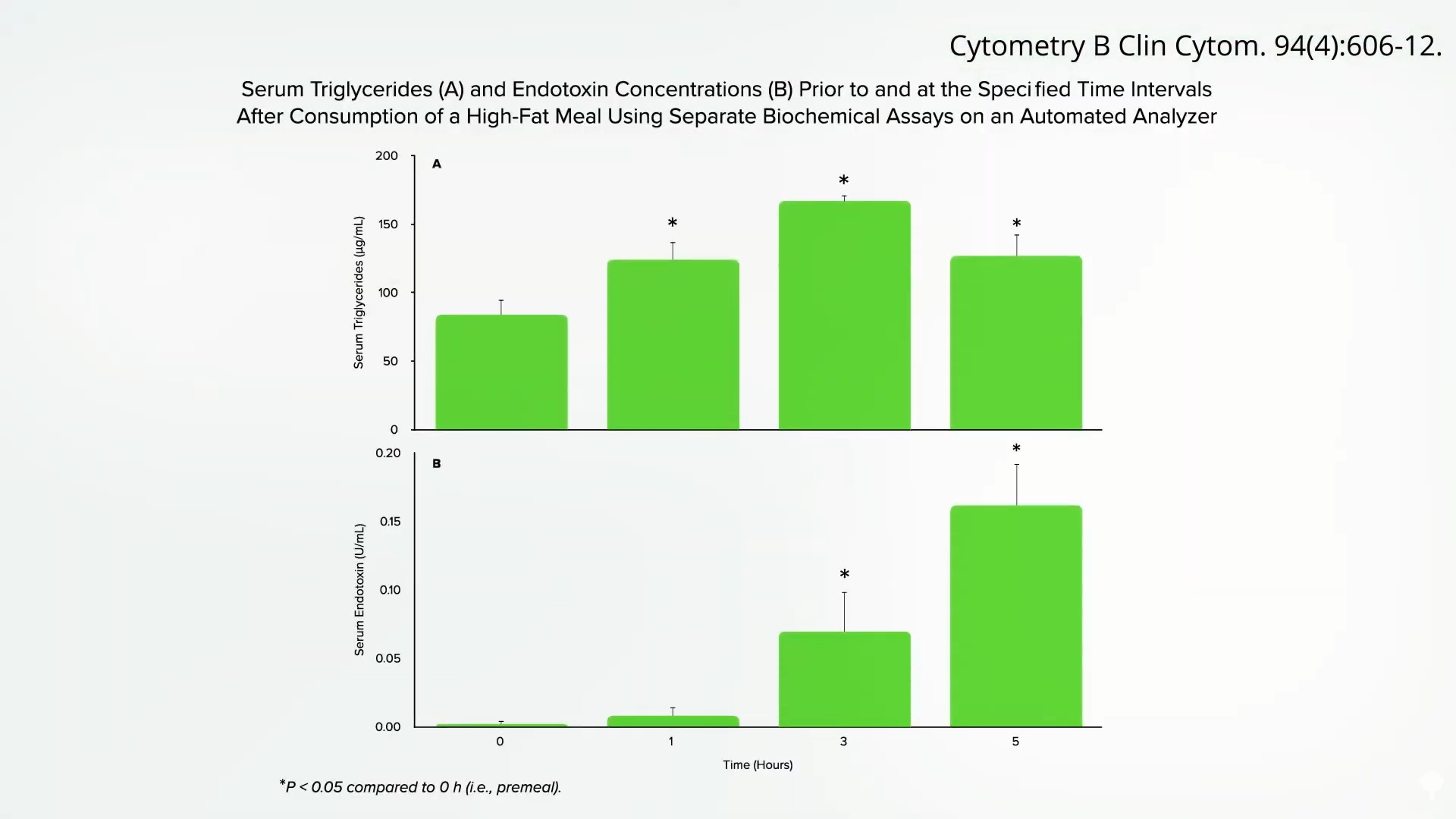
- Endotoxin Release: Certain high-fat foods, particularly those derived from animal products, can introduce bacterial endotoxins into the bloodstream, further fueling inflammation, though emerging research also points to the direct inflammatory role of the fat itself.
- Cumulative Damage: Given that most individuals spend a significant portion of their day in a post-meal state, these repeated assaults create a continuous cycle of damage, laying the groundwork for chronic metabolic diseases.
These immediate reactions are not isolated incidents but represent a continuous, meal-by-meal erosion of our internal resilience, profoundly shaping our risk factors for the leading causes of mortality.
Chronology: A Meal’s Journey Through the Body’s Defenses
The physiological response to a high-fat meal is a meticulously orchestrated, albeit detrimental, chronological sequence of events. Understanding this timeline highlights the vulnerability of our systems to dietary choices.
Within 1-2 Hours: The Onset of Arterial Stiffness
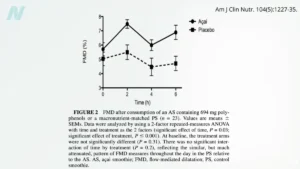
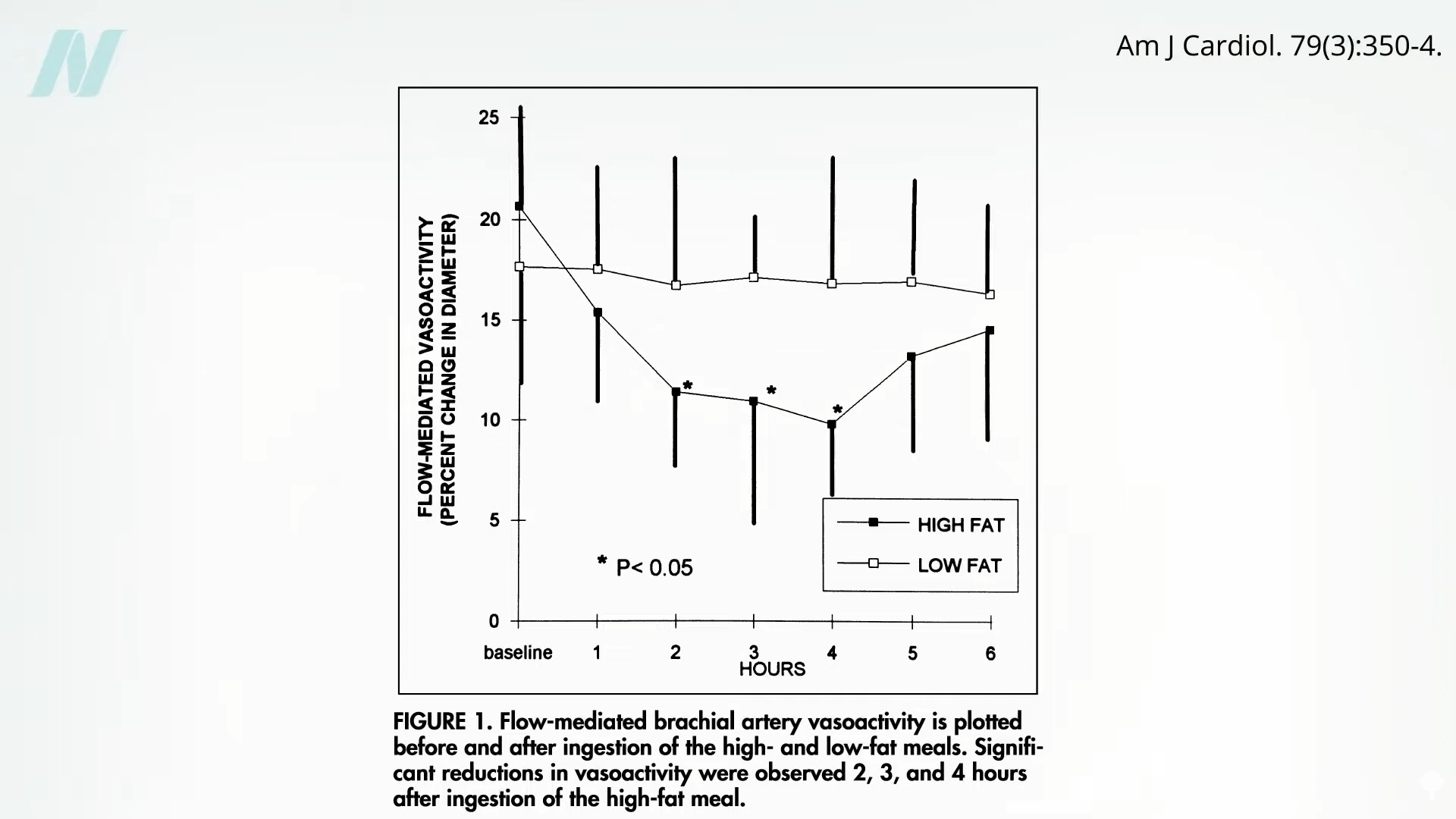
Almost immediately after a high-fat meal, the body begins to process the influx of lipids. The digestion and absorption of fats lead to a temporary increase in circulating triglycerides and other lipid particles in the bloodstream. This surge directly impacts the endothelium, the delicate inner lining of blood vessels. Studies have shown that within approximately two hours, the ability of arteries to dilate – a process known as flow-mediated dilation (FMD) – begins to diminish significantly. FMD is a critical measure of endothelial function, reflecting the artery’s capacity to relax and expand in response to increased blood flow. A reduction in FMD indicates impaired vascular health, signaling an early stage of arterial dysfunction. This impairment is not merely transient; it represents a functional stiffening that places increased strain on the cardiovascular system.
Within 4 Hours: Systemic Inflammation and Oxidative Stress Peaks
As the digestive process continues and fats are further metabolized, the inflammatory cascade accelerates. Around four hours post-meal, a significant increase in inflammatory markers becomes evident throughout the body. In the bloodstream, levels of oxidized LDL cholesterol rise dramatically. Oxidized LDL is particularly harmful as it is readily taken up by macrophages (a type of white blood cell), transforming them into "foam cells" – the primary cellular component of atherosclerotic plaques. This process directly contributes to the build-up of inflamed pus within artery walls, a precursor to heart attacks.
Simultaneously, the body experiences heightened oxidative stress. The "little power plants" within our cells, the mitochondria, can become impaired, leading to an overproduction of free radicals. These unstable molecules damage cellular components, including DNA, proteins, and lipids, further fueling inflammation and contributing to arterial damage.
Moreover, the inflammatory response extends beyond the arteries. Research indicates a spike in inflammatory cells in the sputum coughed from the lungs, even in healthy individuals, reaching its peak around the four-hour mark. For individuals with pre-existing conditions like asthma, this inflammation can severely impair lung function and diminish the efficacy of bronchodilator medications, rendering them less effective in opening airways.
Within 5-6 Hours: Recovery Attempts and the Cycle of Damage
Under normal circumstances, the body’s repair mechanisms begin to kick in as the initial rush of fats is processed. Arterial function may gradually start to recover, and inflammatory markers might slowly subside. However, this recovery is often interrupted by the next meal. If the subsequent meal is also high in fat, the cycle of damage is immediately re-initiated, preventing full recovery and subjecting the arteries and other organs to a continuous state of inflammation and stress.
Considering that most people consume three meals a day, often interspersed with snacks, they spend approximately 16 hours daily in this "post-meal" state. This means that for two-thirds of their waking hours, their arteries, lungs, and other systems are under a constant barrage of inflammatory and oxidative stress, a relentless "hammering" that profoundly contributes to the development of chronic diseases like cardiovascular disease, the leading cause of death globally.
Supporting Data: Unpacking the Scientific Evidence
The scientific understanding of post-prandial (after-meal) effects has evolved significantly, moving beyond long-term epidemiological studies to focus on acute physiological responses. The foundational research highlighted in the original text provides compelling evidence for these rapid changes.
The Landmark Artery Study: McDonald’s vs. Frosted Flakes
A pivotal study discussed a decade ago demonstrated that a single high-fat meal could acutely impair arterial function. The high-fat meal in question consisted of McDonald’s Sausage and Egg McMuffins. Within hours of consumption, participants showed a significant reduction in their arteries’ ability to dilate. In stark contrast, a control group that consumed a low-fat meal – remarkably, a sugary concoction of Frosted Flakes – exhibited no such impairment.
This experimental design was crucial because it helped to isolate the primary culprit. By comparing a high-fat, animal-product-rich meal with a high-carbohydrate, low-fat meal, researchers could deduce that the saturated fat, cholesterol, and other components prevalent in the sausage, egg, and cheese were primarily responsible for the acute arterial dysfunction, rather than "crappy carbohydrates" found in the biscuits or other processed elements. The fact that a meal high in refined sugars did not produce the same immediate arterial damage underscored the specific inflammatory potential of the high-fat components. This doesn’t negate the long-term harms of excessive sugar, but it highlights the distinct and rapid vascular impact of saturated fats.
Pulmonary Inflammation: Asthma and Beyond
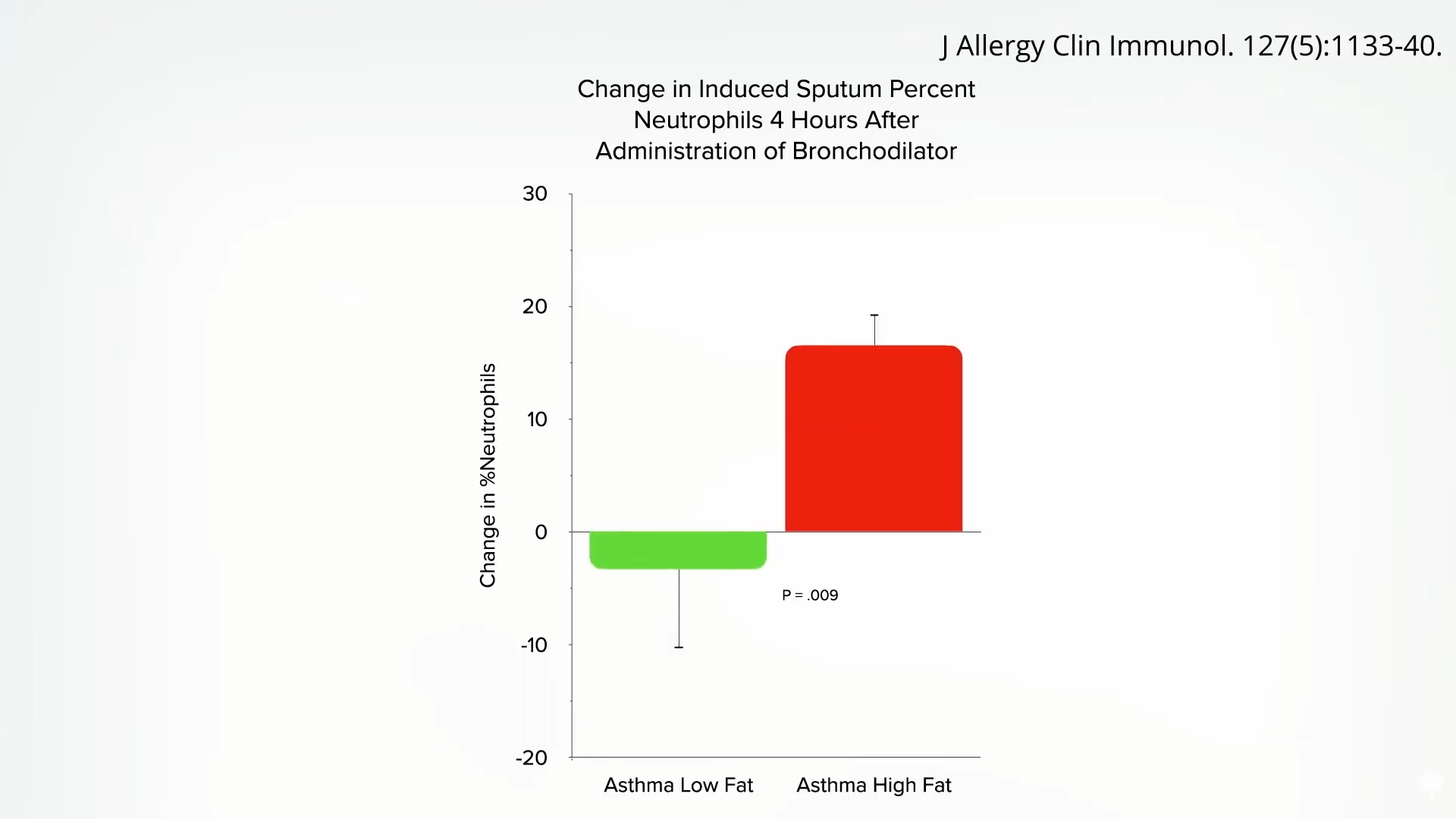
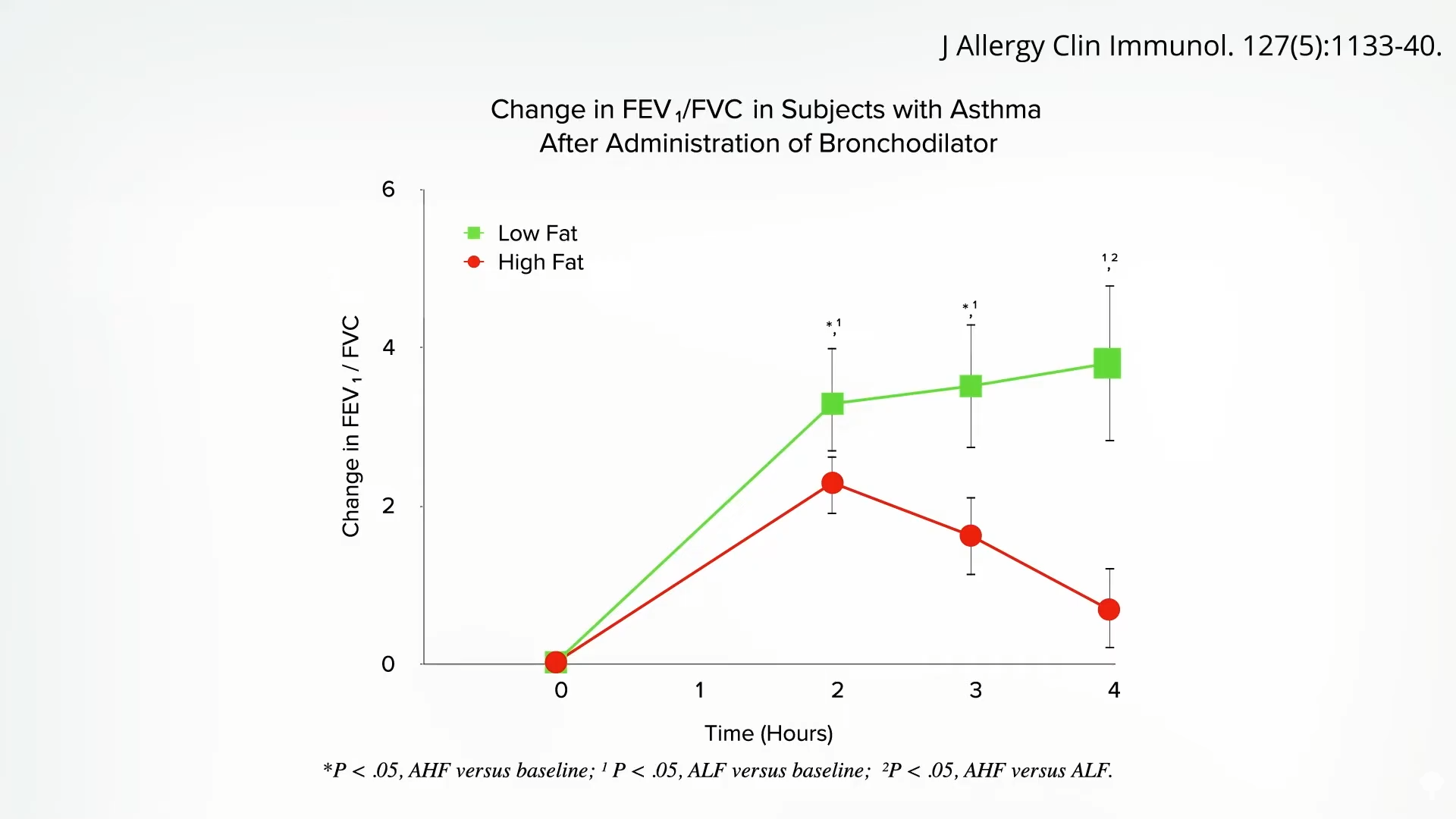
The systemic nature of inflammation following a high-fat meal extends notably to the respiratory system. A study published in 2011 revealed that for individuals with asthma, a high-fat meal not only increased airway inflammation but also impaired their response to bronchodilator medications. Four hours after consuming a high-fat meal, asthmatic participants exhibited a significant increase in inflammatory cells within their sputum. Crucially, when administered two doses of their standard inhalers (containing albuterol or Ventolin), the medication’s efficacy was markedly reduced, failing to open their airways as effectively or for as long as it did after a low-fat meal. This suggested that the post-meal inflammation physically obstructed the drug’s action or the airways’ ability to respond.
Further research extended these findings to the general population. A 2017 study found that even healthy individuals without asthma experienced a similar spike in inflammatory cells in their lung sputum four hours after consuming a high-fat meal, in this case, a "Jimmy Dean’s Meat Lover’s breakfast bowl." This demonstrates that the inflammatory response is not limited to those with pre-existing respiratory conditions but is a widespread physiological reaction to high-fat intake.
Oxidized LDL, Foam Cells, and Endotoxins
The mechanism behind arterial plaque formation is also acutely influenced by high-fat meals. Studies have shown that within hours of eating a high-fat meal, such as pizza, there is a doubling in the amount of pro-inflammatory oxidized LDL cholesterol. This oxidized LDL is highly atherogenic, meaning it contributes significantly to the development of atherosclerosis. It is readily absorbed by macrophages, which then transform into lipid-laden foam cells, the hallmark of early atherosclerotic lesions. These foam cells accumulate within the artery walls, forming fatty streaks that eventually progress into hardened plaques.
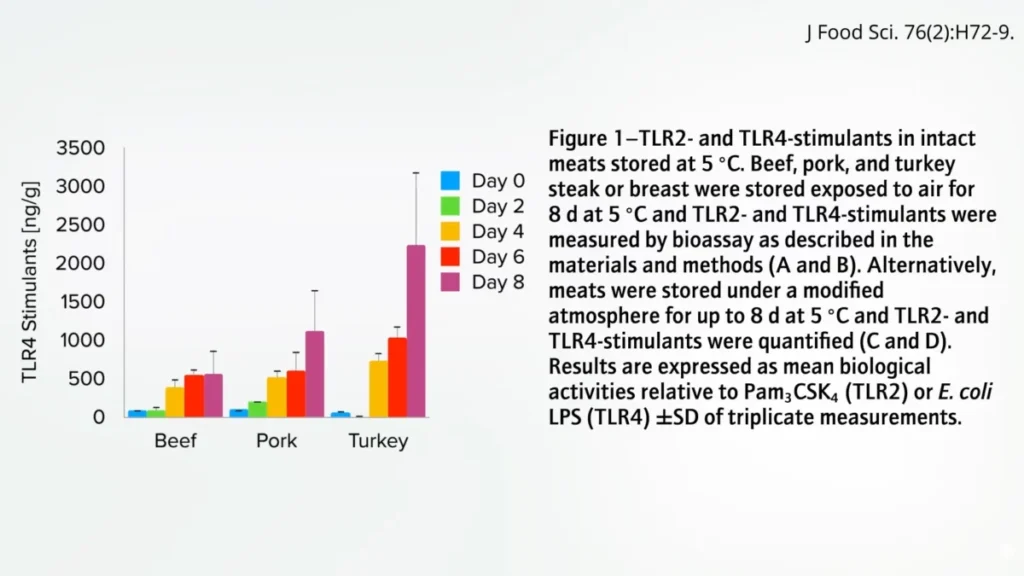
Adding another layer of complexity, high-fat meals have been linked to elevated endotoxin levels in the blood. Endotoxins are lipopolysaccharides (LPS) derived from the cell walls of gram-negative bacteria. Foods like meat, both red and white, can be contaminated with bacteria, and their endotoxins can cross the gut barrier into the bloodstream, triggering a potent inflammatory response. This phenomenon, known as metabolic endotoxemia, contributes to systemic inflammation and insulin resistance. However, more recent research, including a 2020 study, suggests that while endotoxins play a role, the saturated fat itself floating in the bloodstream may be a more direct and potent inducer of inflammation, irrespective of bacterial contamination. This nuanced understanding emphasizes the multifaceted ways in which dietary fat contributes to inflammatory processes.
Official Responses: Dietary Guidelines and Evolving Consensus
The accumulating body of evidence on the immediate and long-term effects of dietary fat has significantly shaped public health recommendations, though debates and evolving understandings persist.
Major health organizations worldwide, including the American Heart Association (AHA), the World Health Organization (WHO), and the Dietary Guidelines for Americans, consistently advise limiting the intake of saturated and trans fats. These recommendations are rooted in decades of research demonstrating the link between high saturated fat consumption and elevated LDL cholesterol, which is a primary risk factor for cardiovascular disease. The focus has historically been on the long-term accumulation of damage, but the acute post-prandial studies reinforce the urgency of these guidelines.
For instance, the AHA recommends that saturated fat should constitute no more than 5-6% of total daily calories for those needing to lower LDL cholesterol. They advocate for replacing saturated fats with healthier unsaturated fats (monounsaturated and polyunsaturated fats) found in foods like avocados, nuts, seeds, and olive oil.
The concept of "butter is back," often championed by certain media narratives or proponents of low-carbohydrate diets, represents a significant counter-narrative to established dietary advice. These arguments often misinterpret or selectively highlight studies that question the direct link between dietary fat and heart disease, or those that suggest certain types of fat might not be as detrimental as once thought. However, the overwhelming consensus among leading medical and public health bodies remains steadfast: excessive consumption of saturated and trans fats contributes to cardiovascular disease risk. The studies discussed in this article, demonstrating immediate arterial and systemic inflammation, provide further mechanistic support for these established recommendations, illustrating that the problem isn’t just about long-term cholesterol levels, but also about acute physiological stress.
The scientific community continues to refine its understanding of dietary fat, acknowledging the complexity of different fat types and individual metabolic responses. However, the consistent finding across numerous studies that high-fat meals, particularly those rich in saturated fats from animal products, trigger rapid inflammatory and vascular dysfunction, reinforces the prudence of current guidelines that prioritize plant-based foods and limit processed and high-fat animal products.
Implications: From Individual Choices to Public Health Imperatives
The insights into the immediate effects of high-fat meals carry profound implications for individual health, clinical practice, and public health policy.
Individual Health and Prevention:
For individuals, these findings serve as a powerful reminder that dietary choices have immediate and tangible consequences, far beyond caloric intake or long-term weight management. Every meal presents an opportunity to either nourish or harm the body. Opting for meals rich in whole, plant-based foods – fruits, vegetables, whole grains, and legumes – which are typically low in saturated fat and high in fiber and antioxidants, can mitigate these immediate inflammatory responses. Conversely, consistently consuming high-fat meals, especially those laden with saturated fats from animal products, subjects the body to a perpetual state of stress, accelerating cellular aging and disease progression.
Understanding this acute impact can empower individuals to make more informed choices, recognizing that the "after-a-meal state" is not a passive period but a highly dynamic one where critical physiological battles are won or lost. It underscores the importance of not just what we eat, but how often we expose our bodies to inflammatory triggers.
Clinical Relevance and Management:
For healthcare providers, this research highlights the importance of comprehensive dietary counseling. Beyond addressing chronic conditions, clinicians can educate patients about the immediate impact of diet on their daily well-being, potentially improving adherence to healthier eating patterns. For patients with conditions like asthma, the direct link between high-fat meals and impaired bronchodilator efficacy suggests that dietary modifications could be a valuable adjunct to pharmacological treatments, helping to improve symptom control and quality of life. Furthermore, understanding the acute inflammatory response could inform pre-surgical dietary recommendations or management protocols for acute inflammatory conditions.
Public Health Policy and Education:
From a public health perspective, these findings reinforce the need for robust educational campaigns that emphasize the benefits of diets low in saturated and trans fats. The focus should extend beyond the long-term risks of heart disease to include the immediate, systemic impact on daily physiological function. Policymakers can leverage this evidence to advocate for healthier food environments, promoting access to fresh, whole foods and regulating the marketing of processed, high-fat options. The prevalence of cardiovascular disease as the number one killer underscores the urgent need for strategies that address the dietary patterns contributing to its development, starting with the very meals we consume.
In conclusion, the notion that we are constantly "hammering our arteries" with repeated high-fat meals is not hyperbole but a scientifically substantiated reality. Our dietary choices, meal by meal, are not merely building blocks for our future health but immediate determinants of our body’s functionality. By embracing diets that minimize saturated fats and maximize whole, unprocessed foods, we can protect our arteries, fortify our lungs, and ultimately reclaim vitality, one meal at a time. The power to shape our metabolic destiny truly lies on our plates.