The Immediate Threat: How a Single High-Fat Meal Wages War on Your Arteries and Lungs
In a world increasingly grappling with chronic diseases, the adage "we are only as old as our arteries" rings with profound truth. While the long-term effects of a poor diet are well-documented, groundbreaking research reveals a startling reality: the damage begins not over years or months, but within mere hours of consuming a high-fat meal. This immediate, physiological assault sets off a cascade of events that can cripple arterial function, inflame respiratory pathways, and lay the groundwork for life-threatening conditions like cardiovascular disease.
The human body is an intricate network, and its vitality is inextricably linked to the health of its vasculature. Yet, modern dietary habits, often characterized by frequent indulgence in rich, fatty foods, place an immense, often invisible, strain on this system. What unfolds internally after a seemingly innocuous breakfast or lunch is a critical story that demands attention, challenging our perceptions of dietary impact and urging a reevaluation of our daily food choices.
Main Facts: The Immediate Assault of High-Fat Meals
The notion that a single meal could initiate a detrimental physiological response might seem extreme, but scientific evidence paints a clear picture. The journey from a high-fat plate to impaired bodily function is swift and relentless, impacting not just the heart but also the lungs, and setting the stage for long-term health crises.
The Arterial Impact: From Breakfast to Battleground
At the heart of our circulatory system are the arteries, resilient conduits responsible for delivering oxygen and nutrients throughout the body. Their ability to dilate and constrict, known as endothelial function, is a critical indicator of cardiovascular health. As we age, various factors can impair this function, but diet emerges as a particularly potent accelerant of arterial decline. A sedentary lifestyle coupled with a diet rich in unhealthy fats contributes to adverse aging processes at a cellular level. Specifically, the "power plants" within our cells—the mitochondria—can become impaired. This dysfunction leads to an increase in free radical formation, triggering oxidative stress and widespread inflammation. The consequence? Arterial dysfunction, a precursor to the devastating cardiovascular diseases that remain the leading cause of mortality globally.
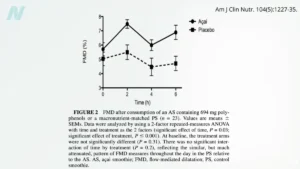
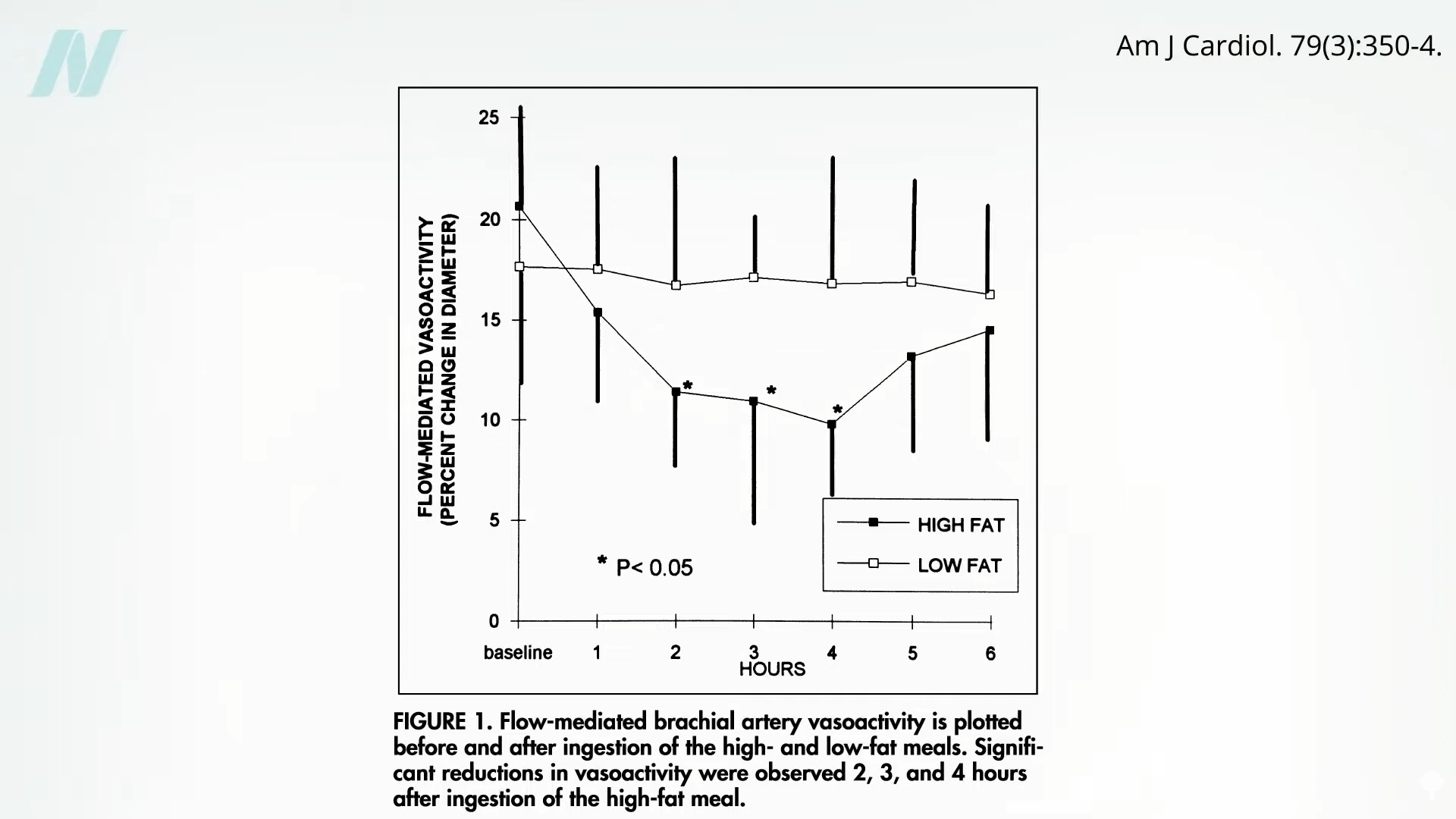
Landmark research, brought to public attention about a decade ago, starkly demonstrated this immediate impact. A study involving participants consuming a single high-fat meal showed a measurable "crippling" of artery function within hours. This was not a subtle change but a significant impairment, starkly contrasted with participants who consumed a low-fat meal, who experienced no such decline. The high-fat culprit in this particular study? The ubiquitous Sausage and Egg McMuffin from McDonald’s. Its combination of sausage, egg, and cheese delivered a potent dose of saturated fat, initiating an almost immediate physiological downturn. To further isolate the effect of fat, the low-fat control meal was a "sugary mess of carby Frosted Flakes," yet it did not impair arterial function, highlighting that it was the fat, not simply the carbohydrates, that was the primary antagonist in this scenario. This powerful demonstration underscored the acute vulnerability of our arterial health to dietary fat.
Beyond the Heart: Lung Inflammation and Compromised Respiration
The detrimental effects of high-fat meals are not confined to the cardiovascular system; they extend their inflammatory reach to the respiratory system as well. Our lungs, vital for gas exchange, also become targets of this dietary assault. Research has shown that a "high-fat challenge" can increase airway inflammation and impair bronchodilator recovery, particularly in individuals with asthma.

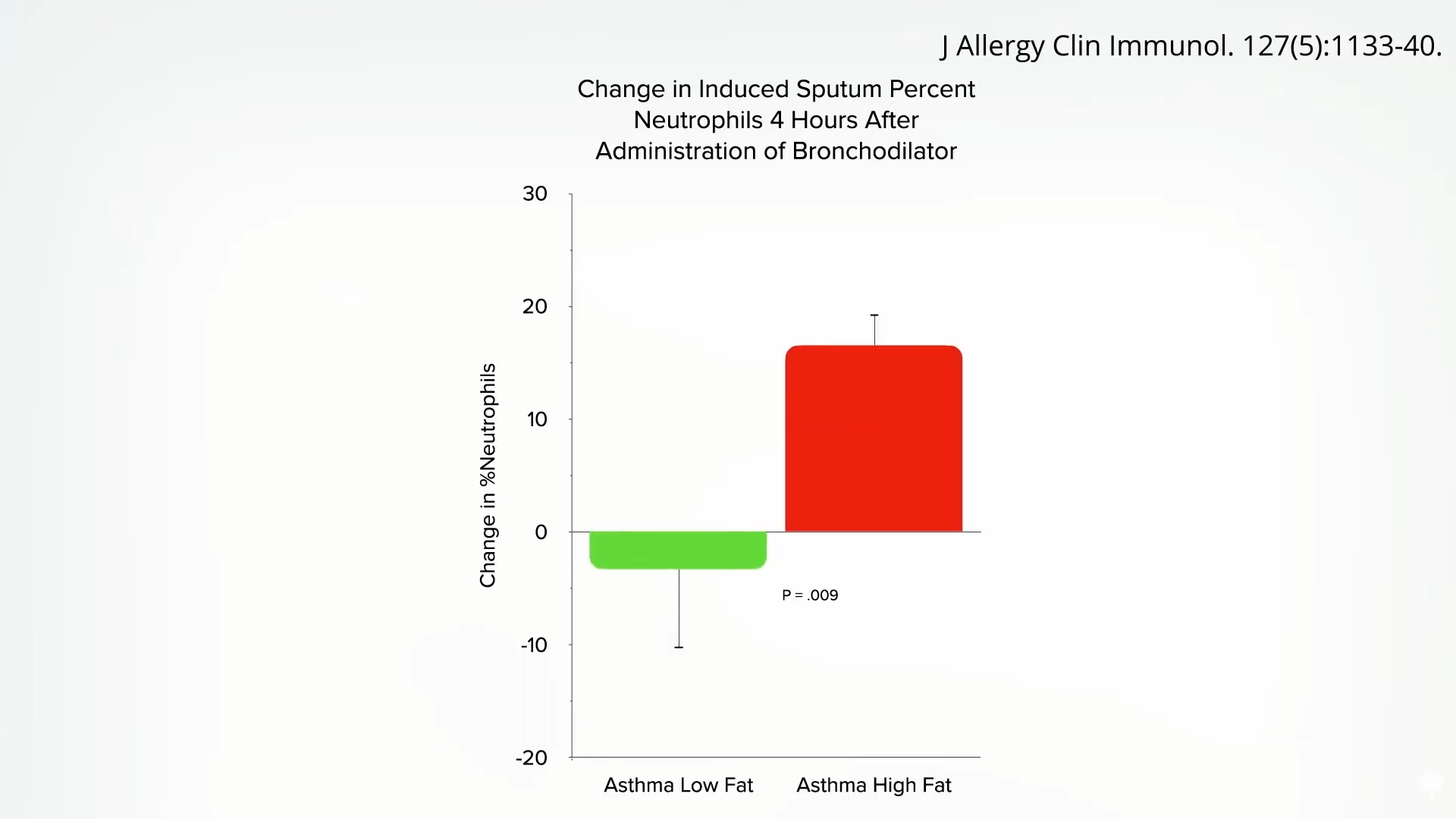
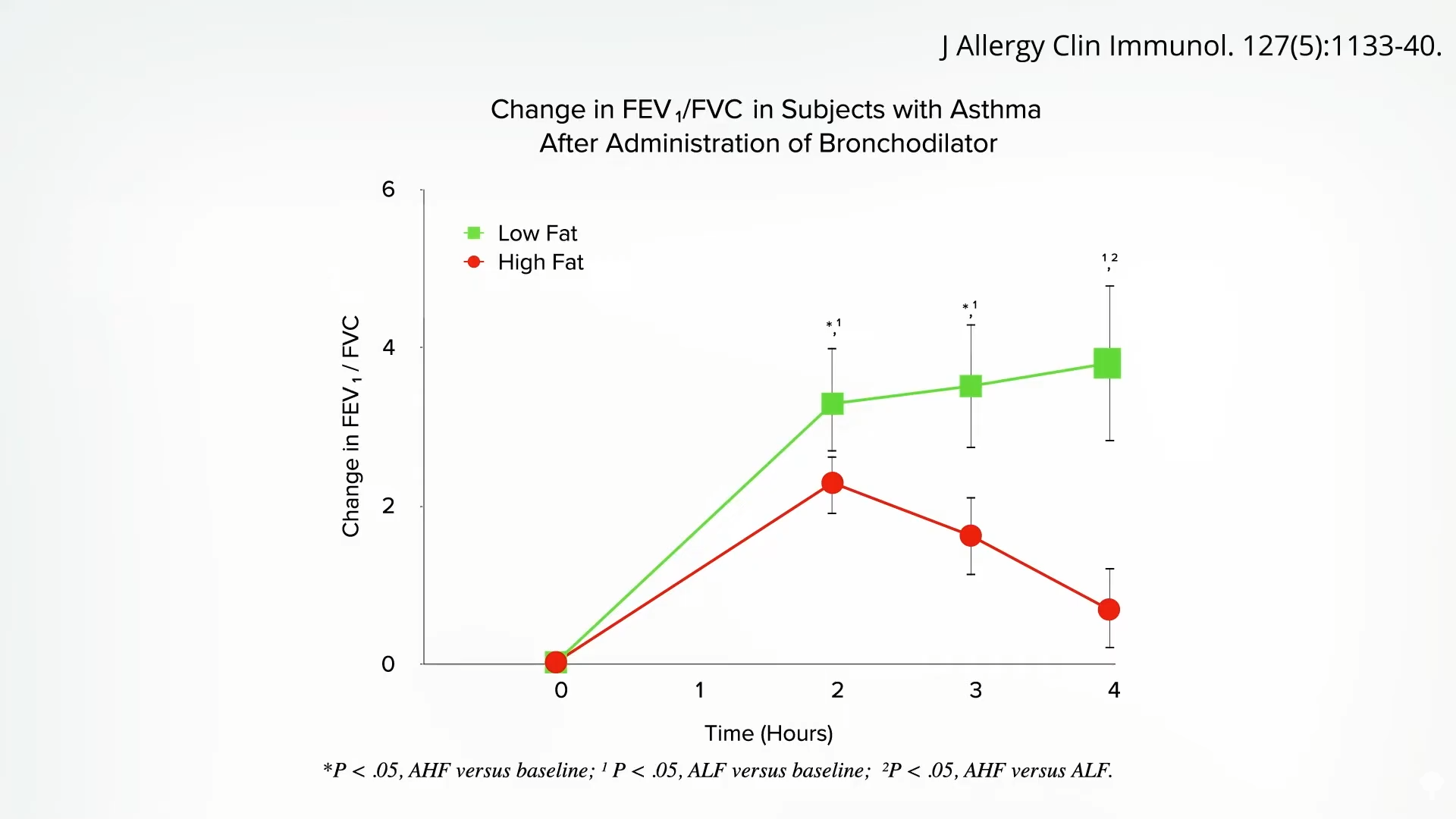
In studies involving asthma patients, the consumption of a high-fat meal led to a significant increase in inflammatory cells present in sputum coughed up from their lungs just four hours after eating. This inflammatory surge had tangible consequences for lung function. When these patients were administered their standard two doses of inhaler medication (containing albuterol or Ventolin), their airways opened as expected after a low-fat meal. However, following a high-fat meal, the same doses of inhaler medication proved less effective, with their benefits "crapping out" after only a few hours. This reduced efficacy was directly attributable to the heightened inflammation in their lungs, demonstrating a direct link between dietary fat and compromised respiratory response. This evidence underscores a profound truth: what you eat can directly determine how well you breathe, even influencing the effectiveness of life-saving medications.
Moreover, the impact is not limited to those with pre-existing respiratory conditions. Researchers have found that even individuals without asthma exhibit a similar spike in inflammatory cells in their lung sputum four hours after consuming a high-fat meal. In one such instance, the meal in question was a "Jimmy Dean’s Meat Lover’s breakfast bowl," further solidifying the link between common high-fat foods and systemic inflammatory responses that reach far beyond the digestive tract.
Chronology: A Day in the Life of Inflamed Arteries
The human body is constantly processing and reacting to the nutrients it receives. For many, this process is a relentless cycle of post-meal inflammation, a "hammering" of vital organs that rarely gets a reprieve. Understanding this chronology reveals the cumulative burden placed on our internal systems.
The Post-Meal Cascade: Hours of Internal Stress
Imagine starting your day with a high-fat breakfast. Within hours, your arteries begin to struggle, their ability to function optimally diminished. Just as your body might begin the arduous process of recovery, typically five or six hours later, it’s time for lunch. For many, this often means another meal laden with meat, eggs, dairy, or oils, delivering yet another blow to an already stressed system. This relentless cycle is not an anomaly but a norm for a significant portion of the population. Most individuals spend approximately 16 hours a day in this "after-a-meal state," continuously subjecting their arteries and other organs to inflammatory pressures.
This continuous assault explains, in part, why cardiovascular disease remains our number one killer. It’s not just about isolated instances of unhealthy eating but the cumulative, hour-by-hour impact of a diet consistently rich in harmful fats. Each meal contributes to a prolonged state of internal stress, gradually eroding the resilience and function of our vital systems. The arteries, in particular, bear the brunt of this chronic inflammation, leading to a progressive decline that can culminate in serious health events.
The Culprits: Fat, Endotoxins, and Oxidized LDL
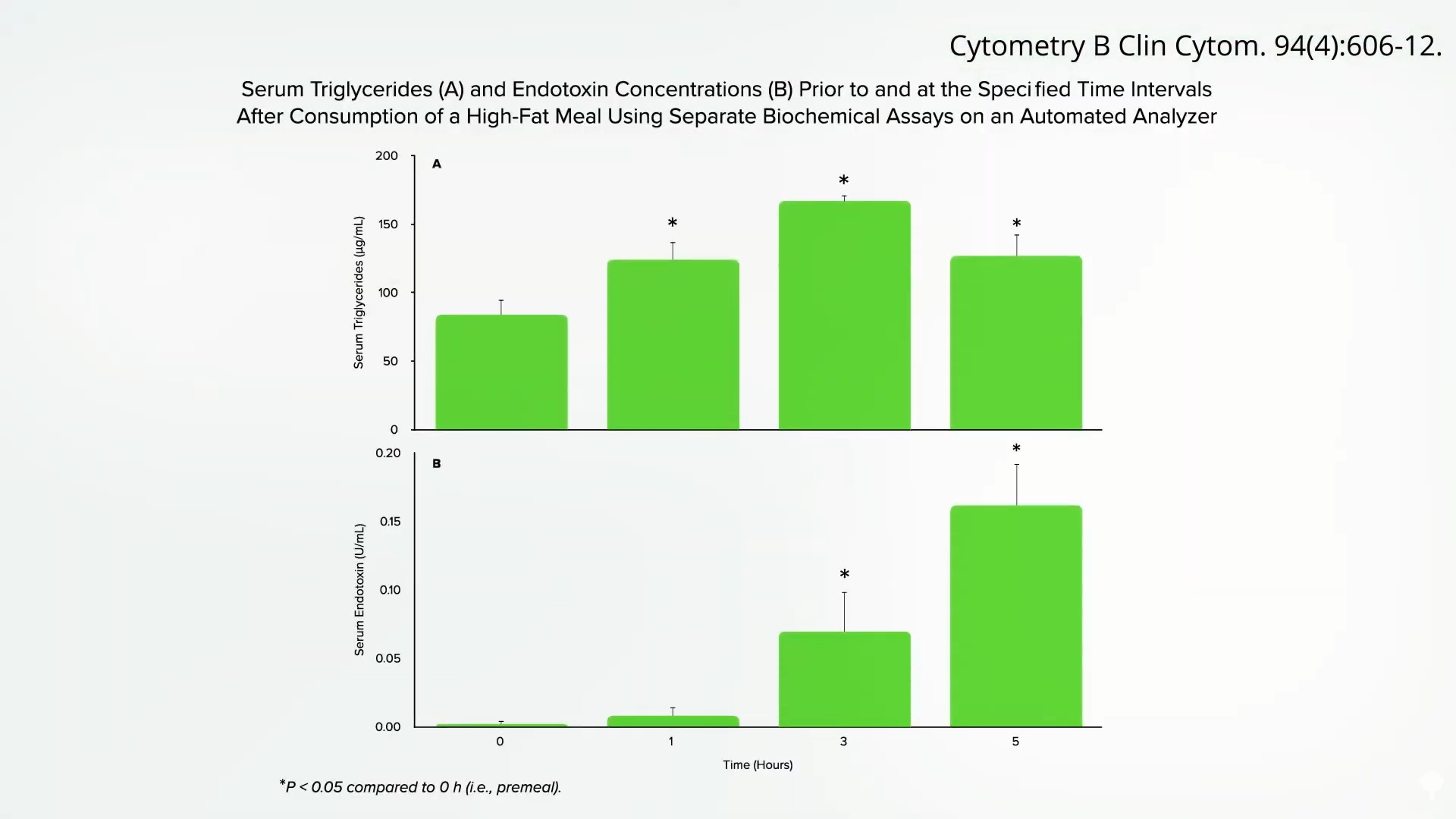
The immediate aftermath of a high-fat meal involves a complex interplay of various compounds that contribute to this internal stress. Beyond the direct effects of fat, other elements come into play, accelerating the inflammatory process. One study highlighted the impact of a common high-fat food—pizza—on these markers. Within hours of consumption, the fat content in the blood increases, but so do levels of pro-inflammatory oxidized LDL cholesterol. This oxidized LDL is particularly insidious, as it is readily "sucked up" by specific white blood cells, which then transform into "foam cells." These foam cells are key players in the development of atherosclerotic plaques, the inflamed, pus-filled deposits that build up in artery walls and ultimately lead to heart attacks.
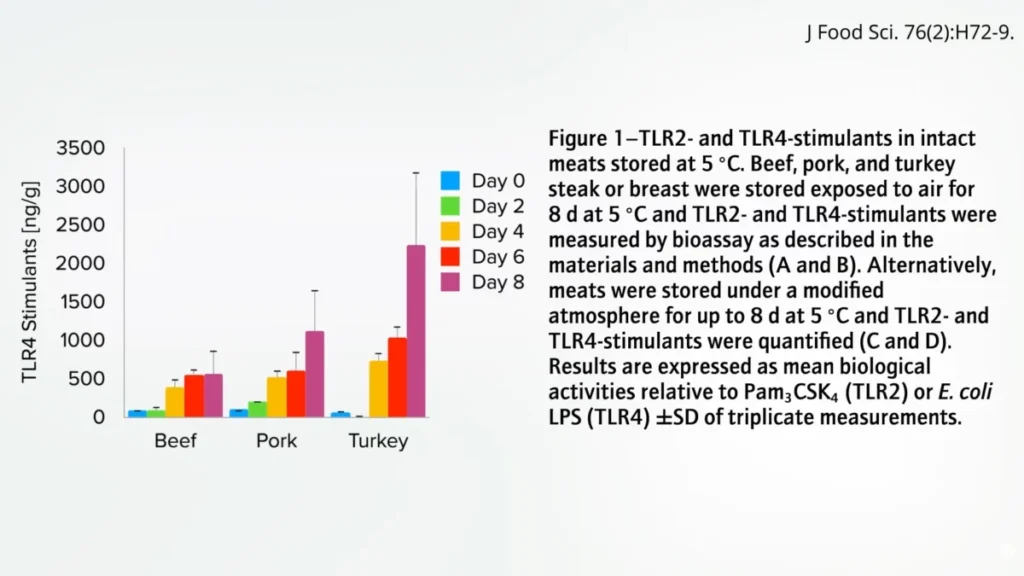
Adding another layer of complexity to this inflammatory response is the rise in endotoxin levels post-meal. Endotoxins are components of bacterial cell walls, and their presence in the bloodstream signals a systemic inflammatory reaction. Foods, particularly meat, can be significantly contaminated with bacteria—both living and dead—leading to an accumulation of these endotoxins. This contamination is not limited to red meat but extends to white meat as well, indicating a broader issue within the food supply chain. When these endotoxins enter the bloodstream, they trigger a potent immune response, further exacerbating the inflammatory environment.
However, recent research published in 2020 has begun to refine our understanding of the primary instigator. While endotoxins certainly contribute, this newer evidence suggests that the main culprit may not be endotoxins after all, but the fat itself. The saturated fat circulating in the blood after an unhealthy meal appears to be capable of inducing inflammation more directly. Regardless of the precise mechanism, the takeaway remains clear: we bear the responsibility for what we choose to eat, meal by meal, in shaping the risk factors for chronic metabolic disease. The internal environment we create with our dietary choices has immediate, tangible consequences that reverberate through our entire physiological system.
Supporting Data: Scientific Evidence Unpacked
The scientific foundation for these claims is built upon rigorous studies employing various methodologies to observe and quantify the physiological changes occurring post-meal. These studies provide compelling evidence for the acute impact of dietary fat.
Methodologies and Findings: Peering Inside the Body
The studies referenced utilize well-established scientific methodologies to assess vascular and respiratory function. For arterial function, a common technique is flow-mediated dilation (FMD), which measures the ability of arteries to widen in response to increased blood flow. A "crippled artery function" translates to a reduced FMD response, indicating that the endothelium (the inner lining of the artery) is less able to relax and expand, a hallmark of early atherosclerotic changes. The observation that a single high-fat meal could significantly reduce FMD within hours was a critical finding, demonstrating the rapid onset of endothelial dysfunction.
For assessing lung inflammation, researchers analyze sputum samples. By counting inflammatory cells and measuring specific inflammatory markers in the coughed-up mucus, they can quantify the degree of inflammation in the airways. The observed spike in inflammatory cells, even in healthy individuals, provides direct evidence of a systemic inflammatory response triggered by the high-fat intake. Furthermore, lung function tests, such as spirometry (measuring how much air a person can exhale and how quickly), combined with bronchodilator challenge tests, allow researchers to evaluate the effectiveness of asthma medications and demonstrate how inflammation can impede their therapeutic action.
Blood markers are also crucial. Elevated levels of oxidized LDL cholesterol, for instance, are measured through specific assays that detect the modified form of LDL that is particularly atherogenic. Similarly, endotoxin levels in the blood can be quantified, providing insight into bacterial translocation from the gut or direct absorption from contaminated food. These diverse scientific approaches collectively confirm a rapid, multifaceted physiological response to high-fat meals, characterized by inflammation, oxidative stress, and impaired organ function.
Distinguishing Dietary Components: It’s Not Just Carbs
A common misconception in dietary discussions is that all "unhealthy" foods are equally detrimental, or that carbohydrates are solely to blame for metabolic issues. The studies on high-fat meals provide crucial clarification, distinguishing the specific impact of dietary fat, particularly saturated fat, from other macronutrients. The comparison between the high-fat Sausage and Egg McMuffin and the high-sugar, low-fat Frosted Flakes is particularly illustrative. Despite the Frosted Flakes being a "sugary mess," they did not induce the same arterial dysfunction seen with the McMuffin. This experimental design effectively isolated the effect of the fat component, pointing to saturated fat as a primary driver of acute arterial impairment.
This distinction is vital for public health messaging. It redirects focus from a generalized fear of "carbs" to a more nuanced understanding of specific dietary fats. While excessive sugar intake has its own set of health consequences, these studies clearly demonstrate that saturated fat, prevalent in animal products and many processed foods, exerts a unique and rapid inflammatory and vasoconstrictive effect on the vasculature and respiratory system. Understanding these specific mechanisms allows for more targeted dietary recommendations aimed at preventing chronic disease.
Official Responses and Expert Perspectives
The accumulation of scientific evidence regarding the immediate and long-term harms of high-fat, particularly high-saturated-fat, diets has influenced public health guidelines globally. These findings underpin official recommendations aimed at steering populations towards healthier eating patterns.
Public Health Warnings and Dietary Guidelines
Major health organizations worldwide, including the American Heart Association (AHA), the U.S. Department of Agriculture (USDA), and the World Health Organization (WHO), have consistently issued dietary guidelines recommending a reduction in saturated and trans fats. These recommendations are not arbitrary; they are based on a vast body of research demonstrating the link between these fats and an increased risk of cardiovascular disease, obesity, and other metabolic disorders. The immediate post-meal inflammation and arterial dysfunction highlighted in these studies provide a crucial mechanistic explanation for why these long-standing recommendations are so important. They reveal the acute stress placed on the body with each high-fat meal, reinforcing the cumulative danger.
However, public education and dietary change remain significant challenges. Despite clear scientific consensus, misinformation and conflicting narratives often confuse consumers. The "butter is back" movement, for instance, a popular counter-narrative suggesting that saturated fats like butter are not as harmful as once thought, directly contradicts the evidence presented here. While some studies have questioned the direct link between dietary cholesterol and blood cholesterol, the inflammatory and arterial crippling effects of saturated fat itself remain a robust finding. Public health bodies continually strive to clarify these distinctions, emphasizing that a diet rich in whole, plant-based foods, naturally low in saturated fat, is the most protective approach.
The Role of Food Industry and Consumer Choices
The prevalence of high-fat meals, particularly in the fast-food and processed food sectors, underscores a systemic issue. These industries often prioritize taste, convenience, and shelf-life, which frequently translates to products laden with saturated and unhealthy fats. The ease with which one can access a "Sausage and Egg McMuffin" or a "Jimmy Dean’s Meat Lover’s breakfast bowl" highlights how everyday dietary choices are influenced by widespread availability and aggressive marketing. This environment makes it challenging for individuals to consistently make healthy choices, even with growing awareness of the risks.
However, the power of informed consumer choice remains paramount. Understanding the immediate physiological consequences of specific foods empowers individuals to make better decisions for their health. By choosing meals lower in saturated fat, opting for whole foods, and reducing reliance on ultra-processed options, consumers can actively mitigate the "hammering" effect on their arteries and lungs. This knowledge transforms a passive act of eating into an active decision for health and longevity.
Implications: Redefining Our Relationship with Food
The profound and immediate impact of high-fat meals demands a re-evaluation of our daily dietary habits. It reveals that our food choices are not merely about taste or caloric intake, but about actively shaping our internal physiological landscape, hour by hour.
Long-Term Health Consequences: A Cumulative Burden
The immediate effects of high-fat meals—the crippling of arterial function, the surge in inflammatory cells, the rise of oxidized LDL and endotoxins—are not isolated incidents. They are the initial skirmishes in a prolonged war against chronic disease. Each instance of post-meal inflammation contributes to the gradual accumulation of damage that leads to atherosclerosis, the hardening and narrowing of arteries. Over time, this cumulative burden manifests as cardiovascular disease, including heart attacks, strokes, and peripheral artery disease. The fact that cardiovascular disease remains the leading cause of death globally underscores the widespread prevalence of these detrimental dietary patterns and their long-term, devastating consequences. Our bodies are incredibly resilient, but this resilience is not limitless, and continuous exposure to inflammatory triggers eventually breaks down critical defenses.
Preventive Strategies: Diet and Lifestyle Interventions
The good news is that this understanding also points towards clear preventive strategies. A diet emphasizing whole, plant-based foods—rich in fiber, antioxidants, and healthy fats, and naturally low in saturated fat—can significantly reduce the immediate post-meal inflammatory response. Such a diet supports optimal mitochondrial function, minimizes free radical formation, and protects endothelial integrity. Reducing or eliminating sources of saturated fat like processed meats, dairy products, and certain oils can drastically lessen the internal stress on arteries and lungs.
Beyond diet, lifestyle factors play a crucial role. Regular physical activity, as explored in related research on "Exercising to Protect Your Arteries from Fast Food," can offer some protective benefits against dietary insults, though it is not a license to eat unhealthily. Furthermore, incorporating specific "Foods to Help Protect Your Arteries from Saturated Fat" can help mitigate some of the damage. Ultimately, the emphasis must shift from sporadic dietary changes to a consistent, meal-by-meal commitment to nourishing our bodies with foods that promote health rather than compromise it.
A Call to Action: Prioritizing Arterial Health
The message is unequivocal: our diet has immediate and profound effects on our internal physiology, impacting our arteries, lungs, and overall inflammatory state within hours. This acute response, when repeated daily, lays the foundation for chronic diseases that shorten lives and diminish quality of life. The choice to consume a high-fat meal is not a neutral act; it is an active decision that can trigger a cascade of internal events detrimental to health.
By embracing informed dietary choices, prioritizing whole, unprocessed foods, and being mindful of saturated fat intake, we can actively protect our most vital organs. This means moving beyond the fleeting satisfaction of convenience foods and embracing a lifestyle that prioritizes the long-term health of our "power plants," our arteries, and our respiratory system. The power to preserve arterial function and foster a vibrant, healthy future lies, quite literally, on our plates.