The New Era of Gluten-Free: How Mainstream Brands are Normalizing Dietary Inclusivity
For the better part of two decades, the gluten-free consumer has faced a persistent dilemma: the choice between overpriced, lackluster "specialty" products tucked away in dusty, isolated corners of the grocery store or the daunting task of preparing everything from scratch. However, a significant shift has occurred within the packaged goods industry. The "gluten-free tax"—the premium price paid for subpar texture and flavor—is eroding as major household brands lean into accessible, high-quality alternatives that sit right alongside their traditional counterparts.
This transition marks a pivotal moment for those managing celiac disease, non-celiac gluten sensitivity, or those who simply choose a wheat-free lifestyle. By normalizing these snacks, the industry is not just changing the supply chain; it is changing the social experience of eating.
The Evolution of the Gluten-Free Market: A Chronology of Progress
To understand where we are, one must look at the trajectory of the market since the early 2000s.
- 2005–2010: The "Specialty Shop" Era. During this period, the gluten-free diet was largely viewed as a niche medical necessity. Most products were found in health food stores. The quality was often secondary to the safety of the ingredient list, resulting in "cardboard" crackers and cookies that often disappointed children and adults alike.
- 2011–2015: The Rise of Dedicated Brands. As demand increased, companies like Glutino and Udi’s gained prominence. While these brands significantly improved taste, they still remained largely segregated in the "natural foods" aisle, maintaining a barrier between the "GF" consumer and the "standard" consumer.
- 2016–2020: The Mainstream Integration. This era saw a pivot. Major conglomerates began to realize that cross-contamination protocols and dedicated manufacturing facilities were not just "nice to have"—they were a competitive advantage.
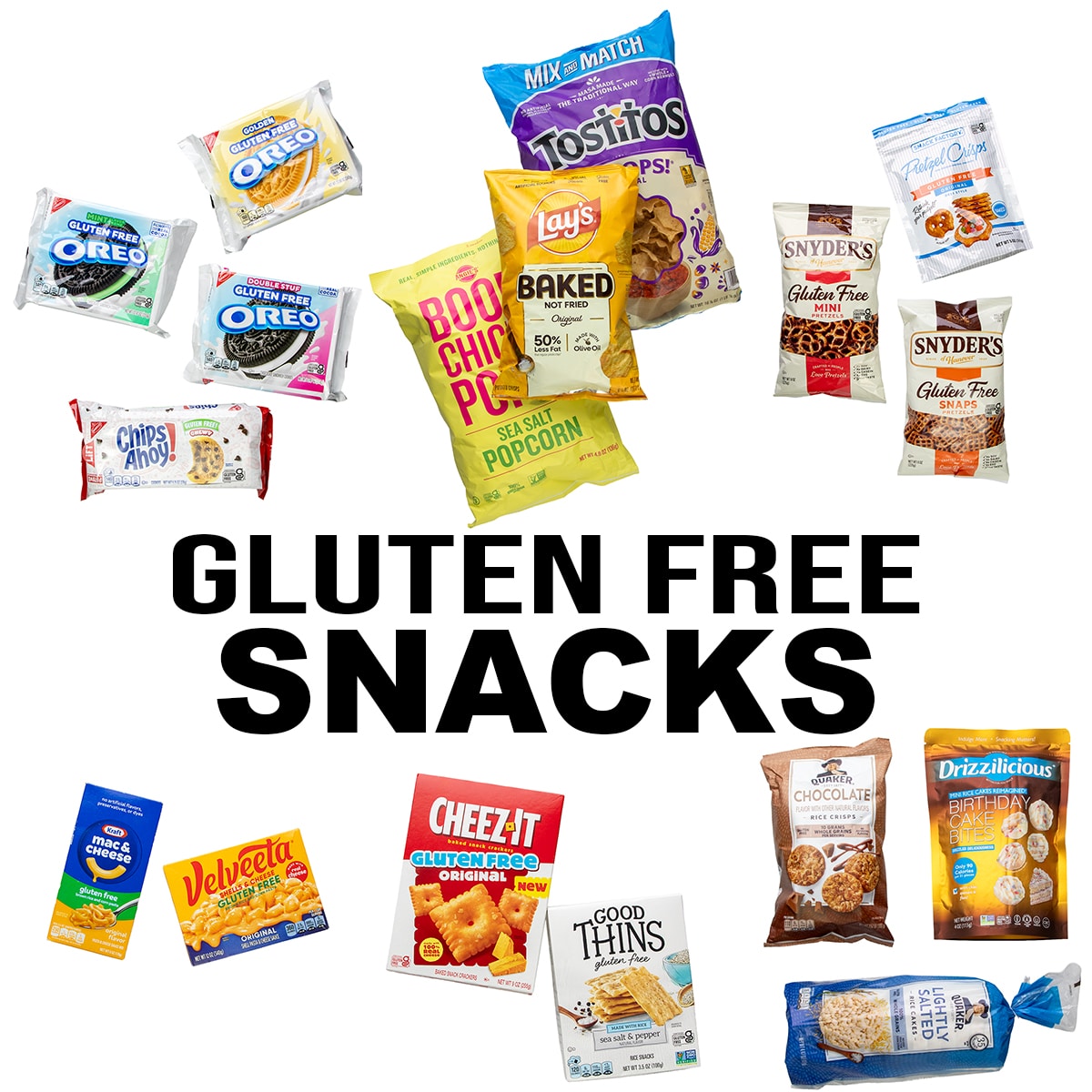
- 2021–Present: The "Real Thing" Standard. We are now in the age of the "Oreo moment." When a titan like Nabisco launches a gluten-free version of an iconic cookie that tastes indistinguishable from the original, the market shifts. It is no longer about finding a substitute; it is about providing the experience itself.
How We Evaluate: The Methodology of Selection
Selecting the right snacks for a gluten-free household is not merely about reading an ingredient list; it is about sensory satisfaction and psychological normalcy. After nearly 20 years of maintaining a gluten-free home, the criteria for a "recommended" snack have become rigorous.
The "Normalcy" Metric
The primary goal for any gluten-free parent is to ensure that their child does not feel ostracized. When a child packs a lunch, they want items that mirror what their peers are eating. If a snack "screams" gluten-free, it often carries a social stigma for younger consumers. The most successful products are those that look, smell, and taste like the versions their friends carry.
Accessibility and Cost-Efficiency
While dedicated gluten-free brands are vital for innovation, they often carry a price markup that is unsustainable for the average family. This guide focuses on mainstream products found in standard grocery stores. By utilizing platforms like Instacart to verify local availability, shoppers can avoid the "specialty store" markup and find reliable, affordable options that are accessible in nearly any zip code.
The Landscape of Safe Snacking: Categorical Breakdown
1. Crackers and the "Naturally GF" Advantage
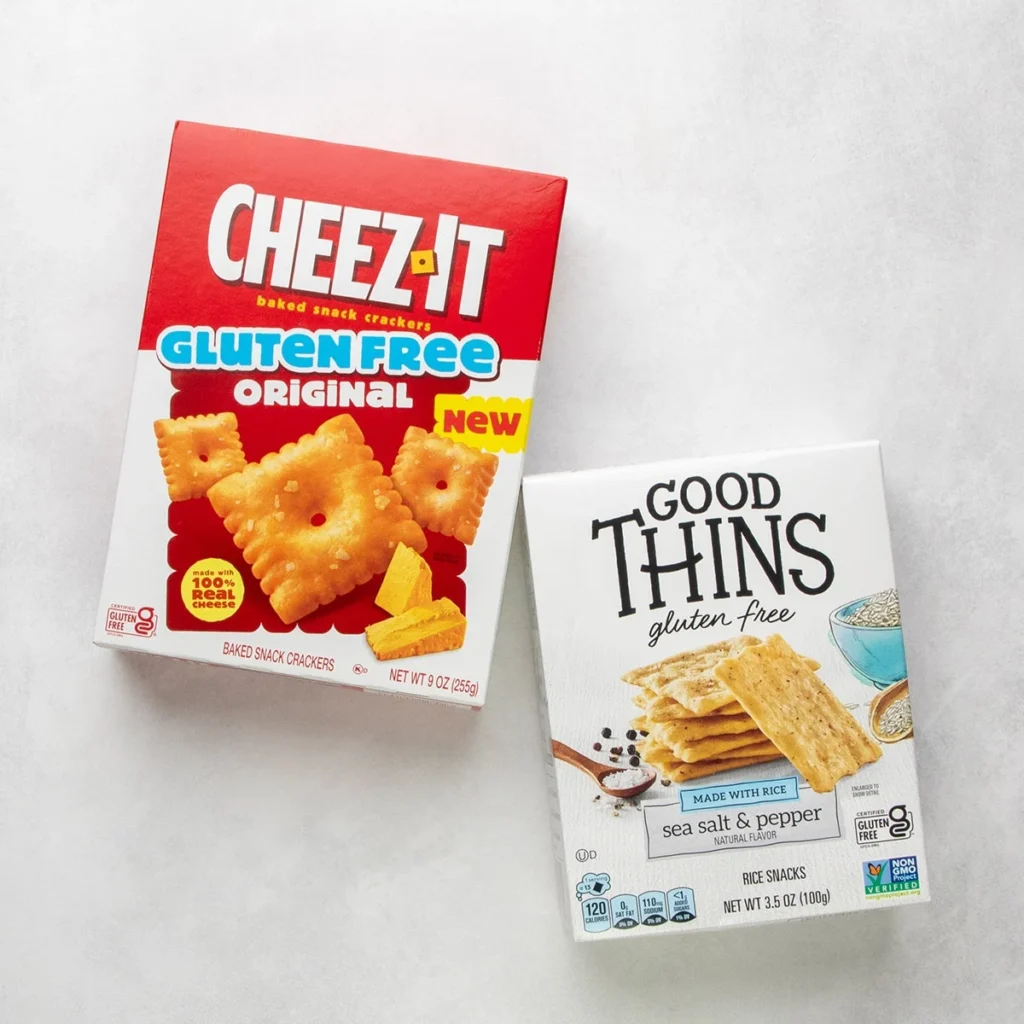
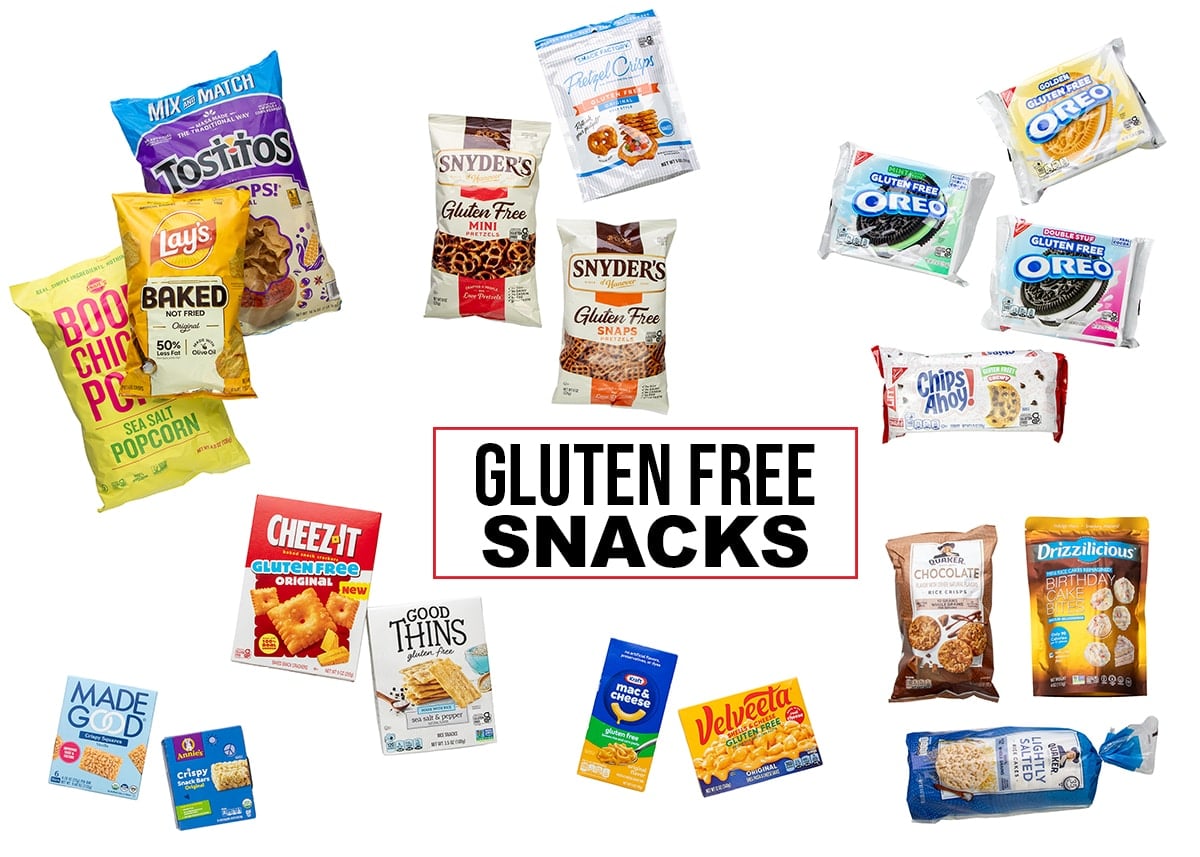
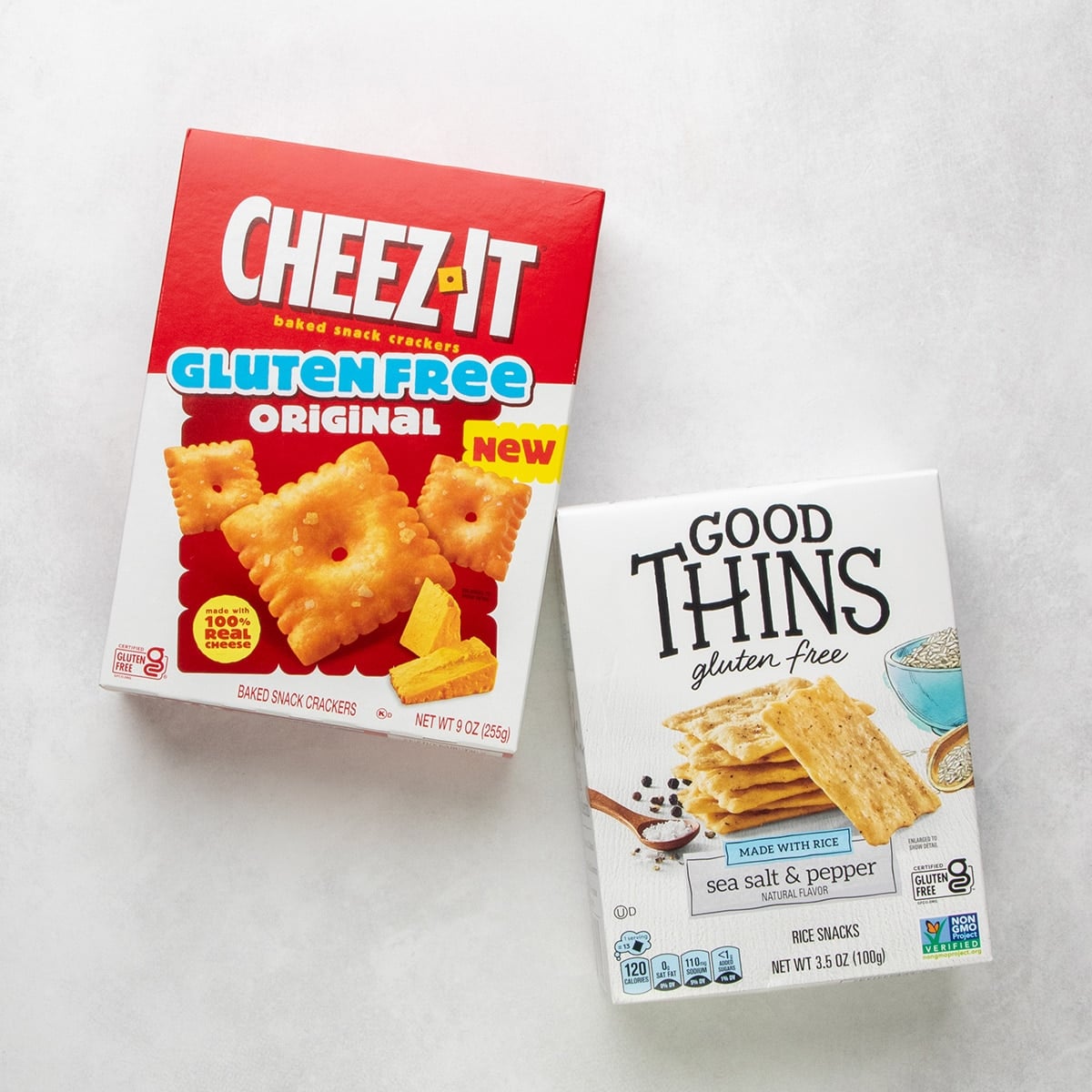
The cracker aisle is a prime example of where consumers can find "hidden" value. Many corn-based crackers, rice crackers, and potato-based crisps are naturally gluten-free. Brands like Good Thins have become a gold standard for their transparency and flavor profiles.
Pro-Tip: Always cross-reference the "contains" statement on the packaging. Large manufacturers like Frito-Lay have invested heavily in allergen labeling, making it significantly safer for the consumer to determine if a product has been produced on shared equipment or in a dedicated facility.
2. The Pretzel Renaissance
For years, the gluten-free pretzel was a brittle, dry imitation of the real thing. Today, the market has exploded. Companies like Snyder’s of Hanover have mastered the art of the gluten-free "snap," providing the necessary crunch and salt balance that traditional pretzels provide. Snack Factory’s gluten-free pretzel crisps have also emerged as a fan favorite for their versatility in dips and charcuterie boards.
3. Boxed Macaroni and Cheese
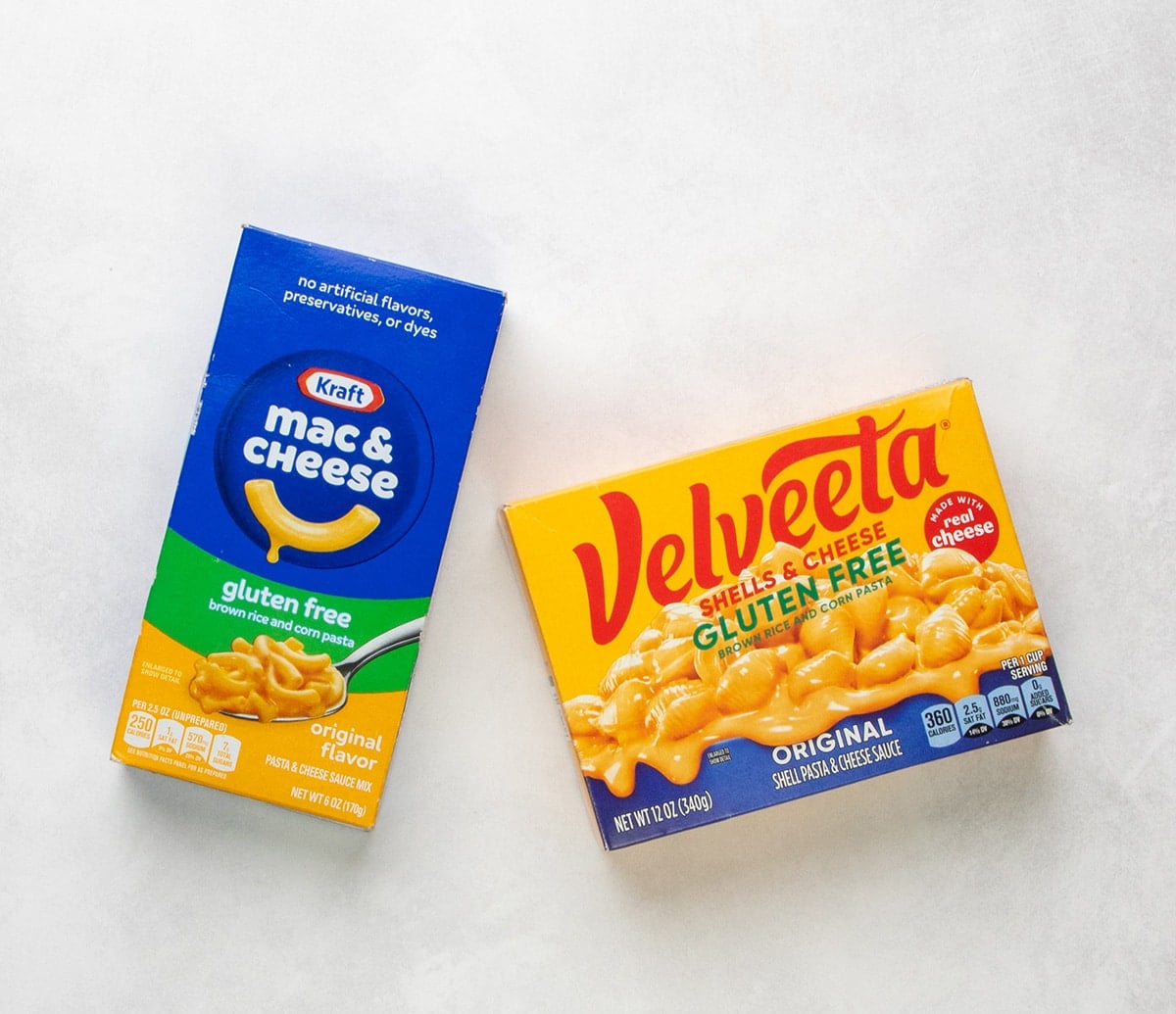
While homemade mac and cheese is a culinary staple, the "boxed" variety serves a different purpose: the quick, comforting, and nostalgic snack. The entry of major players like Kraft and Velveeta into the gluten-free space was a game-changer. These companies have perfected a gluten-free pasta that maintains its structure—a notoriously difficult feat—ensuring that the meal feels like a treat rather than a compromise.
4. Rice Cakes and Crispy Bars
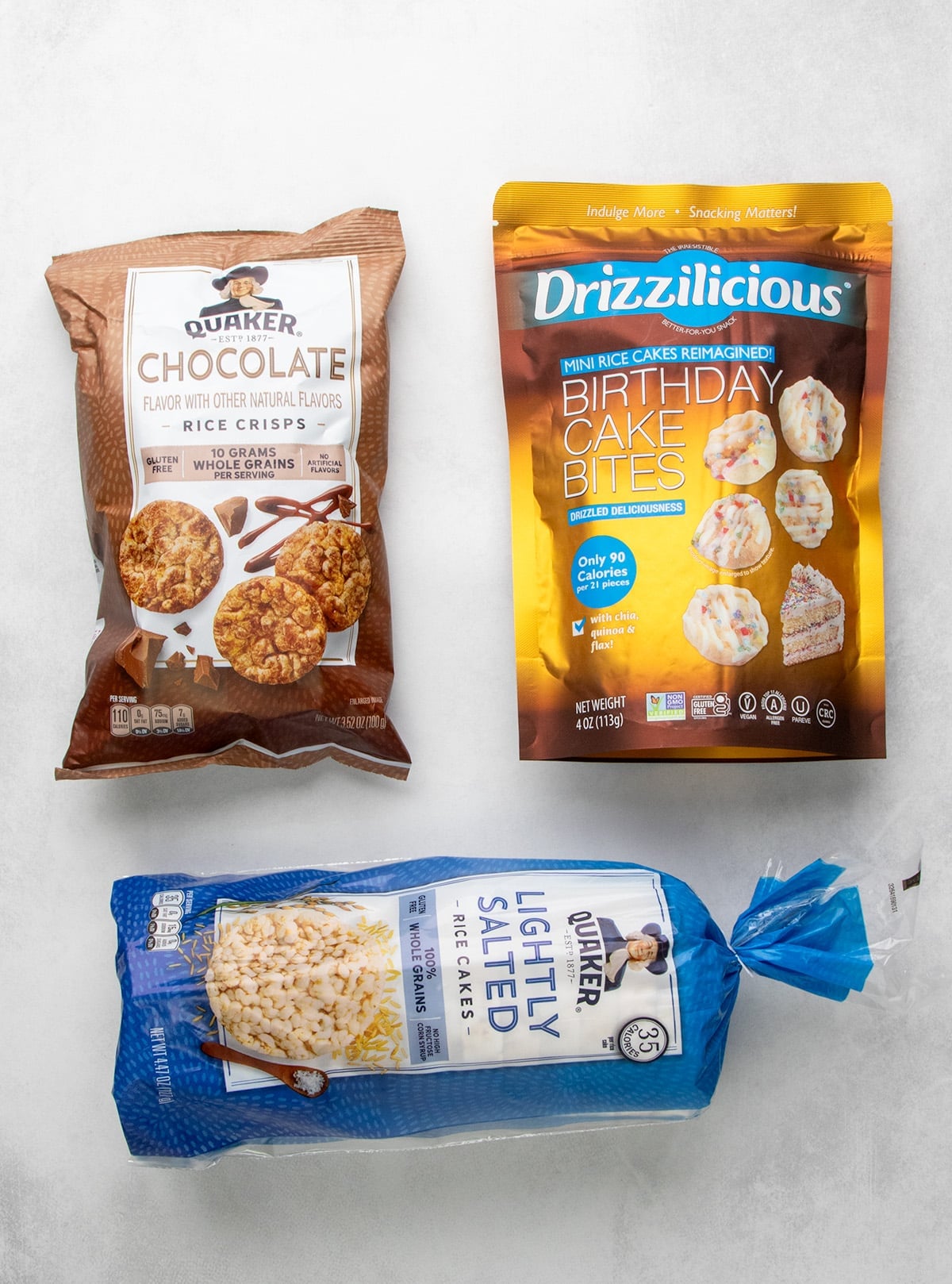
The rice cake has moved beyond the "tasteless disk" reputation. Modern iterations, such as Drizzilicious mini rice cakes, prove that flavor-forward, fun snacking is possible within the gluten-free constraint. Similarly, in the realm of crispy rice bars, brands like Annie’s and MadeGood have filled the void left by traditional brands that utilize barley-derived malt—a hidden gluten source that often keeps mainstream crispy treats off the menu for those with celiac disease.
5. The Nabisco Standard
The introduction of gluten-free Oreos and chewy Chips Ahoy! cookies represents the zenith of current food technology. By utilizing high-quality gluten-free flour blends, these products capture the specific texture of a chewy cookie—something that was previously considered impossible in the gluten-free world. These products are not just "good for gluten-free"; they are simply good, period.
The Economic and Social Implications
The implications of this shift are profound. When major brands produce gluten-free goods, they utilize their massive supply chains to lower costs. This democratization of gluten-free food means that families on a budget are no longer forced to choose between their health and their wallet.
Furthermore, the "normalization" of these items reduces the burden on schools, social gatherings, and workplaces. When a gluten-free snack is something that everyone in the office or classroom recognizes, the social friction of dietary restriction dissipates.
Best Practices for the Modern Consumer
Despite the progress, the golden rule of the gluten-free lifestyle remains: Always check the label.
- Manufacturing Practices Change: Ingredients and facility protocols are not static. A product that was safe six months ago might be manufactured on a new line today.
- Verify via Tech: Use grocery delivery apps to search for specific items in your area. This allows you to check ingredient lists in real-time before you make a trip to the store.
- Buy In-Person: While apps are great for research, buying in-person ensures that the product has been handled with care, reducing the likelihood of "broken" crackers or crushed cookies.
Conclusion: A New Standard of Living
The era of the "disappointing snack" is officially over. As we move forward, the expectation for gluten-free products should be nothing less than excellence. By supporting mainstream brands that prioritize safety and quality, the gluten-free community is effectively telling the food industry that "good enough" is no longer the benchmark.
Whether you are managing a medical condition or choosing a different path for your nutrition, the current market offers more opportunities than ever to enjoy the simple pleasure of a snack that tastes exactly like you remember. The goal has always been to make a gluten-free life feel as normal as possible, and today, that goal is more achievable than ever.