The Promise and Peril of Precision Medicine: Unpacking the Hype of Personalized Genetic Testing
Washington D.C. – In an era defined by rapid scientific advancement, the concept of "precision medicine" and the proliferation of direct-to-consumer (DTC) genetic testing have captured the public imagination. Touted as a revolutionary approach to healthcare, promising tailored treatments and preventative strategies based on an individual’s unique genetic makeup, these innovations have garnered significant investment and widespread media attention. Yet, a growing chorus of experts and accumulating scientific evidence suggest that the enthusiastic embrace of precision medicine may be premature, potentially serving vested interests more than genuine public health, and that consumer DNA testing can range from being utterly useless to actively harmful.
The allure is undeniable. What was once the exclusive domain of research labs, costing an astronomical $100 million two decades ago, now allows individuals to get their entire genetic code sequenced for approximately a thousand dollars. Even partial DNA sequencing, offered by companies like 23andMe, is available for around a hundred dollars, marketed with promises of insights into "ancestry, health, love…and more." This accessibility has fueled a public demand for personalized genetic information, creating a booming market. However, a closer examination reveals significant shortcomings in the validation, accuracy, and practical utility of many of these readily available tests, raising serious questions about their true value and the broader implications for healthcare.
The Unreliable Landscape of Direct-to-Consumer Genetic Tests
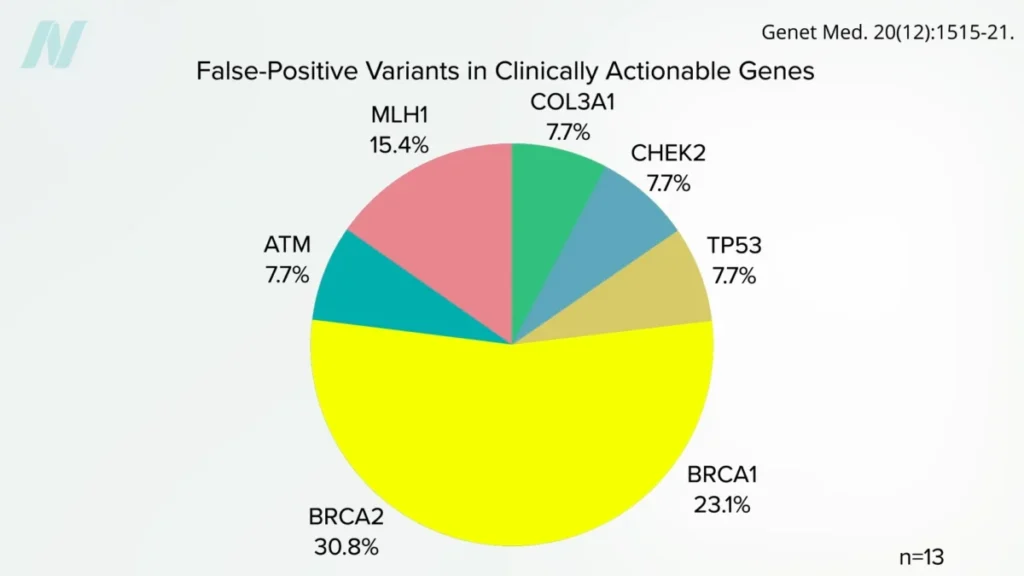
The democratisation of genetic sequencing has been hailed as a triumph of modern science, placing powerful insights directly into the hands of consumers. Yet, this accessibility comes with a significant caveat: the reliability of the information provided. Researchers investigating direct-to-consumer genetic tests have uncovered an "alarmingly high false-positive rate," casting a long shadow over their credibility.
Accuracy Concerns and False Positives:
One of the most concerning findings relates to the accuracy of these tests. Studies have revealed instances where results falsely indicated that individuals carried high-risk genes. For example, in a staggering 40% of cases, test results suggested the presence of the BRCA breast cancer gene – the very mutation that gained international prominence when Angelina Jolie publicly revealed her status. Such false positives are not merely statistical anomalies; they can have profound and distressing consequences for individuals. Believing one carries a high-risk gene, particularly for life-threatening conditions like cancer, can lead to immense psychological stress, anxiety, and potentially, unnecessary and invasive medical interventions. Imagine the emotional toll and the medical costs associated with follow-up diagnostic tests, biopsies, or even preventive surgeries like a double mastectomy, all based on erroneous genetic information.
Variant Misclassification and Commercial Imperatives:
Beyond outright false positives, another critical issue is the misclassification of genetic variants. Even when a test correctly identifies a particular variant, it may erroneously label it as "high risk" when, in scientific reality, its clinical significance is negligible or unknown. This phenomenon highlights a potential conflict of interest. For companies operating in a competitive market, there’s an inherent incentive to deliver "scary outlier results." Such outcomes can validate the customer’s decision to spend money on the test, cultivate a perception of profound personal insight, and even encourage additional, often more expensive, follow-up testing or services. The commercial imperative to generate compelling, albeit potentially misleading, results can thus overshadow the commitment to clinical accuracy and patient well-being. This practice not only undermines trust but also can lead to an unwarranted sense of alarm and, as previously noted, potentially harmful medical decisions.
Limited Predictive Power and the Overwhelming Influence of Lifestyle
While the concept of identifying thousands of common genetic variants that influence complex disease risk is fascinating, the practical utility of this knowledge in guiding individual health decisions remains severely limited. Genome-wide association studies (GWAS) have indeed expanded our understanding of genetic predispositions, yet, as researchers have concluded, "the discovered gene variants do not markedly expand our predictive ability compared with what can be achieved by using only information from long-known traditional risk factors." This critical assessment suggests that the complex interplay of genes is far less influential than readily observable and actionable lifestyle factors.
The Case of Type 2 Diabetes:
Consider Type 2 Diabetes, a global health crisis. Scientists have identified approximately 50 genes linked to an increased risk of the disease. However, when these genetic predispositions are examined against the backdrop of lifestyle, their influence pales in comparison. A landmark study revealed that "obese persons with the lowest genetic risk for diabetes were nearly 5 times more likely to develop the disease than normal-weight persons with the highest genetic risk." This powerful finding underscores a fundamental truth: lifestyle choices, particularly weight management, exert a far more dominant influence on disease risk than inherited genetic variations.
The implications of this disparity are profound. Relying on genetic susceptibility profiles for Type 2 Diabetes can inadvertently send a dangerously misleading message, especially to individuals who are obese. A low genetic risk score could instill a false sense of security, potentially discouraging necessary lifestyle changes. Experts emphatically state that current knowledge about genetic susceptibility for Type 2 Diabetes "has no implications for decisions about who should be targeted for intensive lifestyle interventions." The unequivocal message remains: everyone with excessive body fat, irrespective of their genetic blueprint, must prioritize weight reduction to mitigate their diabetes risk. The elegance of personalized genetic insight collapses under the weight of universal health recommendations rooted in established science.
The Myth of Personalized Nutrition’s Superiority:
Another prominent area where precision medicine has been championed is personalized nutrition. A highly publicized study once claimed that individually tailored dietary interventions could significantly improve blood sugar responses, leading some commentators to question the efficacy of universal dietary guidelines. However, a closer reading of the study reveals a different picture. The results did not demonstrate significant interpersonal variation in relative blood sugar responses, nor did they prove that the personalized model was superior to existing methods for detecting high blood sugars. Crucially, the study failed to show that personalized nutrition advice outperformed standard dietary recommendations in managing post-meal blood sugar spikes. This highlights a recurring theme: the promise of individualized genetic insights often fails to deliver practical advantages over well-established, evidence-based public health advice.
The Failure to Motivate Behavioral Change
A cornerstone argument for precision medicine and genetic risk counseling has been its potential to motivate individuals to adopt healthier lifestyles. The hope was that by making a person’s genetic predispositions explicit, it would act as a powerful catalyst for preventative action. This concept was explicitly embedded in initiatives such as the 2015 presidential push for precision medicine, with the stated aim of empowering individuals to take a more active role in their own health. However, available evidence consistently refutes this optimistic premise.

Studies on Behavioral Impact:
Numerous studies have investigated whether genetic risk information translates into tangible behavioral changes. In a "somewhat forlorn bid to regain credibility," the notion that "knowledge of individual genetic risk profile has been touted as effective in motivating test-positive individuals to commit more strenuously to relevant disease prevention efforts." Yet, research consistently shows this claim to be unfounded.
For instance, studies randomizing individuals to receive comprehensive genetic tests, profiling their risks for up to 40 different diseases, have yielded disappointing results. One such study involving Navigenics, a company that aimed to "empower people with personal genetic insights to help motivate them to improve their health," found no measurable changes in diet or lifestyle, even in the short term. Similarly, research designed to assess whether personalized nutrition insights could lead to healthier eating habits showed no significant differences in diet at three or six months compared to control groups who received standard information. Consequently, there were no observable improvements in key biomarkers such as weight, belly fat, or cholesterol levels.
The Unchanging Bottom Line:
When all these studies are aggregated, a clear pattern emerges: providing individuals with DNA-based risk estimates does not reliably alter health behaviors. Whether it’s informing smokers of a particular genetic susceptibility to lung cancer, or advising individuals that they "especially" need to eat healthy or be physically active, the outcomes remain largely unchanged. The expectation that genetic awareness will drive behavioral modification is not supported by the existing scientific evidence. This casts serious doubt on the "empowerment" narrative that frequently accompanies the promotion of precision medicine.
The Illusion of Empowerment and the Medical-Industrial Complex
The emphasis on "personal empowerment" within the discourse of precision medicine is a powerful marketing tool. It resonates with contemporary values of autonomy and self-determination. However, critics argue that this narrative is largely illusory, serving broader economic and political agendas rather than genuinely empowering patients.
A Marketing Ploy, Not True Empowerment:
Far from empowering individuals, the intricate and often ambiguous nature of genetic information can leave patients feeling more, rather than less, reliant on expert authority. Navigating complex genetic reports, understanding statistical probabilities, and interpreting clinical significance often requires specialized knowledge, effectively transferring power from the individual to the genetic counselor, physician, or company providing the test. Moreover, the "personal" aspect is often exaggerated; as established, the genetic contributions to most complex diseases are relatively small compared to the profound impact of daily lifestyle choices.
The persistent promotion of patient empowerment as a "cardinal virtue" in precision medicine, despite the lack of evidence for its behavioral impact, is not accidental. It "exploits the appeal… to generate political and public support" for an "increasingly industrialized medical-industrial and scientific complex, which moves trillions of dollars around the globe." This isn’t a shadowy conspiracy theory, but rather a reflection of how systemic forces operate within a finance-based healthcare system.
Vested Interests and Systemic Misalignment:
The stark reality is that "healthy living directly threatens many powerful corporations." A population that eats less sugar, consumes less meat, and adopts healthier lifestyles reduces the demand for doctors, drugs, and costly medical interventions. Yet, the United States, seemingly "willfully blind to this evidence," continues to channel the overwhelming majority of its healthcare dollars into clinical care – essentially, cleaning up the lifestyle-induced messes rather than preventing them. This fundamental misalignment explains why the U.S. far outspends other developed nations on healthcare while simultaneously exhibiting worse health outcomes and lower life expectancy.
The "overrated ‘precision medicine’ promises may be serving vested interests," by "justifying the exorbitant healthcare expenditure in our finance-based medicine." The dazzling "whiz-bang technology" of advanced diagnostics and targeted therapies, while impressive, often fails to address the root causes of chronic disease. It perpetuates a cycle where complex, high-cost solutions are prioritized over simple, effective, and often less profitable preventive measures.
Conclusion: Back to Basics for True Health
The fascination with precision medicine and direct-to-consumer genetic testing is understandable, given the captivating narratives of scientific progress and personalized care. However, a critical evaluation of the evidence reveals significant caveats: unreliable test results, limited predictive power compared to traditional risk factors, and a consistent failure to motivate sustained behavioral change. The compelling rhetoric of "empowerment" often masks a system that continues to prioritize technological interventions and complex solutions, inadvertently serving vast economic interests, rather than fostering genuine public health through foundational lifestyle changes.
Ultimately, while the future of genetic medicine may hold genuine promise, for the vast majority of individuals seeking to optimize their health, the path remains clear and remarkably low-tech. As experts succinctly advise: "Let’s start with the basics. Eat your broccoli, take the stairs, and don’t worry about whether you have a 5.6 percent or 7.7 percent lifetime risk for a grave disease because either way, a sensible lifestyle is the healthiest choice." The real precision in medicine, it seems, lies not in deciphering every letter of our genetic code, but in the timeless wisdom of balanced nutrition, regular physical activity, and fundamental preventive care. These are the truly personalized interventions that empower individuals to take control of their health, irrespective of their genetic blueprint.