The Reality of the Rural Dream: A Seven-Year Retrospective on Modern Homesteading and the Myth of Self-Sufficiency
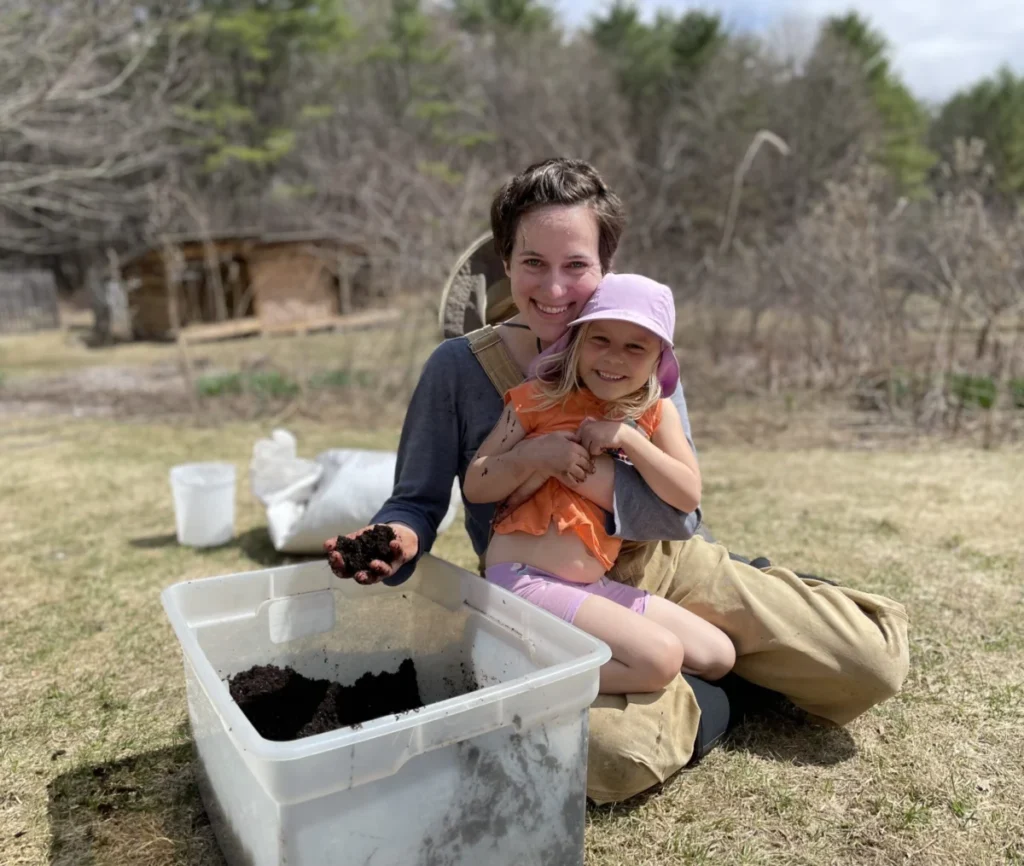
VERMONT — In May 2016, the founders of the popular personal finance and lifestyle platform Frugalwoods transitioned from a fast-paced urban existence to a 66-acre homestead in the rural woods of Vermont. The move was predicated on a vision of radical self-sufficiency, fueled by what many "back-to-the-land" enthusiasts describe as an idyllic, sustainable, and organic paradise. However, seven years into the experiment, the reality of rural living has necessitated a profound shift in philosophy, moving away from the "all-consuming" pursuit of total food independence toward a more balanced, community-integrated lifestyle.
This retrospective examines the evolution of the Frugalwoods homestead, the logistical challenges of small-scale agriculture, and the psychological transition from perfectionist homesteader to a pragmatic rural resident.
Main Facts: The Transition from Urban Rat Race to Rural Reality
The core motivation behind the Frugalwoods move was a desire for autonomy—specifically, the freedom to exit the traditional "city rat race" and replace corporate pressures with land-based labor. Upon arrival at their 66-acre property in May 2016, Nate and Elizabeth Willard (known to their audience as Mr. and Mrs. Frugalwoods) operated under several significant assumptions. The most prominent among these was the "gargantuan assumption" that they would eventually grow, raise, and preserve 100% of their own food.
The initial vision was comprehensive: rows of flourishing vegetables, meat chickens, pigs, goats, and a dairy cow for home-churned butter and cheese. While technically achievable, the family discovered that the labor required to maintain such a system constitutes a grueling, full-time profession.
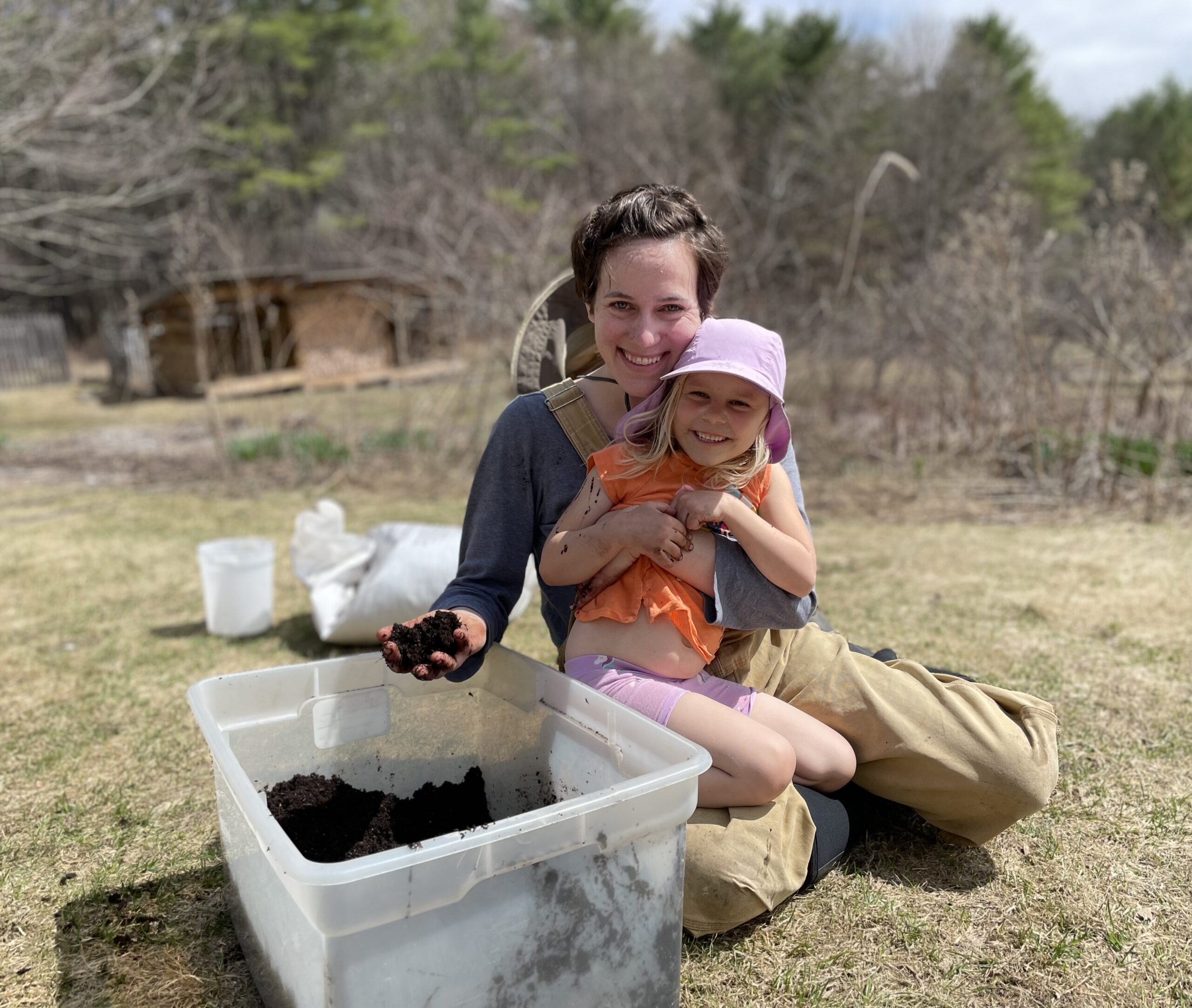
Seven years later, the family has largely debunked the myth of total self-sufficiency for their specific context. Instead of a closed-loop system, they have opted for a "hybrid" model: growing a manageable portion of their produce while financially supporting local professional farmers. This shift highlights a critical realization in the modern homesteading movement: that the "chains" of a vegetable garden can be just as restrictive as the "chains" of a corporate desk if the labor is driven by external pressure rather than internal joy.
Chronology: Seven Years of Growth and Recalibration
2016: The Arrival and the Idyllic Vision
The journey began on May 18, 2016. The first year was characterized by "preconceived notions" and the installation of basic infrastructure. The family faced immediate challenges, such as losing power and water for a week during a winter ice storm—an event that underscored the difference between dreaming of the country and surviving it.

2017–2018: The Escalation and the "Apocalypse"
During the second and third years, the family intensified their agricultural efforts. This period was marked by the construction of the "big" vegetable garden and the planting of dozens of crops. It culminated in the "Kale and Chard Apocalypse of 2018," where the family planted 80 individual kale and chard plants. The resulting harvest was so massive it required a baby pool for a washing station and days of grueling labor to process.
2019–2021: Infrastructure Development
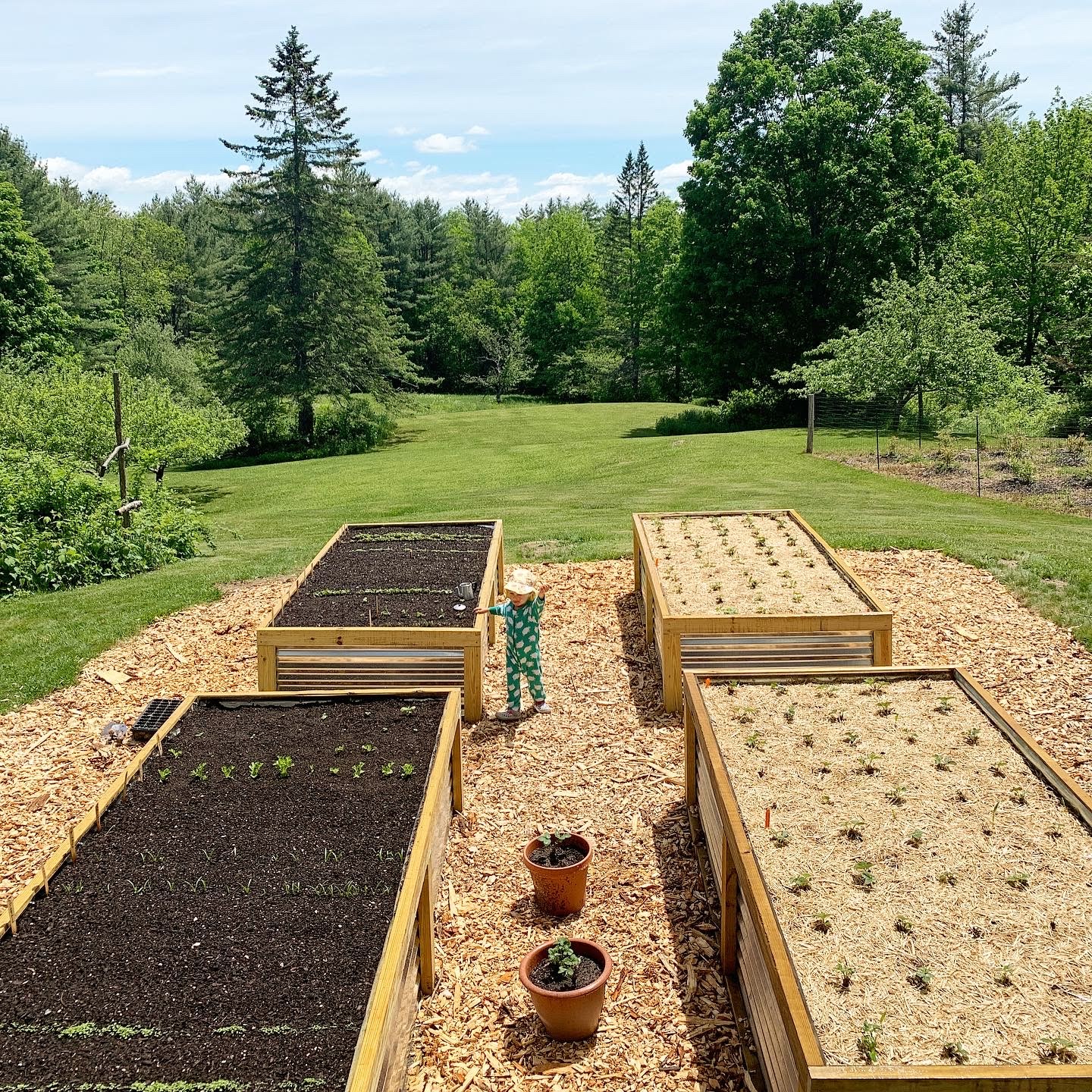
Following the exhaustion of 2018, the family focused on permanent infrastructure. In 2020, they constructed four raised beds near the back porch to prioritize "proximity gardening"—growing high-use items like herbs and strawberries close to the kitchen. During this time, they also installed cattle panels for vertical growing and expanded their perennial fruit plantings.

2022–2023: The Shift to Acceptance
The current phase of the homestead is defined by "acceptance." The family has moved away from the guilt of not being "perfect" homesteaders. They have stabilized their gardening routine to a "rinse and repeat" cycle, focusing on what brings them pleasure rather than what fulfills a social media-driven standard of self-reliance.
Supporting Data: The Logistics of the Modern Homestead
The Frugalwoods’ experience provides a data-rich case study on the hidden costs and time requirements of small-scale food production.

The "Big" Vegetable Garden vs. Raised Beds
The family currently maintains two primary annual growing areas:
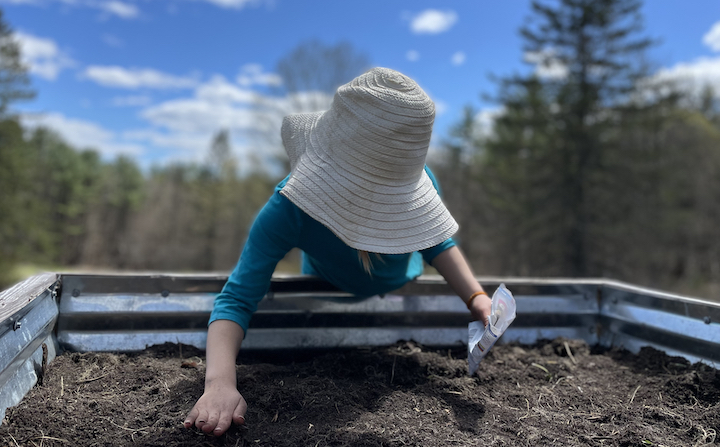
- Four Raised Beds: Located adjacent to the porch, these beds focus on strawberries, herbs (parsley, sage, rosemary, thyme), and greens (lettuce, spinach). This setup prioritizes "convenience harvesting," reducing the time cost of preparing meals.
- The "Big" Fenced Garden: This area utilizes cattle panels—an efficient vertical growing solution that eliminates the need for individual trellising. Key crops include tomatoes, beans, squash, snap peas, cucumbers, and peppers.
The Perennial Investment
One of the most significant "data points" in homesteading is the time-to-harvest ratio for perennials. Unlike annuals, which provide immediate returns, perennials require years of maintenance before production peaks:

- Apple Trees: Approximately 6 years to bear fruit.
- Blueberry Bushes: Approximately 2 years for a viable harvest.
- Current Stock: The homestead now manages apple trees, pear trees, peach trees, cherry trees, plum trees, elderberry bushes, blueberry bushes, raspberry bushes, and asparagus.
The "Clever Varmint Patrol" (CVP) and Crop Loss
A recurring challenge is the loss of produce to local wildlife, colloquially dubbed the "Clever Varmint Patrol." Despite using fences, netting, and chicken-wire cages, the family reported that wild turkeys and other animals frequently harvest the fruit the moment it reaches peak ripeness. This "uncontrollable variable" is a major factor in why self-sufficiency is difficult to guarantee without industrial-grade intervention.
Official Responses and Perspectives: The Philosophy of Frugal Homesteading
While there are no "official" regulatory bodies for personal homesteading, the Frugalwoods’ journey reflects a growing dialogue within the agricultural and personal finance communities regarding the "sunk cost" of self-sufficiency.

The Myth of the "Perfect Homesteader"
Elizabeth Willard notes that she had to "divorce" herself from the self-imposed pressure to live up to the standards set by books, blogs, and Instagram. "I’d succeeded in transplanting the stress and anxiety of my office job onto my gardening," she observed. This sentiment is echoed by many rural transplants who find that the "homesteading rat race" can be as taxing as the urban one.
Supporting the Local Economy
A key strategic shift has been the decision to buy food from neighboring farmers. By acknowledging that full-time farmers are "a lot better at it" than hobbyists, the family has transitioned from being competitors in a subsistence race to being active participants in a local food economy. This supports regional food security while freeing up the family’s time for other pursuits.

Implications: The Future of Rural Living and Personal Freedom
The Frugalwoods’ seven-year retrospective offers several implications for those considering a move to a rural environment or a transition to homesteading.
1. The Value of Time vs. The Value of Produce
The primary lesson learned is that time is the most valuable currency on a homestead. The labor required to process 80 kale plants or can 100 quarts of pickles is time that cannot be spent on family, community, or rest. For the Willards, the "whole point" of moving to Vermont was to gain time and freedom. When the garden begins to "sap all time and energy," it becomes counterproductive to the original goal of the lifestyle change.

2. The Necessity of Moderation
The 2023 outlook for the Frugalwoods is one of "moderation." They still make applesauce, freeze berries, and dry herbs, but they no longer feel the need to preserve "every single cucumber." This moderate approach ensures that the skills of homesteading—canning, dehydrating, and gardening—remain "nifty skills" to teach their children rather than burdensome chores.
3. The "Infrastructure Phase" vs. The "Maintenance Phase"
The article highlights that the first few years of a homestead are disproportionately difficult due to the "staggering" amount of infrastructure setup required. Once the fences are built, the raised beds are filled, and the perennial trees are established, the homestead enters a maintenance phase. Understanding this timeline is crucial for prospective homesteaders to avoid early burnout.
4. Redefining Success
Ultimately, the Frugalwoods have redefined what it means to be a "successful" homesteader. Success is no longer measured by the percentage of food grown on-site, but by the level of gratitude and joy the family feels while living on their land. Whether they are harvesting a full crop or simply taking their children to a local lake while their neighbors manage the heavy agricultural lifting, the focus has shifted to the "freedom and space" that rural life provides.
In conclusion, the Frugalwoods’ journey serves as a cautionary yet encouraging tale for the modern era. It suggests that while the dream of the "organic paradise" is valid, the most sustainable way to live rurally is to embrace imperfection, support the local community, and prioritize personal time over the pursuit of an idyllic, but exhausting, self-sufficiency.