The Unseen Power of Legumes: How Beans, Chickpeas, and Soybeans Block Cancer’s Invasion
MAIN FACTS
The global fight against cancer is at a critical juncture. Despite billions poured into advanced chemotherapies, the burden of cancer treatment is projected to surge by 70% in the coming two decades. This alarming statistic underscores a fundamental flaw in our current approach: an over-reliance on "mopping up the mess" with expensive, often debilitating drugs, rather than "turning off the faucet" through effective prevention. While pharmaceutical interventions face significant hurdles regarding cost and side effects for prophylactic use, compelling evidence suggests that the dietary bioactive compounds found abundantly in whole plant-based foods possess potent anticancer and chemopreventive properties.
A pivotal area of focus in this dietary defense against cancer lies in inhibiting Matrix Metalloproteinase (MMP) enzymes. These enzymes are the critical enablers of cancer metastasis – the process by which cancer cells tunnel through surrounding tissues, invade blood or lymph vessels, and establish new, often deadly, tumors elsewhere in the body. Metastasis accounts for approximately 90% of cancer-related deaths, making its prevention a paramount objective. Recent research highlights specific legumes – including lupin beans, chickpeas, and soybeans – as remarkably effective natural inhibitors of MMP activity, offering a promising, accessible, and side-effect-free strategy in the battle against cancer’s spread.
CHRONOLOGY: The Escalating Battle Against Cancer and the Search for Solutions
For decades, the primary strategy against cancer has revolved around aggressive treatment once the disease manifests. This approach, while advancing, has led to a spiraling crisis. The projected 70% increase in cancer treatment costs over the next 20 years, as indicated by recent analyses, is unsustainable. A significant portion of these expenditures is directed towards chemotherapy, a treatment modality that, despite its advancements, often comes with a steep price, both financially and in terms of patient quality of life. Studies have candidly revealed that "cancer drugs often impair quality of life and fail to extend patient survival." This stark reality forces a difficult question: are patients sacrificing their well-being and financial security for treatments that may offer little to no tangible benefit? The ethical imperative to demand clinically significant benefits from pharmaceutical interventions is gaining traction, prompting a reevaluation of research and development priorities within the industry. If the focus shifted from merely shrinking primary tumors to aggressively targeting metastatic spread – the true arbiter of cancer fatality – the landscape of cancer treatment could be fundamentally reshaped.
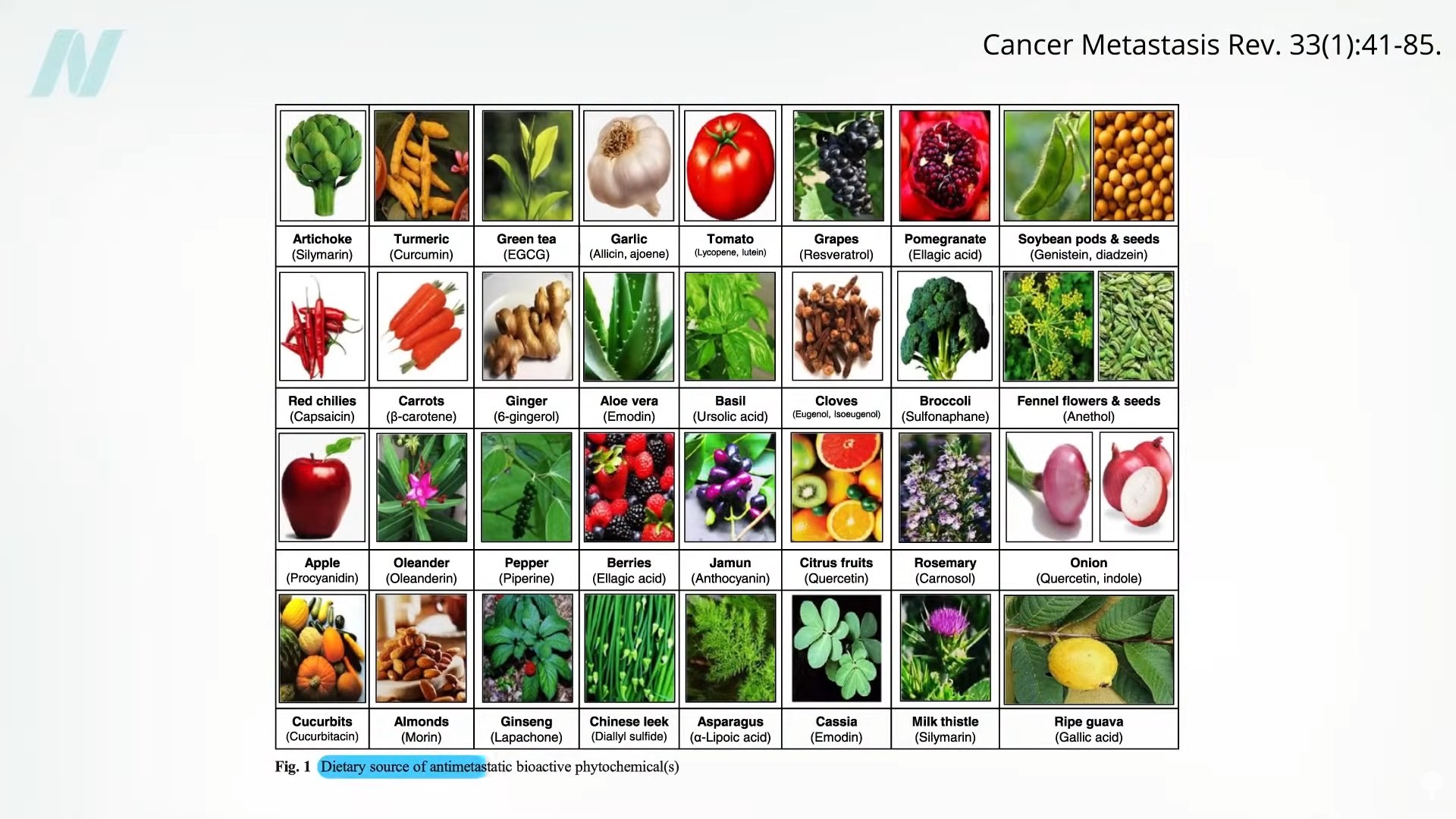
This ongoing re-evaluation has coincided with a growing understanding of cancer’s complex biology. Scientists have identified "hallmarks of cancer," a set of biological capabilities acquired by cancer cells during their development. These include sustaining proliferative signaling, evading growth suppressors, resisting cell death, enabling replicative immortality, inducing angiogenesis (new blood vessel formation), activating invasion and metastasis, reprogramming energy metabolism, and evading immune destruction. Crucially, research increasingly points to diet and nutrition as having a profound impact on these very hallmarks. A dietary pattern characterized by minimal animal products and maximal plant foods—rich in fruits (especially berries), vegetables (especially greens), legumes (beans, split peas, chickpeas, lentils), nuts and seeds (especially flaxseeds), onions, garlic, mushrooms, herbs and spices (like turmeric), and beverages like green tea—appears to offer a comprehensive defense.

The historical trajectory of pharmaceutical development has seen attempts to create drugs specifically targeting MMPs. These matrix metalloproteinase inhibitor drugs showed great promise in animal models, effectively halting cancer progression. However, when translated to human trials, these drugs frequently caused severe side effects, leading to their discontinuation. This setback underscored the need for alternative, safer methods to combat MMP activity, shifting scientific attention towards natural compounds.
SUPPORTING DATA: Legumes Emerge as Potent Inhibitors of Metastasis
The concept of controlling metastatic cancer through natural bioactive compounds found in plants is not new, but the specificity and efficacy demonstrated by certain legumes are particularly compelling. In vitro studies, conducted in petri dishes, have "proven that [plant] phytochemicals are able to inhibit nearly every step of the invasion-metastasis cascade." This indicates a broad spectrum of anti-metastatic action, suggesting plants are not just targeting one pathway but multiple mechanisms essential for cancer spread.
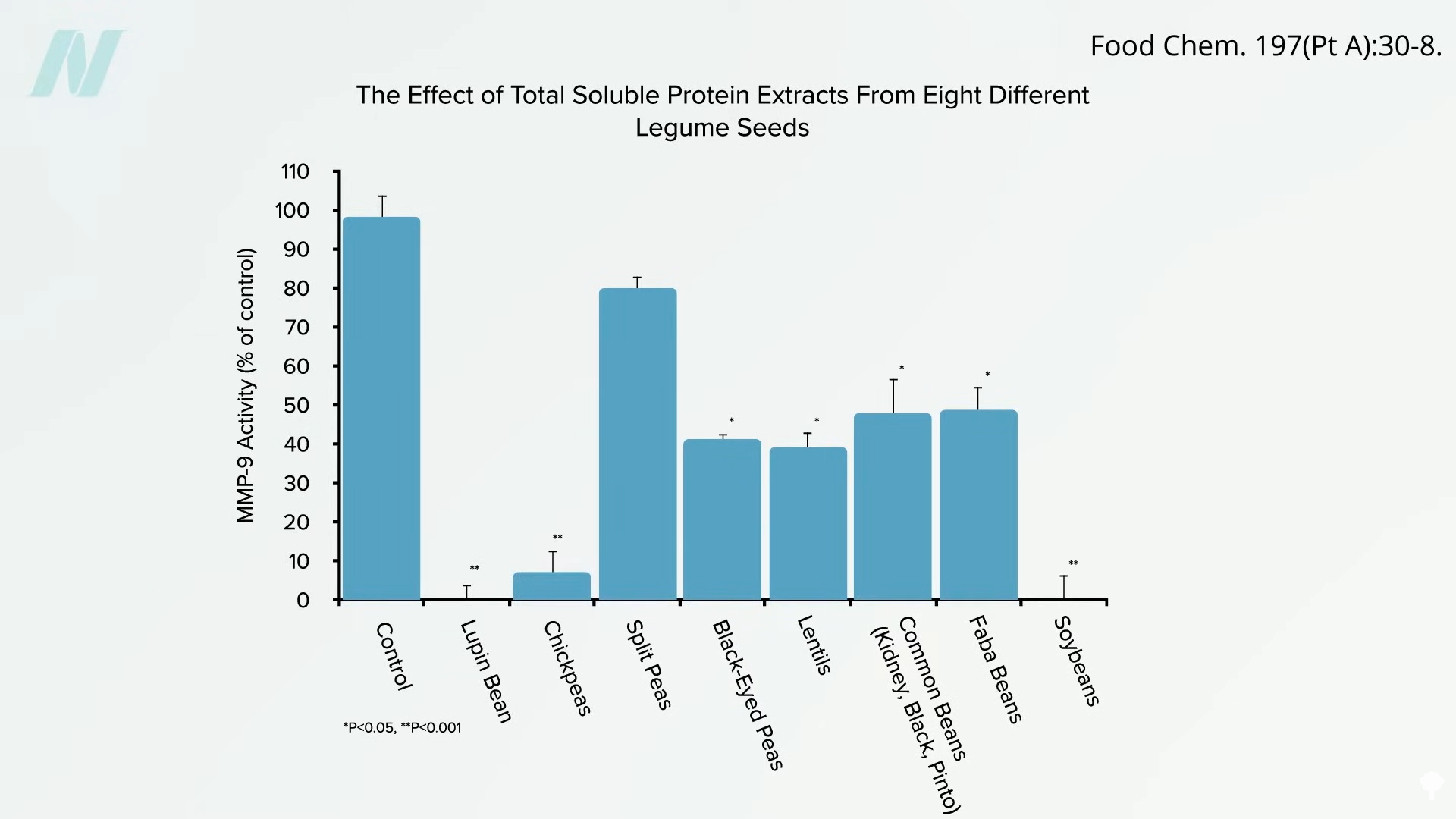
Among the various anti-metastatic phytochemicals identified, specific proteins within legumes have garnered significant attention for their ability to reduce MMP activity. Researchers embarked on a comparative study, testing eight different types of legumes: lupin beans, chickpeas, split peas, black-eyed peas, lentils, common beans (such as kidney, black, or pinto), fava beans, and soybeans. The objective was to identify which of these common dietary staples held the most potent MMP-inhibiting properties.
The results were striking. In control samples without any legume proteins, matrix metalloproteinase activity churned at approximately 100%. While some legumes, like split peas, offered modest inhibition, others demonstrated substantial reductions. Black-eyed peas, lentils, common beans, and fava beans effectively cut enzyme activity by more than 50%. However, a trio of legumes stood out, slashing MMP activity by an impressive more than 90%: lupin beans, chickpeas, and soybeans. This profound inhibition suggests these particular legumes possess unique compounds or combinations of compounds that are exceptionally effective at disarming the enzymes critical for cancer invasion.
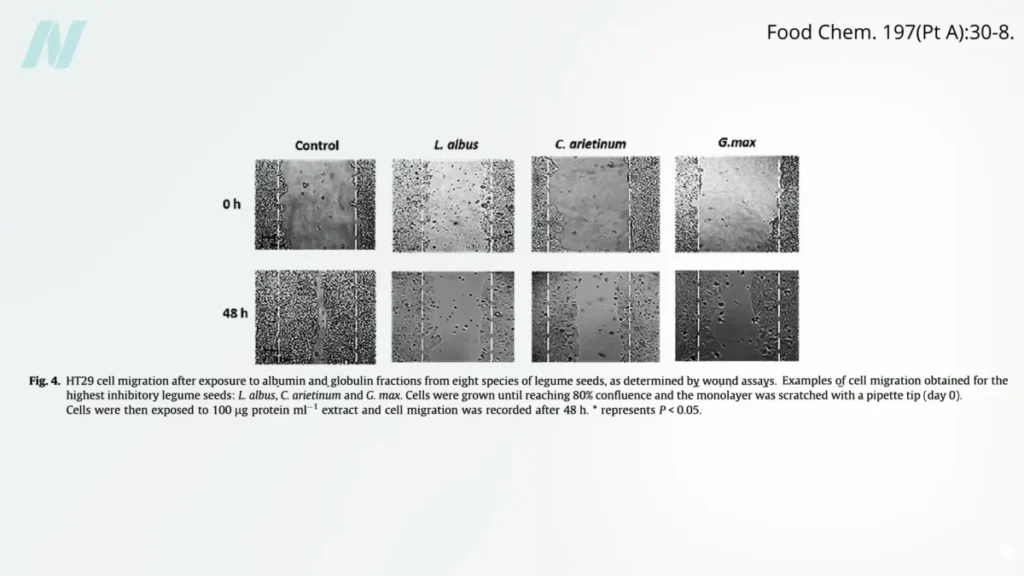
To further validate these findings, researchers conducted an experiment simulating cancer cell migration. Human colon cancer cells were cultured in a petri dish, and a "wound" was created by clearing a strip down the middle. In untreated samples, the cancer cells rapidly migrated to close the gap within 48 hours, demonstrating their invasive potential. When protein extracts from lupin beans, chickpeas, or soybeans were introduced, a dramatically different picture emerged. The cancer cells struggled to close the distance, indicating a significant impairment of their migratory capabilities. This direct observation provides powerful in vitro evidence that these legumes not only inhibit the enzymes but also functionally impede cancer cell movement.
A crucial consideration for dietary interventions is the stability of beneficial compounds during cooking. The initial experiments utilized raw bean extracts, raising questions about whether these anti-cancer proteins would survive typical culinary preparation. Subsequent research specifically investigated this, finding that the matrix metalloproteinase inhibitors in soybeans, at least, remained active even after cooking. This is a significant finding, as it means the health benefits are accessible through everyday consumption of cooked legumes.
The impact of legumes extends beyond direct MMP inhibition. Epidemiological studies have consistently shown that regular consumption of legumes reduces the risk of colorectal cancer. While this could be partly attributed to the direct contact of bean proteins with the inner lining of the colon, their systemic benefits are also noteworthy. Individuals adhering to vegetarian diets, which are typically rich in legumes, exhibit significantly lower levels of matrix metalloproteinases in their bodies. This reduction is often attributed to the overall lower inflammatory state associated with plant-based eating, similar to how non-smokers also display reduced MMP levels. This is a crucial point, as MMPs are not merely cancer biomarkers; their uncontrolled activity is implicated in a range of other serious health conditions, including autoimmune diseases and cardiovascular disease. The destructive nature of these enzymes can hack through inflamed, cholesterol-filled atherosclerotic lesions, leading to plaque rupture, a primary cause of heart attacks and strokes. Therefore, the consumption of plant-based diets, abundant in legumes, offers a multi-faceted protective effect, reducing the risk of heart disease and significantly lowering cancer risk, particularly for those who adopt strictly plant-based dietary patterns.
OFFICIAL RESPONSES: The Evolving Stance of the Scientific and Medical Community
While specific "official responses" to this particular legume research might still be emerging in mainstream medical guidelines, the broader scientific and medical community is increasingly acknowledging the profound role of diet in cancer prevention and management. Major health organizations worldwide, including the American Cancer Society, the World Cancer Research Fund, and the American Institute for Cancer Research, consistently emphasize the importance of a plant-rich diet for reducing cancer risk. These recommendations are based on a growing body of evidence that aligns with the findings presented here: that whole plant foods, rich in bioactive compounds, can modulate biological pathways critical to cancer development and progression.
The shift towards integrating nutritional science into oncology is gradual but accelerating. There’s a growing call for more comprehensive dietary counseling for cancer patients and survivors, moving beyond generalized healthy eating advice to specific recommendations grounded in evidence-based research. The understanding that dietary phytochemicals can act as natural chemopreventive agents and even complement conventional therapies is gaining traction. This research on legumes and MMPs provides concrete mechanistic insights into how specific foods exert their protective effects, bolstering the argument for dietary interventions as a cornerstone of cancer prevention strategies. While clinical trials directly testing specific legumes as MMP inhibitors in human cancer patients are still needed to fully translate these in vitro findings, the existing evidence strongly supports their inclusion in a health-promoting diet.
IMPLICATIONS: A Paradigm Shift Towards Preventative Nutrition
The implications of this research are far-reaching, pointing towards a paradigm shift in our approach to health and disease. If accessible, affordable, and delicious foods like lupin beans, chickpeas, and soybeans can effectively inhibit the enzymes responsible for cancer’s deadly spread, the potential impact on public health is immense.
Firstly, from an economic perspective, promoting dietary prevention through common legumes could significantly alleviate the escalating financial burden of cancer treatment on individuals and healthcare systems. Instead of selling homes to pay for drugs that may offer little benefit, individuals could invest in a diet rich in plant-based foods, a far more sustainable and equitable solution.
Secondly, this research empowers individuals with actionable knowledge. It translates complex biological mechanisms into tangible dietary choices. Knowing that a bowl of lentil soup or a chickpea salad can actively work to disarm cancer’s invasive machinery offers a sense of control and agency in personal health management. This moves beyond abstract "healthy eating" to a targeted, evidence-based approach to cancer prevention.
Thirdly, the holistic benefits of a legume-rich, plant-based diet extend far beyond cancer. By also reducing inflammation and mitigating risks for cardiovascular disease and autoimmune conditions, these dietary choices contribute to overall longevity and quality of life. This reinforces the idea of food as medicine, not as a replacement for necessary medical care, but as a powerful foundational pillar of health.
Finally, this research highlights the vast untapped potential of natural compounds. It encourages further exploration into the intricate biochemistry of plants and their capacity to offer safe, effective solutions to some of humanity’s most pressing health challenges. As we move forward, integrating these nutritional insights into public health campaigns, medical education, and clinical practice will be crucial. The simple, humble legume, it seems, holds a powerful key to unlocking a future where cancer’s devastating spread can be significantly curtailed, not just with advanced drugs, but with the very food we choose to put on our plates. The time has come to turn off the faucet, one bean at a time.