The Rise of Budget-Conscious Slow Cooking: Deconstructing the Mississippi Chicken Phenomenon
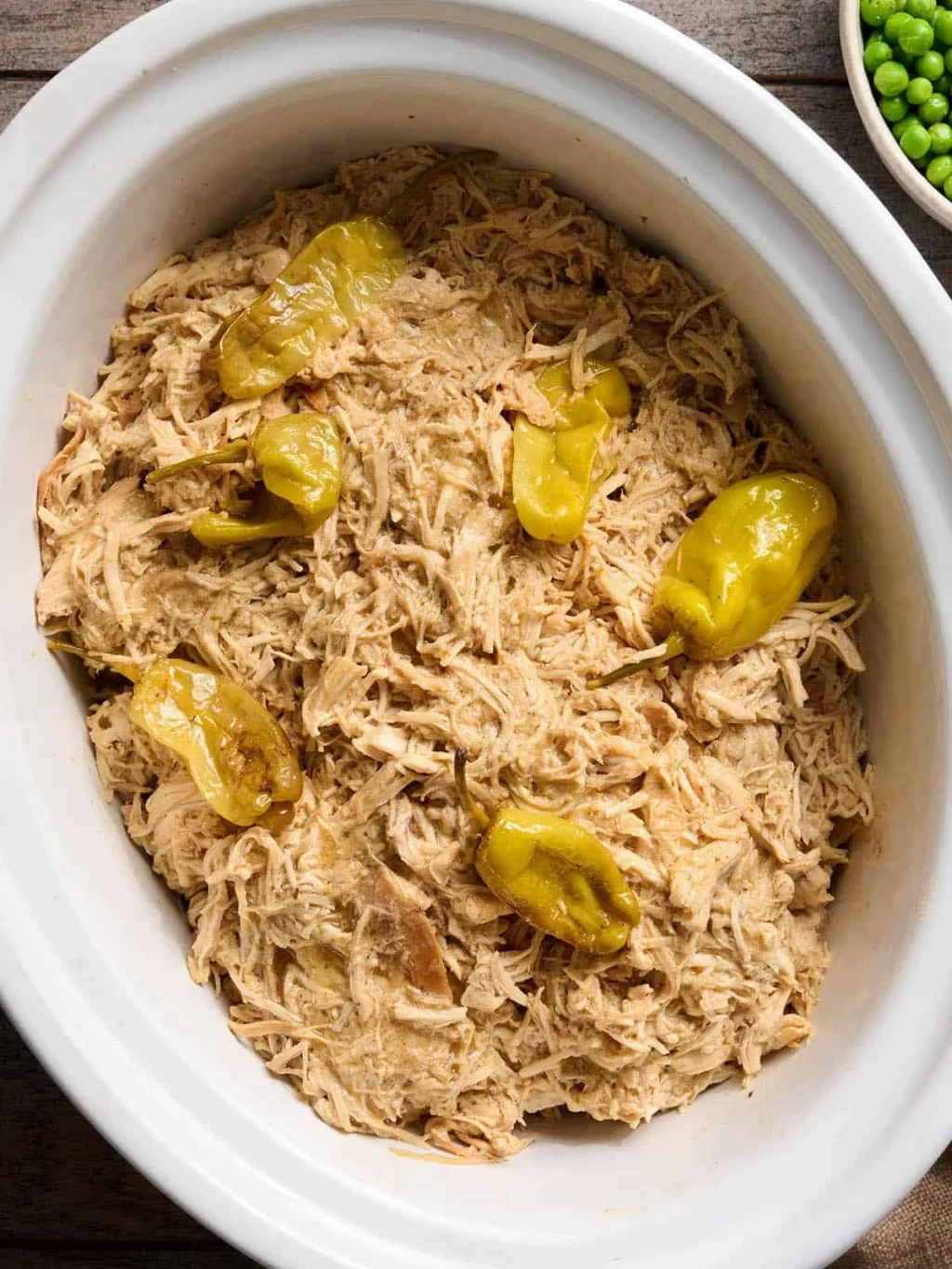
In an era defined by fluctuating grocery prices and demanding professional schedules, the intersection of affordability, convenience, and culinary appeal has become the sweet spot for modern home cooks. Among the recipes leading this domestic culinary shift is "Mississippi Chicken"—a low-effort, high-yield adaptation of a classic Southern favorite. Developed and refined in the Nashville Test Kitchen by professional chef and recipe developer Melissa Nolan, this five-ingredient slow cooker dish offers a compelling case study in culinary efficiency, costing just $1.74 per serving while requiring virtually no active prep time.
By swapping traditional beef roast for poultry, this recipe addresses both economic pressures and shifting dietary preferences without sacrificing the rich, tangy profile that made its predecessor a viral sensation. Below, we examine the culinary science, financial metrics, step-by-step chronology, and broader economic implications of this modern comfort food.
1. Main Facts: The Anatomy of a Modern Comfort Food
Mississippi Chicken is a direct descendant of the famous Mississippi Pot Roast, a dish widely credited to home cook Robin Chapman of Ripley, Mississippi, in the late 1990s. While the original utilized beef chuck roast, the modern poultry adaptation swaps in chicken breasts or thighs to offer a lighter, more economical alternative.
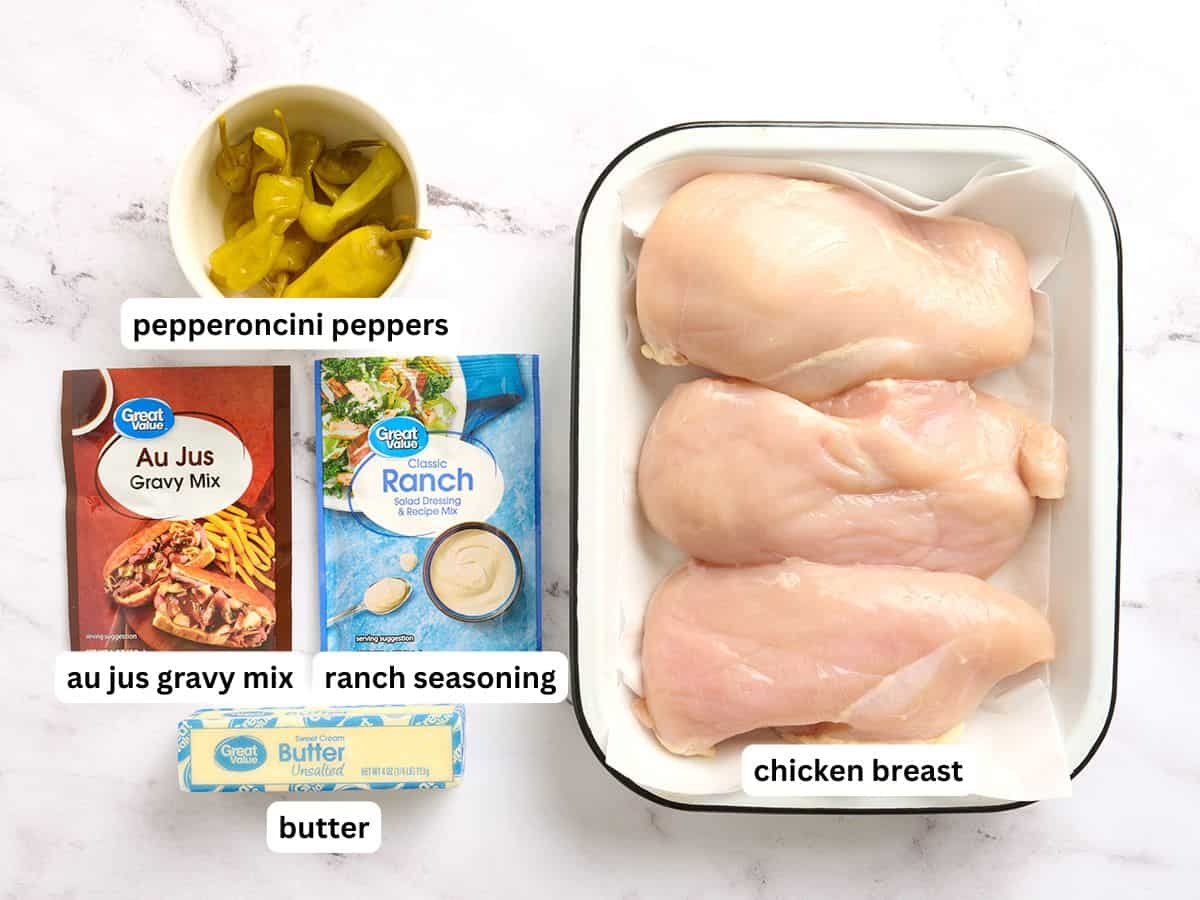
The dish relies on five core ingredients:
- Poultry: Boneless, skinless chicken breasts or thighs (3 lbs.).
- Au Jus Gravy Mix: One standard packet (1 oz.) to deliver concentrated beef-style umami.
- Ranch Seasoning Mix: One standard packet (1 oz.) to introduce buttermilk tang, garlic, onion, and herbal notes.
- Unsalted Butter: One stick (8 tablespoons or $1/2$ cup) to provide richness and emulsify the cooking juices.
- Pepperoncini Peppers: Approximately eight whole peppers, introducing acidity and a mild, sweet heat.
+-----------------------------------------------------------------+
|                       RECIPE AT A GLANCE                        |
+---------------------------------+-------------------------------+
| Total Recipe Cost               | $10.44                        |
| Cost Per Serving (6 Servings)   | $1.74                         |
| Active Prep Time                | 10 Minutes                    |
| Slow Cooker Time (LOW)          | 6 Hours                       |
| Slow Cooker Time (HIGH)         | 3–4 Hours                     |
+---------------------------------+-------------------------------+
The culinary appeal of the dish lies in its "set-it-and-forget-it" nature. It requires no added liquid, no initial searing, and zero chopping. Instead, it relies entirely on the natural moisture released by the chicken during the slow-cooking process to dissolve the seasoning packets and combine with the melting butter to create a rich, savory gravy.
2. Chronology: The Step-by-Step Cooking Process
Achieving the ideal texture and flavor balance requires a structured approach to layering ingredients within the slow cooker. Below is the precise chronological sequence verified by culinary professionals to ensure uniform cooking and optimal flavor distribution.
[Phase 1: Prep] ---> [Phase 2: Layering] ---> [Phase 3: Thermal Processing] ---> [Phase 4: Finishing]
  Thaw & Clean         Season & Add Butter      Low/High Cooking Cycles           Shred & Emulsify
Phase 1: Ingredient Acquisition and Preparation
Before beginning, home cooks must ensure that the poultry is completely thawed if sourced from the freezer. Using frozen chicken in a slow cooker is a noted food safety hazard, as the meat remains in the bacterial "danger zone" ($40^circtextF$ to $140^circtextF$) for too long.
Phase 2: Layering and Dry Seasoning
- Arrange the Base: Place 3 lbs. of boneless, skinless chicken breasts (or trimmed thighs) in an even, single layer across the bottom of a 6-quart slow cooker. Minimizing overlap is critical to ensure that all pieces cook at an identical rate.
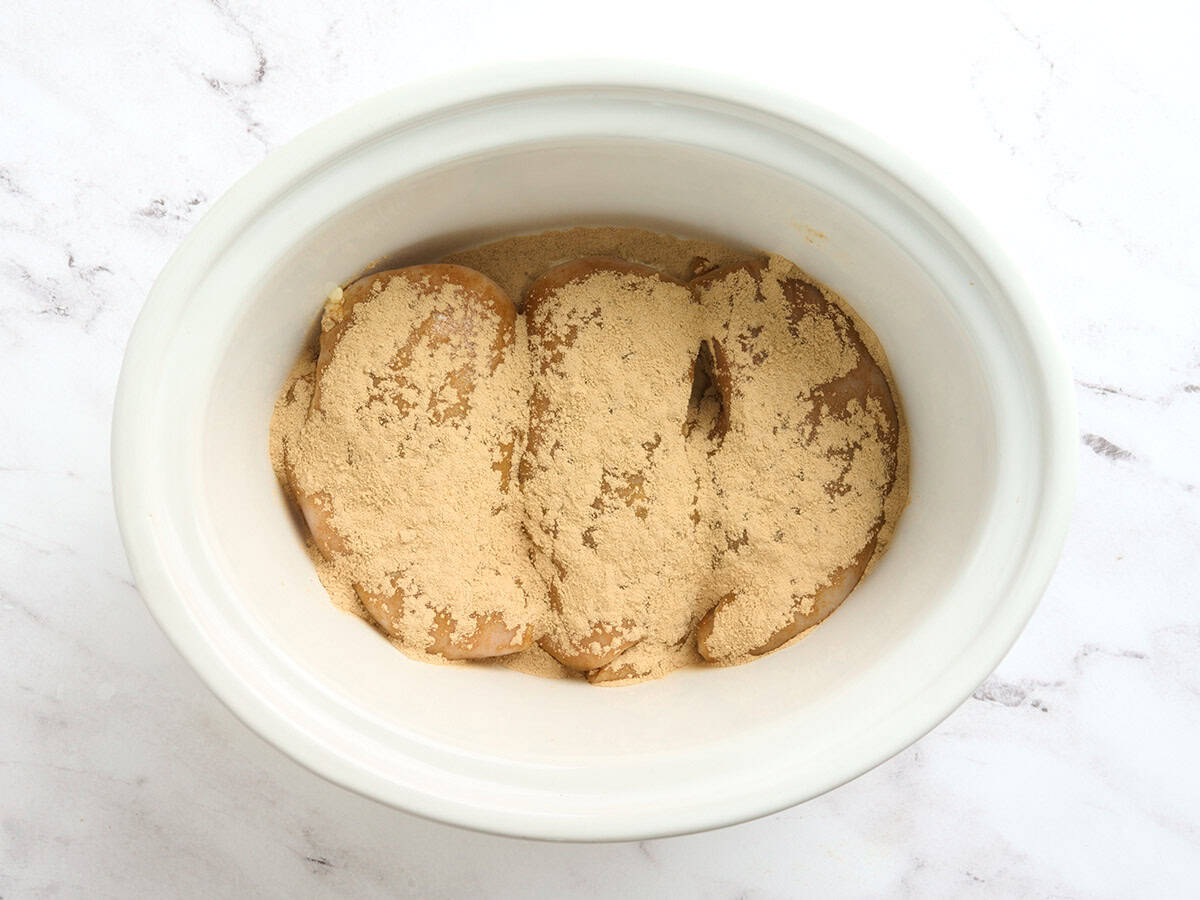
- Apply the Umami Layer: Evenly sprinkle the 1-oz. packet of au jus gravy mix over the chicken.
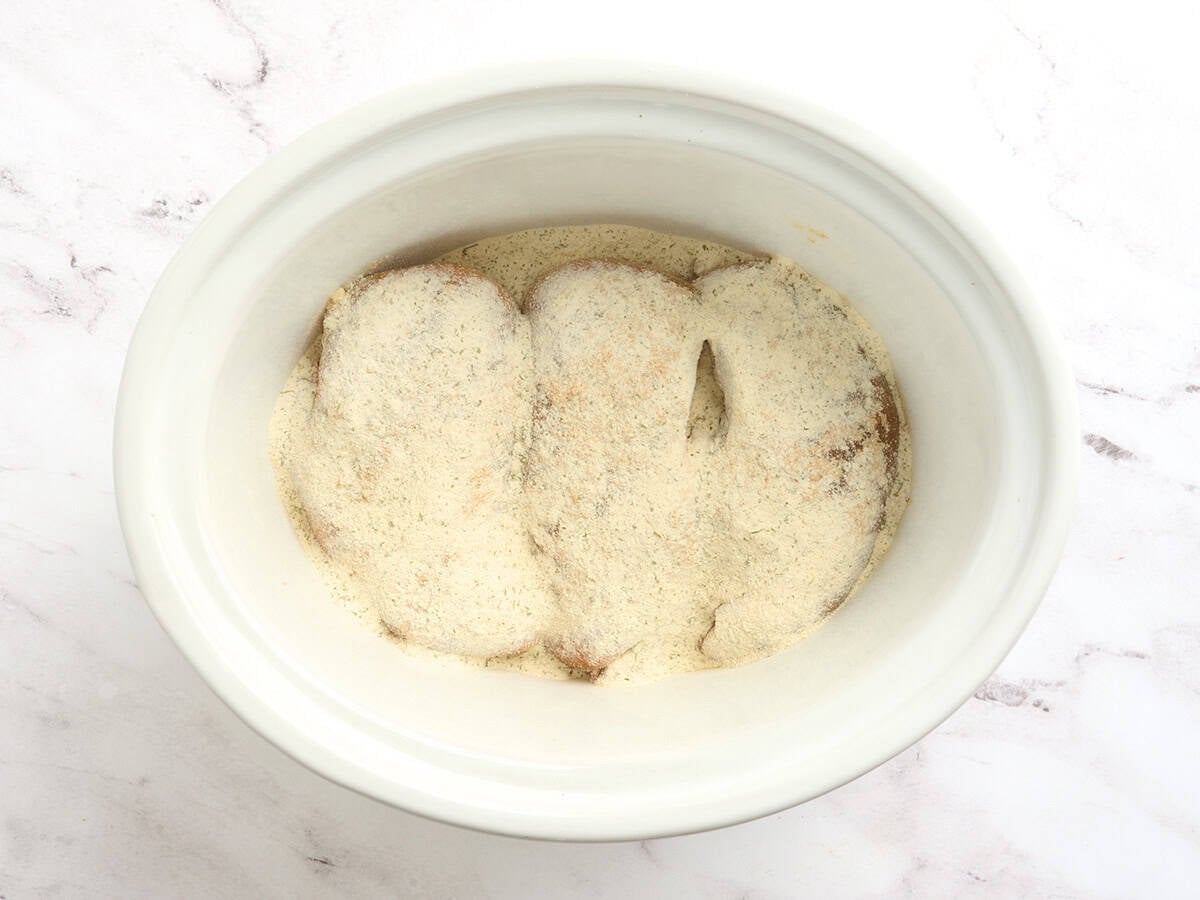
- Apply the Herb Layer: Follow with the 1-oz. packet of ranch seasoning. Care should be taken to distribute both powders evenly, avoiding dry mounds that could fail to dissolve during cooking.
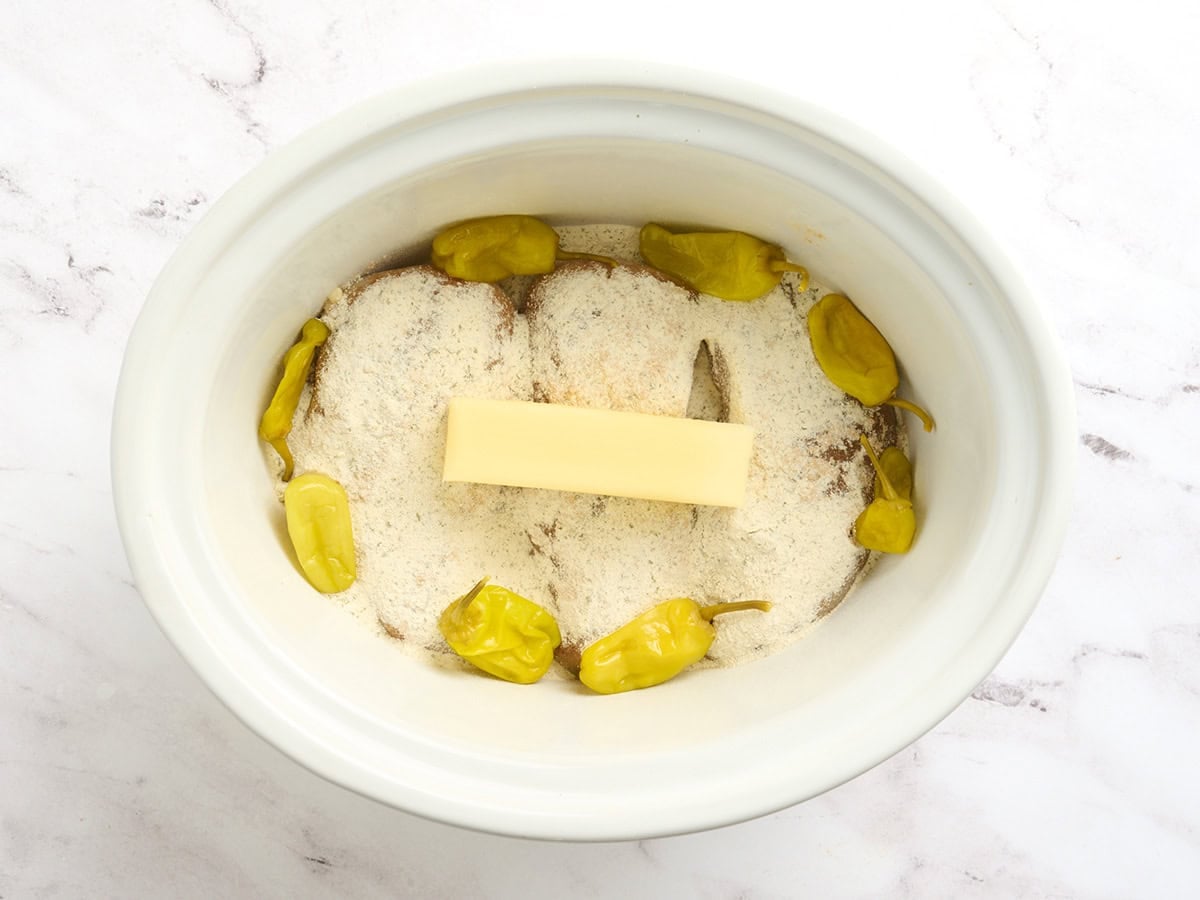
- Introduce the Fat and Acid: Place one whole stick of unsalted butter directly in the center of the seasoned chicken. Scatter eight whole pepperoncini peppers around the perimeter of the pot. Do not add water, chicken broth, or any extra liquid.
Phase 3: Thermal Processing
Secure the lid of the slow cooker. The cooking timeline offers two distinct pathways:
- Standard Method (Recommended): Cook on LOW for 6 hours. This slow, gentle heat allows the collagen in the chicken to break down gradually, resulting in an incredibly tender texture.
- Accelerated Method: Cook on HIGH for 3 to 4 hours, checking the internal temperature at the 3-hour mark.
Food Safety Note: The thickest part of the chicken must reach a minimum internal temperature of $165^circtextF$ on a digital meat thermometer before proceeding. If it has not reached this threshold, replace the lid immediately and cook in 20-minute increments.
Phase 4: Mechanical Shredding and Emulsification
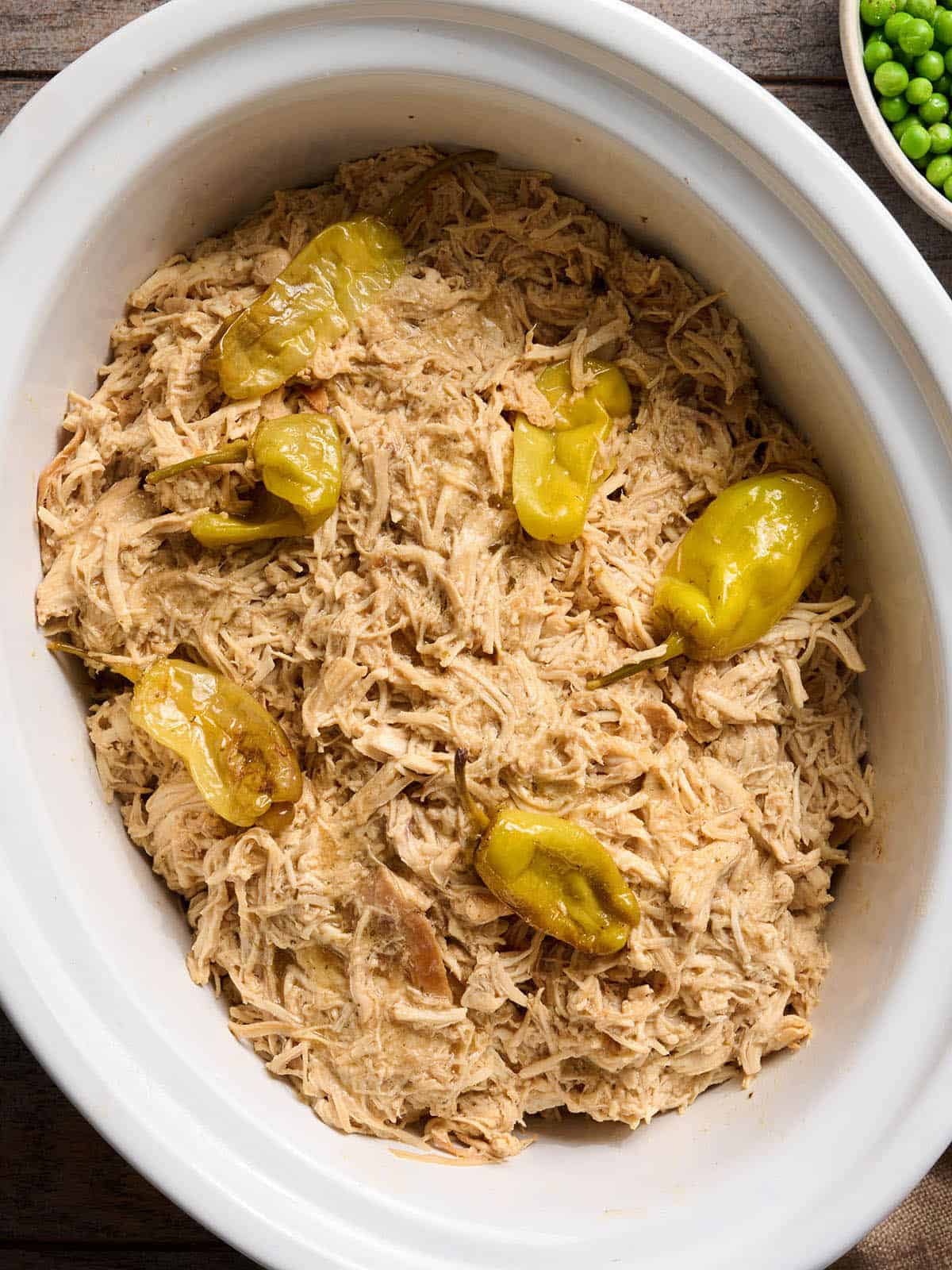
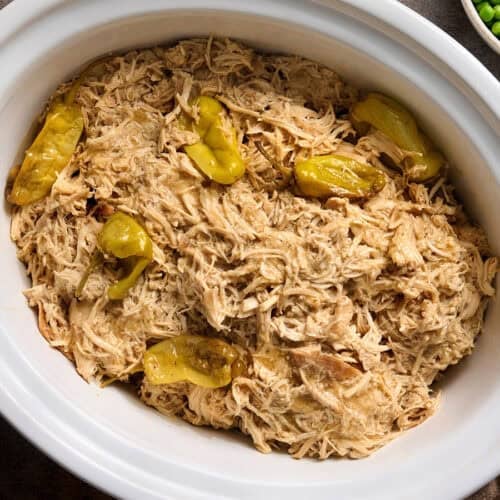
Once cooked, the butter will have melted entirely, the peppers will have softened, and the pot will contain a significant volume of liquid.
- Using two forks, shred the chicken directly inside the slow cooker bowl. The meat should yield easily to minimal pressure.
- Stir the shredded chicken thoroughly into the buttery cooking liquid. This step is essential as it coaxes the released chicken juices, melted butter, and dissolved seasonings into a cohesive, savory sauce that coats every strand of meat.
3. Supporting Data: Financial and Nutritional Breakdown
To understand why this recipe has gained traction among budget-conscious families, one must look at the hard financial and nutritional metrics. Tested and verified in Nashville, Tennessee, the recipe balances low cost with high-density nutrition.
Financial Breakdown
At a total cost of $10.44 for six generous 1-cup servings, the dish breaks down to an incredibly low $1.74 per serving.
               ESTIMATED INGREDIENT COST SHARE
               +----------------------------------+
               | Chicken Breasts (3 lbs)   ~65%   |
               | Unsalted Butter (1 stick) ~12%   |
               | Seasoning Packets (2)     ~15%   |
               | Pepperoncini Peppers      ~8%    |
               +----------------------------------+
To maximize savings, developers suggest several strategic substitutions:
- Thighs vs. Breasts: Utilizing 3 lbs. of boneless, skinless chicken thighs can reduce the total cost further, depending on local market pricing. Thighs also offer a higher fat content, which prevents the meat from drying out during extended cooking cycles.
- Store-Brand vs. Name-Brand: Opting for store-brand ranch and au jus packets rather than national brands can shave up to $1.50 off the total recipe cost.
- Gravy Adaptations: If au jus mix is unavailable or more expensive, standard brown gravy mix serves as an excellent, budget-friendly alternative that preserves the deep, savory undertones of the dish.
Nutritional Profile
A single serving (approximately 1 cup of shredded chicken with sauce) delivers a high-protein, low-carbohydrate profile, though it carries a significant sodium load that consumers should keep in mind.
- Calories: 420 kcal
- Protein: 49 g (representing 98% of the standard daily value)
- Fat: 21 g (32% of daily value)
- Carbohydrates: 5 g (2% of daily value)
- Sodium: 1281 mg (56% of daily value)
- Fiber: 0.5 g
The high protein content makes the dish highly satiating, while the low carbohydrate count appeals to those following ketogenic or low-glycemic diets. However, with sodium sitting at 1281 mg per serving, individuals monitoring their salt intake should proceed with caution.
4. Professional Perspectives: The Culinary Science of the Slow Cooker
The success of Mississippi Chicken is rooted in fundamental culinary science—specifically, the balance of fat, acid, salt, and umami.
Why the Combination Works
According to Melissa Nolan, a professional chef instructor and recipe developer with a degree in culinary arts from Johnson & Wales University, the dish’s flavor profile relies on contrasting sensory elements:
$$textSavory/Salty (Au Jus + Ranch) Longleftrightarrow textAcidic/Tangy (Pepperoncini) Longleftrightarrow textRich/Fatty (Butter)$$
"The inherent dryness of chicken breasts is mitigated by the slow introduction of fat from the melting butter," notes Nolan, whose background includes an internship at Thomas Keller’s Michelin-starred Per Se in New York City. "Because slow cookers prevent evaporation, the chicken essentially poaches in its own juices and the butter. The acidity from the pepperoncini cuts through that heavy richness, keeping the dish vibrant rather than cloying."
The Importance of Unsalted Butter
A key professional recommendation is the strict use of unsalted butter. Because both the commercial ranch seasoning and the au jus mix contain concentrated sodium, using salted butter can easily push the dish into unpalatable territory. Utilizing unsalted butter allows the cook to retain control over the final seasoning profile, leaving any additional salting to the very end of the process after tasting the finished product.
5. Implications: Modern Home Economics and the Meal Prep Movement
The popularity of recipes like Mississippi Chicken reflects broader shifts in how busy households manage food preparation and household budgets.
The Rise of High-Yield Meal Prepping
With six substantial servings, Mississippi Chicken is an ideal candidate for weekly meal prep. The shredded meat holds up exceptionally well to refrigeration and freezing, offering a versatile base that can be repurposed throughout the week.
                          MULTIPURPOSE LEFTOVERS
                                     |
         +---------------------------+---------------------------+
         |                           |                           |
  Classic Style                 Comfort Style                Party Style
  Served over mashed            Piled onto sweet             Scattered over tortilla
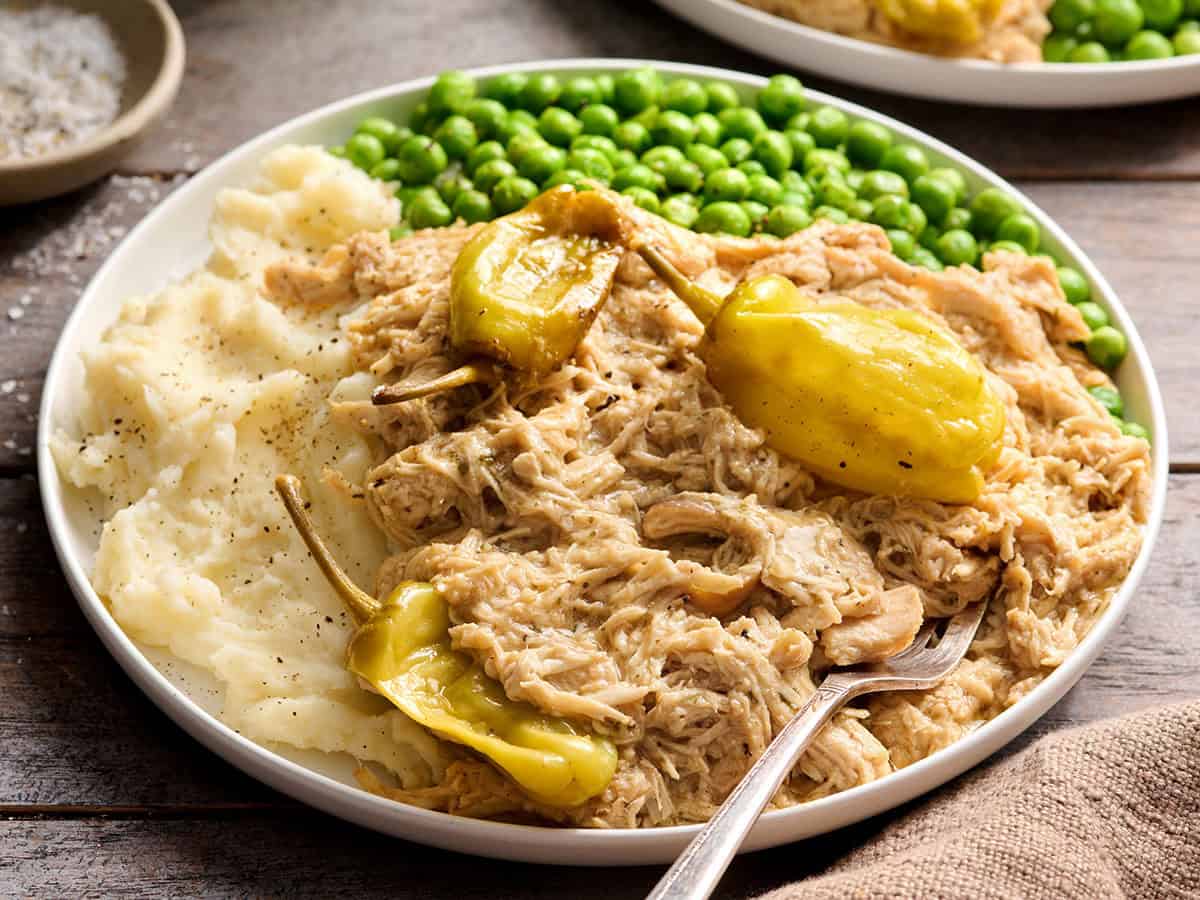
  potatoes with peas            Hawaiian rolls               chips with cheese
for a traditional dinner. for quick sliders. for loaded nachos.- Storage Guidelines: Once cooled, the chicken should be stored in airtight containers with a portion of its cooking juices to maintain moisture. It will remain fresh in the refrigerator for 3 to 4 days.
- Freezer Instructions: The cooked, shredded meat can be frozen in freezer-safe bags or containers for up to 3 months. For best results, air should be pressed out of the freezer bags to prevent freezer burn. Thawing should occur overnight in the refrigerator before reheating.
- Reheating Protocols: To reheat, a microwave can be used in short, covered intervals, stirring frequently. Alternatively, the chicken can be warmed in a saucepan over low heat. If the sauce has thickened excessively during storage, a small splash of water or chicken broth will restore its original, glossy consistency.
Balancing Convenience and Health
While the convenience of packaged seasoning mixes is undeniable, it highlights a common trade-off in modern home cooking: time savings versus nutritional control. The high sodium content of Mississippi Chicken is primarily driven by processed seasoning packets.
For health-conscious cooks who still want the convenience of the slow cooker, food writers suggest utilizing homemade low-sodium ranch seasoning—composed of buttermilk powder, dried dill, garlic powder, onion powder, and dried chives—combined with a low-sodium beef bouillon or gravy mix. This adjustment preserves the iconic flavor profile of the dish while significantly reducing the sodium impact, aligning a beloved comfort food with modern wellness goals.