The Rise of One-Pot Efficiency: How Nashville’s Test Kitchen Engineered a $2.18-Per-Serving Culinary Solution
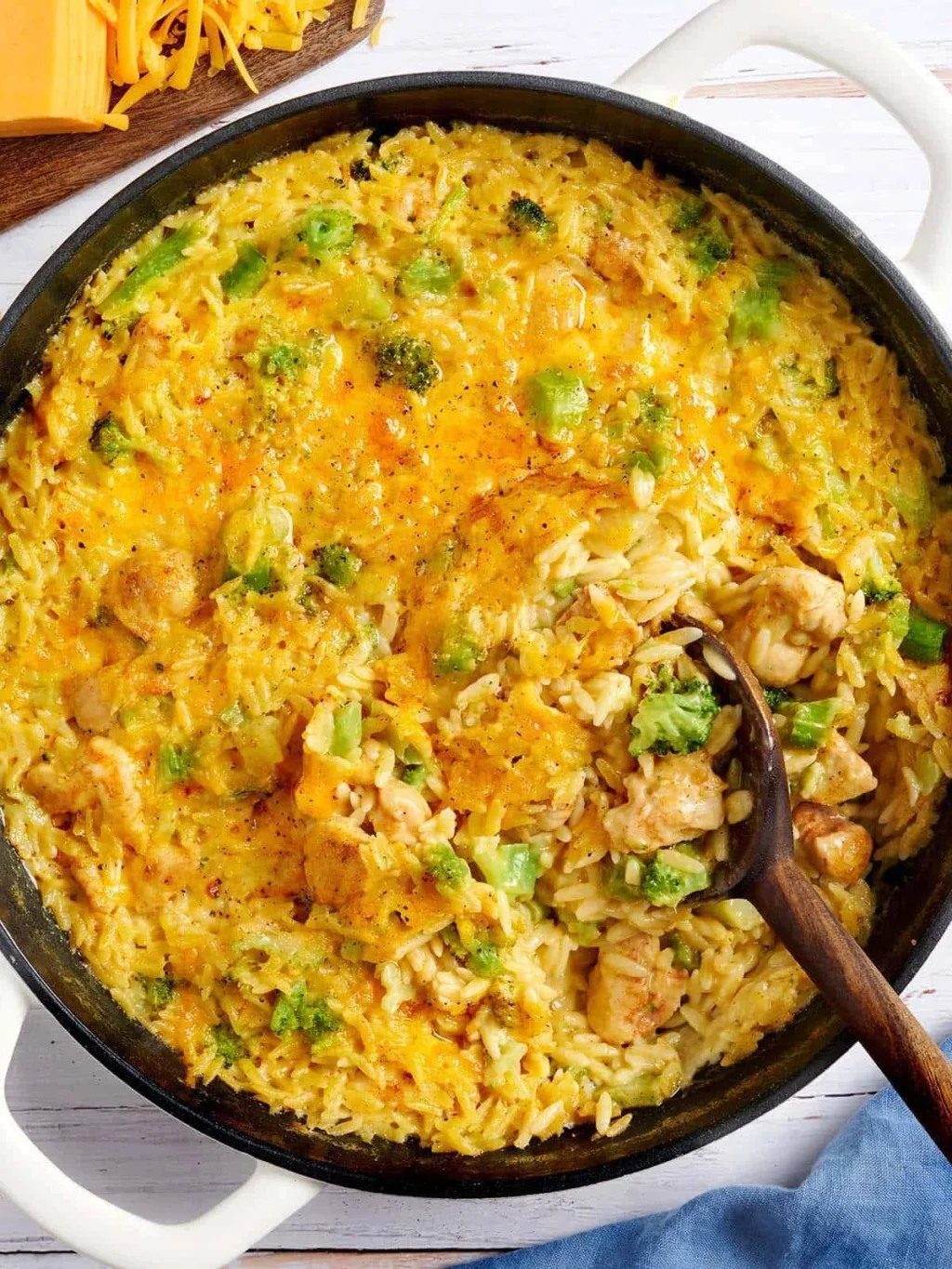
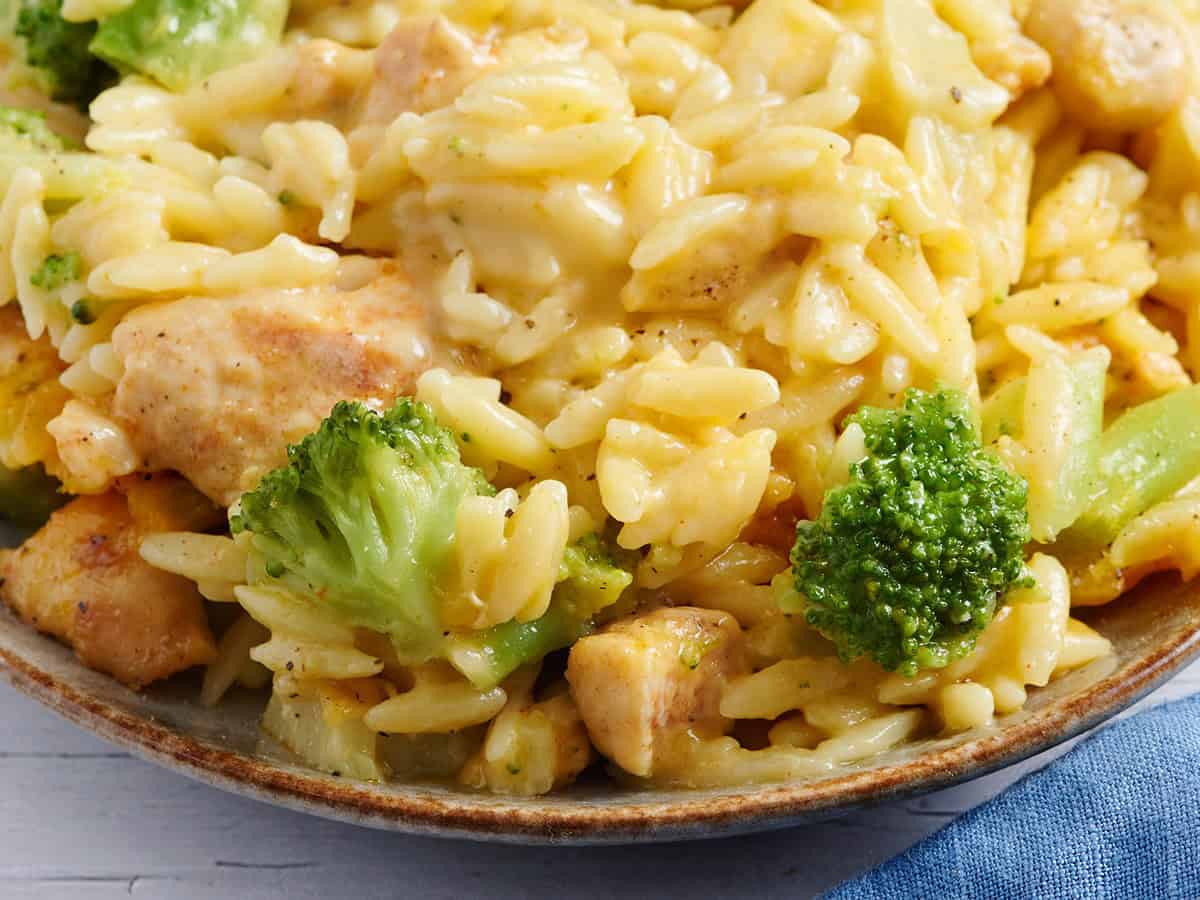
NASHVILLE, Tenn. — As domestic household budgets face continued pressure from grocery price volatility, culinary researchers and food scientists are increasingly turning their attention to high-efficiency, low-cost recipe development. In a bid to address the dual consumer demands for financial economy and reduced domestic labor, the Nashville Test Kitchen has unveiled its latest formulation: a highly optimized, one-pot Chicken and Broccoli Casserole.
Designed by culinary educator and professional chef Jess Rice, the recipe represents a structural departure from traditional casserole preparations. By substituting classic rice with orzo pasta and utilizing a single-vessel cooking methodology, the dish achieves a significant reduction in preparation time and cleanup labor while maintaining a highly competitive cost profile of just $8.75 for a four-serving yield ($2.18 per serving).
1. Main Facts
The newly developed Chicken and Broccoli Casserole is engineered to resolve several common pain points associated with mid-week family meal preparation: culinary complexity, high ingredient costs, and excessive post-cooking sanitation requirements.
The Developer’s Profile
The architect of the recipe, Chef Jess Rice, brings an academic and commercial pedigree to the development process. Formerly a Chef Professor of food theory and classic culinary techniques at Niagara College in Canadian wine country, Rice also shaped the culinary landscape of Nashville, Tennessee, through her raw vegan restaurant, AVO, and her work as a private chef for high-profile clients. Her transition into budget-focused recipe development reflects a broader culinary movement toward applying professional technique to everyday home economics.
Key Structural Innovations
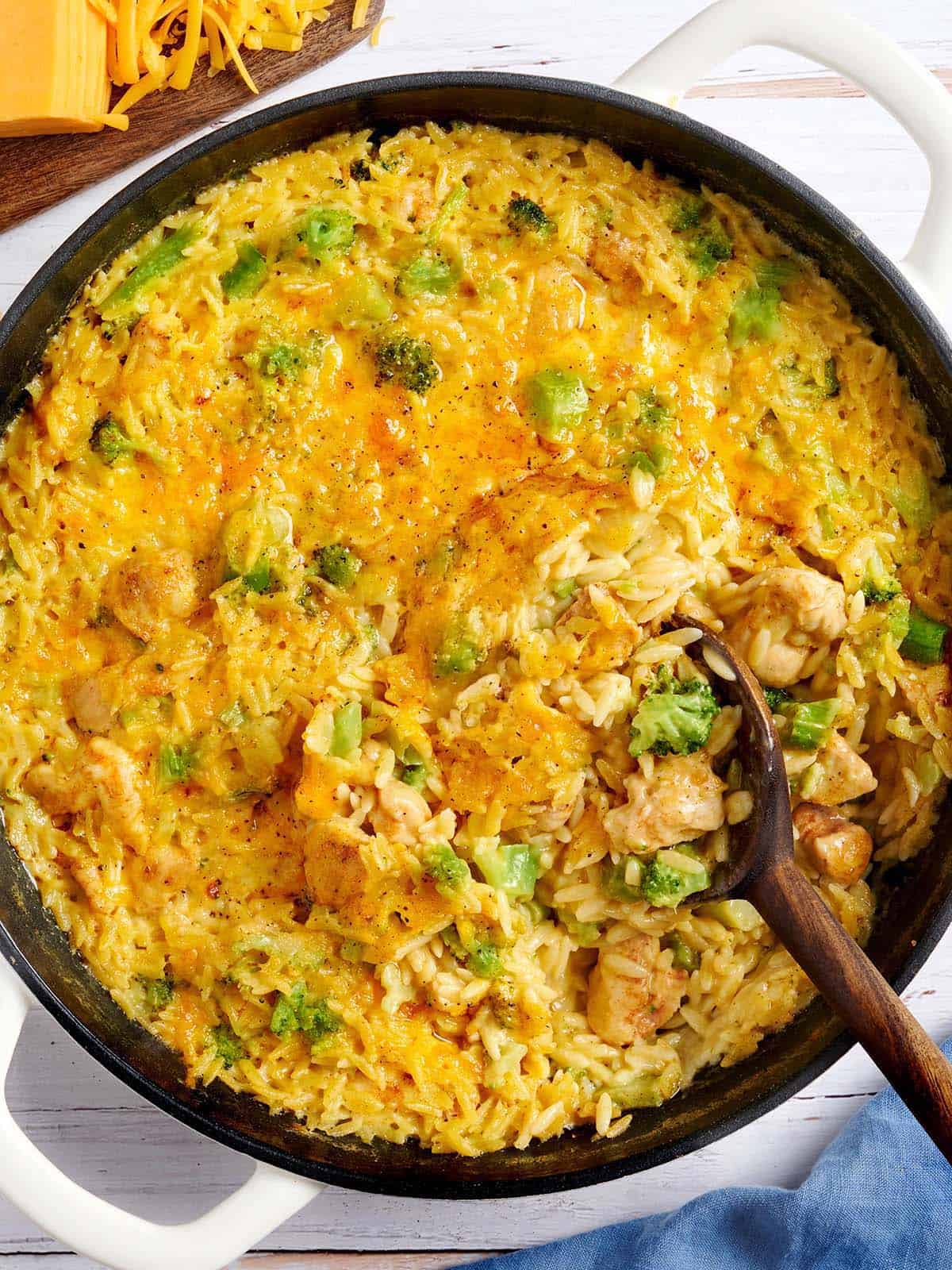
Unlike conventional chicken and broccoli casseroles, which historically rely on pre-cooked rice and canned condensed soups (such as cream of mushroom or cream of chicken) as binding agents, this formulation utilizes a modern, clean-label approach to starch emulsification:
- Elimination of Canned Stabilizers: The recipe bypasses ultra-processed canned soups, which are often high in synthetic sodium and stabilizers.
- Roux-Free Creaminess: Rather than requiring a traditional flour-and-butter roux, the dish leverages the natural starches released by orzo pasta during a controlled simmer, thickening the dairy and broth base into a rich, cohesive sauce.
- Vessel Consolidation: All phases of cooking—including searing the proteins, toasting the pasta, simmering the vegetables, and broiling the cheese—occur within a single, broiler-safe skillet, reducing water and energy consumption.
2. Chronology of Culinary Execution
The construction of the casserole follows a precise thermodynamic sequence, ensuring that each ingredient is cooked to its optimal texture without turning mushy—a common failure in one-pot pasta formulations.
[Phase 1: Prep] -> [Phase 2: Protein Sear] -> [Phase 3: Pasta Toasting] -> [Phase 4: Deglaze & Simmer] -> [Phase 5: Cheese & Broil]Phase 1: Preparation and Ingredient Sizing
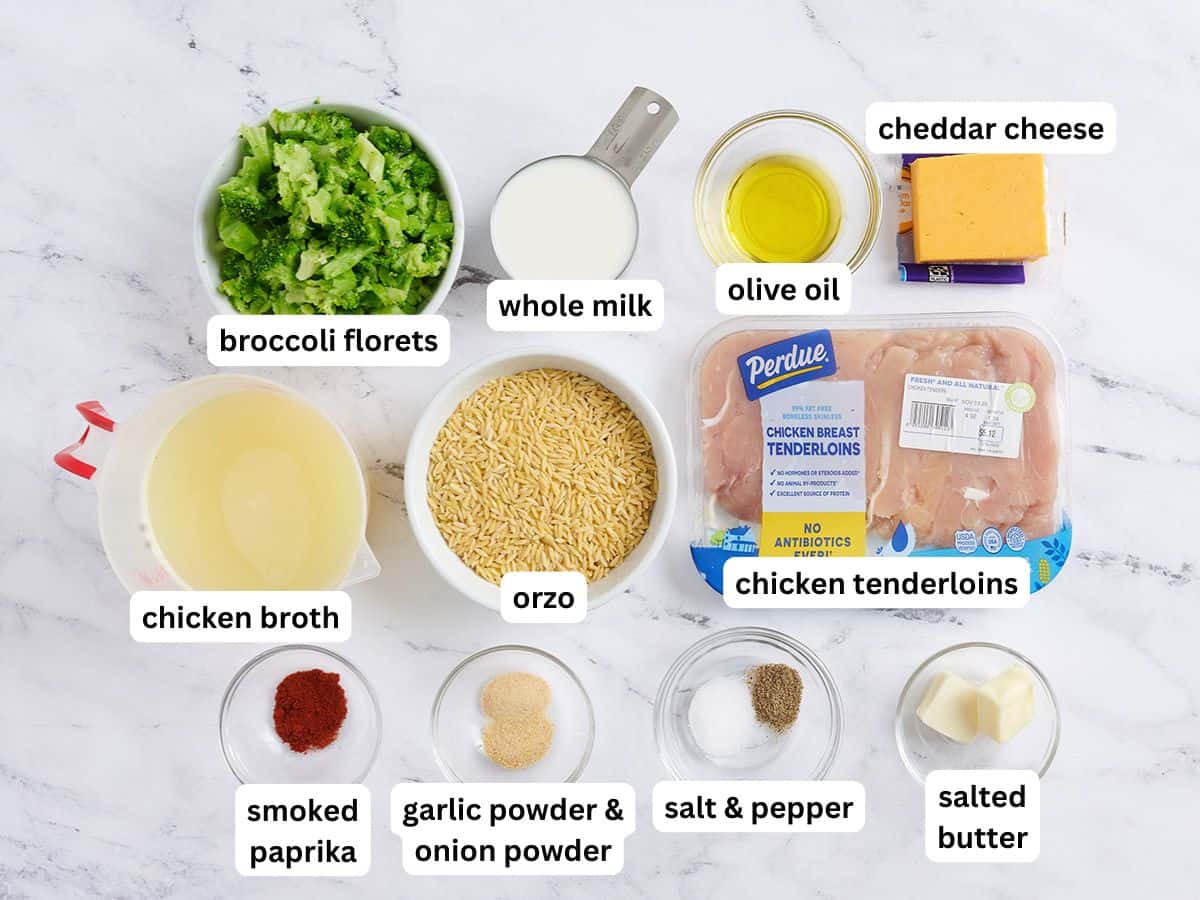
- Vegetable Tempering: Three cups of frozen broccoli florets are run under cold water to initiate a partial thaw, allowing for clean, uniform chopping into bite-sized pieces.
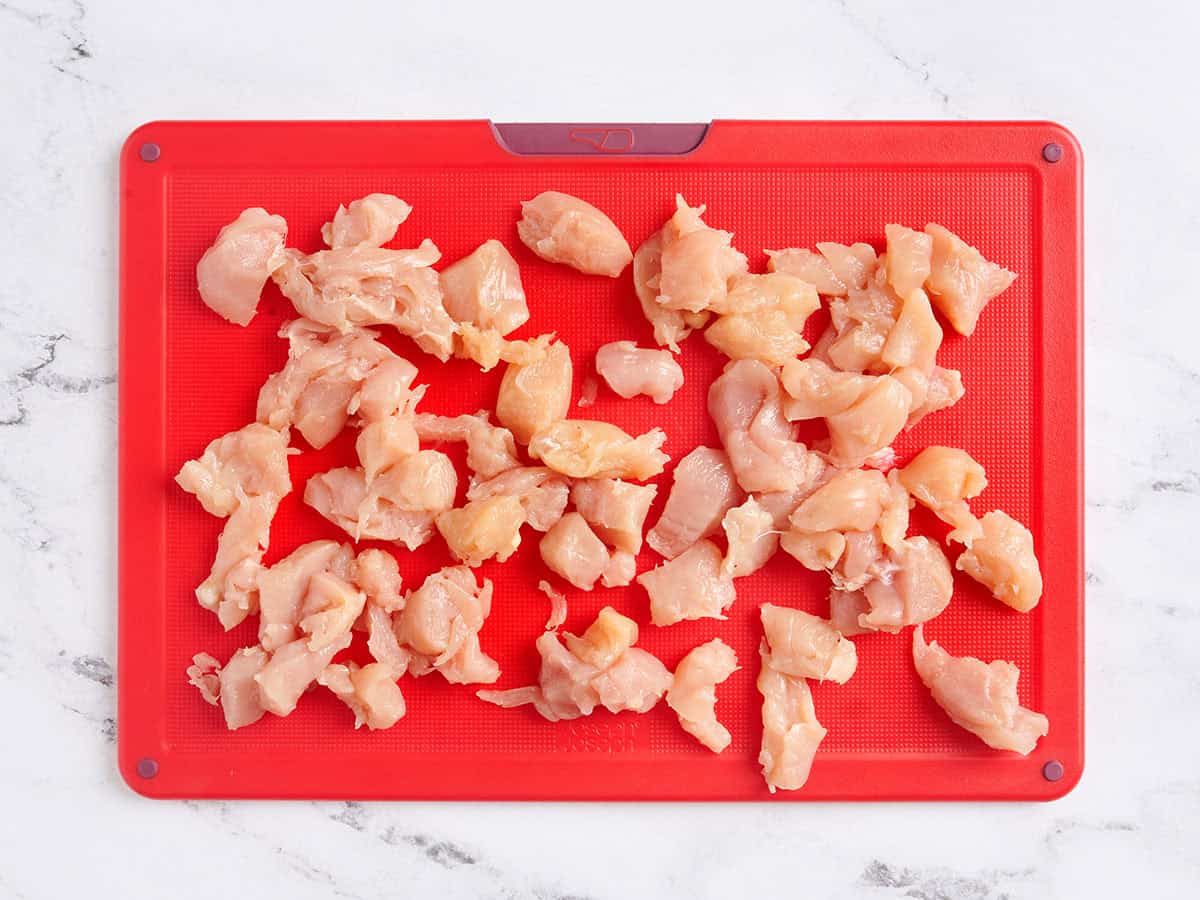
- Protein Portioning: One pound of chicken breast tenderloins (or boneless, skinless breasts/thighs) is sliced into uniform one-inch cubes. This dimensional standardization ensures a synchronized cooking rate across all protein pieces.
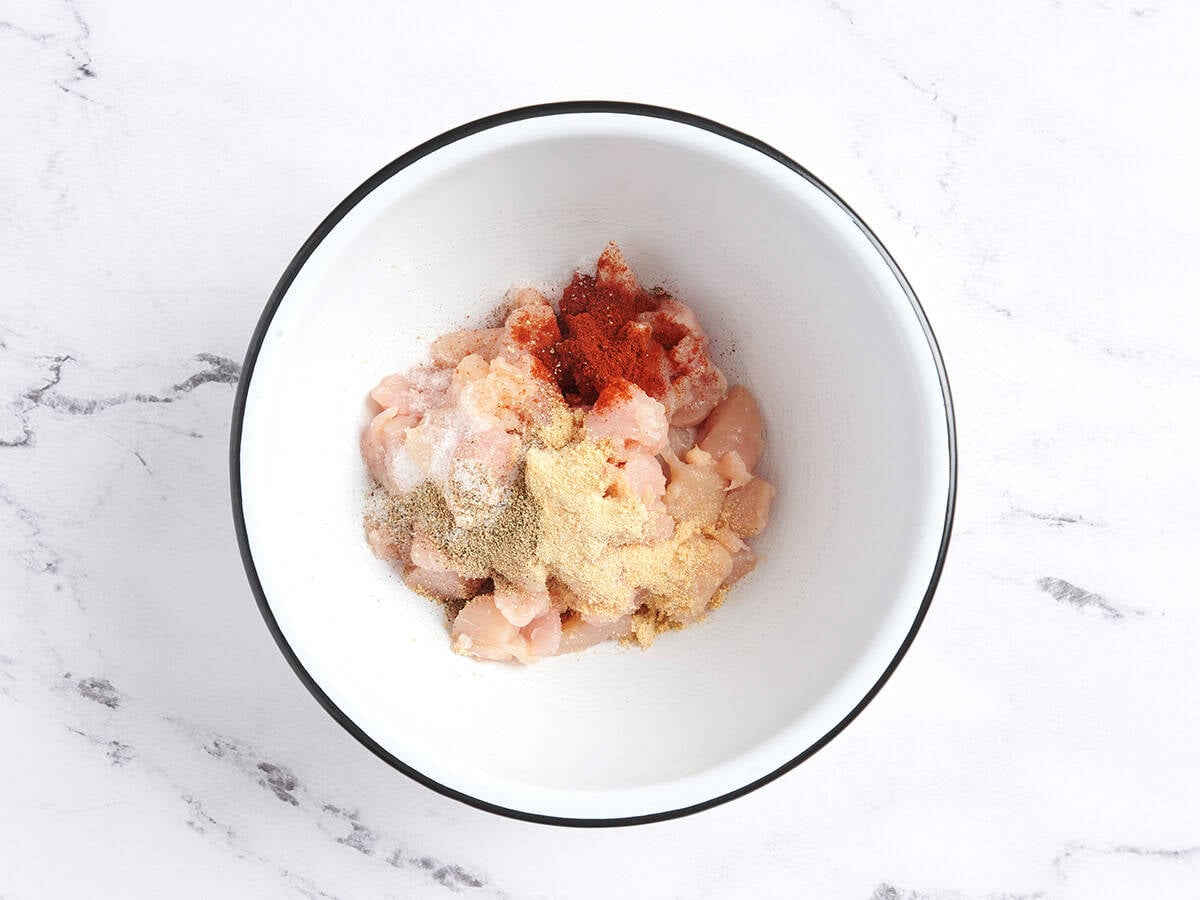
- Seasoning Application: The cubed chicken is tossed in a dry rub consisting of salt, black pepper, garlic powder, onion powder, and smoked paprika until a homogeneous coating is achieved.
Phase 2: Protein Searing
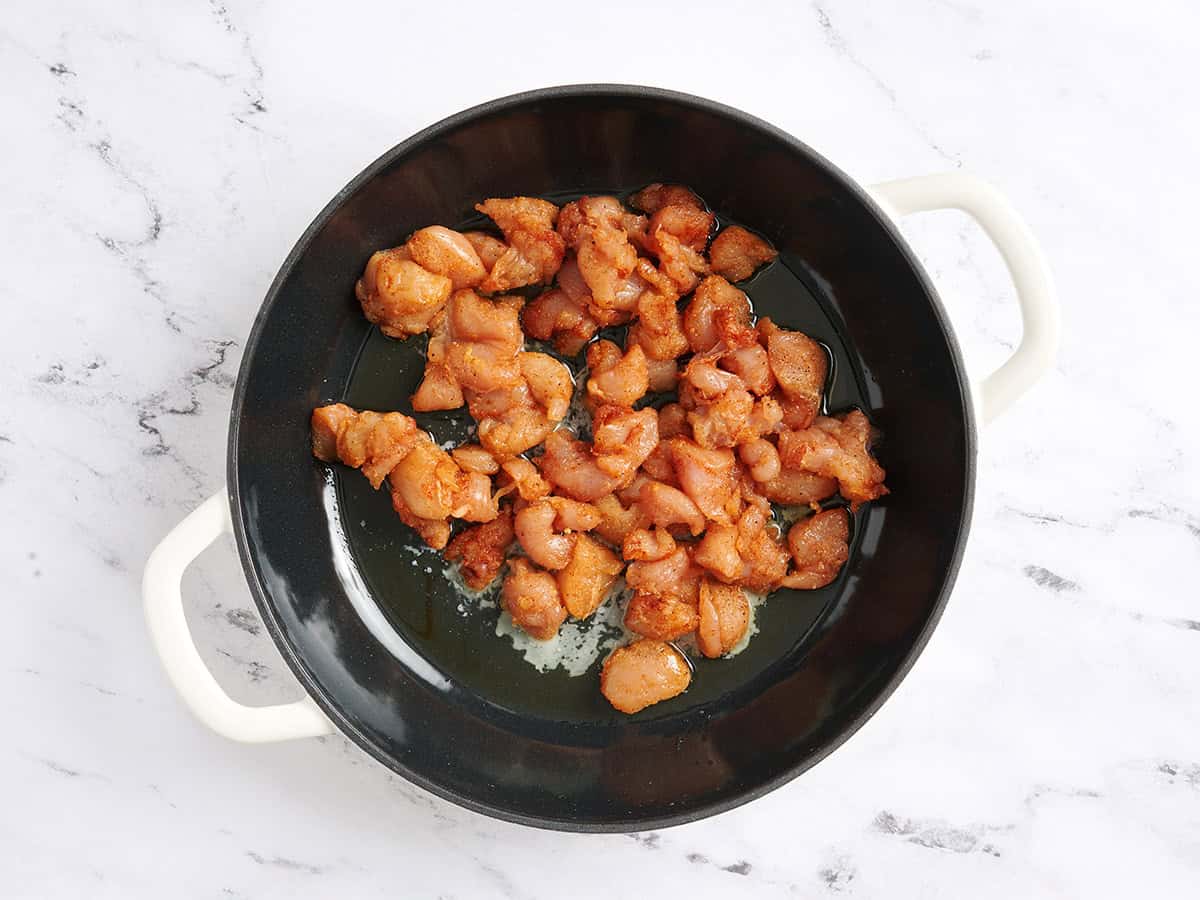
- Thermal Initiation: Two tablespoons of salted butter and one tablespoon of olive oil are heated in a deep, broiler-safe skillet over medium heat.
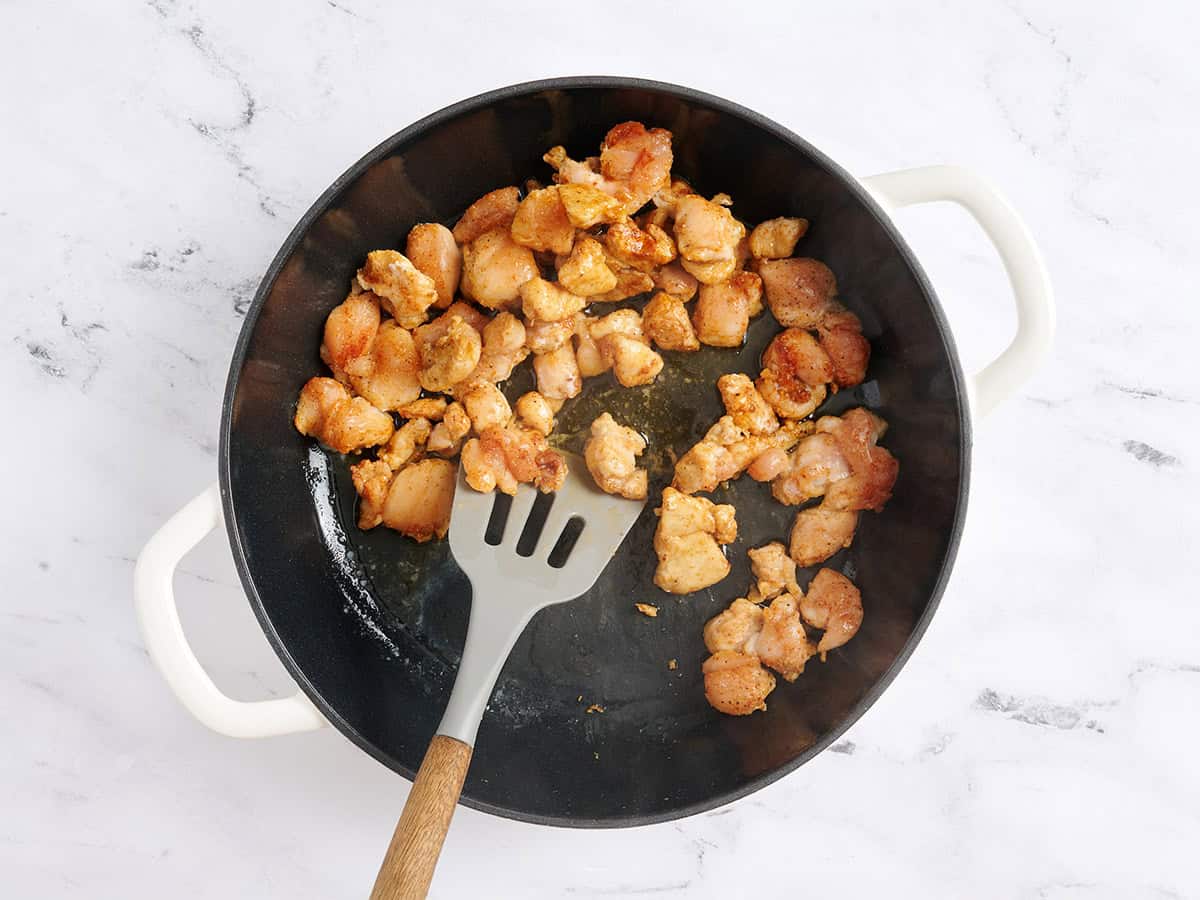
- Maillard Reaction: The seasoned chicken is introduced in a single layer to prevent crowding, which would lead to steaming rather than browning. The protein is seared undisturbed for approximately six minutes, turned, and cooked for an additional six minutes until the internal temperature reaches the USDA-recommended 165°F (74°C).
Phase 3: Starch Toasting
- The Orzo Addition: One and a half cups of dry orzo are added directly to the hot skillet containing the cooked chicken and residual cooking fats.
- Dextrinization: The pasta is stirred continuously for two minutes. This process coats the starch granules in fat and toasts the exterior of the pasta, developing a complex, nutty flavor profile and preventing the pasta from releasing excess starch too quickly during the subsequent simmering phase.
Phase 4: Liquid Integration and Simmering
- Deglazing: Two and a half cups of chicken broth are poured into the pan to deglaze the surface, with the cook actively scraping up the browned fond from the bottom of the skillet.
- Dairy Tempering: One cup of room-temperature whole milk is slowly whisked into the simmering broth. Using room-temperature milk reduces the thermal shock to the liquid, preventing the proteins in the milk from curdling or splitting.
- The Simmer Cycle: The chopped broccoli is added, and the heat is reduced to medium-low. The mixture is simmered uncovered for approximately eight minutes, with regular agitation to prevent the pasta from adhering to the pan’s surface.
Phase 5: Emulsification and Final Broil
- Primary Cheese Dispersion: Once the orzo is tender and the liquid has reduced to a glossy sauce, half a cup of shredded cheddar cheese is stirred in until completely melted and emulsified.
- Top Crust Assembly: The remaining half-cup of cheddar is distributed evenly across the surface of the casserole.
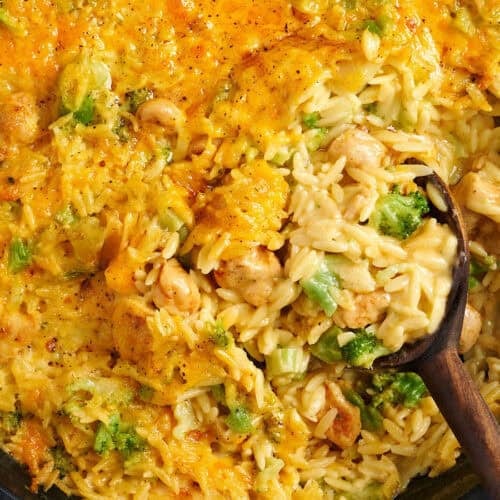
- High-Heat Finish: The skillet is transferred to an oven broiler set to high for three to five minutes, melting the surface cheese into a bubbling, golden-brown crust. The dish is rested for five minutes post-broil to allow the sauce to set before serving.
3. Supporting Data and Financial Metrics
To validate the economic feasibility of the recipe, the Nashville Test Kitchen conducted a comprehensive cost and nutritional analysis.
Cost Breakdown Analysis
The recipe is specifically optimized to remain under the $10 threshold for a family of four, coming in at a total cost of $8.75, which translates to $2.18 per serving.
| Ingredient Category | Optimization Strategy | Cost Impact |
|---|---|---|
| Protein (Chicken) | Utilizing tenderloins or skinless breasts purchased during promotional retail cycles. | Moderate-High |
| Vegetables (Broccoli) | Substituting fresh broccoli with frozen, pre-blanched florets to eliminate prep waste and stabilize seasonal pricing. | Low |
| Starch (Orzo) | Using dry pasta in bulk, which exhibits a long shelf life and stable pricing compared to fresh alternatives. | Low |
| Base (Broth) | Utilizing concentrated commercial bases (e.g., Better Than Bouillon) rather than canned broth. | Very Low |
Nutritional Profile
A single serving (representing one-quarter of the total recipe yield) contains the following macronutrient and micronutrient values:
- Calories: 610 kcal (31% Daily Value)
- Protein: 43 g (86% DV)
- Carbohydrates: 52 g (17% DV)
- Fat: 25 g (38% DV)
- Fiber: 4 g (17% DV)
- Sodium: 1829 mg (80% DV)
Note: While the protein density of the dish is exceptionally high (43 grams per serving), the sodium levels represent 80% of the recommended daily intake. Home cooks monitoring cardiovascular metrics can mitigate this by utilizing low-sodium broths and unsalted butter.
4. Official Culinary Insights and Methodology
According to documentation from the Nashville Test Kitchen, the development process required multiple iterations to balance structural integrity, ease of preparation, and cost efficiency.
   [Formulation Iterations]
              │
              ▼
   [Starch Stabilization] ──► Solved via Orzo Dextrinization
              │
              ▼
   [Emulsion Management]  ──► Solved via Room-Temp Dairy & Freshly Shredded Cheese
On Starch and Emulsion Chemistry
In technical notes accompanying the recipe release, Chef Jess Rice emphasized the importance of cheese selection and starch management:
"To achieve a truly cohesive sauce without relying on commercial stabilizers or flour, the type of cheese and the method of grating are critical. Pre-shredded packaged cheeses are coated with anti-caking agents, such as cellulose, which inhibit smooth melting and can lead to a grainy, broken sauce. Grating cheddar directly from a block ensures a clean melt and a superior glossy mouthfeel."
On Vegetable Optimization
The decision to utilize frozen broccoli was a deliberate economic and chemical choice. Frozen vegetables are blanched prior to flash-freezing, which partially gelatinizes their starches and softens their cellular structure. When introduced to the casserole, they cook rapidly and achieve a tender texture that integrates seamlessly with the orzo, whereas fresh broccoli can remain excessively fibrous unless cooked separately.
5. Implications for the Modern Consumer
The release of this recipe coincides with shifts in both consumer cooking habits and socioeconomic realities.
The Economics of SNAP Optimization
An interesting facet of the recipe’s design is its adaptability to the Supplemental Nutrition Assistance Program (SNAP). Rice highlights a retail anomaly found in many North American supermarkets: cold rotisserie chickens in the refrigerated deli case are frequently priced lower than their hot-counter counterparts and, crucially, are often SNAP-eligible, whereas hot rotisserie chickens are not. By substituting three cups of shredded cold rotisserie chicken into the casserole, low-income households can further reduce prep time and optimize their food assistance benefits.
Environmental and Utility Impact
One-pot cooking methods yield minor but cumulative environmental benefits. By consolidating the cooking process into a single skillet, household water consumption is reduced due to fewer dishes requiring manual or machine washing. Furthermore, the short, 30-minute stove-to-table cycle minimizes domestic natural gas or electrical utility draw compared to traditional multi-step bakes that require preheating large ovens for extended periods.
The Evolution of Comfort Food
Ultimately, the recipe represents a broader transition in home cooking. As consumers move away from highly processed, sodium-laden canned goods, the demand for "scratch-ish" cooking—utilizing raw proteins and basic dry goods alongside high-quality frozen shortcuts—is rising. This one-pot orzo casserole demonstrates that comfort food can be modernized to meet contemporary standards of efficiency, nutrition, and fiscal responsibility without sacrificing flavor.