The Science of Alignment: Are Posture Correctors the Key to Better Health?
In an era where the average professional spends upward of eight hours a day tethered to a glowing screen, the "tech-neck" epidemic has become a defining health challenge of the modern age. We hunch over laptops, slump into ergonomic-defying office chairs, and crane our necks toward smartphones, slowly conditioning our bodies into a permanent state of flexion. As posture-related discomfort rises, a booming market of wearable technology—posture correctors—has emerged, promising to undo years of poor habits.
After nearly two years of rigorous testing, which involved wearing various devices during everything from high-intensity workouts to mundane desk shifts, one reality has crystallized: there is no "magic pill" for alignment. A posture corrector is not a structural fix; it is a neurological and muscular reminder. When used correctly, these tools do not replace your muscles—they train them.
The Core Philosophy: Muscle Memory Over Mechanical Support
The most common misconception regarding posture correctors is that they are meant to act as an external skeleton, forcefully pulling your shoulders back and holding your spine in an rigid, upright position. The reality is quite the opposite. The most effective devices—such as the ComfyBrace Adjustable Posture Corrector or the Forme Power Bra—are designed to provide sensory feedback.
They act as training wheels. By creating a physical sensation that signals when you are slouching, they encourage you to engage your own core and back muscles to correct the alignment. This fosters "muscle memory," allowing the body to maintain proper posture even after the garment is removed. The goal is to move away from relying on the device entirely. As Dr. Matthew Smith of the Northwestern University Feinberg School of Medicine aptly puts it, "The goal is not to wear this forever. The goal is to be able to change your posture on your own from here on out."

A Chronology of Corrective Development
The evolution of posture support has transitioned from the clinical, bulky braces of the mid-20th century to the sleek, wearable tech of 2026.
- Early Phase (Pre-2015): Posture correction was largely the domain of physical therapists, involving heavy-duty, rigid lumbar braces typically prescribed for injury recovery rather than daily maintenance.
- The Wearable Boom (2016–2020): Startups began integrating elastic resistance and breathable neoprene, shifting the focus toward "wellness" and desk-bound professionals. This era saw the rise of the "strap-and-pull" brace, popularized by brands like ComfyBrace.
- The Integration Era (2021–Present): The current market emphasizes seamless integration. Posture-correcting clothing, such as the Forme Power Bra and the Etalon Posture Bra, has moved away from external straps entirely, utilizing fabric tension and compression to mimic the effects of a brace while remaining invisible under professional attire.
Top Recommendations: What Actually Works
Based on months of testing, these products stood out for their ability to balance comfort with functional feedback.
1. ComfyBrace Adjustable Posture Corrector ($27)
The Best Overall. The ComfyBrace is a classic, highly adjustable brace that remains the gold standard for those needing a firm, reliable reminder. It is lightweight, breathable, and simple to use. During testing, it excelled at providing a firm "tug" when the shoulders began to round, though it is best worn over a light undershirt to avoid skin irritation.
2. Forme Power Bra ($179)
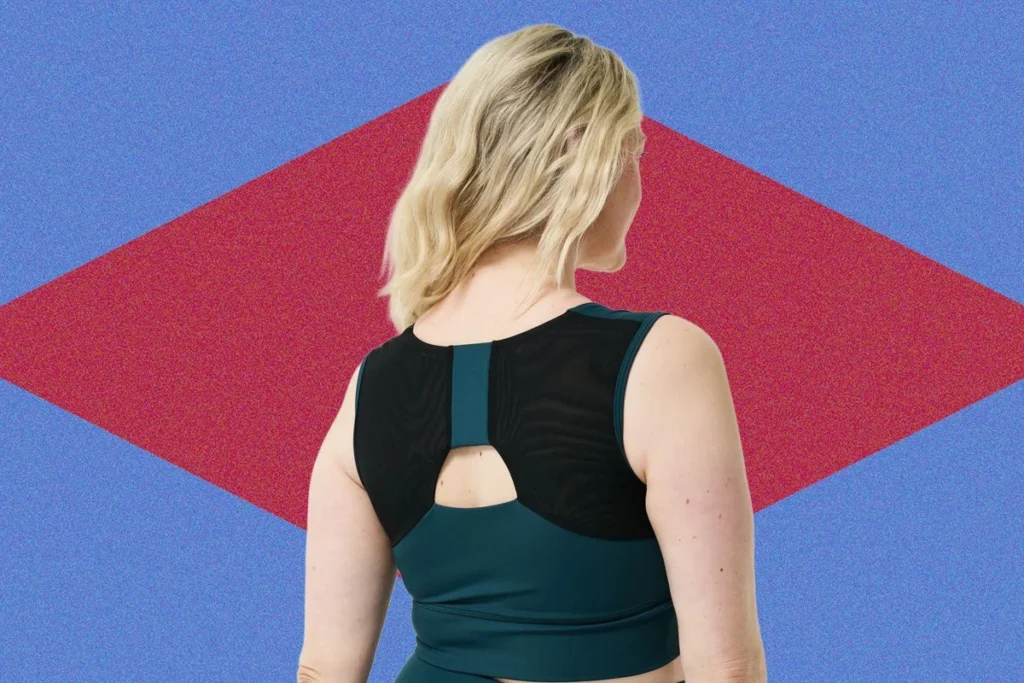
The Best Posture-Correcting Bra. For those who prefer a more integrated approach, the Forme Power Bra is a revelation. By utilizing specific fabric tension profiles, it gently encourages the shoulders to retract without the bulky feeling of a traditional brace. It is an ideal solution for daily wear, blending into a professional wardrobe while providing all-day support.

3. Etalon Posture Bra ($199)
Honorable Mention. This bra features six adjustable straps that allow for a highly customizable fit. It is exceptionally effective at distributing tension across the back muscles. While it takes a few weeks to find the "sweet spot" for your unique anatomy, its ability to hold up during both office work and light exercise makes it a versatile investment.
4. BackEmbrace Posture Corrector ($70)
Honorable Mention. Offering a more aesthetic design than the traditional ComfyBrace, the BackEmbrace is perfect for those who want a corrector that feels less like medical equipment. Its split-strap design is slightly more complex to put on, but it provides a superior range of motion, making it easier to wear while performing household chores or walking.
Supporting Data and Ergonomic Science
Why do we slouch in the first place? It isn’t merely a lack of willpower; it is often a physiological response to our environment. According to The Natural Posture, poor alignment often stems from "tight" chest muscles. When we hunch over keyboards, our pectoral muscles tighten, effectively "pulling" our shoulders forward and making it physically uncomfortable to sit straight.
Furthermore, our workstations are often the primary culprits. An improper desk height or a laptop screen positioned too low forces the cervical spine into a forward-leaning curve. To combat this, experts suggest:
-SOURCE-Forme.jpg)
- Ergonomic Alignment: Ensure your feet are flat on the floor with knees and hips at a 90-degree angle.
- Hardware Adjustments: Use a high-quality laptop stand, such as the Branch Adjustable Laptop Stand ($65), to bring the screen to eye level, effectively eliminating the "crane neck" posture.
- Dynamic Movement: As Dr. Smith notes, "A wrong posture is anything for too long." The key to long-term spinal health is frequent movement, not just perfect static alignment.
Expert Perspectives on Safety and Utility
A recurring theme in interviews with medical professionals is the "crutch" warning. Over-reliance on a posture corrector can, paradoxically, lead to muscle atrophy. If the brace does all the work of holding your shoulders back, your rhomboids and trapezius muscles have no reason to fire.
Physicians advise a "pulsed" approach: wear the device for 15 to 30 minutes during tasks where you know you are prone to slouching—such as intense focus periods or repetitive data entry—and then remove it. This forces your body to transition back into "manual" mode, strengthening the muscles through the very act of maintaining alignment independently.
Implications for Long-Term Wellness
The shift toward proactive posture management is part of a larger trend in "preventative ergonomics." As we continue to integrate more technology into our lives, the focus is shifting from treating back pain after it manifests to preventing it through lifestyle adjustments.
The implications are significant:

- Reduced Chronic Pain: By correcting the root cause of spinal stress (forward head carriage and rounded shoulders), users report a decrease in tension headaches and lower back strain.
- Respiratory Efficiency: Proper spinal alignment opens the chest cavity, allowing for deeper, more efficient breathing.
- Increased Energy: Studies have shown that a more upright posture can improve oxygen intake and even impact mood and confidence levels.
Conclusion: The Path Forward
If you are considering a posture corrector, view it as a tool for self-education. Use it to learn what "good" posture feels like, and then commit to the practice of maintaining that position without the hardware. Combine these devices with ergonomic accessories like the Gaiam Yoga Strap (which can be used for shoulder-opening stretches) and regular movement breaks, and you move from being a victim of your desk to being a master of your alignment.
Remember, the best technology for your posture isn’t a brace—it’s the intentionality you bring to your movement throughout the day. Whether you opt for the affordable utility of the ComfyBrace or the sophisticated engineering of the Forme Power Bra, ensure your journey to better posture is built on consistency, patience, and a healthy dose of movement.