The True Cost of the Trade War: How Tariffs and Supply Chain Friction are Driving a 2026 Grocery Price Surge
NASHVILLE, TN — As of mid-2026, American consumers navigating the grocery aisles are facing a stark economic reality. The post-pandemic stabilization of food prices achieved in late 2024 has been systematically eroded. Today, the primary driver of rising grocery receipts is no longer generalized domestic inflation, but rather a complex, compounding web of import tariffs, retaliatory trade policies, packaging material duties, and geopolitical disruptions.
According to data compiled by the U.S. Congress Joint Economic Committee (JEC), the average American household is spending an annualized $3,500 more on goods and services in 2026 than they did in 2024, with at least $310 of that direct increase concentrated solely in the grocery sector.
This investigative report breaks down the structural mechanics behind these rising costs, traces the timeline of policy decisions that brought the market to this point, analyzes empirical pricing data across staple goods, and examines the political and consumer responses to this ongoing economic friction.
Main Facts: The Structural Drivers of Grocery Inflation in 2026
The escalation of food prices in 2026 is characterized by targeted price spikes rather than a uniform macroeconomic decline. Economic analysts point to three primary pressure points that directly inflate the sticker price of everyday food items before they reach retail shelves:
1. The Packaging and Metal Tariff Squeeze
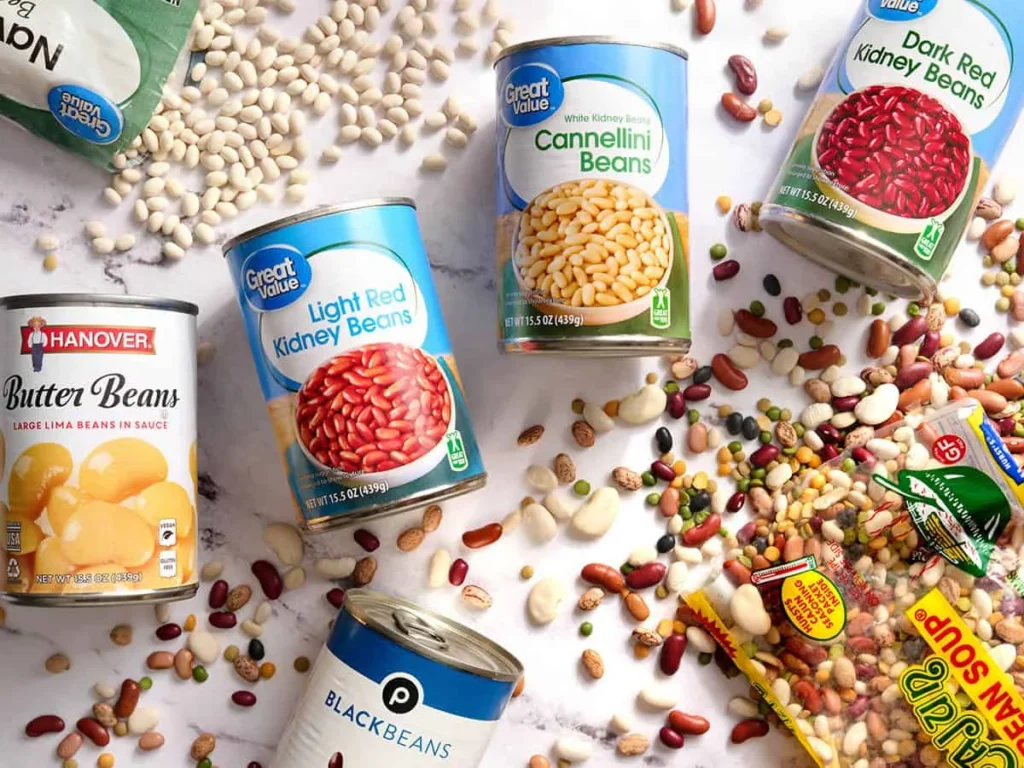
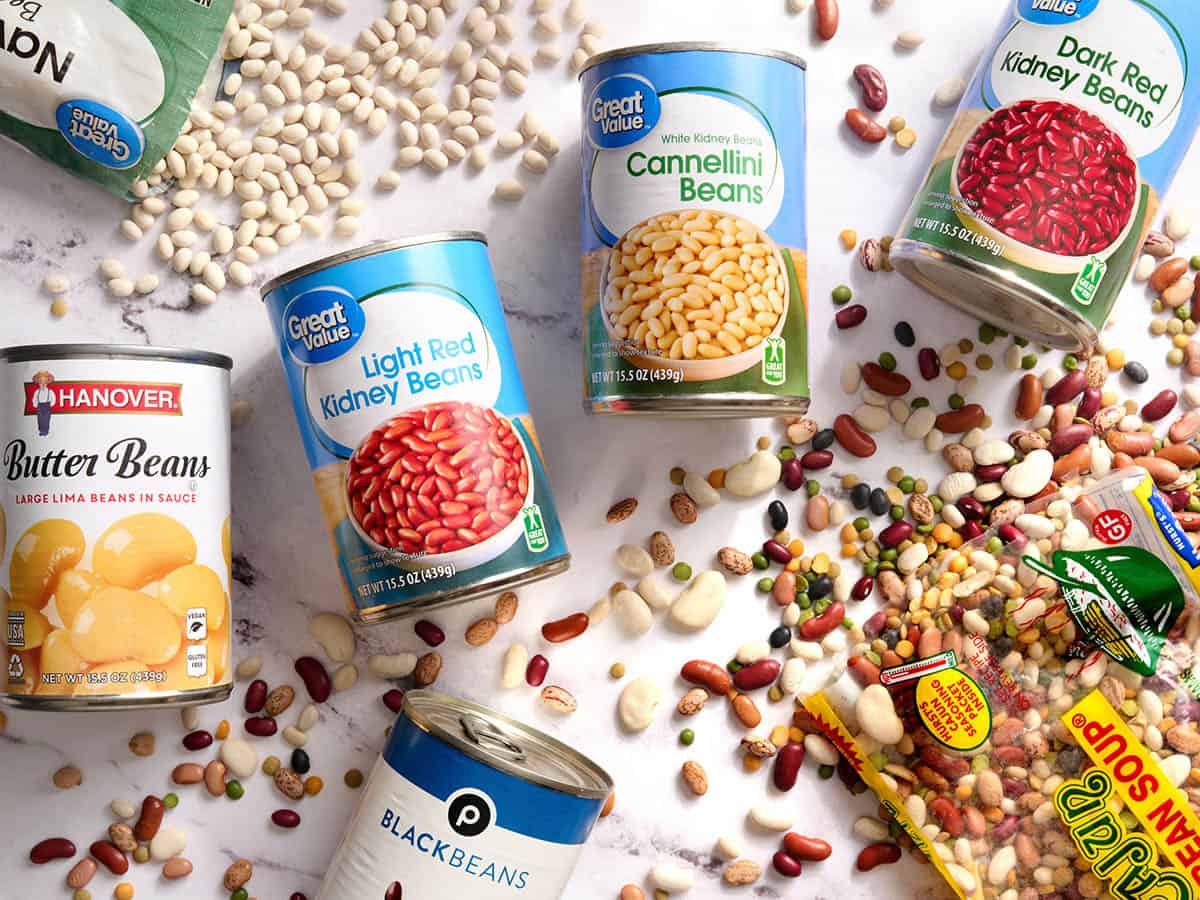
Canned staples—historically the bedrock of budget-conscious households—have experienced some of the sharpest price increases. This trend is driven not by the agricultural commodities inside the packaging, but by the physical container.
Under Section 232 tariff frameworks and ongoing trade disputes, imported tinplate steel and food-grade aluminum are subject to heavy duties. Because domestic packaging manufacturers rely on foreign raw materials to meet national demand, these import taxes are absorbed by food processors, marked up, and ultimately passed directly to retail consumers.
2. Import Duties on Fresh Produce and Seafood
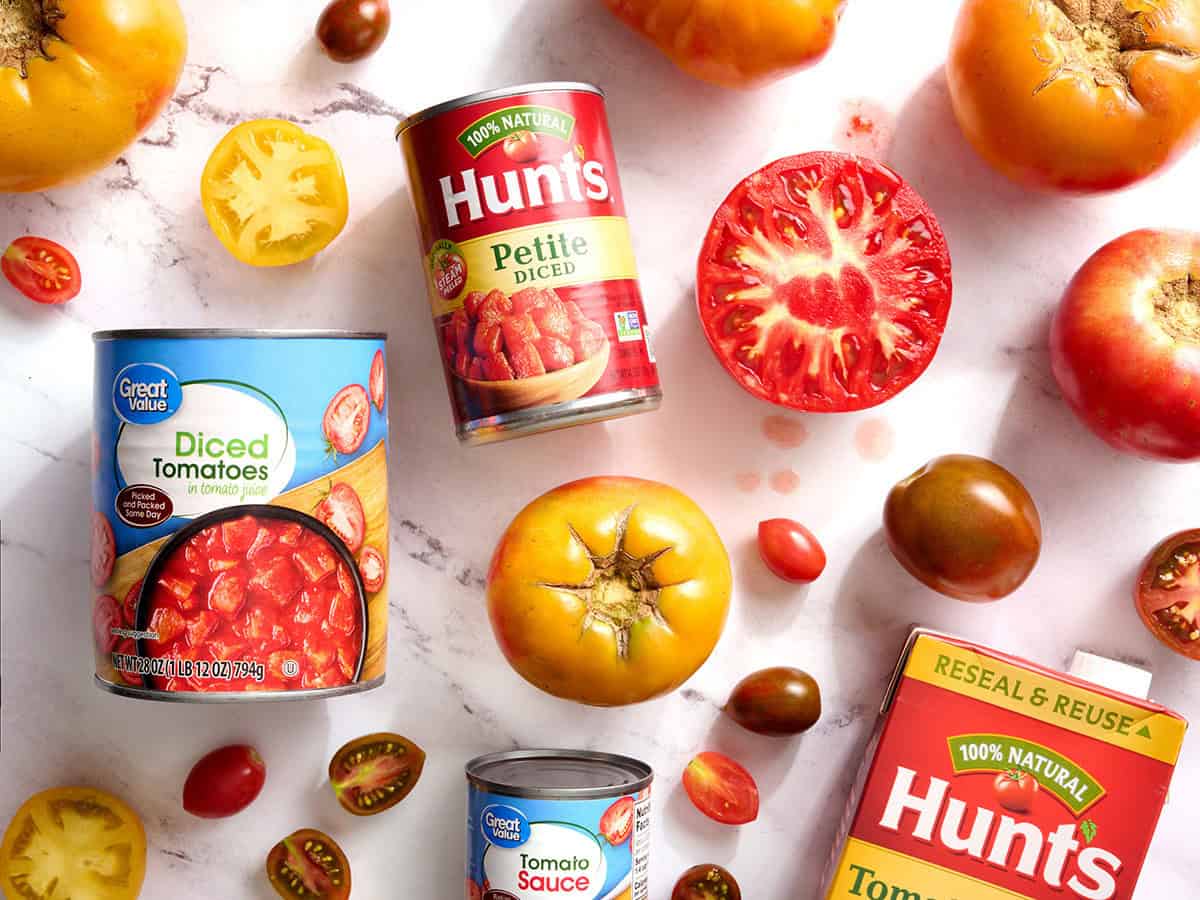
The United States remains heavily reliant on global trade partners to maintain a year-round supply of fresh produce and seafood. Approximately 70% of fresh tomatoes consumed in the U.S. are imported from Mexico, while over 80% to 90% of consumed seafood originates from overseas aquaculture hubs, including Vietnam, India, Indonesia, and Canada.
Recent policy shifts, such as the U.S. withdrawal from the long-standing U.S.-Mexico Tomato Suspension Agreement, have triggered immediate double-digit tariffs (including a baseline 17% duty on Mexican tomatoes) that directly increase the cost of fresh produce.
3. Compounding Middleman Markups and Logistical Surcharges
Tariffs are not flat fees paid quietly at the port of entry; they behave as a regressive tax that compounds across the supply chain. When an importer pays a tariff at the port, that cost is marked up to preserve profit margins before the goods are sold to regional distributors.
Distributors apply their own percentage-based markups before selling to retail supermarkets. Additionally, secondary factors—such as diesel freight surcharges and elevated global fertilizer costs linked to ongoing geopolitical instability, including the conflict in Iran—further inflate transport overhead.
Chronology: The Evolution of Trade Policy (2024–2026)
To understand the current economic environment, it is necessary to trace the legislative, judicial, and executive actions that shaped trade policy over the last two years:
- Late 2024: Market Stabilization
Following the severe post-pandemic supply chain disruptions of 2022 and 2023, grocery inflation flattened to a stable baseline. Retailers and consumers experienced a brief period of predictable pricing. - Mid-2025: Emergency Agricultural Tariffs
In an effort to protect domestic agricultural sectors, the federal administration implemented steep emergency tariffs on various goods, including Brazilian and Colombian green coffee. This action sparked immediate pushback from roasting companies and retail brands, who pointed out that coffee cannot be grown domestically in commercial quantities. - February 2026: Judicial Intervention
The Supreme Court ruled that the administration’s unilateral use of broad emergency tariff frameworks was unauthorized under existing statutory limitations. This ruling temporarily struck down several emergency tariffs, offering brief relief to sectors like coffee and banana importers. - Spring 2026: Alternative Trade Measures
In response to the judicial setback, the administration bypassed the emergency framework by pursuing alternative legal avenues, utilizing non-IEEPA (International Emergency Economic Powers Act) trade measures, Section 301 tariffs, and anti-dumping duties to target specific nations and commodities. - June 2026: The JEC Annual Report
The Joint Economic Committee published its annualized inflation fact sheet, confirming that trade-induced price increases had cost American households over $3,500 in cumulative purchasing power since 2024. - July 2026: The New Tariff Framework
The administration announced a sweeping new round of tariffs targeting 60 trading partners. This policy established baseline import tariffs ranging from 10% to 12.5%, alongside aggressive targeted rates, including up to 50% on Canadian imports and 25% on Brazilian goods.
Supporting Data: Empirical Evidence from the Kitchen and the Market
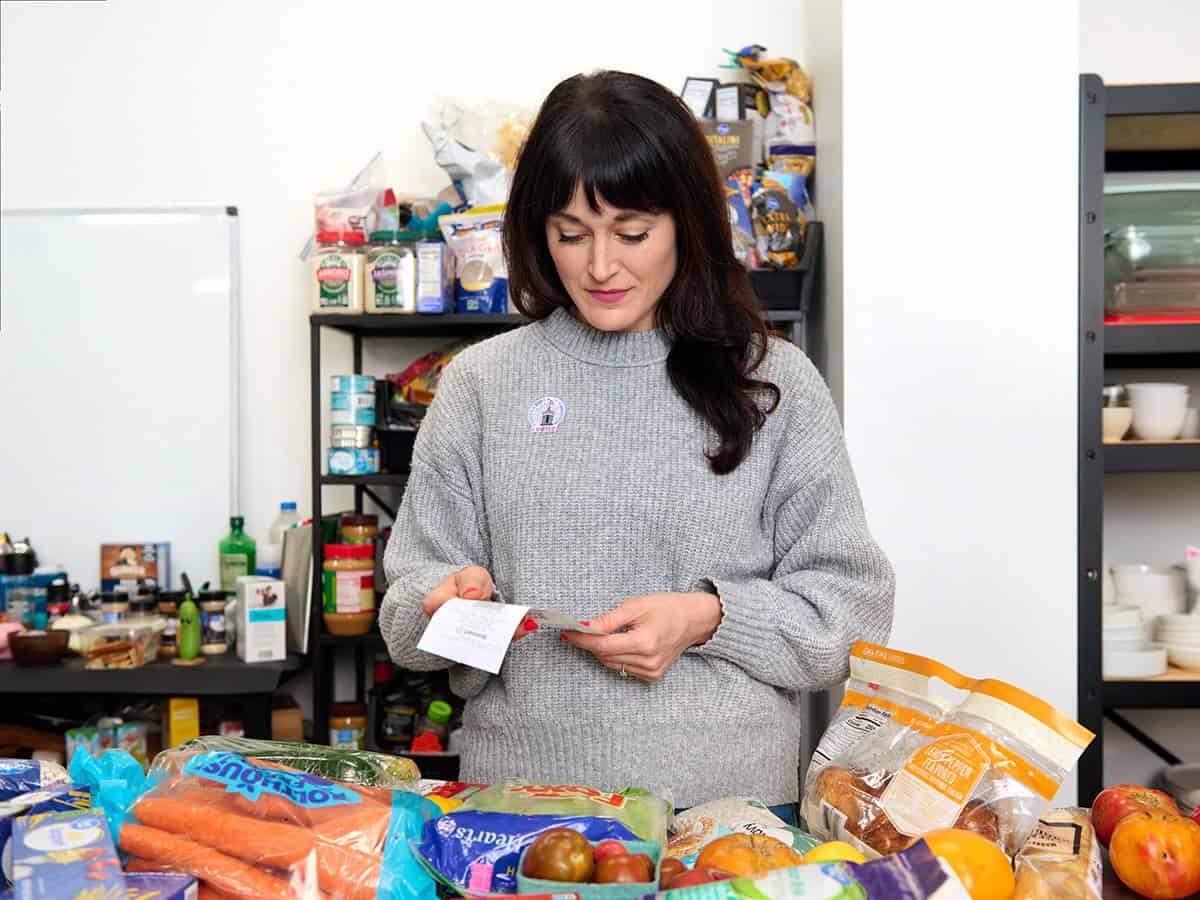
To isolate the impact of recent trade policies from general inflation, researchers at the Budget Bytes Nashville Test Kitchen conducted a retail price comparison. By re-costing popular, standardized budget recipes originally published in 2024 against actual retail prices in July 2026, researchers mapped the exact trajectory of trade-induced food inflation.

Recipe Price Comparisons (2024 vs. July 2026)
| Recipe Name | 2024 Cost ($) | July 2026 Cost ($) | Dollar Increase ($) | Percentage Increase (%) |
|---|---|---|---|---|
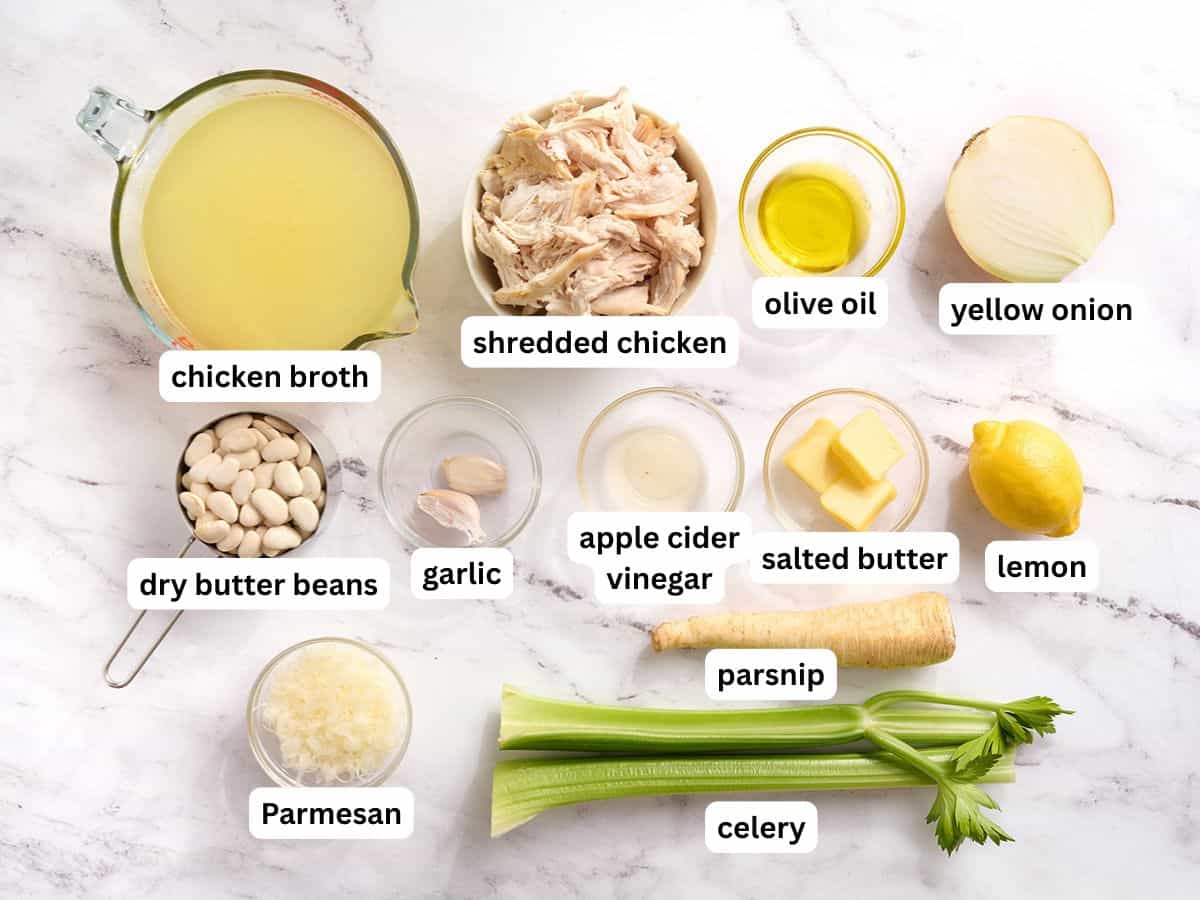
| Pasta e Fagioli | 6.71 | 8.56 | +1.85 | 27.57% |
| Shrimp and White Bean Stew | 11.22 | 15.69 | +4.47 | 39.84% |
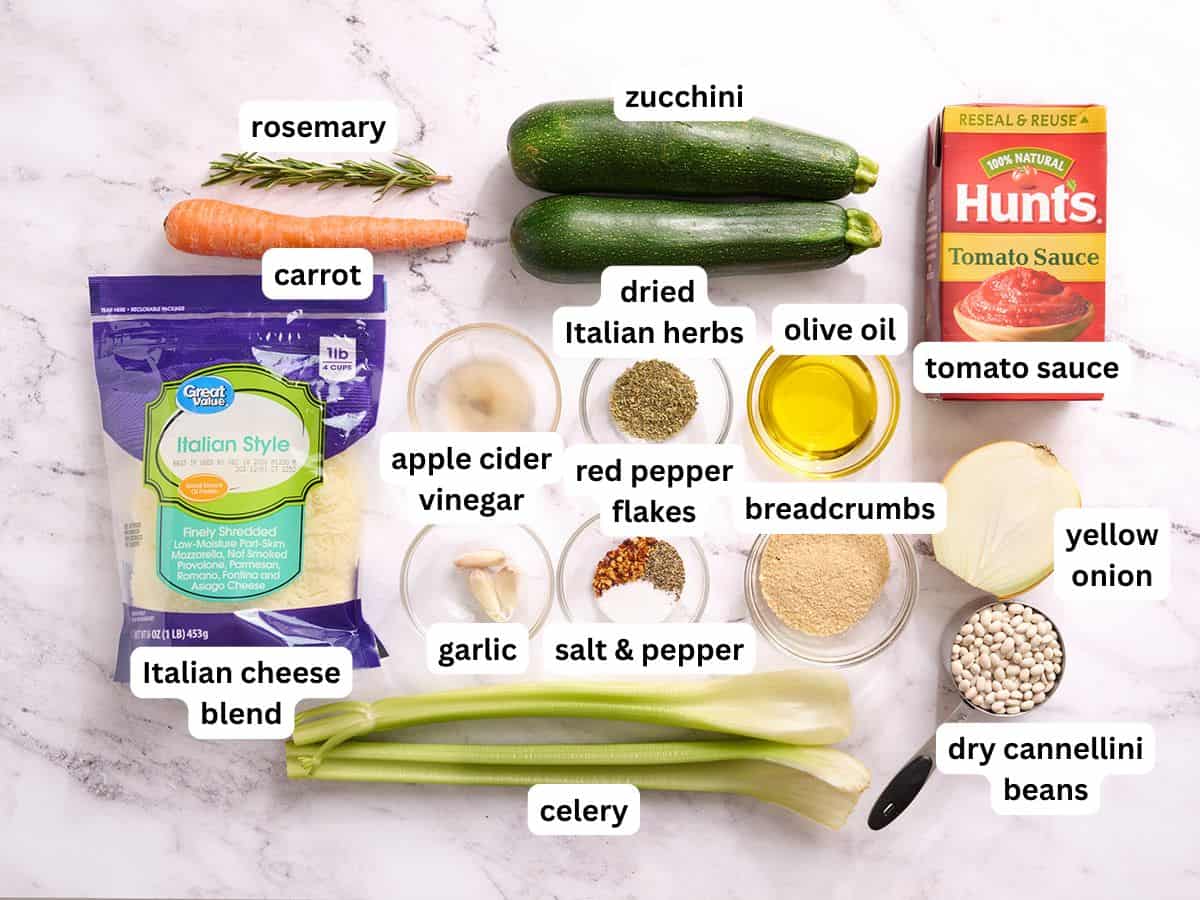
| Tuscan White Bean Stuffed Tomatoes | 9.42 | 13.78 | +4.36 | 46.28% |
Micro-Analysis of Key Commodity Jumps
Shrimp and Canned Beans
In the Shrimp and White Bean Stew recipe, two 15-ounce cans of butter beans accounted for $1.62 of the total $4.47 increase. This rise is directly attributed to the tinplate steel tariff on food cans.
Concurrently, one pound of imported shrimp rose by $1.51 (+23%), driven by ocean shipping rates, port tariffs, and refrigerated transport costs.
Fresh Slicer Tomatoes
In the Tuscan White Bean Stuffed Tomatoes recipe, the cost of four fresh slicer tomatoes surged to nearly $8.00, representing the bulk of the meal’s 46.28% price increase.
Because domestic greenhouse and field production cannot meet national demand, retail chains rely on Mexican imports, passing the 17% tariff directly to the checkout counter.
                       JULY 2026 GROCERY INFLATION BY CATEGORY
                       (Percentage Increase Over 2024 Baseline)

  Category              Price Increase (%)
  ------------------------------------------------------------
  Seafood               |||||||||||||||||||||||||||||||||||| 85% (Avg. Import Reliance)
  Fresh Tomatoes        ||||||||||||||||||| 17% (Direct Mexican Tariff)
  Canned Beans/Staples  ||||||||||||||||| 15% (Tinplate Packaging Tariff)
  Ground Beef           |||||||||||||| 12% (Imported Lean Trimmings Tariff)
  Imported Pasta        ||||||||||| 10% (Bilateral European Tariff)
  Domestic Store Pasta  | 0% (No Border Crossings)
  ------------------------------------------------------------
Official Responses & Political Landscape
The ongoing trade war has sparked intense debate in Washington, dividing lawmakers and mobilizing advocacy groups representing working-class families.
Congressional Action and Legislative Votes
Congress has voted multiple times to support and sustain the current administration’s tariff policies, viewing them as necessary measures to protect domestic manufacturing and build supply chain resilience. However, critics argue that these policies act as a regressive sales tax on consumers.
A key point of contention is the legislative debate over whether to reject cost-raising tariffs on Canada—a primary source of imported timber, energy, and food products. Citizens can review the official voting records of their representatives on these specific tariff measures via the U.S. House of Representatives Roll Call Vote Registry.
Coalition and Advocacy Statements
The Campaign for a Family Friendly Economy, alongside regional advocacy groups such as Michigan Families for Fair Care, has issued statements calling for immediate legislative relief. A spokesperson for the coalition stated:
"While the long-term goal of reshoring supply chains is understandable, the immediate execution of these tariffs is actively penalizing working families at the grocery checkout. A family cannot wait five years for a domestic steel mill or a tomato greenhouse network to be built when their weekly food budget has shrunk by 30% today."
Implications: Strategic Consumer Adaptation and Economic Outlook
As the trade war continues with no clear resolution in sight, economists and consumer advocates suggest that the retail landscape will undergo permanent structural changes. To mitigate the impact of these tariffs, consumers are shifting their buying habits, forcing retailers to adjust their inventory strategies.
1. The De-Canning of the American Pantry
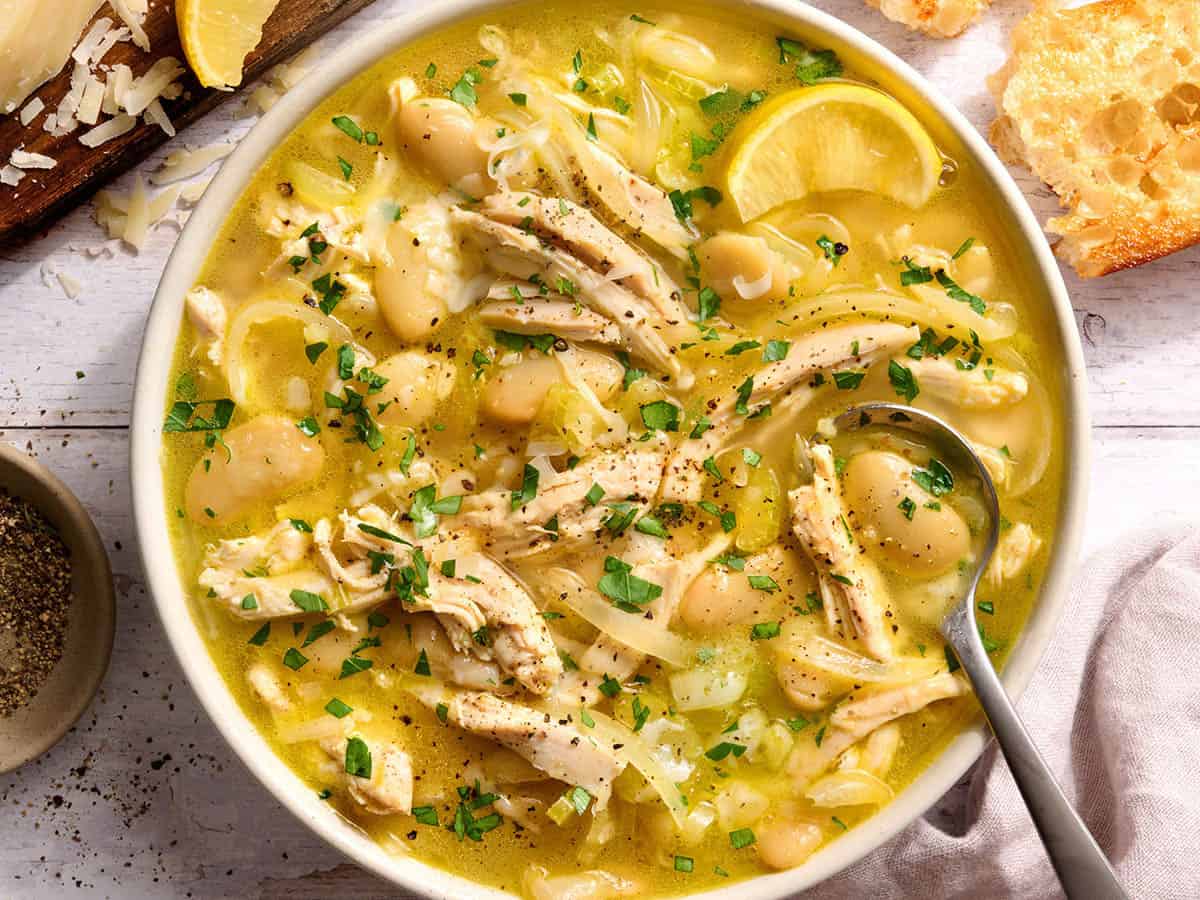
The "metal tax" on tinplate steel is driving budget-conscious shoppers away from canned goods. Consumers are increasingly opting for dry, bagged commodities (such as dry beans and lentils) or frozen goods packaged in domestic plastic films.
While dry beans require preparation time, they bypass the tariff-inflated cost of metal packaging entirely, offering a significantly lower cost-per-serving.
2. The Great Value Pivot: Domestic vs. Imported Brands
The price gap between imported brand-name items and domestic store brands has widened considerably. For example, imported Italian pasta carries the burden of transatlantic shipping and bilateral European food tariffs.
In contrast, domestic store brands (such as Walmart’s Great Value or Kroger’s store-brand pasta) utilize durum wheat grown in the Great Plains and processed in domestic facilities. Because these products never cross an international border, they incur $0 in direct import tariffs, making them highly resilient budget alternatives.
                  TARIFF SPREAD: IMPORTED VS. DOMESTIC STAPLES

    [ Imported Italian Pasta ]  --->  Subject to: Transatlantic Freight + European Tariffs
                                      Result: High Retail Shelf Price

    [ Domestic Store Brand ]    --->  Subject to: Domestic Wheat + U.S. Processing
                                      Result: Stable, Low Retail Shelf Price ($0 Tariffs)
3. Protein Substitution Strategies
The domestic beef sector is facing a severe supply squeeze due to historic U.S. cattle shortages. Normally, processors blend domestic fat trimmings with lean beef trimmings imported from Australia and Brazil to produce affordable ground beef.
However, high import tariffs on these foreign trimmings have driven ground beef prices to record highs. Consequently, consumers are adjusting by substituting beef with domestic pork or poultry, which remain insulated from international trade taxes.
4. The Geography of Sourcing and Farmer’s Markets
While regional farmers’ markets bypass international tariffs and major distribution networks, they are not a universal solution. Local growers still face indirect tariff pressures, such as elevated costs for imported machinery parts and fertilizer.
Furthermore, access to local markets remains a geographic luxury that is often unavailable to urban food deserts or regions with short growing seasons.
With the 2026 midterm elections approaching, the political consequences of food cost inflation are expected to be a central issue for voters. The ongoing tension between protective trade policies and the daily cost of living will likely keep the grocery store checkout lane at the center of the national economic debate.