Dietary Keys to Hair Growth: Unpacking the Science Behind Peppers, Soy, and Pumpkin Seeds
Main Facts:
Hair loss, medically known as androgenetic or androgenetic alopecia, represents one of the most prevalent chronic concerns encountered by dermatologists globally. Characterized by progressive thinning and loss, primarily across the central scalp, it manifests as male pattern baldness in men and female pattern hair loss in women. While pharmaceutical interventions and various supplements have long dominated the conversation around hair restoration, a growing body of scientific inquiry is shedding light on the profound, often surprising, role that diet and gut health may play. Emerging research suggests that specific dietary components found in everyday foods—such as hot peppers, soy products, and pumpkin seeds—could offer significant, evidence-based avenues for promoting hair growth and mitigating hair loss, challenging conventional wisdom and opening new frontiers in dermatological nutrition.
Understanding Androgenetic Alopecia: A Widespread Concern
Androgenetic alopecia, often simply referred to as pattern baldness, is a complex condition influenced by a combination of genetic predisposition and hormonal factors, particularly androgens like dihydrotestosterone (DHT). DHT can miniaturize hair follicles, leading to shorter, finer hairs and eventually cessation of hair growth. Its prevalence underscores its significance as a public health issue; millions worldwide grapple with its physical and psychological impact. Beyond the visible thinning, hair loss can significantly affect self-esteem, body image, and overall quality of life. For decades, treatment strategies have primarily revolved around topical medications like minoxidil and oral drugs such as finasteride, which aim to either stimulate hair growth directly or inhibit the hormonal pathways contributing to follicle miniaturization. However, these treatments often come with potential side effects, variable efficacy, and a need for continuous application, prompting a persistent search for safer, more accessible, and complementary approaches. The quest for holistic solutions has naturally led researchers to explore the foundational elements of human health: diet and the intricate ecosystem of the gut.
The Gut-Brain-Hair Axis: A Surprising Connection
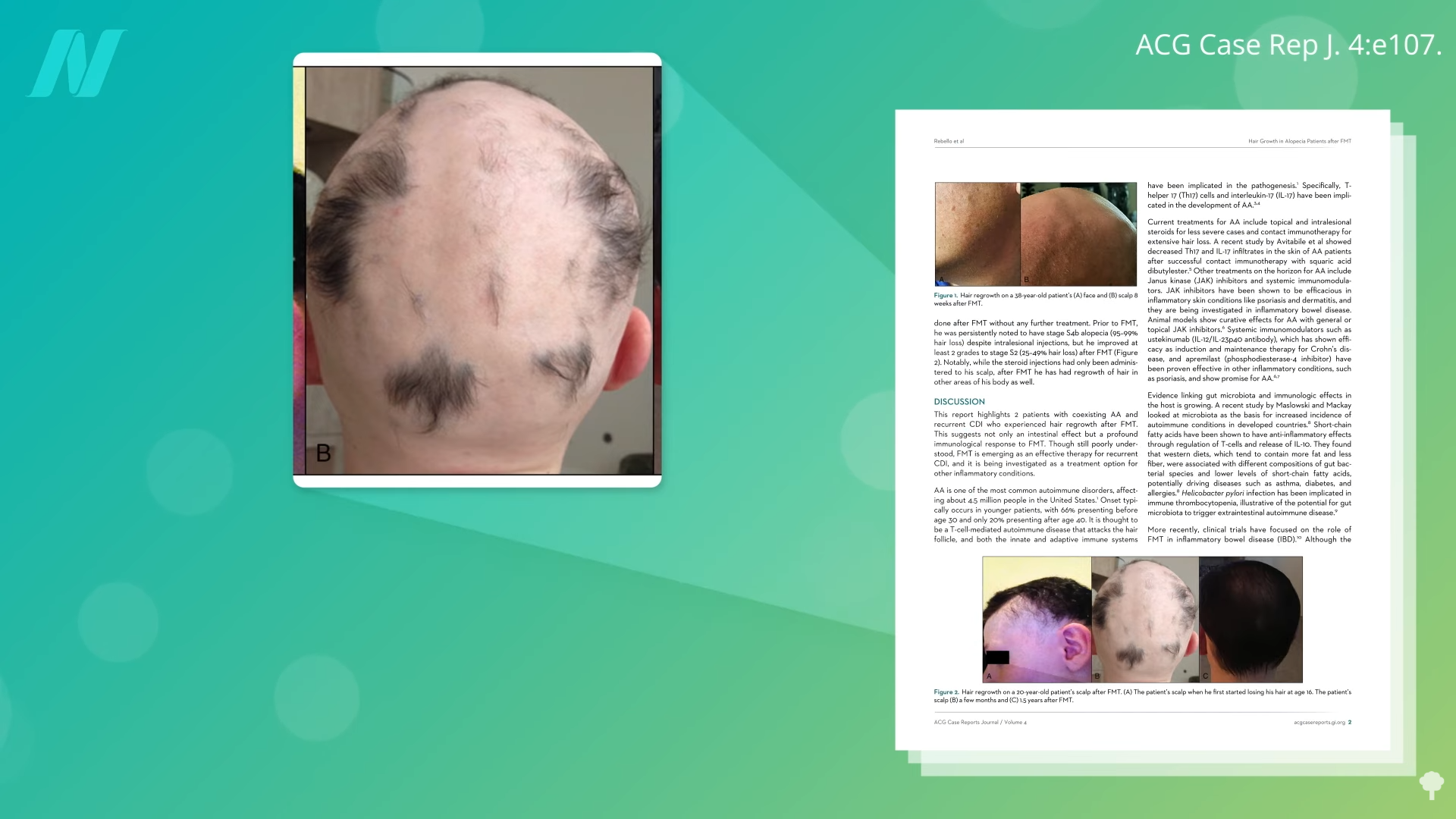
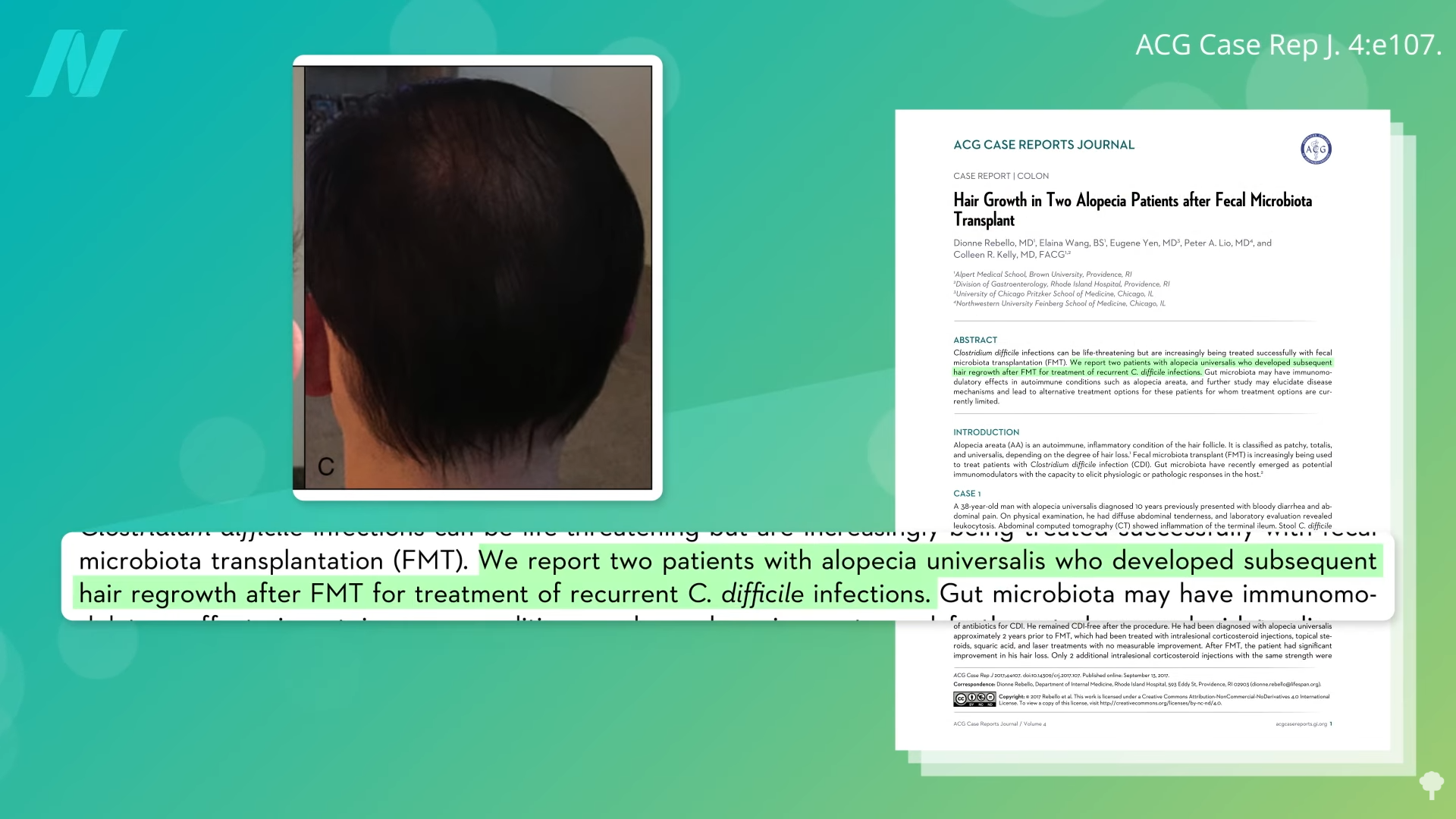
The intricate relationship between our gut microbiome and various systemic health aspects, including dermatological conditions, is a rapidly expanding field of research. One of the most striking and compelling pieces of evidence highlighting the gut’s influence on hair growth comes from an unexpected source: human fecal transplants. In a series of remarkable case reports, individuals undergoing fecal microbiota transplantation (FMT) for unrelated conditions experienced an astonishing side effect – significant hair regrowth. These weren’t subtle changes; one particularly compelling case documented a completely bald individual who, after receiving a "fecal slurry made from freshly passed stools" from a donor, began to regrow hair within months. Over a little more than a year, his hair had fully returned.
This dramatic outcome, while not a recommendation for a "brown smoothie," offers a profound clue into the immense power of our gut microbiome. The gut houses trillions of microorganisms that play critical roles in nutrient absorption, immune regulation, and the production of various bioactive compounds. An imbalanced or unhealthy gut microbiome (dysbiosis) can contribute to systemic inflammation, affect hormone metabolism, and potentially disrupt the delicate cycles of hair follicle growth. The theory is that a healthy, diverse gut microbiome, as potentially reset by an FMT, could modulate these pathways, fostering an environment conducive to hair regeneration. This powerful demonstration shifts the perspective from merely topical or hormonal interventions to considering the foundational role of internal health. It underscores the principle that nurturing our "good gut bugs" through diet and lifestyle may have far-reaching benefits, including those for hair health. While fecal transplants are a highly invasive medical procedure not recommended for hair loss, the findings strongly suggest that dietary strategies aimed at improving gut health could serve as a non-invasive pathway to supporting hair growth.
Dietary Patterns and Hair Health: Population-Level Insights
Moving beyond the extraordinary case of fecal transplants, broader population studies offer further support for the link between diet, lifestyle, and hair loss. These large-scale observational studies, while not proving causation, identify strong correlations that guide further investigation. For instance, research has consistently found that male pattern baldness is associated with suboptimal lifestyle choices, including poor sleeping habits and a diet rich in processed foods, meat, and junk food. These dietary patterns often contribute to chronic low-grade inflammation, oxidative stress, and imbalances in gut microbiota, all of which can negatively impact hair follicle health.
Conversely, protective associations have been identified with the regular consumption of raw vegetables and fresh herbs, which are abundant in vitamins, minerals, antioxidants, and fiber – all crucial for overall health and healthy hair growth. Perhaps most notably, frequent consumption of soymilk has been linked to a reduced risk of hair loss. One study reported that individuals who regularly drank soy beverages on a weekly basis experienced a 62% lower odds of moderate to severe hair loss. This significant finding raises the intriguing possibility that specific protective compounds within plants, such as isoflavones found in soy, may exert beneficial effects on hair follicles. These population-level insights provide a compelling argument for adopting a more plant-centric diet as a proactive measure against hair thinning, aligning with general recommendations for long-term health and well-being.
Scrutinizing the Evidence: Beyond Anecdotes and Animal Studies
In the vast and often unregulated landscape of complementary and alternative medicine, claims of "curing" hair loss "safely" and with "less side effects" are abundant. However, a critical review of the scientific literature reveals a significant disparity in the quality of evidence. Many purported solutions are backed by anecdotal reports, marketing hype, or poorly designed studies. It is crucial for consumers and practitioners alike to look beyond overarching claims and scrutinize the methodology behind the research.
A common pitfall in hair loss research, for example, is the reliance on animal models, particularly shaved rodents. While animal studies can provide preliminary insights, their direct applicability to human physiology and complex conditions like androgenetic alopecia is often limited. As one might humorously observe, "Hey, let’s smear shaved mice with bee venom!"—such experiments, while yielding results in mice, offer little concrete guidance for human treatment. Furthermore, even clinical studies conducted on actual people often suffer from methodological flaws, most notably the absence of a placebo control group. Without a placebo, it becomes impossible to differentiate between a genuine treatment effect and the placebo effect, or to rule out other confounding factors. This lack of rigorous scientific validation makes it difficult to ascertain whether a particular food or supplement genuinely contributes to hair growth or if the observed improvements are merely coincidental. Therefore, when evaluating potential dietary interventions for hair loss, the gold standard remains the randomized, double-blind, placebo-controlled trial—a methodology designed to minimize bias and provide the most reliable evidence.
The Power of Peppers and Soy: Capsaicin and Isoflavones
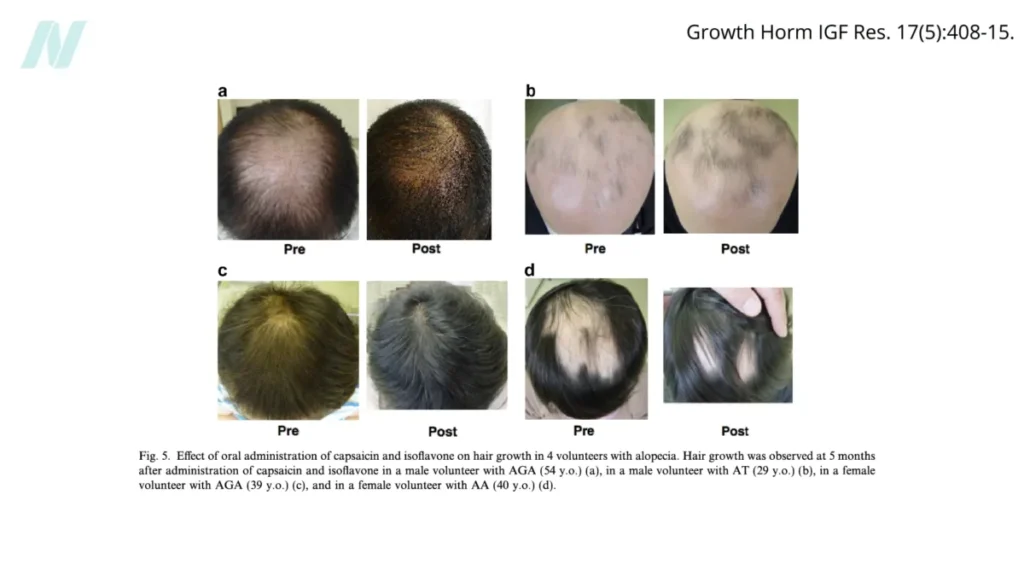
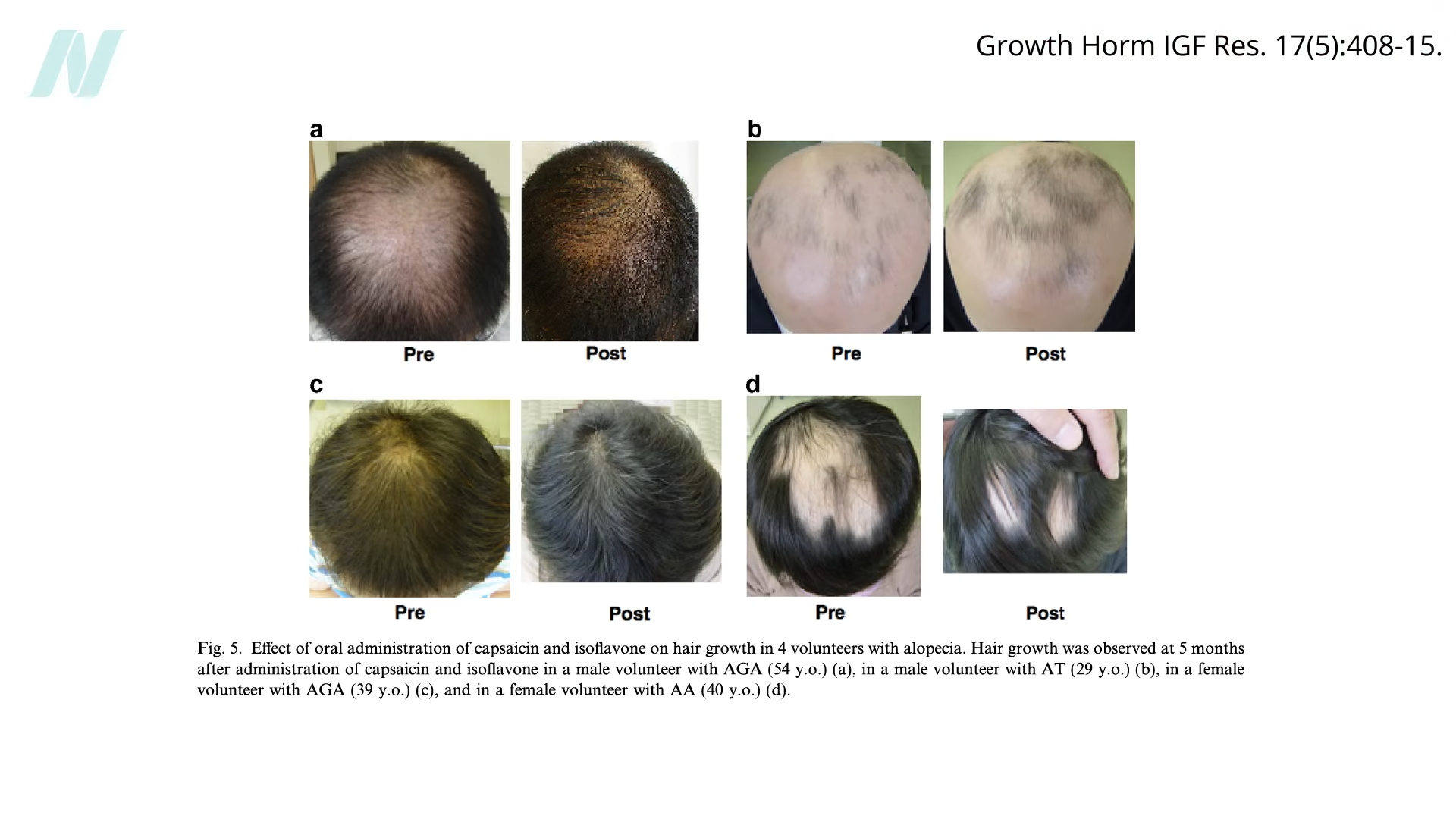
Amidst the sea of questionable claims, a randomized, double-blind, placebo-controlled study offers compelling evidence for the efficacy of compounds found in hot peppers and soy. This rigorous study investigated the combined effect of capsaicin (the active compound in chili peppers responsible for their heat) and soy isoflavones on hair growth. The results were striking, demonstrating a significantly higher promotion of hair growth in participants receiving the active compounds compared to the placebo group. The study provided visual evidence, showcasing before-and-after pictures of both men and women who experienced noticeable improvements in hair density and coverage.
The dosages used in this impactful study were remarkably achievable through everyday dietary intake. Participants received 6 milligrams of capsaicin and 75 milligrams of isoflavones daily. To put this into a practical food context:
- Capsaicin: 6 milligrams can be obtained from as little as a quarter of a fresh jalapeño pepper. This is a very manageable amount for most individuals to incorporate into their meals.
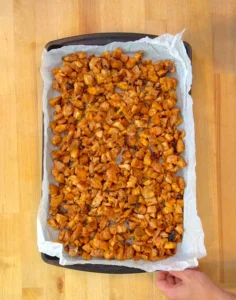
- Isoflavones: 75 milligrams of isoflavones can be found in approximately three-quarters of a cup of tempeh or straight soybeans. While soy nuts (dry-roasted soybeans) offer a more concentrated source, it’s important to consider processing methods. High-fat, high-protein foods prepared at high temperatures can lead to the formation of advanced glycation end-products (AGEs), which are linked to various health issues. Therefore, avoiding routinely eating roasted or toasted nuts, seeds, or soy is often suggested in favor of less processed forms like tempeh or edamame. This research strongly suggests that incorporating these common plant-based foods into a regular diet could provide a safe and effective means to support hair growth, harnessing natural compounds validated by robust scientific inquiry.
Pumpkin Seeds: A Tiny Seed with Big Potential
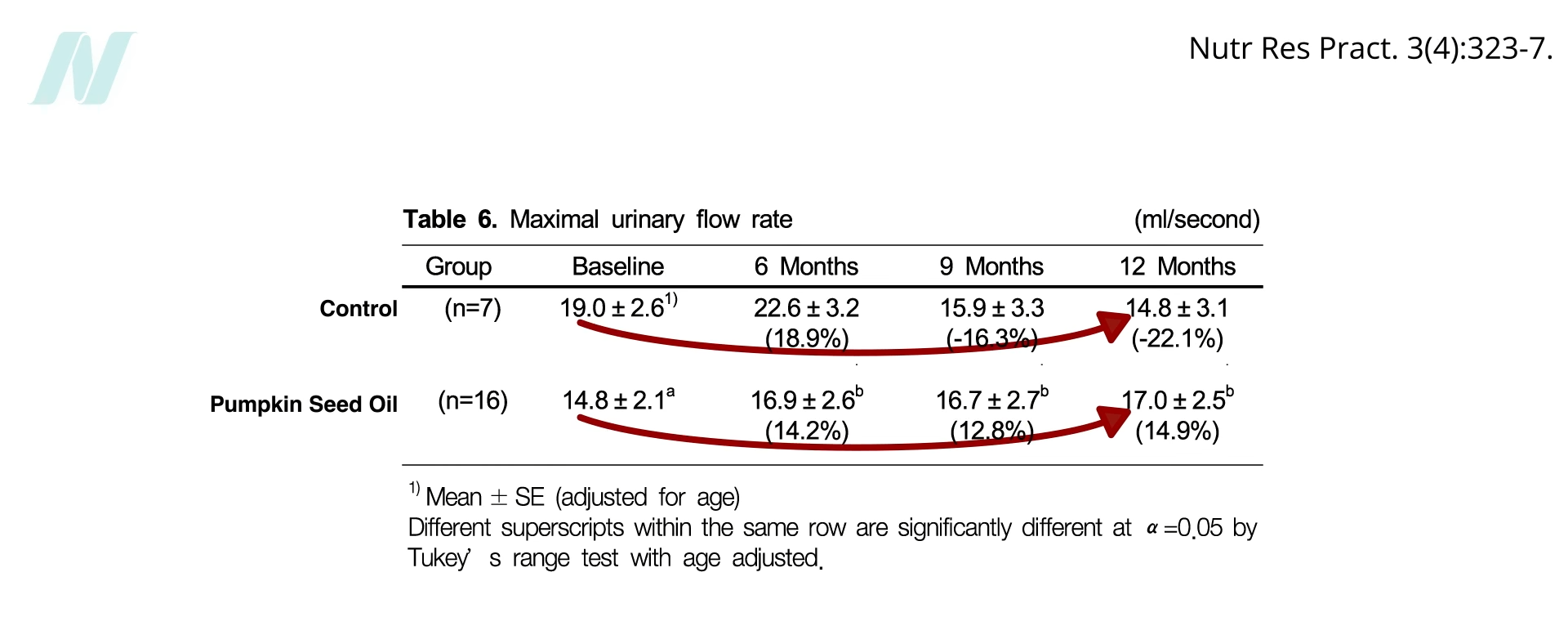
The journey to uncovering the hair-boosting potential of pumpkin seeds began unexpectedly, stemming from research into benign prostatic hyperplasia (BPH), commonly known as an enlarged prostate gland. In 2009, a study conducted in South Korea revealed that men with BPH who were randomized to receive just 320 milligrams of pumpkin seed oil daily experienced improved urinary flow rates. This minute dose, equivalent to about a sixteenth of a teaspoon or the oil from just two single pumpkin seeds, led to significant improvements in urinary function, while the control group continued to see a decline. This observed effect suggested an anti-androgen action, meaning pumpkin seed oil might help reduce the activity of androgens like DHT, which are implicated in both BPH and androgenetic alopecia.
Building on this insight and preliminary findings from topical applications in mice, researchers embarked on a human clinical trial to investigate the direct effect of pumpkin seed oil on hair loss. This randomized, double-blind, placebo-controlled trial involved 76 men diagnosed with male pattern baldness. Participants were divided into two groups: one receiving 400 milligrams of pumpkin seed oil daily (hidden in capsules to ensure blinding) and the other receiving placebo capsules, over several months. This dosage, akin to the oil derived from two to two and a half pumpkin seeds per day, was chosen for its demonstrated efficacy in the BPH study.
The researchers meticulously measured scalp hair growth using a variety of objective and subjective assessments. After 24 weeks of treatment, the results were compelling. The pumpkin seed oil group reported higher self-rated improvement and satisfaction scores. More importantly, objective measures confirmed a substantial increase in hair counts: the pumpkin seed oil group experienced an impressive 40% increase in hair, significantly outperforming the placebo group, which saw only a modest 10% increase. Visual documentation, including representative before-and-after photographs, further illustrated the noticeable improvement in hair coverage among participants taking the pumpkin seed oil.
To further validate these findings, independent investigators, blinded to the group assignments, rated the changes in hair growth. They consistently observed that the placebo groups generally showed slight worsening over time, whereas the pumpkin seed oil group exhibited significant improvement. Overall, 95% of individuals in the pumpkin seed oil group were rated as either unchanged or improved, in stark contrast to the placebo group, where over 90% were classified as unchanged or worsened. Given such a pronounced effect, a natural concern might arise regarding potential sexual side effects, as some conventional hair loss drugs can impact libido or erectile function. However, researchers specifically evaluated an index of erectile dysfunction both before and after the study and found no evidence of adverse effects, affirming the safety profile of pumpkin seed oil at the tested dosage. This study provides robust evidence that a simple, natural food component, often overlooked and discarded, holds genuine promise for combating hair loss.
Integrating Dietary Strategies into Daily Life
The convergence of evidence from gut microbiome research, population studies, and rigorous randomized controlled trials paints a clear picture: diet plays a crucial, often underestimated, role in managing and potentially reversing hair loss. The insights gleaned from studies on hot peppers, soy, and pumpkin seeds offer actionable, accessible, and natural strategies for individuals seeking to improve their hair health.
Integrating these beneficial foods into a daily routine is straightforward and aligns with general recommendations for a whole-foods, plant-rich diet:
- Hot Peppers: Incorporating a quarter of a fresh jalapeño into meals provides the effective dose of capsaicin. This can be easily added to salsas, stir-fries, omelets, or as a garnish.
- Soy Foods: Three-quarters of a cup of tempeh or straight soybeans offers the necessary isoflavones. Tempeh can be marinated and stir-fried, crumbled into sauces, or used in sandwiches. Edamame (fresh soybeans) makes a healthy snack. Prioritizing minimally processed soy products is key to maximizing benefits and avoiding potential issues from advanced glycation end-products.
- Pumpkin Seeds: The therapeutic dose of pumpkin seed oil is equivalent to the oil from just two to two and a half pumpkin seeds daily. This can be achieved by simply snacking on a small handful of raw pumpkin seeds, adding them to salads, oatmeal, or smoothies. Dr. Greger’s "Daily Dozen" checklist, which advocates for daily consumption of nuts and seeds, makes this recommendation easy to integrate into a broader healthy eating pattern.
Beyond these specific ingredients, the overarching message from population studies reinforces the importance of a diet rich in raw vegetables, fresh herbs, and whole plant foods, while minimizing meat and ultra-processed junk foods. Such a diet supports a healthy gut microbiome, reduces inflammation, and provides a spectrum of essential nutrients vital for robust hair growth. These dietary adjustments not only target hair loss but also contribute to a myriad of other health benefits, including improved cardiovascular health, better digestive function, and enhanced energy levels.
The Road Ahead: Future Research and Holistic Approaches
While the findings regarding hot peppers, soy, and pumpkin seeds are highly promising, it is crucial to maintain a balanced perspective. These dietary interventions, though backed by solid research, should be viewed as powerful complementary strategies rather than definitive "cures" for all forms of hair loss. Androgenetic alopecia is a complex, multifactorial condition, and individual responses to dietary changes can vary.
Further research is undoubtedly warranted to delve deeper into the precise mechanisms by which these foods exert their effects. Understanding the intricate molecular pathways, the optimal dosages for different individuals, and the potential synergistic effects of combining these ingredients could pave the way for even more targeted and effective nutritional interventions. Longitudinal studies are also needed to assess the long-term efficacy and sustainability of these dietary approaches.
Ultimately, addressing hair loss effectively often requires a holistic approach that integrates lifestyle factors alongside specific treatments. This includes prioritizing adequate sleep, managing stress, and maintaining overall physical health, in addition to adopting a nutrient-dense, plant-forward diet. For individuals struggling with hair loss, discussing these dietary strategies with a healthcare provider or a registered dietitian can help create a personalized and evidence-based plan. By embracing the power of whole foods, we empower ourselves with natural, accessible tools to support hair health, moving beyond the limitations of conventional treatments and fostering well-being from the inside out.