Unlocking Longevity: The Dietary Secrets to Boosting FGF21
For over a century, the pursuit of longevity has captivated humanity, with various strategies proposed to extend healthy lifespan. Among the earliest recognized methods, fasting was not only hailed as a remedy for "cerebral lassitude" but also championed for its potential to prolong healthy longevity. In contemporary science, a compelling link has emerged, suggesting that the hormone Fibroblast Growth Factor 21 (FGF21) may be a crucial mediator in this age-old quest. Characterized as a "systemic enhancer of longevity," FGF21 levels can be significantly boosted through prolonged fasting. However, for those seeking less drastic approaches, recent research reveals that dietary adjustments – specifically increasing certain carbohydrates and moderating protein intake – can yield similar, remarkable effects.
This article delves into the fascinating interplay between diet, FGF21, and longevity, exploring how specific food choices can optimize this vital hormone. We will examine the scientific evidence supporting these claims, from the benefits of fiber-rich whole grains to the profound impact of protein moderation and plant-based diets, ultimately offering a comprehensive understanding of how to harness FGF21 for enhanced metabolic health and extended lifespan.
The Promise of FGF21: A Systemic Enhancer of Longevity
Fibroblast Growth Factor 21 (FGF21) is a fascinating hormone, primarily produced in the liver, that plays a pivotal role in regulating metabolism. Its functions are diverse, encompassing glucose and lipid metabolism, insulin sensitivity, and energy expenditure. More recently, FGF21 has garnered significant attention for its potent anti-aging properties, leading researchers to label it a "systemic enhancer of longevity." Studies have shown that elevated FGF21 levels are associated with improved metabolic health markers, protection against various age-related diseases, and in some animal models, extended lifespan.
While strenuous exercise and prolonged fasting are known to stimulate FGF21 production, the burgeoning field of nutritional science is uncovering dietary pathways that can achieve similar benefits without the rigor of extreme interventions. This opens up exciting possibilities for integrating longevity-promoting strategies into everyday eating habits.
A Historical Perspective on Fasting and Longevity
From Ancient Wisdom to Modern Science
The concept of fasting for health and longevity is far from new. Across diverse cultures and throughout history, periods of caloric restriction have been incorporated into spiritual practices, healing rituals, and philosophical tenets. Ancient Greek physicians, including Hippocrates, advocated for fasting to promote healing, while many religions worldwide still observe fasting as a means of purification and spiritual enlightenment. The historical literature often speaks of fasting as a way to clear the mind, restore vitality, and, crucially, extend life.
For centuries, these observations remained largely anecdotal or rooted in traditional wisdom. However, the advent of modern scientific inquiry has begun to unravel the biological mechanisms underlying these perceived benefits. The discovery and subsequent investigation of hormones like FGF21 provide a molecular explanation for why practices like fasting might indeed contribute to "the prolongation of healthy longevity." This bridge between ancient practices and contemporary endocrinology underscores the profound impact of metabolic regulation on the aging process, setting the stage for exploring how diet can mimic some of these effects.
Decoding Dietary Triggers for FGF21 Elevation
The exciting news for those disinclined towards prolonged fasting is that dietary modifications offer a powerful alternative for boosting FGF21. Research points to two primary dietary levers: strategic carbohydrate intake and thoughtful protein moderation.
The Power of Carbohydrates: Fueling FGF21 with Whole Grains and Fiber
Contrary to some popular dietary trends that demonize carbohydrates, specific types of carbohydrates, particularly those found in whole grains and legumes, have been shown to significantly elevate FGF21 levels. Studies have demonstrated that providing individuals with an abundance of starchy, complex carbohydrates leads to a noticeable surge in their circulating FGF21. This effect is not simply about carbohydrate quantity but crucially about quality.
The healthiest sources of these FGF21-boosting carbohydrates are undoubtedly whole grains and beans. Unlike refined carbohydrates, which are rapidly digested and can lead to blood sugar spikes, whole grains and legumes are rich in dietary fiber. This fiber plays a critical, indirect role in FGF21 production through its interaction with the gut microbiome.
The Butyrate Connection: Gut Health and Longevity Hormones
Fiber, an indigestible component of plant foods, serves as a vital nutrient for the beneficial bacteria residing in our gut. When these "good gut bugs" ferment fiber, they produce short-chain fatty acids (SCFAs), with butyrate being one of the most well-studied. Butyrate is not just crucial for maintaining the health and integrity of the gut lining; it appears to directly contribute to boosting FGF21 levels. This means that a diet rich in fiber – from whole grains, beans, lentils, chickpeas, and a wide array of fruits and vegetables – not only supports a healthy digestive system but also actively promotes the production of a key longevity hormone. This intricate connection highlights the holistic nature of nutrition, where gut health, dietary choices, and systemic hormonal regulation are inextricably linked.
Rethinking Protein: Less May Be More for Metabolic Health
While carbohydrates play a role, perhaps the most striking dietary intervention for FGF21 elevation revolves around protein intake. Circulating FGF21 levels have been observed to increase dramatically, by more than 150% within just four weeks, after adopting a lower-protein diet. It’s crucial to clarify what "lower protein" signifies in this context: it primarily refers to reducing protein intake from the typical excess consumed by most Western populations, particularly Americans, down to or slightly above the recommended daily allowance. This is not about protein deficiency but about optimizing intake.
The American Protein Paradox: Excess vs. Optimal
The recommended daily allowance (RDA) for protein for most adult men is approximately 56 grams per day. However, data indicates that the average American man frequently consumes well over 100 grams daily, often exceeding optimal levels by a significant margin. This widespread overconsumption of protein, particularly from animal sources, has been linked to various health concerns beyond just its impact on FGF21, including potential strain on kidney function and elevated levels of insulin-like growth factor 1 (IGF-1), which is implicated in accelerated aging and cancer risk.
Unveiling the Metabolic Benefits of Protein Moderation
Several studies underscore the profound metabolic benefits of moderating protein intake. In one illuminating experiment, researchers observed men who typically consumed around 112 grams of protein per day. When their intake was reduced to 64 grams – still comfortably above the 56-gram RDA, meaning the "restricted" group was still receiving more than adequate protein – their FGF21 levels in the blood essentially doubled. This remarkable increase in FGF21 coincided with an unexpected outcome: participants lost more body fat, despite consuming an additional 300 calories per day. This seemingly paradoxical result suggests that by simply bringing protein levels down to more normalized amounts, the body’s metabolism can be reprogrammed to burn fat more efficiently. The idea of "playing down protein to play up metabolism," driven by FGF21, offers a tantalizing prospect for weight management and metabolic health.
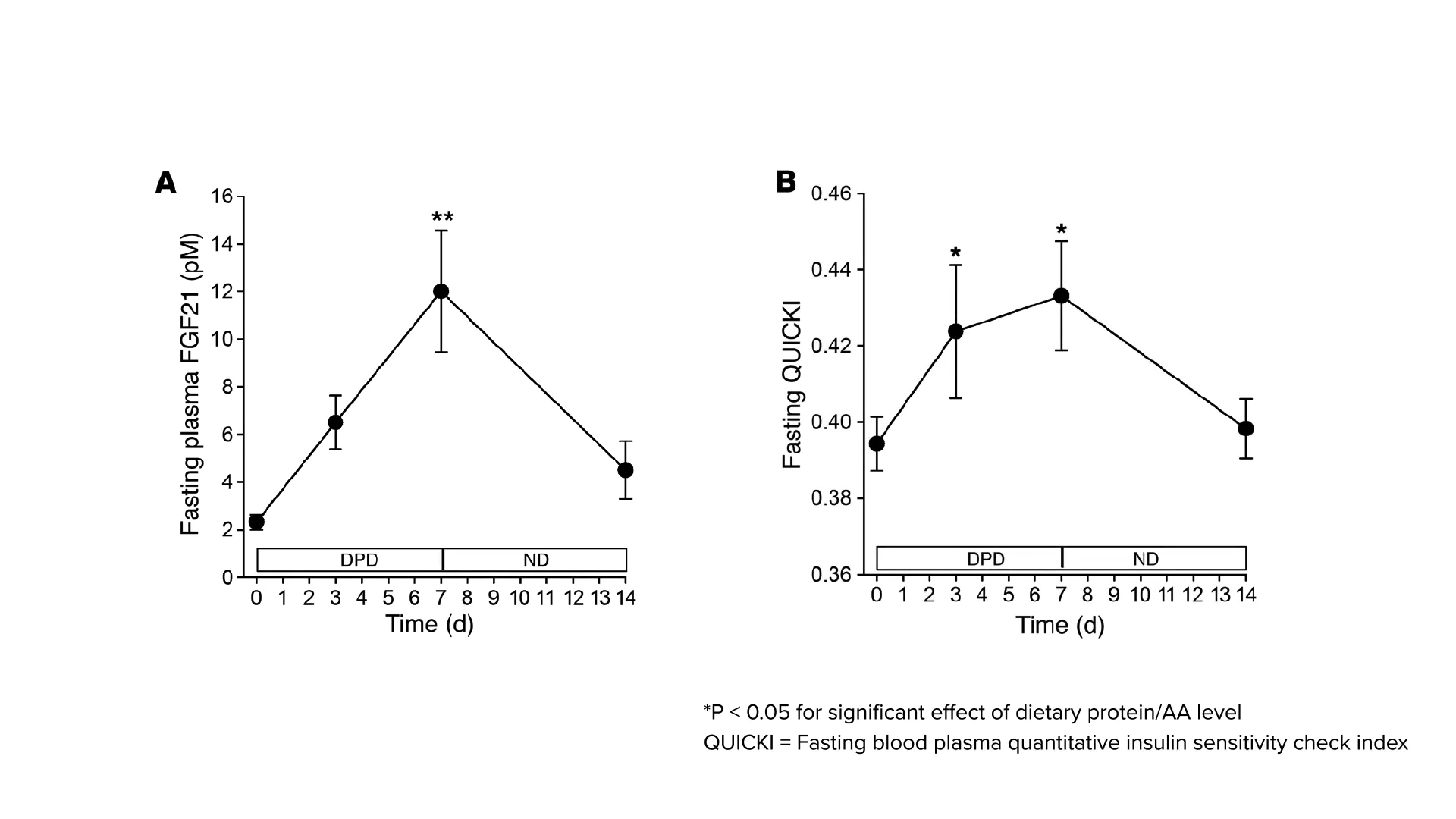
Another similar study, even more compelling, demonstrated that a less severe protein restriction, bringing men down to just 73 grams of protein per day, resulted in an astounding sixfold increase in FGF21 within a mere single week. This rapid FGF21 surge was accompanied by a significant improvement in insulin sensitivity, a key marker of metabolic health and a protective factor against type 2 diabetes. These findings led researchers to conclude that "dietary protein dilution promotes our metabolic health," highlighting a simple yet powerful dietary strategy.
The Role of Methionine Restriction: A Deeper Dive into Amino Acids
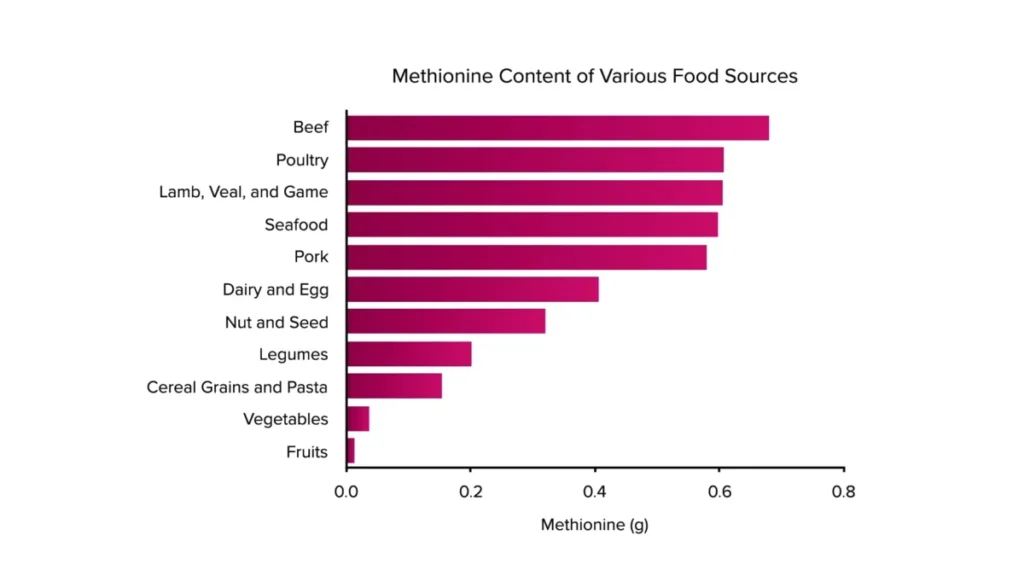
Beyond total protein, the composition of amino acids within protein sources also appears to be critical. Methionine, an essential amino acid, has been a subject of intense research due to its implications in cancer progression and as a strategy for life extension. Methionine is found predominantly in animal proteins. Therefore, reducing animal food intake naturally leads to methionine restriction.
Methionine’s Impact on Metabolism and Disease
Intriguingly, methionine restriction is now understood to significantly boost FGF21 levels, to the extent that FGF21 has been dubbed "the most important mediator of metabolic reprogramming in methionine restriction." This suggests that some proteins may be more critical to restrict than others. Meat products typically contain the highest levels of methionine. In contrast, legumes – including beans, split peas, chickpeas, and lentils – boast approximately three times less methionine than meat. This differential content provides a clear dietary pathway for achieving methionine restriction, which in turn elevates FGF21.
The cumulative evidence strongly suggests that lower protein intake, particularly when focusing on methionine restriction, is positively associated with better health outcomes, enhanced survival, and improved insulin sensitivity. FGF21 emerges as a plausible explanation for these observed benefits, mediating the protective effects of such dietary patterns. Notably, studies exploring these benefits often involve diets where protein constitutes around 9 percent of total calories, a figure remarkably similar to the dietary patterns of the Okinawans, historically one of the world’s longest-living and healthiest populations.
The Plant-Based Advantage: A Holistic Approach to Health and FGF21
The findings regarding carbohydrate quality, protein moderation, and methionine restriction converge powerfully in the context of plant-based diets. FGF21 has been proposed as a potential mediator for the extensive protection against cancer, autoimmune diseases, diabetes, and obesity afforded by strictly plant-based diets. This hormonal link helps to explain the extraordinary health benefits consistently observed in individuals adhering to whole food, plant-based eating patterns.
Plant-Based Diets and Chronic Disease Prevention
Whole food, plant-based diets are characterized by their abundance of fiber, complex carbohydrates, and relatively lower protein content, especially methionine, when compared to omnivorous diets rich in animal products. These dietary characteristics align perfectly with the strategies identified for boosting FGF21. The well-documented benefits of plant-based diets extend to a wide array of chronic diseases. They are known to reduce inflammation, improve gut microbiome diversity, provide a wealth of antioxidants and phytonutrients, and support healthy weight management. The role of FGF21 may be a crucial piece in this multifaceted puzzle of disease prevention.
The Esselstyn Effect: Cardiovascular Health Beyond Cholesterol
Consider the groundbreaking work of Dr. Caldwell Esselstyn, whose research has demonstrated that coronary artery disease – the leading cause of death for both men and women globally – can be largely halted or even reversed, and the risk of heart attack virtually eliminated, through the adoption of a whole food, low-fat vegan diet. While cholesterol reduction is undoubtedly a significant factor, the profound benefits reported by Esselstyn’s patients often exceed what can be achieved through potent cholesterol-lowering drugs alone. This suggests that the marked improvements reflect a broader array of protective mechanisms inherent in whole food, plant-based diets. FGF21, with its systemic metabolic enhancements, is emerging as one of these critical, previously underestimated mechanisms. Thus, it’s not solely about the fat and cholesterol content of the diet; the quantity and quality of protein, and its impact on FGF21, may also play a pivotal role.
Empirical Evidence: Vegans Exhibit Higher FGF21 Levels
Despite the strong theoretical links, the direct empirical question of whether vegans indeed possess higher levels of FGF21 remained unanswered for some time. This gap was addressed by a pivotal study that not only investigated New Zealand obese mice but also directly measured circulating FGF21 levels in human participants.
Researchers compared FGF21 levels in individuals following plant-based diets with those of omnivores. The results were compelling: FGF21 levels were "markedly higher" in vegan individuals compared to their omnivorous counterparts. To further solidify these findings, the study then introduced an intervention: omnivores were switched to vegetarian diets. Within a remarkably short period of just four days, their FGF21 levels began to climb significantly. This was not a minor fluctuation; FGF21 levels increased by an astounding 232% after merely four meat-free days. This rapid and substantial increase provides compelling direct evidence for the immediate and powerful impact of reducing animal product consumption on FGF21 production.
Synthesizing the Science: Expert Insights and Recommendations
The collective body of research points to a clear conclusion: while extreme measures like prolonged fasting can boost FGF21, sustainable dietary modifications offer a practical and effective alternative.
Reconciling Fasting with Sustainable Dietary Patterns
Experts acknowledge that "the various fasting approaches are likely to have limited efficacy, particularly on aging and conditions other than obesity, unless combined with high-nourishment diets." This crucial caveat emphasizes that the benefits of fasting are maximized when integrated into a broader dietary strategy that prioritizes nutrient density and metabolic balance. The ideal combination, according to researchers, involves "moderate calorie intake and mostly plant-based Mediterranean or Okinawa low-protein diets," where "low-protein" is understood to mean protein intake at or around the recommended daily allowance, rather than the typical excessive consumption.
This perspective challenges the notion that fasting alone is a panacea for longevity. Instead, it highlights the synergistic relationship between periods of caloric restriction (whether through fasting or general moderation) and a diet rich in whole, unprocessed plant foods. Such a dietary pattern provides the essential micronutrients, fiber, and optimal macronutrient ratios that support FGF21 production and overall metabolic health, creating a robust foundation for long-term well-being.
Aligning with Traditional Longevity Diets
The dietary recommendations emerging from FGF21 research resonate strongly with established dietary patterns associated with longevity, such as the traditional Mediterranean and Okinawan diets. These diets are characterized by:
- High intake of plant foods: Abundant fruits, vegetables, whole grains, legumes, and nuts.
- Moderate protein intake: Often derived from plant sources or lean animal proteins consumed in smaller quantities.
- Healthy fats: Predominantly from sources like olive oil (Mediterranean) or plant-based fats.
- Emphasis on unprocessed foods: Minimal reliance on refined sugars, processed grains, and artificial additives.
The alignment suggests that populations historically known for their exceptional longevity may have inadvertently optimized their FGF21 levels through their traditional eating habits. This reinforces the idea that ancestral dietary wisdom, when validated by modern science, offers powerful insights into promoting health and extending lifespan.
Future Implications and Personal Empowerment
The burgeoning understanding of FGF21 and its dietary triggers carries profound implications for public health and individual well-being. It offers a tangible, actionable pathway for individuals to actively influence their metabolic health and potentially extend their healthy lifespan.
Towards a New Paradigm of Dietary Longevity
The research on FGF21 is helping to shape a new paradigm in nutritional science, one that moves beyond simplistic calorie counting or macronutrient debates. It highlights the intricate hormonal and metabolic responses to specific dietary components. The idea that we can "play down protein to play up metabolism" through FGF21 offers a sophisticated understanding of how food influences our internal biochemistry. This understanding can empower individuals to make more informed dietary choices, shifting focus from mere sustenance to active health promotion and disease prevention. Future research will undoubtedly delve deeper into the precise mechanisms, optimal ratios, and individual variability in response to these dietary interventions, further refining our ability to personalize longevity strategies.
Practical Steps for Dietary Enrichment
For those looking to leverage these findings, the path forward is clear and accessible:
- Prioritize Whole Grains and Legumes: Increase your intake of fiber-rich foods like oats, brown rice, quinoa, barley, and a wide variety of beans, lentils, and chickpeas. These provide complex carbohydrates and the necessary fiber for butyrate production.
- Moderate Protein Intake: Re-evaluate your protein consumption. If you typically consume large portions of meat, consider reducing them to align closer with the recommended daily allowance (e.g., 0.8 grams per kilogram of body weight for most adults). Incorporate more plant-based protein sources, which are naturally lower in methionine.
- Embrace Plant-Based Eating: Gradually shift towards a diet rich in fruits, vegetables, whole grains, and legumes. Even short periods of reducing animal products, as demonstrated by the vegan study, can rapidly boost FGF21 levels.
- Listen to Your Body: While these are general guidelines, individual needs may vary. Consulting with a healthcare professional or a registered dietitian can help tailor these recommendations to your specific health profile and goals.
In conclusion, the journey to enhanced longevity, once shrouded in mystery and extreme practices, is becoming increasingly clear through the lens of modern science. FGF21 emerges as a powerful player, and remarkably, the keys to unlocking its potential lie within our everyday dietary choices. By prioritizing fiber-rich carbohydrates and consciously moderating protein, we can actively cultivate a metabolic environment conducive to health, vitality, and a longer, healthier life.