Critical Research Gaps Amid Unprecedented Cyclospora Outbreak: USDA Cuts Under Fire
As the United States grapples with the largest and most lethal Cyclospora outbreak in its history, internal turmoil within the U.S. Department of Agriculture (USDA) has come into sharp focus. According to recent reports, the Trump Administration has effectively dismantled the nation’s primary research infrastructure dedicated to understanding the Cyclospora parasite. With over 11,000 confirmed illnesses and a death toll rising, the timing of these research cuts—coupled with a controversial agency-wide reorganization—has sparked alarm among public health advocates, food safety experts, and internal agency staff.
The Magnitude of the Crisis: A Public Health Emergency
The current Cyclospora outbreak, primarily linked to contaminated iceberg lettuce from Taylor Farms/Taylor Fresh Foods, has become a defining public health crisis of 2026. As of late August, the scale of the infection has reached staggering proportions. Data indicates more than 11,000 people across 20 states have fallen ill, with nearly 500 hospitalizations reported.
The gravity of the situation is further underscored by the sheer volume of laboratory-confirmed cases since May 1, 2026. The Centers for Disease Control and Prevention (CDC) has recorded over 17,000 cases in just four months—a massive increase compared to the 1,200 cases reported during the same period in 2025. This surge represents an exponential jump in foodborne illness that is straining state and federal response teams, even as the mechanisms to investigate the source and biology of the pathogen are being stripped away.
Chronology of Institutional Decay
The erosion of the USDA’s research capacity did not occur in a vacuum; it is the culmination of long-term budgetary shifts and radical administrative restructuring.
- Early 2026: Congress approves Fiscal Year 2026 appropriations, which effectively defunds two of the three primary Cyclospora research projects previously housed at the Beltsville Agricultural Research Center (BARC) in Maryland.
- Mid-2026: The ongoing Cyclospora outbreak gains momentum, with case counts climbing rapidly throughout the summer months.
- Late 2026: The USDA announces a major reorganization plan, mandating the relocation of essential research offices and their personnel from the D.C. metropolitan area to various sites in the West and Midwest.
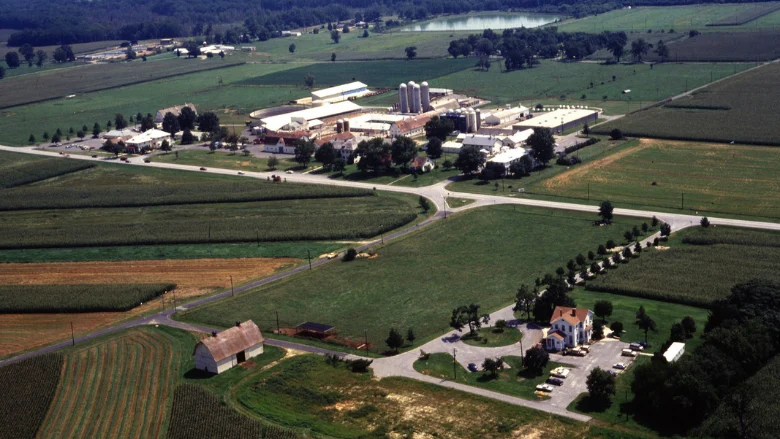
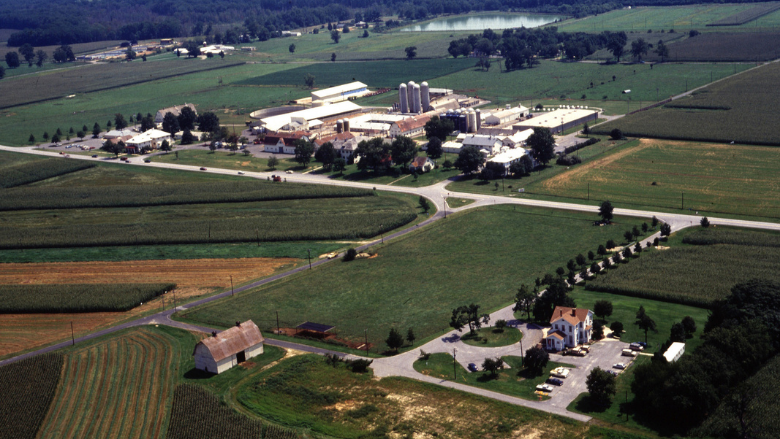
- Current Status: Staffers working on the final remaining Cyclospora project are faced with an ultimatum: relocate or resign. Meanwhile, research into the parasite has been effectively throttled, restricted only to the preservation of legacy samples.
Supporting Data: The "Brain Drain" Phenomenon
The degradation of Cyclospora research is emblematic of a broader institutional decline within the USDA under the current administration. Investigative reporting and internal oversight indicate that the department has suffered a massive loss of human capital.
In the first six months of the Trump Administration alone, the USDA reported an 18 percent reduction in its workforce. This was not a standard turnover; the departures disproportionately affected veteran researchers and holders of advanced degrees—individuals who possessed the institutional memory and technical expertise required to manage complex food safety investigations.
This attrition trend has persisted through 2025 and into 2026. The forced relocation of BARC employees to the Midwest is predicted to result in a further "brain drain." Many researchers, deeply rooted in the Mid-Atlantic professional ecosystem, are expected to choose resignation over uprooting their families and lives. When a senior scientist leaves, they take with them years of specialized experience in parasite mitigation, pathogen tracking, and laboratory methodology—losses that cannot be quickly replaced by new hires, even if funding were restored.
The Collision of Policy and Pathogen
The irony of the current situation is not lost on those within the walls of the USDA. The ongoing Cyclospora outbreak, which has brought the U.S. food supply under intense scrutiny, provides what one anonymous USDA source described as an "enormous opportunity" for scientific discovery.
"We have a massive influx of patient samples and field data," the source noted. "This is exactly what we need to understand the biology of the parasite, how it moves through the supply chain, and how to build better interventions. Instead, we are being told to stop our work and focus only on archiving old samples. We are effectively watching a critical window of scientific opportunity close in real-time."
The restriction of research activities—limiting work to the preservation of past samples—prevents the agency from performing real-time genomic sequencing and environmental testing on the current strain. Without this active research, the ability of federal agencies to provide actionable advice to the produce industry and the public is significantly diminished.
Official Responses and Administrative Justifications
The USDA has maintained a consistent stance regarding these changes. In communications with POLITICO, a department spokesperson attributed the defunding of the two projects to the mandates of the Fiscal Year 2026 congressional appropriations bill.
"None of the research has been disrupted, and research will continue without disruption," the spokesperson stated, emphasizing that the agency is committed to an "orderly transition of programs" amid the departmental reorganization.
However, this rhetoric stands in stark contrast to the testimonies of those on the ground. While the USDA may technically maintain the programs on paper, the physical relocation and the prohibition of active experimentation suggest a "disruption" that goes beyond mere administrative paperwork. When asked about the contradiction, the agency reiterated its focus on the "orderly transition," yet failed to provide details on how the research would maintain its previous level of rigor after the loss of key personnel and the closure of the Beltsville-based laboratories.
Broader Implications: A Vulnerable Food System
The implications of these developments extend far beyond the laboratory. The Cyclospora parasite is notoriously difficult to track, as it often survives in water and soil before contaminating fresh produce. Effectively managing such a pathogen requires a robust, continuous, and well-funded federal research pipeline.
- Diminished Regulatory Agility: Without a strong research core, the FDA and USDA are less equipped to respond to future outbreaks. When the science lags, the regulatory response becomes reactionary rather than proactive.
- Public Trust: The transparency of government food safety agencies is vital to public health. When research projects are shuttered during the height of a major national outbreak, the public’s confidence in the government’s ability to protect the food supply is naturally undermined.
- The Future of Food Safety: The "brain drain" at the USDA creates a long-term deficit in expertise. Replacing the lost decades of experience will take years, if not a decade, of recruitment and training, leaving the U.S. vulnerable to other foodborne pathogens in the interim.
As the 2026 Cyclospora crisis continues to unfold, the federal response serves as a sobering case study on the dangers of prioritizing administrative restructuring over established scientific infrastructure. The nation is left with a paradox: as the threat to the food supply increases in scope and complexity, the federal capacity to study and mitigate that threat is at its lowest point in decades. Whether the USDA can stabilize its workforce and salvage its research mission remains a critical question for the future of American food safety.