The New Era of Gluten-Free: How Mainstream Brands Are Normalizing the GF Diet
For nearly two decades, living a gluten-free (GF) lifestyle meant relegating oneself to the lonely, dimly lit corners of "specialty health food" aisles. It was a landscape defined by cardboard-textured crackers, exorbitantly priced cookies that crumbled at the slightest touch, and a pervasive sense of culinary disappointment. However, as of 2026, the tides have shifted. Today, some of the most reliable, delicious, and budget-friendly gluten-free snacks are no longer hidden away; they are sitting right on the shelves alongside their conventional counterparts.
The Evolution of the Gluten-Free Market
The journey toward accessible gluten-free living has been a long one. For families managing celiac disease or non-celiac gluten sensitivity, the goal has never been to find a "healthier" version of a snack—it has been to find a "normal" one.
In the mid-2000s, the market was dominated by niche brands. While these companies provided a lifeline for the GF community, the products often felt clinical and lacked the cultural cachet of mainstream snacks. Parents, in particular, faced the constant struggle of packing school lunches that wouldn’t make their children feel alienated from their peers. The shift occurred when industry giants realized that the gluten-free demographic was no longer just a small medical niche, but a significant portion of the grocery-buying public. By reformulating iconic snacks, companies like Nabisco, Kraft, and Snyder’s have effectively bridged the gap between medical necessity and everyday convenience.
Selection Criteria: A Curator’s Approach
This guide is not a comprehensive index of every GF product on the market. Instead, it serves as a curated, field-tested list—a collection of staples for a home that has been strictly gluten-free since 2005.
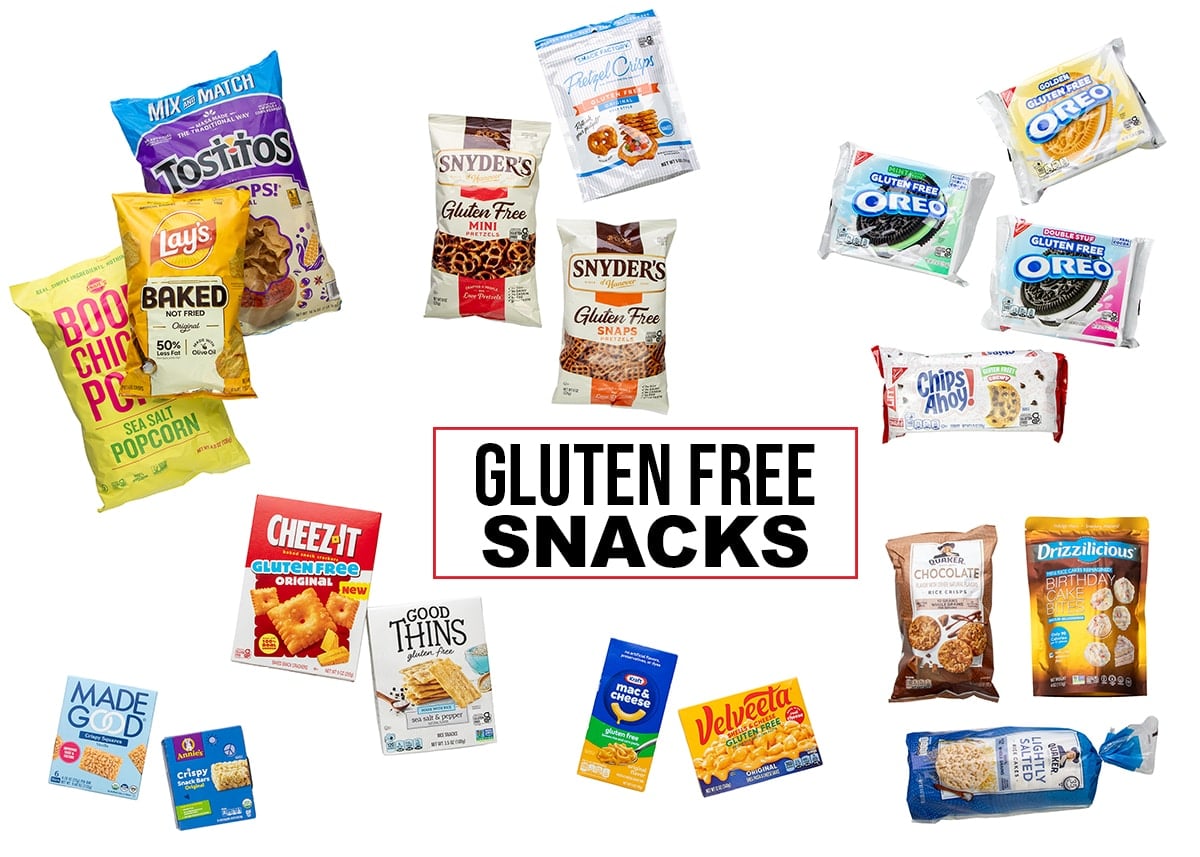
The selection process is governed by three primary pillars:
- Palatability: The product must taste good enough that a non-GF eater wouldn’t immediately identify it as a "compromise" snack.
- Accessibility: The item should be available in standard regional grocery stores, rather than requiring a specialty order.
- Price-to-Value Ratio: While GF food inherently carries a "gluten-free tax," the products listed here are those that provide the best value, often being found on sale or at competitive price points compared to premium niche brands.
A Chronology of Progress
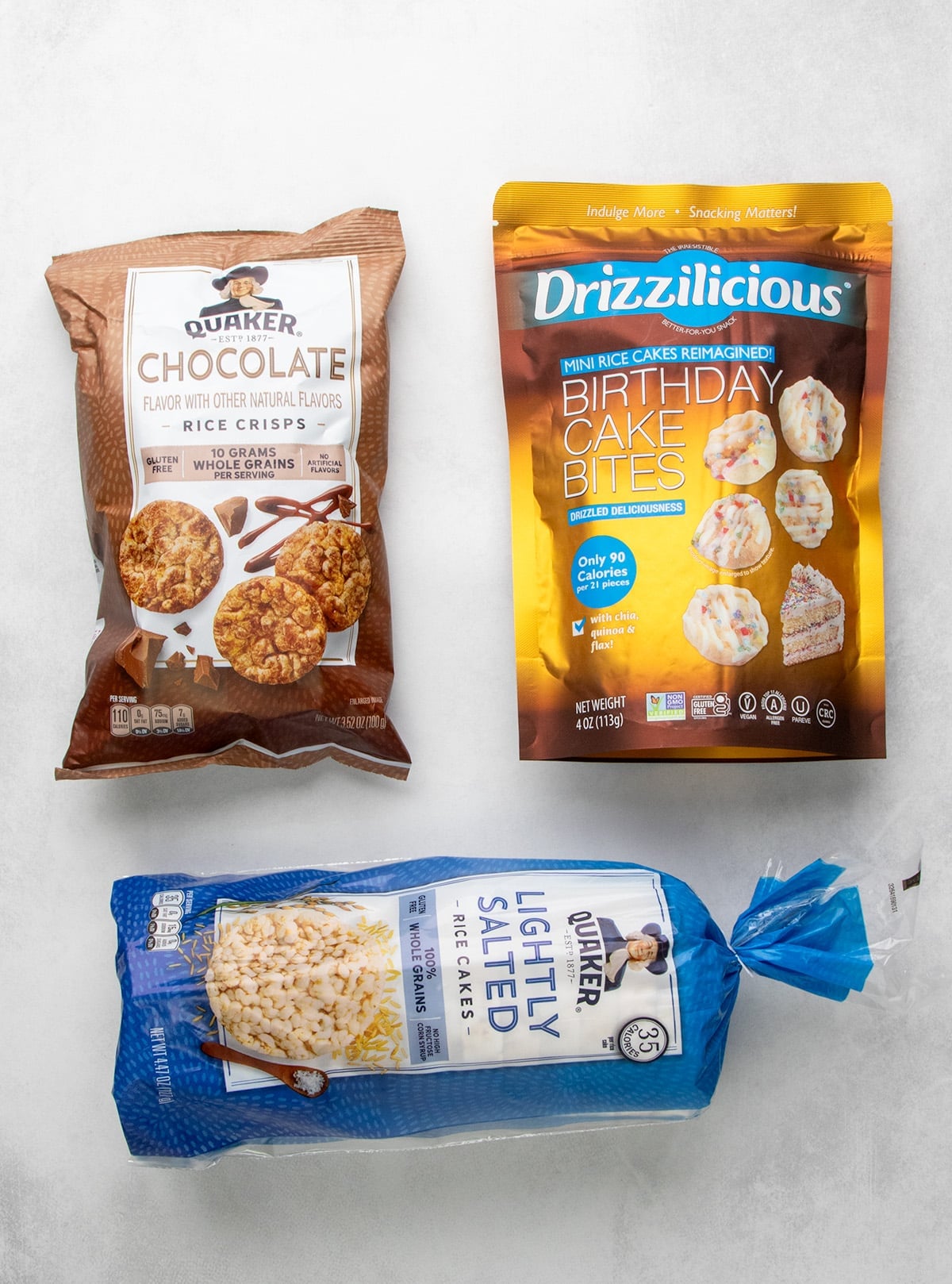
- 2005–2010 (The "Cardboard" Era): The early days of the gluten-free boom were marked by heavy reliance on rice-based products that often lacked texture and flavor. Most "snacks" were limited to dry, unsalted rice cakes.
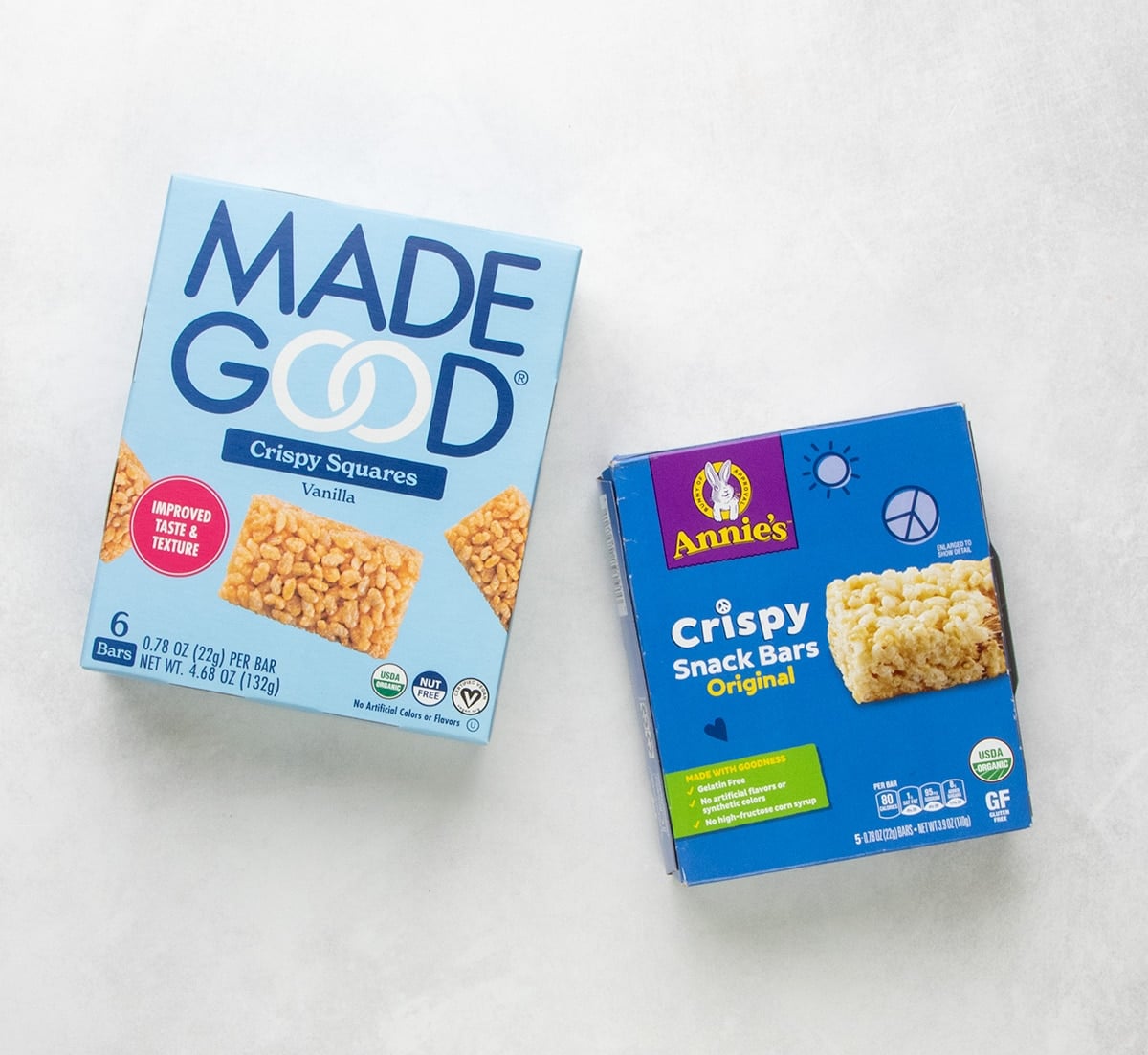
- 2011–2018 (The Rise of Niche Innovation): Brands like Annie’s and Made Good began to gain traction, focusing on cleaner ingredients and better texture profiles. This era established that gluten-free snacks didn’t have to be medically sterile; they could be fun.
- 2019–Present (The Mainstream Integration): The current era is defined by the "Big Food" pivot. When Nabisco launched gluten-free Oreos and Kraft began offering gluten-free boxed mac and cheese, the stigma of the GF diet began to dissolve. These companies utilized high-tech manufacturing to replicate the "real thing," allowing gluten-free individuals to participate in the same cultural snack moments as everyone else.
Understanding the "Naturally Gluten-Free" Advantage
A significant portion of a successful gluten-free pantry isn’t found in a box labeled "GF," but in the aisles of naturally gluten-free foods. Potato chips, corn chips, and popcorn represent the low-hanging fruit of the gluten-free world.
For many years, the fear of cross-contamination kept families away from mainstream chip brands. However, as companies like Frito-Lay have modernized their allergen labeling, consumers have gained the confidence to rely on clear "contains" statements. If a product is not processed in a facility with wheat, or if it undergoes rigorous testing, it is often a safe, affordable, and delicious option.
The Current State of the Market: Key Categories
Crackers: Beyond the Rice Disk
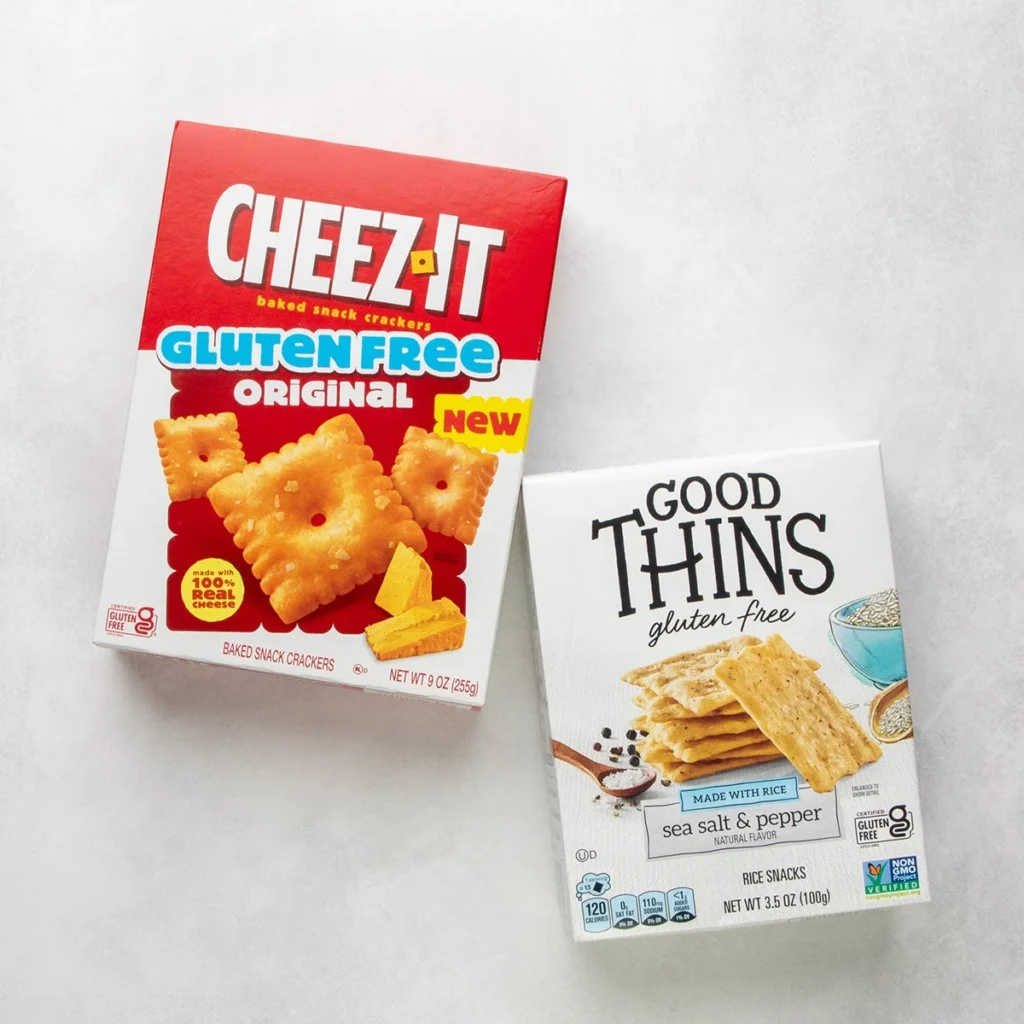
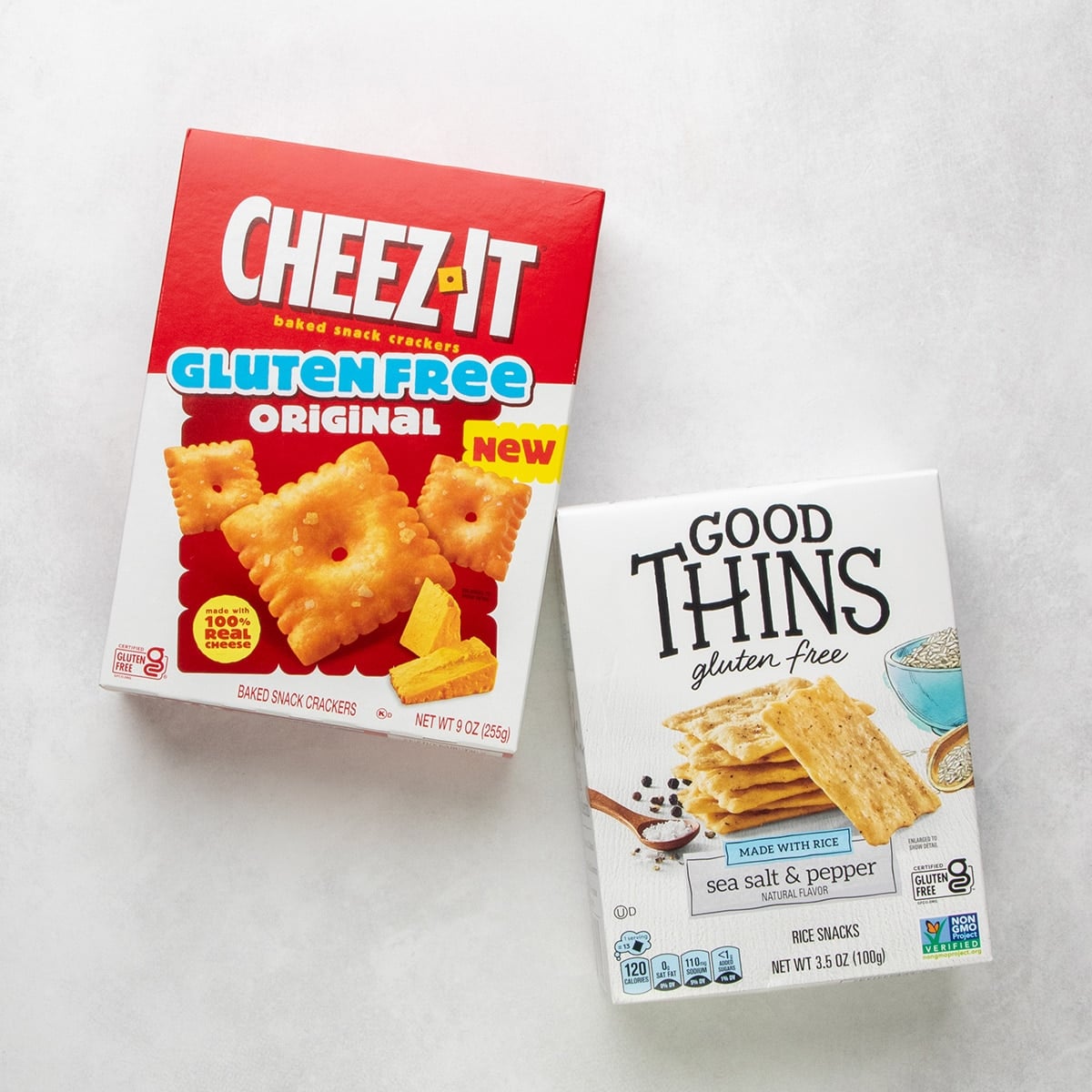
Modern crackers have evolved beyond the bland rice cakes of the past. Today’s options include robust, savory crackers that hold up to dips and cheeses. The key is in the blend—using a mixture of rice, corn, and legume flours to mimic the snap of a wheat cracker. Consumers are encouraged to check labels on items like "Good Thins" or various sea-salt rice snacks, as the flavorings used in these products are where hidden gluten can occasionally lurk.
The Mac and Cheese Revolution
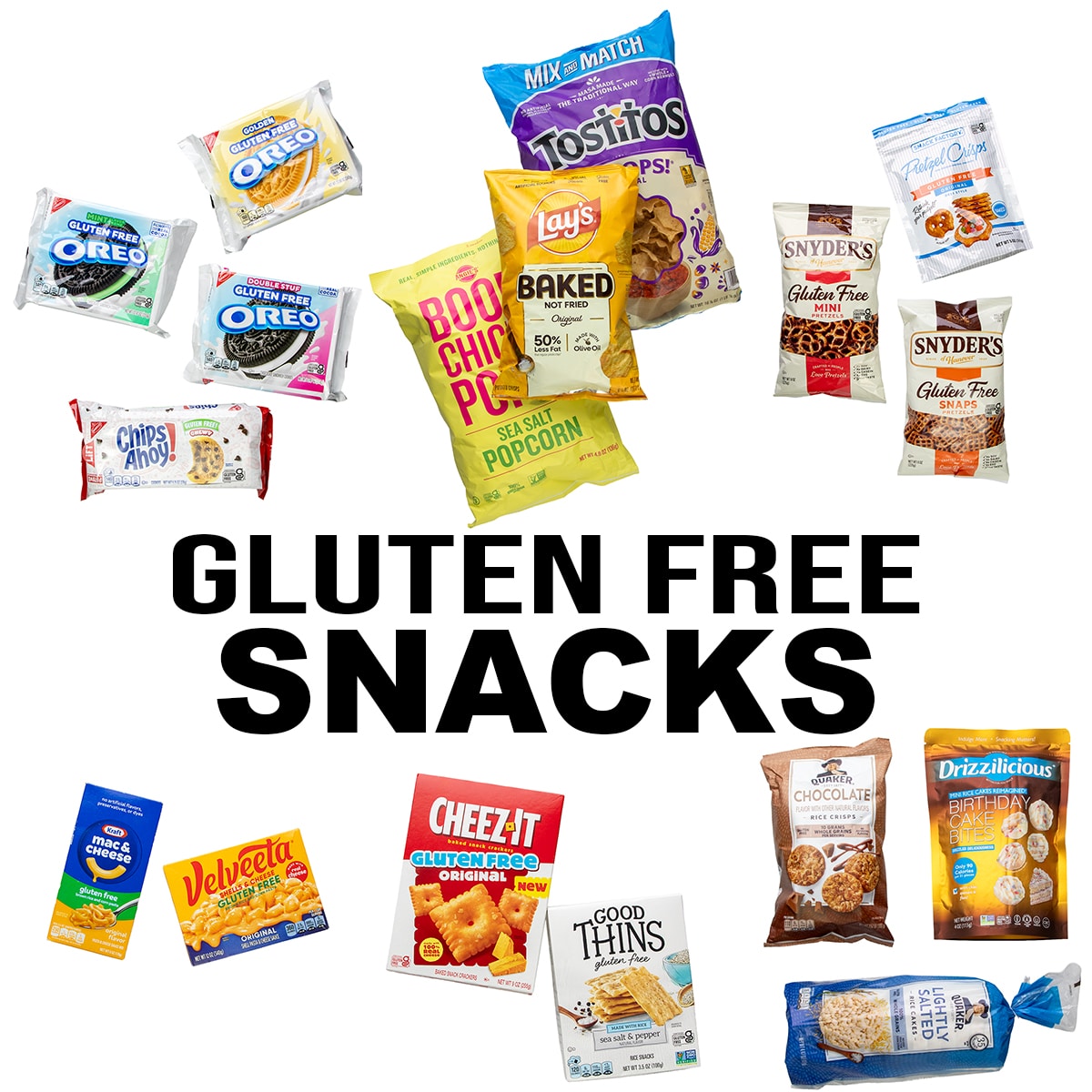
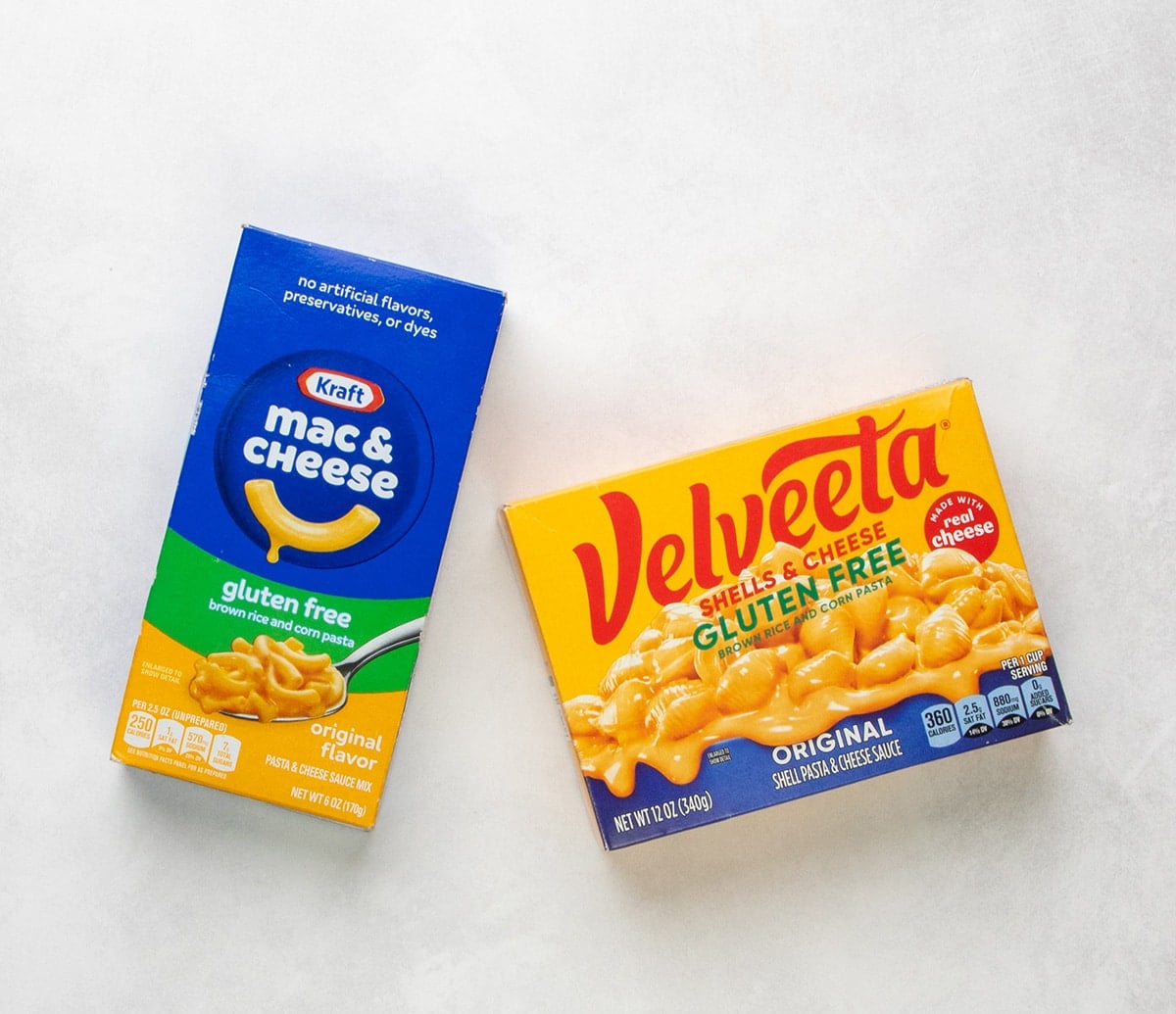
Boxed macaroni and cheese is perhaps the most significant "comfort food" victory for the GF community. For years, the only options were expensive, artisanal brands that required extensive cooking times. The entrance of Kraft and Velveeta into the gluten-free space has changed the landscape entirely. By using corn-based pasta that maintains its structure under heat, these products provide the nostalgic, gooey experience that many thought they had lost forever.
Pretzels: The Texture Test
Pretzels remain the "holy grail" of gluten-free baking. The texture of a pretzel relies entirely on the elasticity of gluten. While some brands still struggle with a "sandy" texture, companies like Snyder’s have made massive strides. Their "snaps" are a standout, providing a crunch that feels indistinguishable from their wheat-based predecessors.
The "Nabisco Effect" on Cookies
Perhaps the most notable milestone in recent years has been the introduction of gluten-free Oreos. This was a turning point for the community. By utilizing advanced flour blends, these cookies maintain the iconic crunch and cream-to-biscuit ratio. Furthermore, the inclusion of chewy Chips Ahoy! into the GF lineup provides a soft-baked experience that was previously difficult to find without a home oven.
Official Responses and Manufacturing Implications
Industry experts note that the shift toward mainstream GF options is a response to both increased medical awareness and changing consumer trends. A spokesperson for a major snack manufacturer recently noted that "the goal of our gluten-free line extension is to ensure that no consumer feels excluded from the snack-time experience."
However, this transition comes with responsibilities for both the manufacturer and the consumer:
- Labeling Integrity: Manufacturers must maintain strict separation protocols. The "Certified Gluten-Free" label (which requires testing to below 20 parts per million of gluten) is becoming the gold standard.
- Consumer Diligence: The article’s primary advice remains consistent: Always check the label. Ingredients and manufacturing practices are subject to change without notice. Using tools like Instacart or local grocery apps can help shoppers check ingredient lists before they even step foot in the store, saving both time and money.
Practical Tips for the Gluten-Free Shopper
- Shop Local, Verify Online: Use store inventory trackers to see if a product is in stock near you. This prevents the frustration of driving to a store only to find empty shelves.
- The "Broken Cracker" Rule: While online ordering is convenient, purchasing fragile snacks like crackers in person is often better. Shipping processes can turn a box of delicate GF crackers into a box of crumbs.
- Watch the "Fake" GF Items: Be wary of artisanal products that claim to be gluten-free but lack a certification or a clear allergen statement. If it seems too good to be true, it might be.
- Embrace the "Sale" Cycle: Gluten-free products are often priced at a premium. By monitoring weekly store circulars, shoppers can stock up on items like crispy rice bars or cookies when they hit their lowest price points.
Conclusion: A New Normal
The gluten-free lifestyle has moved past the era of exclusion. While the cost of specialized snacks can still be a burden, the quality of products has improved so drastically that the gap between a "normal" diet and a "gluten-free" diet is narrower than it has ever been. By leveraging the innovation of major brands and the availability of naturally gluten-free staples, those living without gluten can now enjoy the same snacks that fill every other pantry in America. The future of gluten-free is not just about safety—it is about enjoyment, accessibility, and the simple pleasure of a good snack.