The Ultimate Solution for Gluten-Free Baking: Mastering the Perfect Cookie Bar
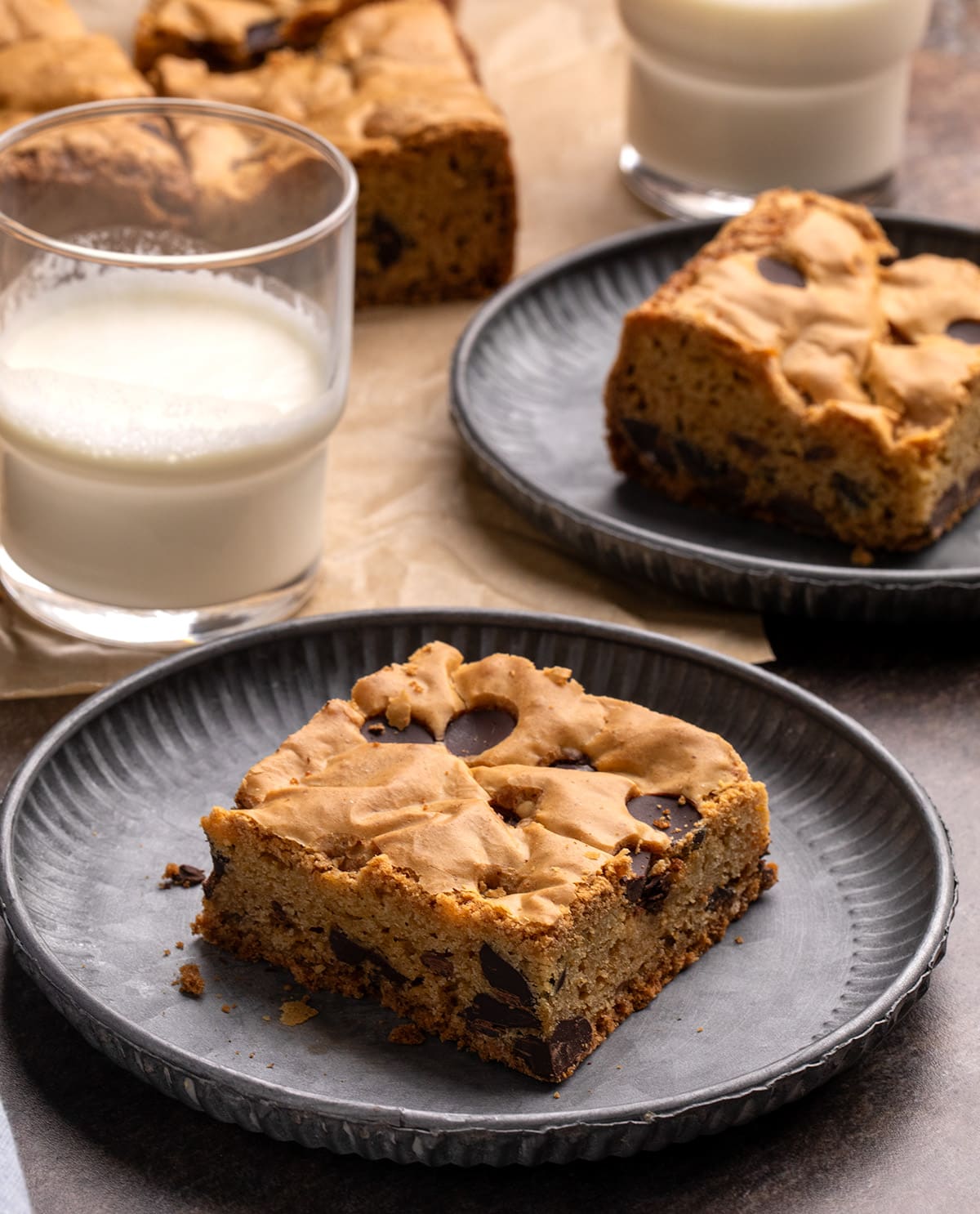
For those navigating the complexities of a gluten-free lifestyle, the quest for the "perfect" chocolate chip cookie—one that balances a chewy interior with a delicate, crackly top—is often fraught with disappointment. Traditional gluten-free baking frequently results in textures that are either overly dense, dry, or prone to crumbling. However, a new culinary development in the gluten-free community is changing that narrative. By transitioning from the traditional individual cookie format to a square baking pan, home bakers can now achieve professional-grade, thick, and chewy gluten-free chocolate chip cookie bars that maintain their integrity without the structural failures common in alternative flour baking.
Main Facts: Redefining Gluten-Free Texture
The fundamental challenge in gluten-free baking is the absence of gluten, the protein responsible for structure and elasticity in wheat-based doughs. When baking traditional chocolate chip cookies, the process requires careful dough-shaping and precise oven management. Converting this into a bar format requires a delicate recalibration of chemistry.

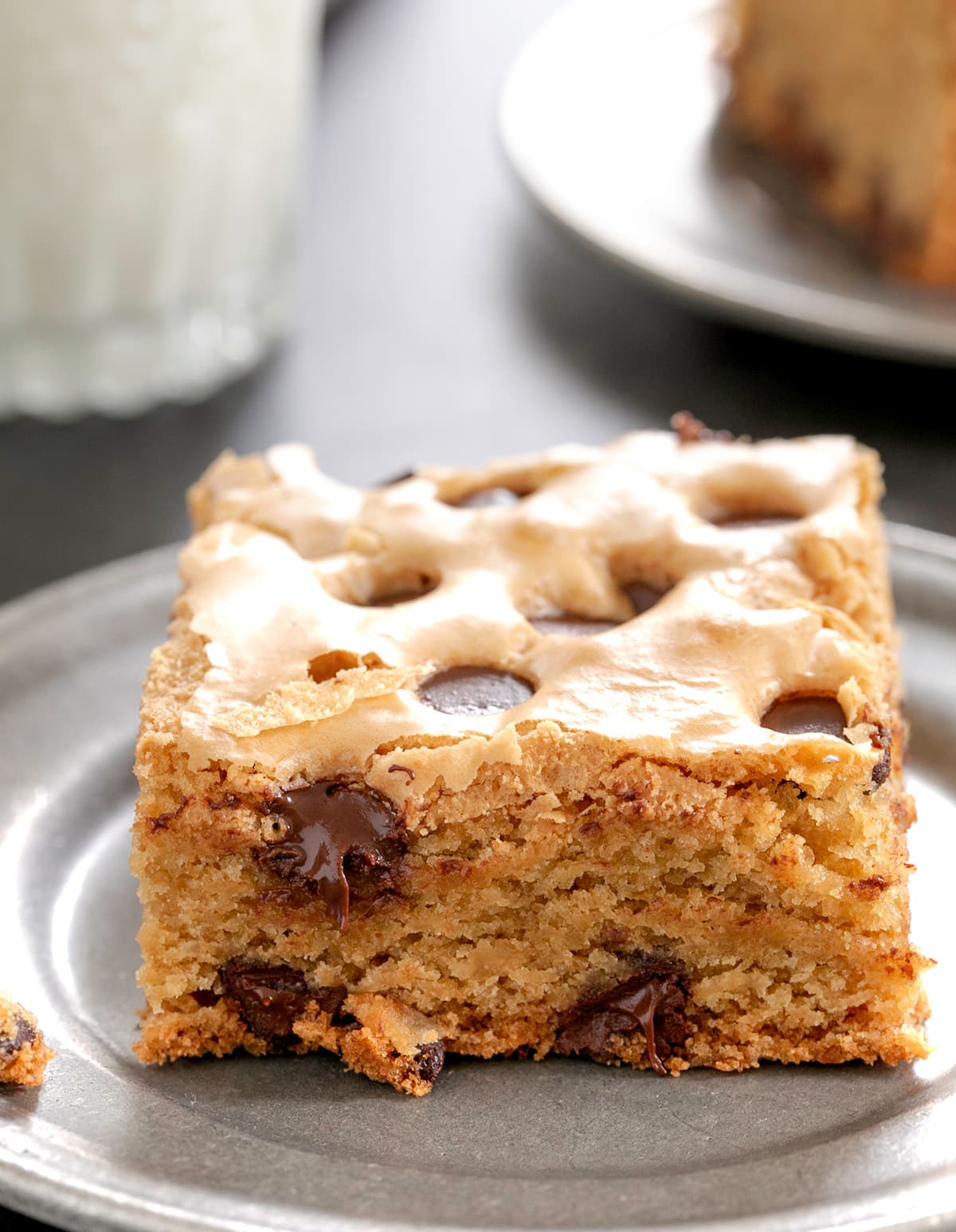
According to culinary experts, the secret to these bars lies in the manipulation of fats and sugars. By utilizing melted butter rather than creamed butter—a technique often employed in high-end brownie recipes—the baker creates a dense, chewy foundation. This is contrasted with a precise ratio of white and light brown sugars, which not only provides the necessary sweetness but also facilitates the caramelization required for that elusive "crackly top." The addition of cornstarch acts as a stabilizer, ensuring the bars remain tender rather than becoming tough or rubbery, a common pitfall when working with gluten-free flour blends.
Chronology: The Evolution of the Cookie Bar
The journey toward this perfected recipe has been a multi-step process of trial and error. The methodology behind these bars involves a specific sequence of chemical interactions:
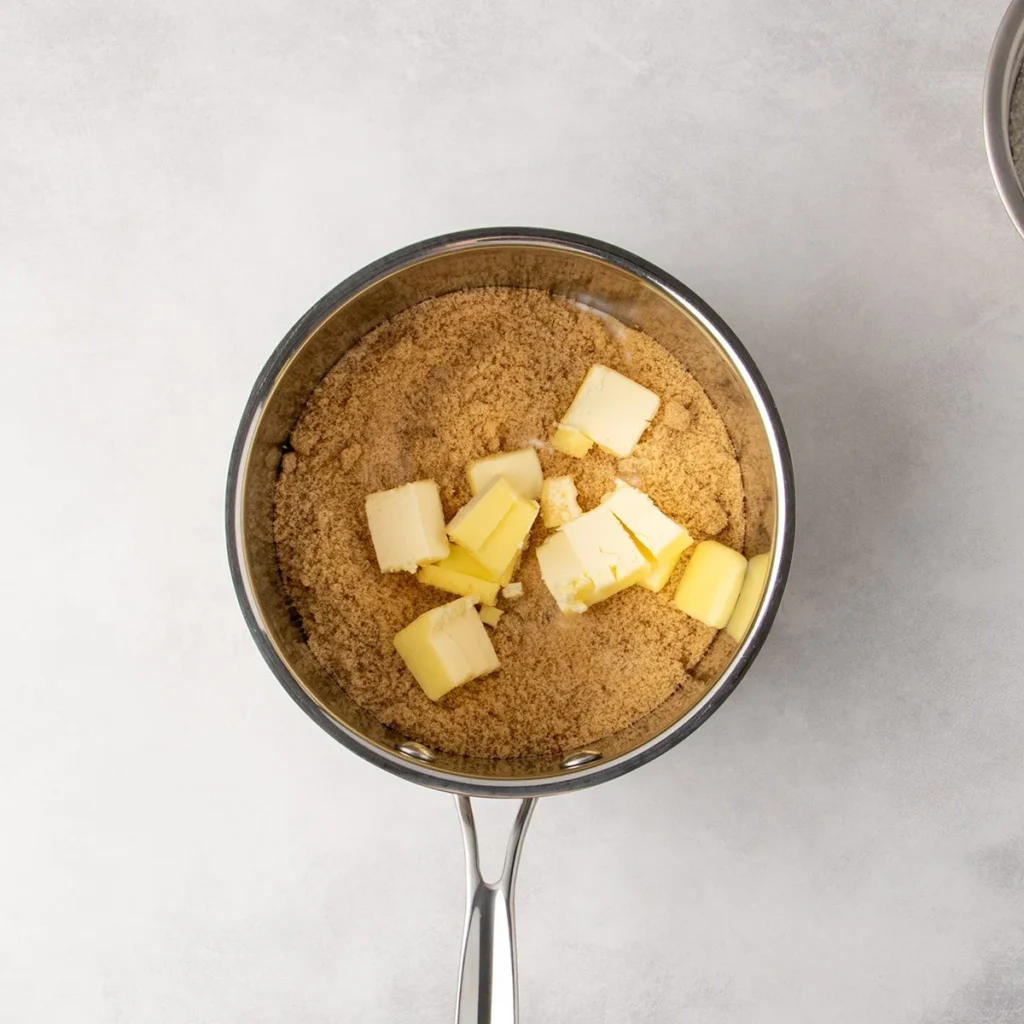
- The Foundation (Sugar-Butter Emulsion): The process begins by melting butter and sugars over low heat. This step is critical; the sugars must dissolve into the liquid fat. This creates a homogeneous mixture that serves as the base for the crackly surface.
- Protein Development: Once cooled, eggs and egg yolks are beaten into the mixture until foamy. This creates an aerated, protein-rich layer that will rise to the surface during the baking process, resulting in a thin, crispy crust.
- The Binding Phase: The dry ingredients—a high-quality gluten-free flour blend, xanthan gum, baking soda, and salt—are whisked together to ensure uniformity. When these are added to the wet mixture, the batter transforms from a thin, liquid state to a thick, cohesive dough.
- The Thermal Process: Unlike individual cookies that bake quickly, these bars are subjected to a "low and slow" baking method at 325°F. This allows the center to set fully without burning the edges, ensuring a consistent texture throughout the entire pan.
- Stabilization: Perhaps the most overlooked step is the cooling process. The bars are inherently fragile while warm due to the nature of gluten-free starches. Allowing the bars to reach room temperature, followed by a period of chilling, is essential for clean, structural slicing.
Supporting Data: Nutritional and Ingredient Profiles
Understanding the nutritional composition of these bars is essential for those managing dietary restrictions. A single serving—one square bar—contains approximately 415 kcal, with a balanced profile of 19g of fat and 58g of carbohydrates. While these bars are energy-dense, they are designed to offer a gourmet experience that replaces the need for processed, expensive store-bought gluten-free alternatives.
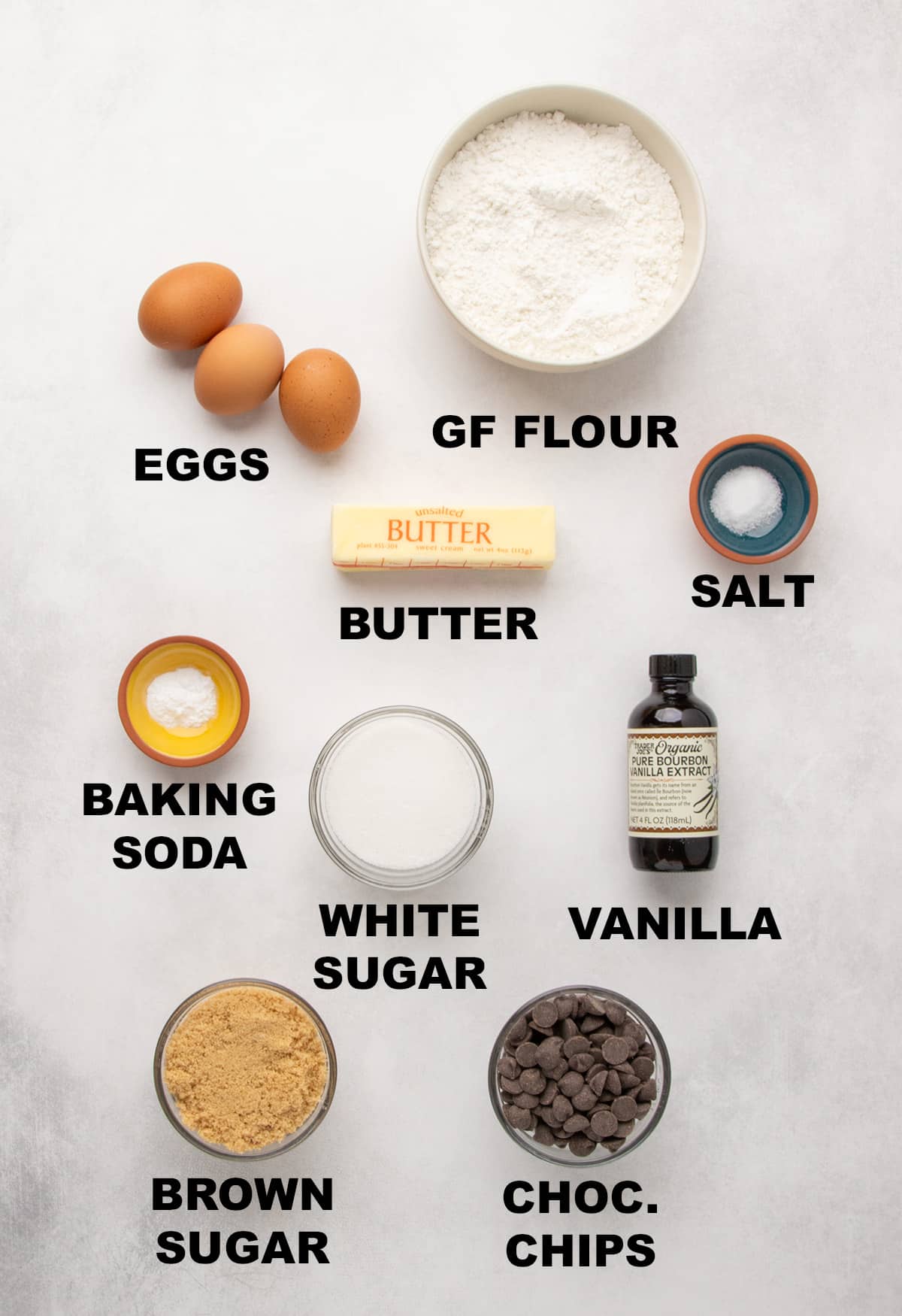
The choice of flour is the most significant variable. The recipe performs optimally with established blends such as "Better Batter" or "Bob’s Red Mill 1-to-1." These blends typically include xanthan gum, which mimics the binding properties of gluten. For bakers who prefer to mix their own, the inclusion of a high-quality starch, such as arrowroot or potato starch, is recommended if corn-based products are contraindicated.
Official Perspectives and Expert Guidance
Nicole Hunn, a recognized authority in gluten-free culinary arts, emphasizes that the goal is to move beyond the "good for gluten-free" standard. Her approach focuses on parity—creating food that stands on its own merits regardless of dietary labels.
"The biggest mistake home bakers make is over-mixing or under-baking," Hunn notes. "When you are working without gluten, you have to trust the chemical reaction of the leavening agents and the fats. The bars are finished not by time, but by visual and physical cues—specifically, the lack of a ‘jiggle’ in the center of the pan."
Experts also highlight the importance of the baking vessel. Utilizing nonstick aluminum foil is a professional hack that solves the problem of structural adhesion. Because the batter is significantly more adhesive than traditional dough, parchment paper often shifts, creating uneven edges. Nonstick foil provides a secure, reliable surface that ensures the bars can be removed intact once cooled.
Implications for the Home Kitchen
The shift toward "bar-style" gluten-free baking has several significant implications for the home baker:
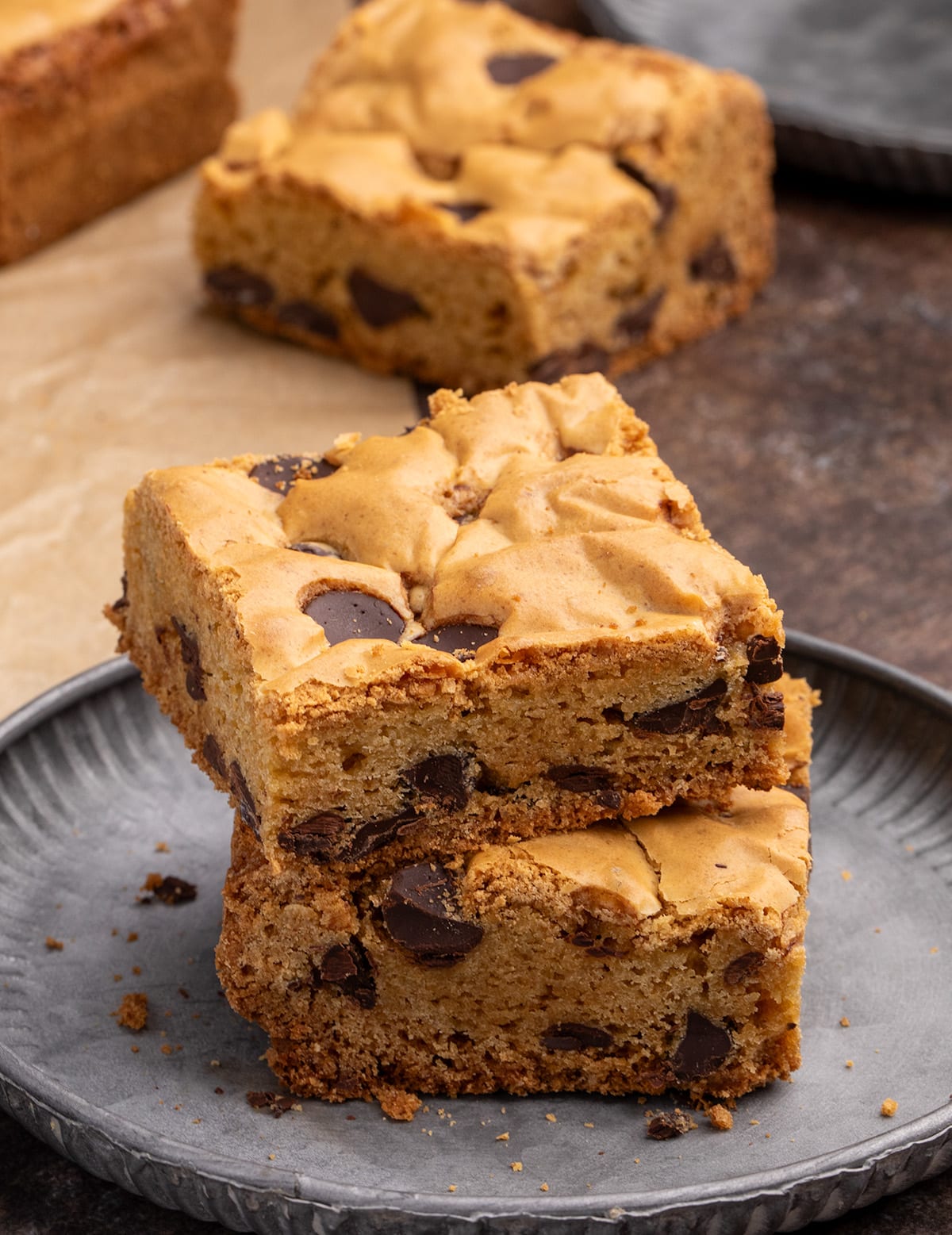
- Efficiency: By eliminating the need to scoop and space out individual cookies, bakers can reduce their time in the kitchen by nearly 40%.
- Consistency: The square pan method allows for uniform heat distribution, reducing the risk of "burnt edges/raw centers" that often plague gluten-free cookies.
- Storage and Longevity: These bars are exceptionally shelf-stable. They maintain their texture for up to five days at room temperature and are ideal for batch-freezing. This makes them a practical solution for families who need to have safe, quick snacks available at all times.
- Accessibility: The recipe is highly adaptable. By substituting butter with high-quality vegan alternatives and adjusting the egg components with chia or flax substitutes, the recipe can be easily modified for dairy-free or plant-based households.
In conclusion, the development of these gluten-free cookie bars represents a significant milestone in inclusive baking. By leveraging scientific principles of fat-to-flour ratios and controlled thermal processing, home bakers are no longer relegated to the margins of the culinary world. Whether for a holiday gathering or a simple household treat, these bars offer a reliable, delicious, and professional-grade result that proves gluten-free living requires no sacrifice in taste or texture.