The Egg Renaissance: How a Humble Kitchen Staple Became the Ultimate Anchor for Modern Budget Gastronomy
Main Facts: The Rise of the Culinary Workhorse
In an era defined by fluctuating macroeconomic conditions, volatile food supply chains, and a heightened consumer focus on high-yield nutrition, the humble chicken egg has emerged as the premier anchor of modern home culinary practice. Long celebrated for its affordability, accessibility, and high biological value, the egg is undergoing a cultural and gastronomic re-evaluation. Far from being relegated merely to the breakfast table, it has transitioned into a highly versatile protein source utilized across breakfast, lunch, and dinner.

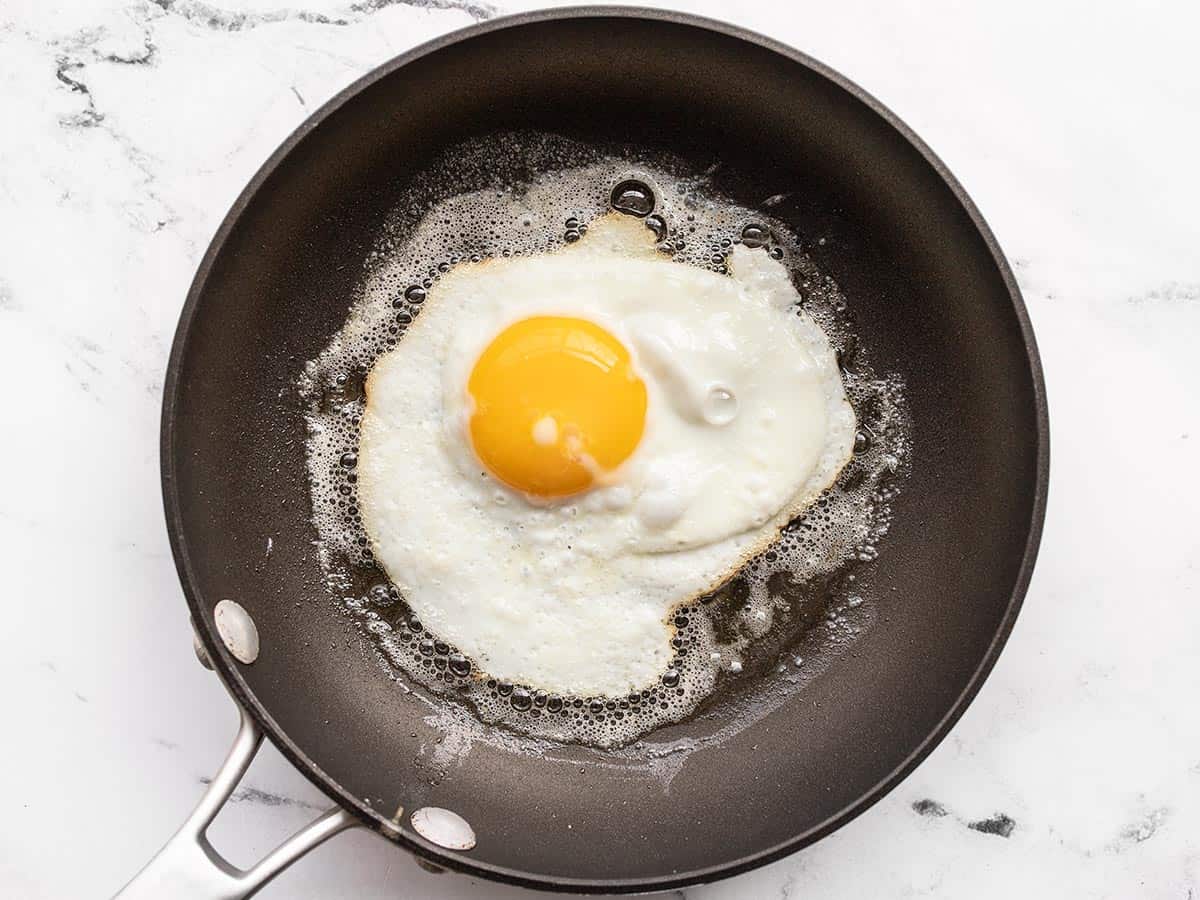
A comprehensive analytical assessment conducted by culinary experts and test kitchens—including the Nashville Test Kitchen—highlights the egg’s unique status as a culinary chameleon. Capable of being scrambled, fried, poached, baked, steamed, or boiled, the egg serves as a blank canvas for both minimalist home cooking and complex, globally inspired cuisine.
The core appeal of egg-based gastronomy lies in its intersection of three critical metrics:
- Economic Efficiency: With a cost-per-serving profile frequently falling below $0.50, eggs offer an unmatched financial alternative to expensive animal proteins like beef, pork, and poultry.
- Culinary Versatility: The structural properties of egg whites (albumen) and yolks (vitellus) allow them to function variously as binding agents, emulsifiers, leaveners, and stand-alone main courses.
- Time-to-Table Velocity: A significant portion of highly nutritious egg dishes can be executed in under 15 minutes, aligning perfectly with the convenience demands of modern, time-strapped consumers.
Chronology: The Evolution of Egg Cookery and Modern Culinary Adaptation
The trajectory of egg preparation reflects broader shifts in human technology, domestic economy, and dietary science over the past century.
[Early to Mid-20th Century]
  └── Dominance of classic French techniques (Auguste Escoffier's complex coddling, poaching, and soufflés).
  └── Focus on precision, heavy butter usage, and structural mastery within formal culinary institutions.

[Late 20th Century (1970s–1990s)]
  └── Rise of convenience culture and the introduction of the microwave.
  └── Eggs adapted to rapid-cooking formats, though often criticized for rubbery textures due to poor heating control.
  └── Nutritional debates over dietary cholesterol temporarily depress egg consumption.

[Early 21st Century (2000s–2010s)]
  └── Vindication of egg nutrition by dietary science; eggs recognized as a "superfood" rich in choline and high-quality protein.
  └── Globalization of the home kitchen leads to the western popularization of regional classics like Shakshuka and Menemen.

[The Pandemic & Post-Pandemic Era (2020–2026)]
  └── Unprecedented grocery inflation drives home cooks back to basic, high-value staples.
  └── The integration of modern appliances (e.g., air fryers, high-efficiency microwaves) and novel ingredient pairings (e.g., cottage cheese) redefines quick-prep egg cookery.
In March 2022, culinary databases began systematically cataloging high-yield, low-cost egg recipes to assist consumers navigating sudden spikes in the cost of living. By August 2026, these archives underwent a major technical and gastronomic revision. This update integrated advanced appliance techniques, such as air-fryer hard-boiling and microwave-steaming, while expanding global flavor profiles to reflect a more sophisticated home palate.
Supporting Data: The Economics and Science of the Egg
To understand the dominance of the egg in contemporary meal planning, one must examine the empirical data governing its nutritional profile, economic leverage, and chemical behavior.
Nutritional Profile and Bioavailability
From a nutritional standpoint, the egg is a gold standard. A single large egg contains approximately 70 calories, 6 grams of highly bioavailable protein, and a rich concentration of essential vitamins and minerals, including selenium, vitamin D, B12, riboflavin, and choline.
| Nutrient | Average Content per Large Egg | % of Recommended Daily Intake (RDI) |
|---|---|---|
| Protein | 6.3 g | 13% |
| Total Fat | 4.8 g | 6% |
| Vitamin D | 1 mcg (41 IU) | 5% |
| Choline | 147 mg | 27% |
| Selenium | 15.4 mcg | 28% |
| Vitamin B12 | 0.5 mcg | 20% |
Unlike plant-based proteins, egg protein contains all nine essential amino acids in the precise ratios required by the human body, boasting a biological value (BV) score of 100—outperforming beef (80) and soy (74).
Economic Metrics: Cost-to-Protein Ratio
When analyzed under the lens of budget metrics, the financial advantages of egg-centered dining are stark. In comparative testing, standard recipes yield remarkably low per-serving costs:
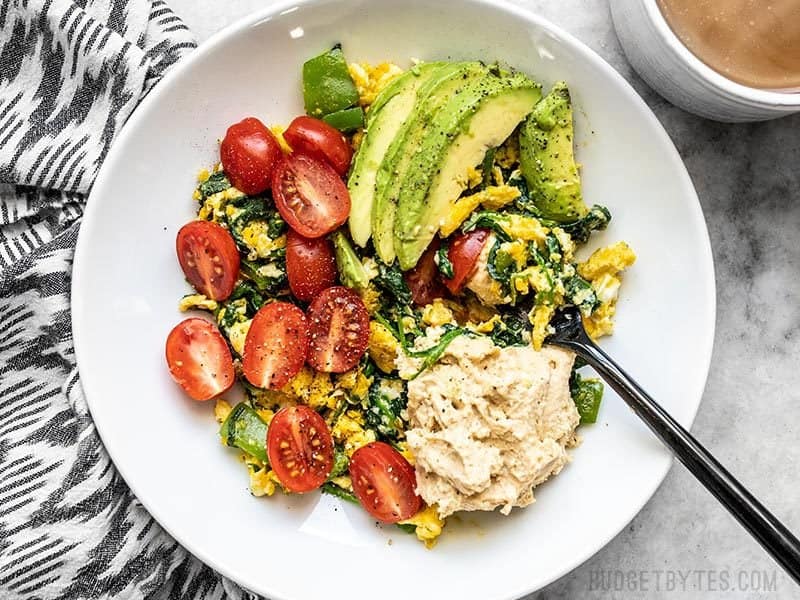
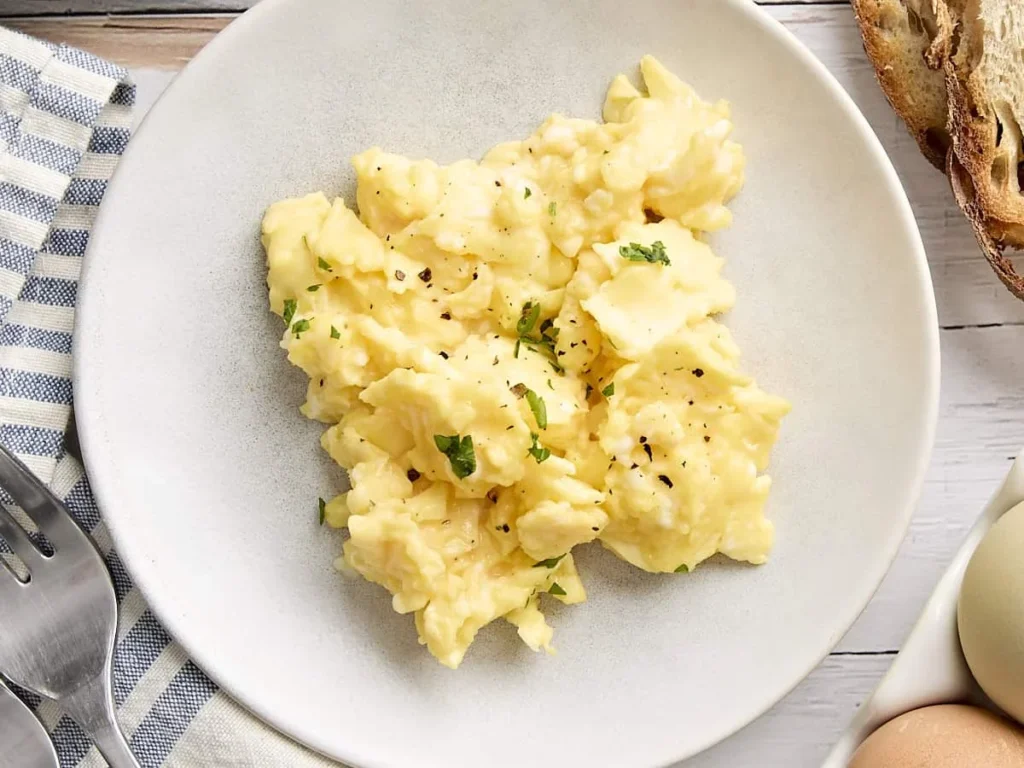
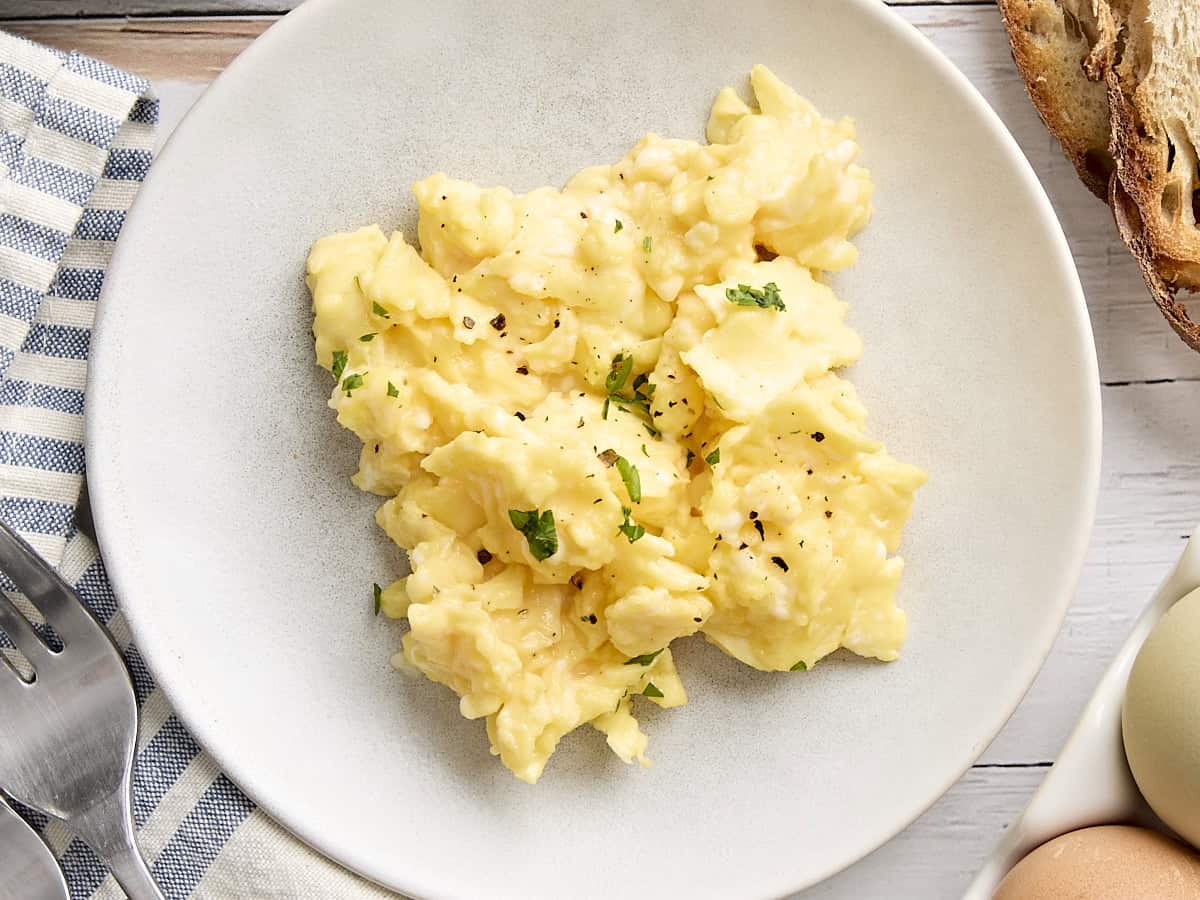
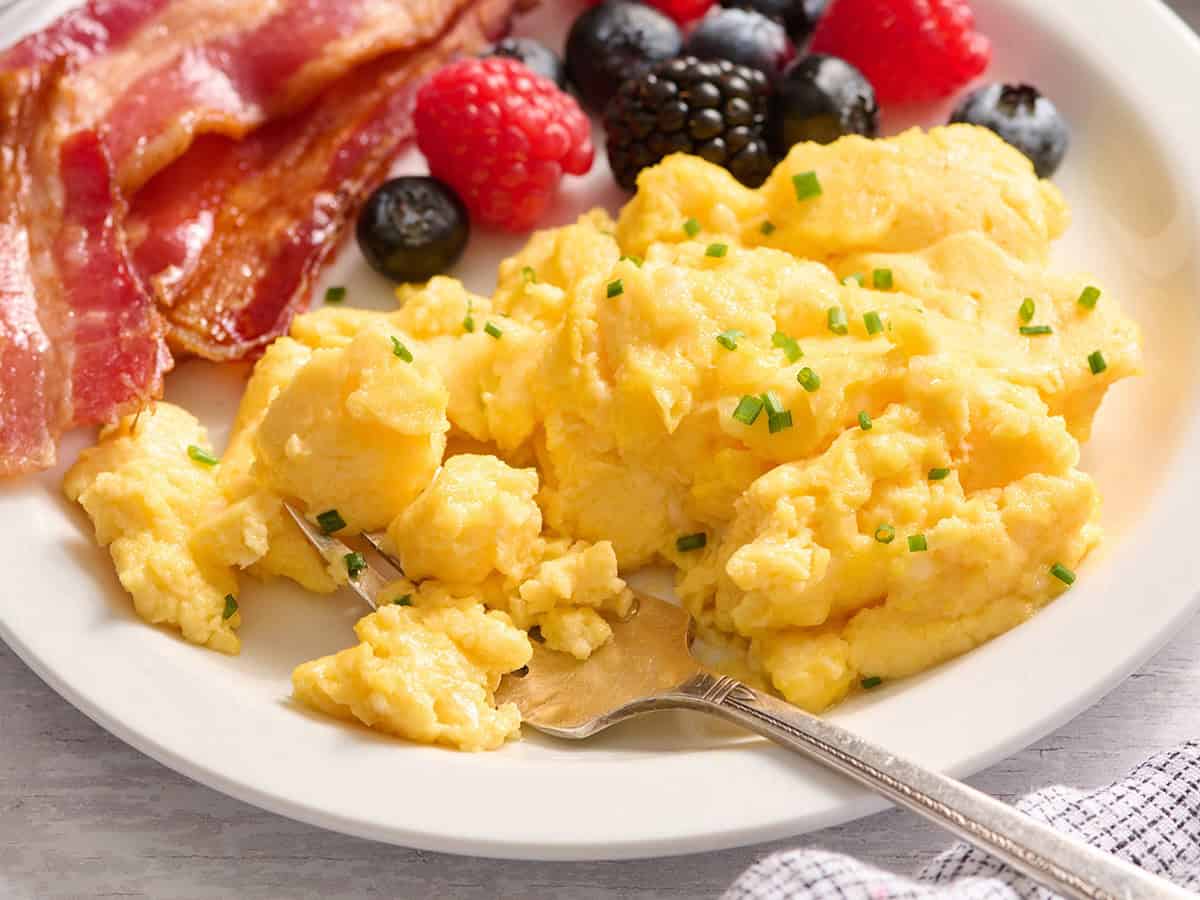
- Classic Scrambled Eggs: $0.41 per serving.
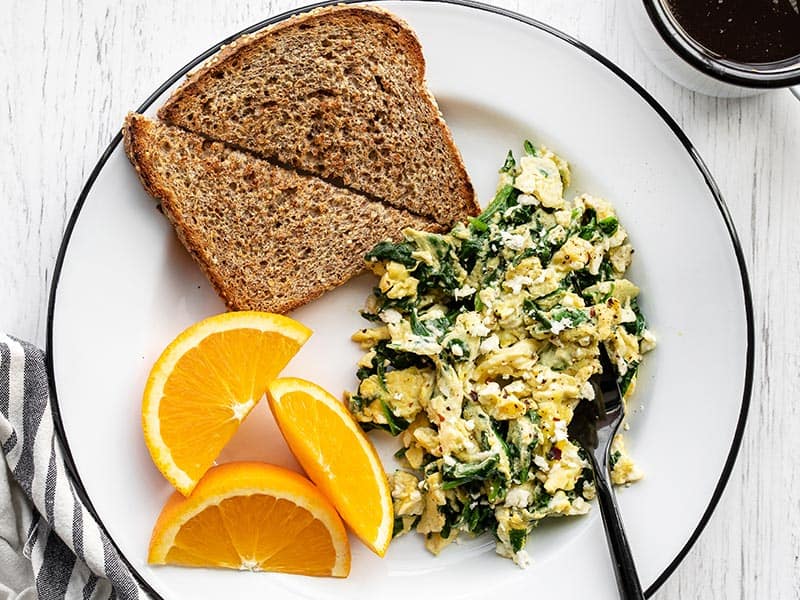
- Cottage Cheese Eggs (High Protein): $0.29 per serving.
- Chinese Steamed Eggs: $0.35 per serving.
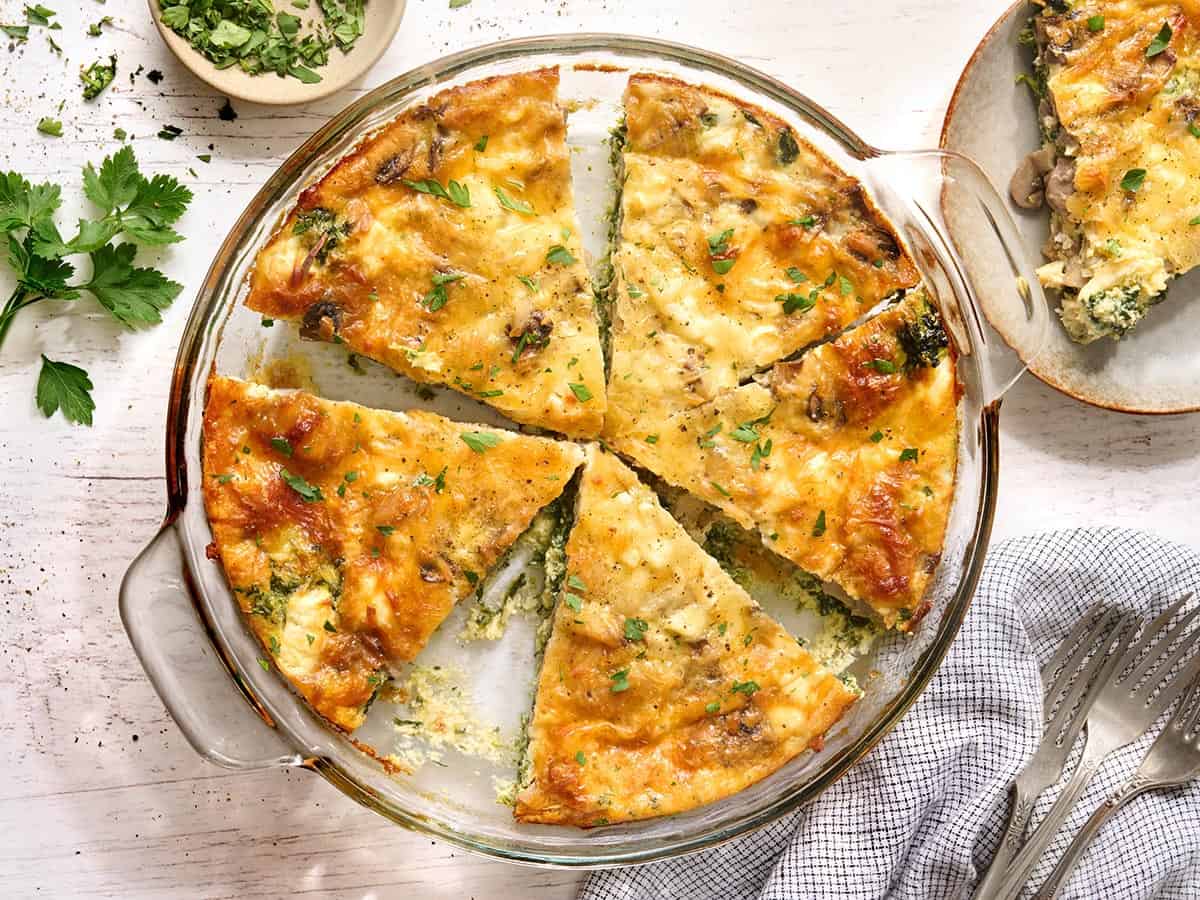
- Spinach, Mushroom, and Feta Crustless Quiche: $1.28 per serving.
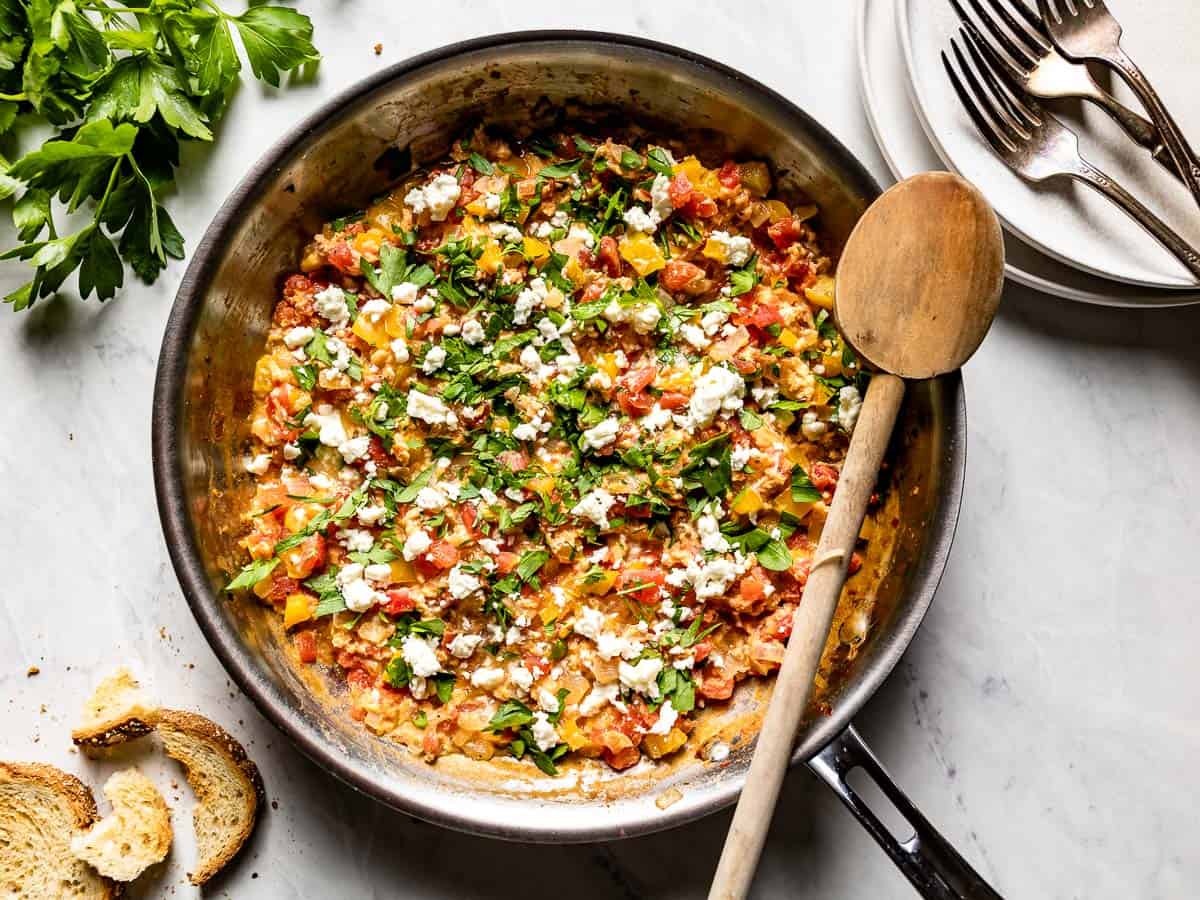
When compared to a standard beef-based dinner, which averages $4.50 to $6.00 per serving in raw ingredient costs, substituting a dish like Black Beans with Eggs ($1.18 per serving) or Menemen ($1.34 per serving) reduces dinner expenses by up to 80% without sacrificing essential macronutrients.
The Chemistry of Egg Cookery
The transformation of an egg from a liquid state to a delicate solid is a precise chemical process governed by heat-induced protein denaturation and coagulation.
[Liquid State]
  └── Soluble, folded proteins suspended in water (albumen and vitellus).

[Application of Heat]
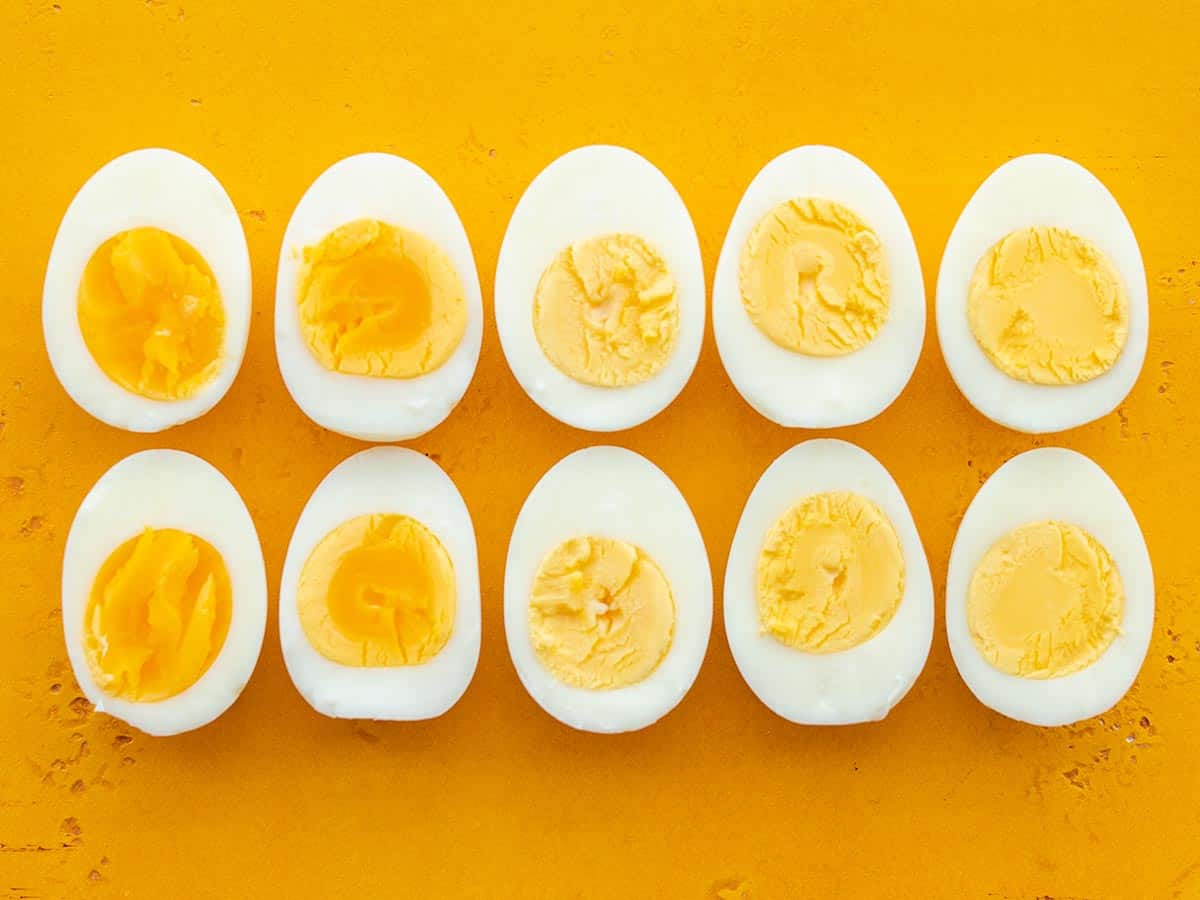
  └── At 140°F (60°C), egg white proteins (specifically ovotransferrin) begin to denature, unfolding and forming a loose gel.
  └── At 149°F (65°C), the yolk proteins begin to thicken.
  └── By 158°F (70°C), the yolk fully solidifies into a creamy texture.

[Overheating / Excess Heat]
  └── At temperatures exceeding 176°F (80°C), proteins bind too tightly, squeezing out water molecules.
  └── Result: Rubbery, dry whites and chalky yolks.
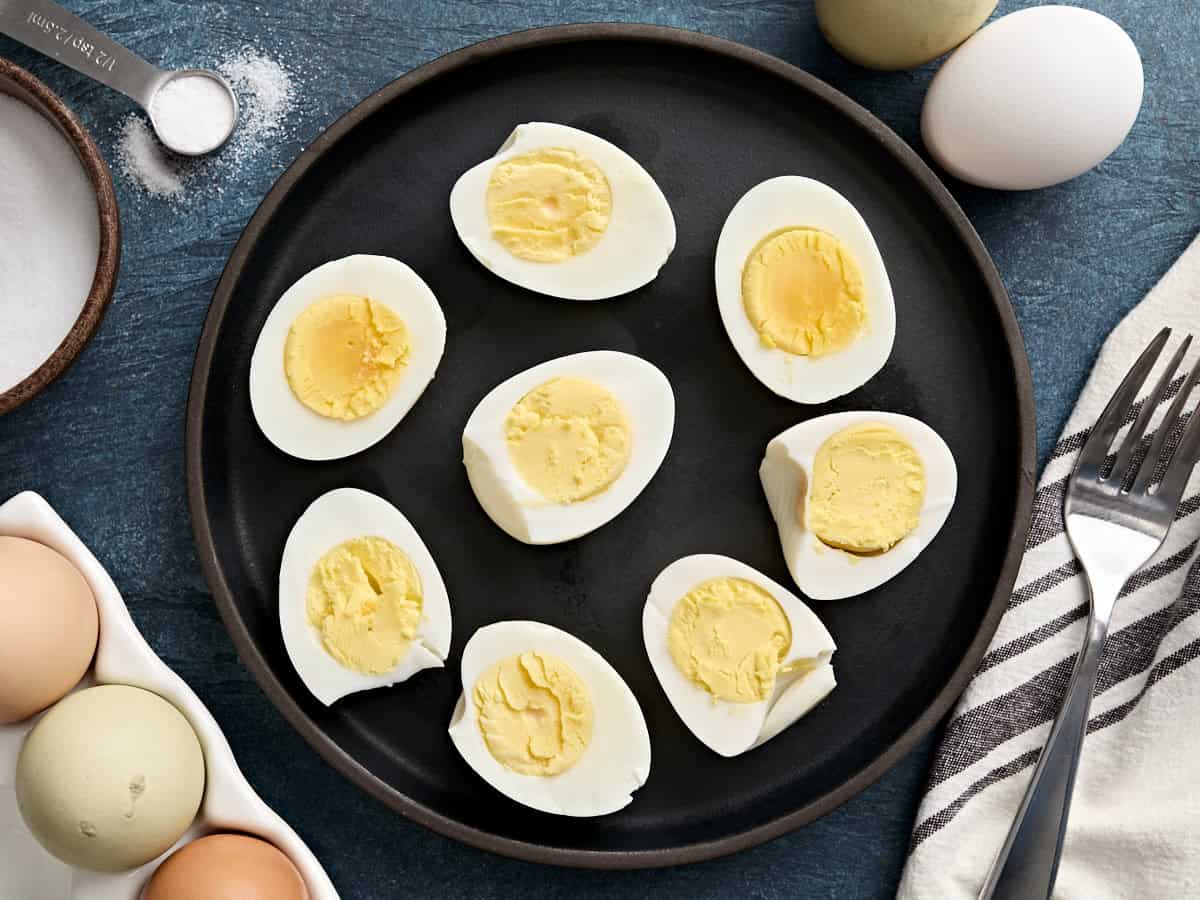
  └── Chemical reaction: Hydrogen sulfide in the white reacts with iron in the yolk, creating a green ring of ferrous sulfide.
To prevent this over-coagulation, modern recipe design relies on indirect heat methods. For example, the hot-water bath method for hard-boiled eggs gently cooks the egg off the direct heat source. This approach provides a wider window of safety to achieve a tender texture.
Official Responses and Expert Culinary Perspectives
Culinary Scientists on Texture Management
Professional chefs and food scientists emphasize that mastering egg cookery requires strict temperature control and a deep understanding of lipid-protein interactions.
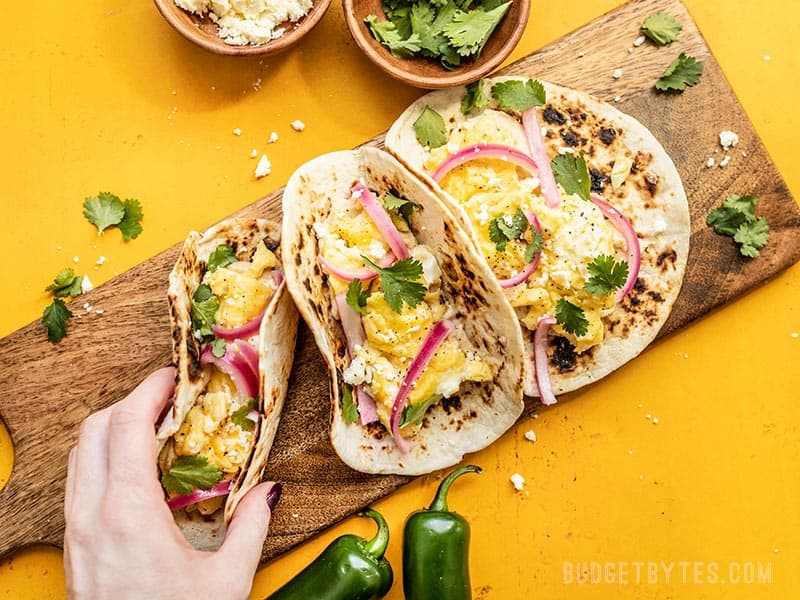
"The greatest mistake home cooks make is applying high, uncontrolled heat to eggs," states Dr. Evelyn Vance, a food science researcher specializing in protein behavior. "Whether you are frying, scrambling, or baking, gentle heat preservation is key.
For instance, when executing a Chinese Steamed Egg, the ratio of water to egg must be precisely 1.5:1 or 2:1, and the steam must be gentle. This ensures the egg proteins form a delicate, silky custard rather than a porous, spongy mass. The addition of water dilutes the protein concentration, elevating the coagulation temperature and yielding an incredibly smooth mouthfeel."
Nutritionists on Protein Enhancement
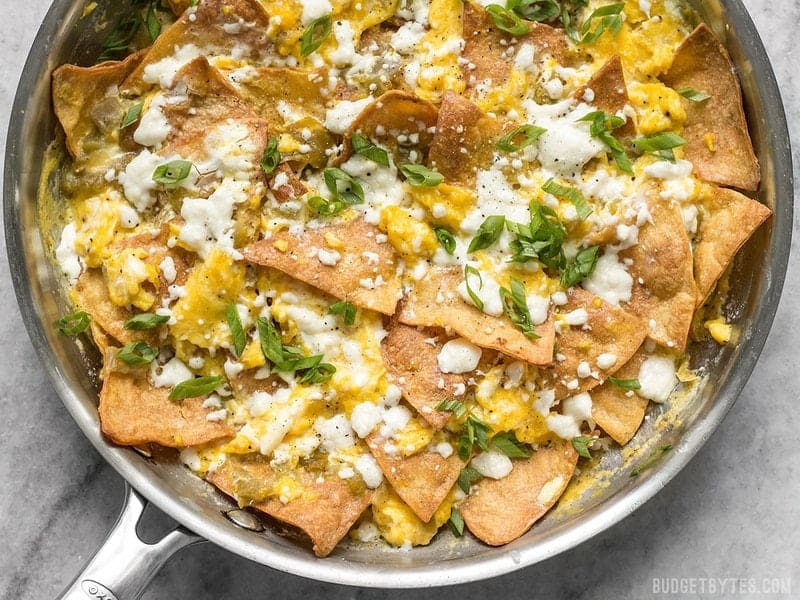
Dietitians have lauded the practice of blending alternative dairy products into eggs to optimize nutrient density. Commenting on the rising popularity of Cottage Cheese Eggs, clinical nutritionist Marcus Thorne notes:
"Integrating cottage cheese into scrambled eggs is an exceptional nutritional hack. It introduces casein protein, which digests slowly and extends satiety, while simultaneously introducing moisture that physically prevents the egg proteins from over-coagulating and drying out. It is a rare win-win where culinary structure and nutritional science align perfectly."
International Chefs on Global Adaptation
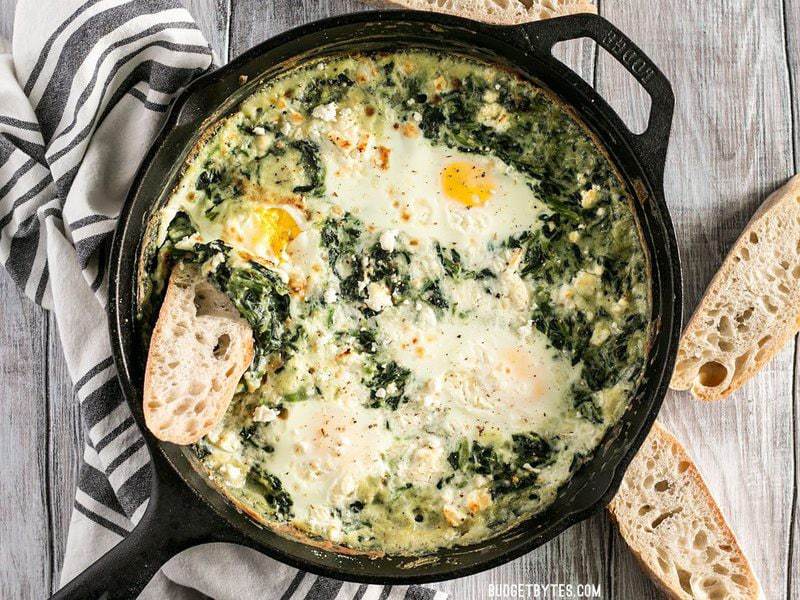
Global culinary experts point to dishes like Turkey’s Menemen and North Africa’s Shakshuka as masterclasses in flavor development.
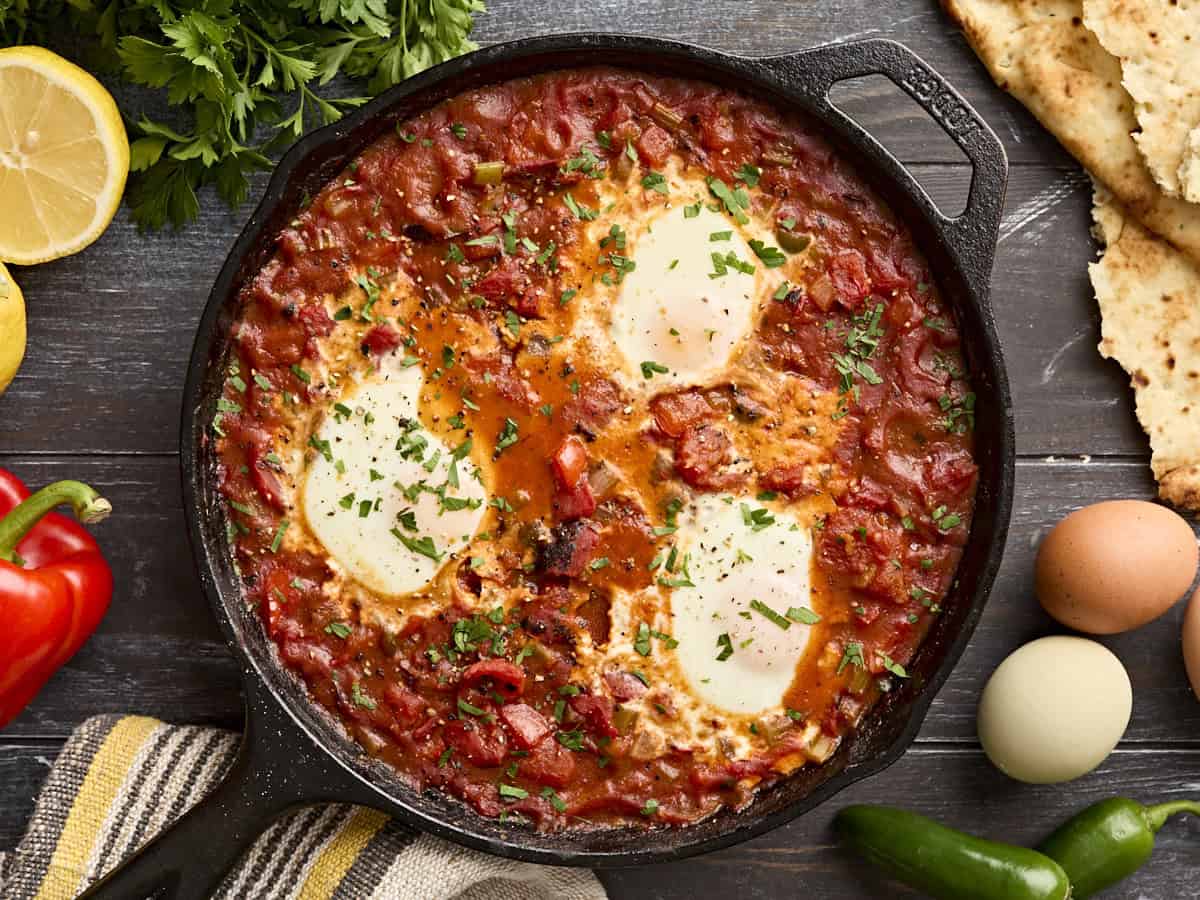
"In Mediterranean and Middle Eastern cuisines, eggs are not treated merely as a quick breakfast, but as a central component of a communal, flavor-forward dinner," explains culinary historian and chef Kenan Demir. "Cooking eggs directly within a simmering matrix of tomatoes, peppers, olive oil, and aromatic spices—such as cumin, paprika, and cardamom—allows the fat-soluble compounds of the spices to infuse the rich egg yolk. This elevates a simple ingredient into a complex, satisfying main course."
Implications: The Democratization of Gastronomy
The elevation of the egg from a basic breakfast option to a staple of dinner, meal prep, and international cuisine has profound implications for food culture, domestic economics, and food security.
1. Mitigating Food Insecurity through "Brinner"
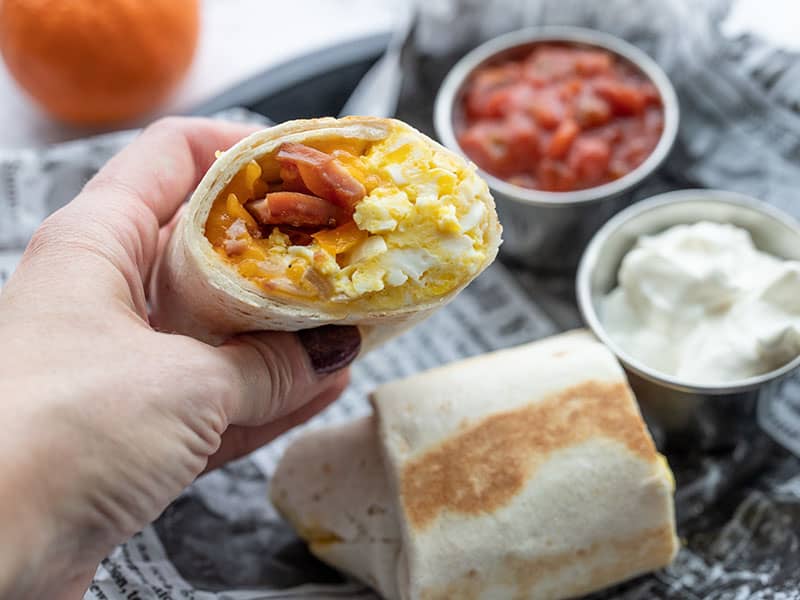
As food prices remain a primary concern for working-class households, the rise of "breakfast for dinner" (commonly termed "brinner") serves as an important economic buffer. By utilizing recipes like Chorizo Breakfast Hash ($1.86 per serving) or Sausage and Egg Breakfast Quesadillas ($0.84 per unit), families can enjoy flavorful, filling, and comforting dinners at a fraction of the cost of traditional meat-and-three-side meals. This shift democratizes high-quality dining, making it accessible to those on a tight budget.
2. The Rise of High-Efficiency Meal Prep
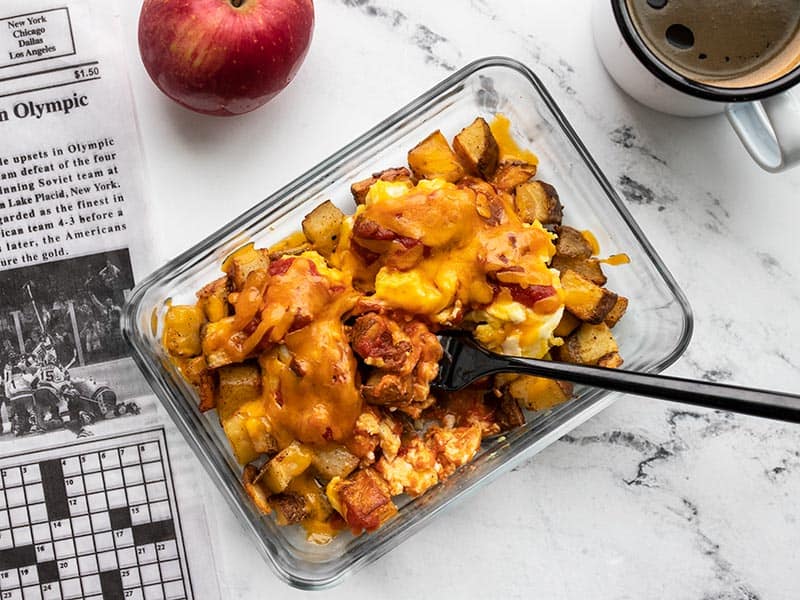
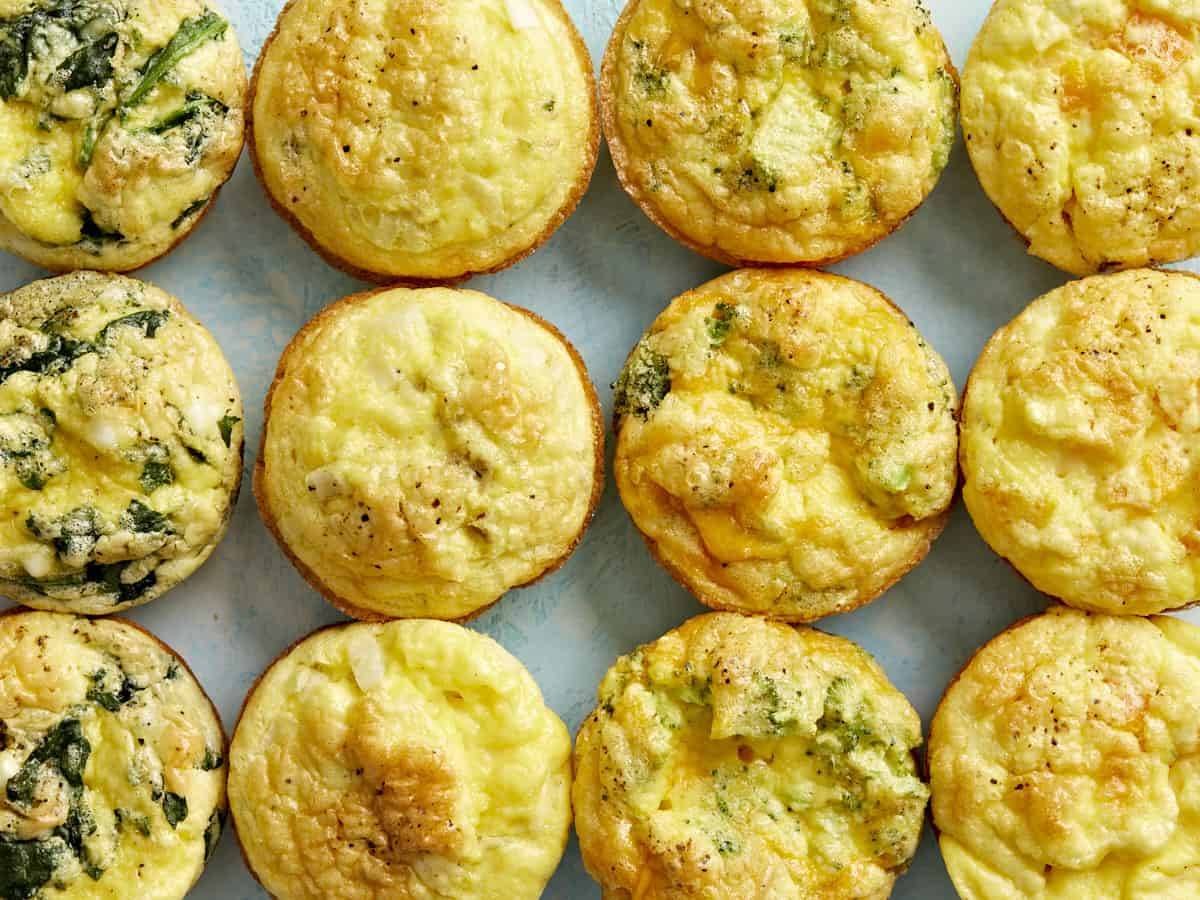
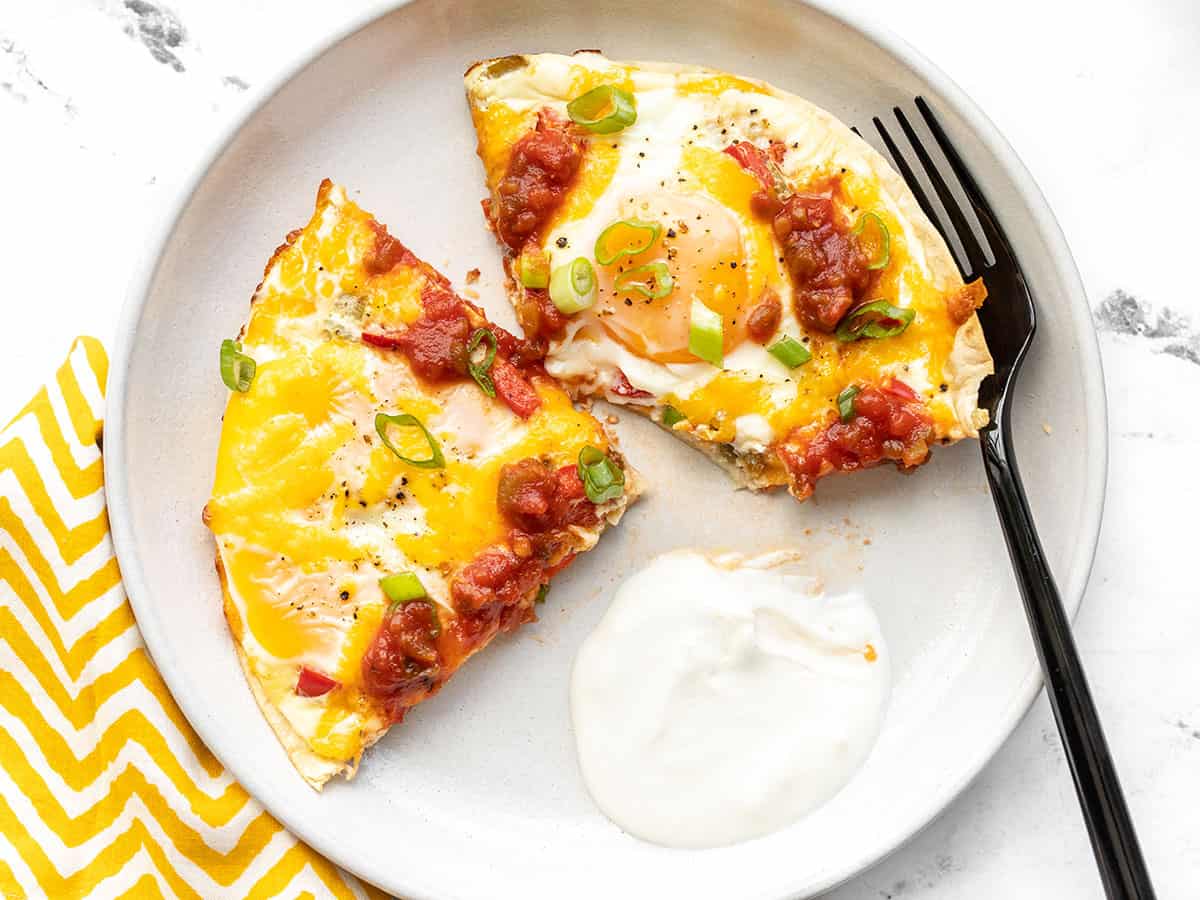
The modern workforce demands meals that are highly portable, quick to reheat, and nutritionally stable. The development of freezer-friendly and microwave-optimized egg recipes—such as Veggie Packed Freezer Breakfast Sandwiches and Make Ahead Microwave Breakfast Scrambles—proves that convenience does not have to come at the expense of health or flavor. Blending cottage cheese into egg muffins or using tortilla crusts for baked eggs preserves moisture during reheating, solving the historical problem of rubbery leftover eggs.
3. Redefining "Gourmet" in the Domestic Kitchen
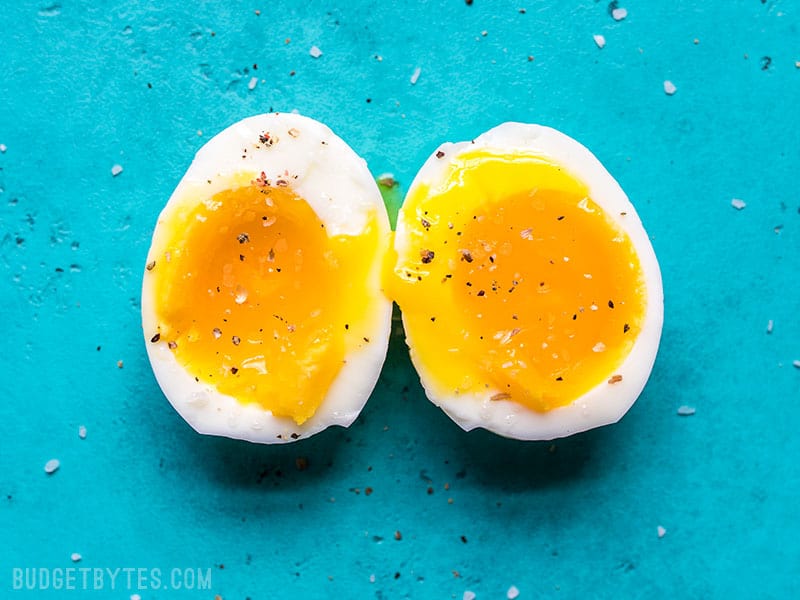
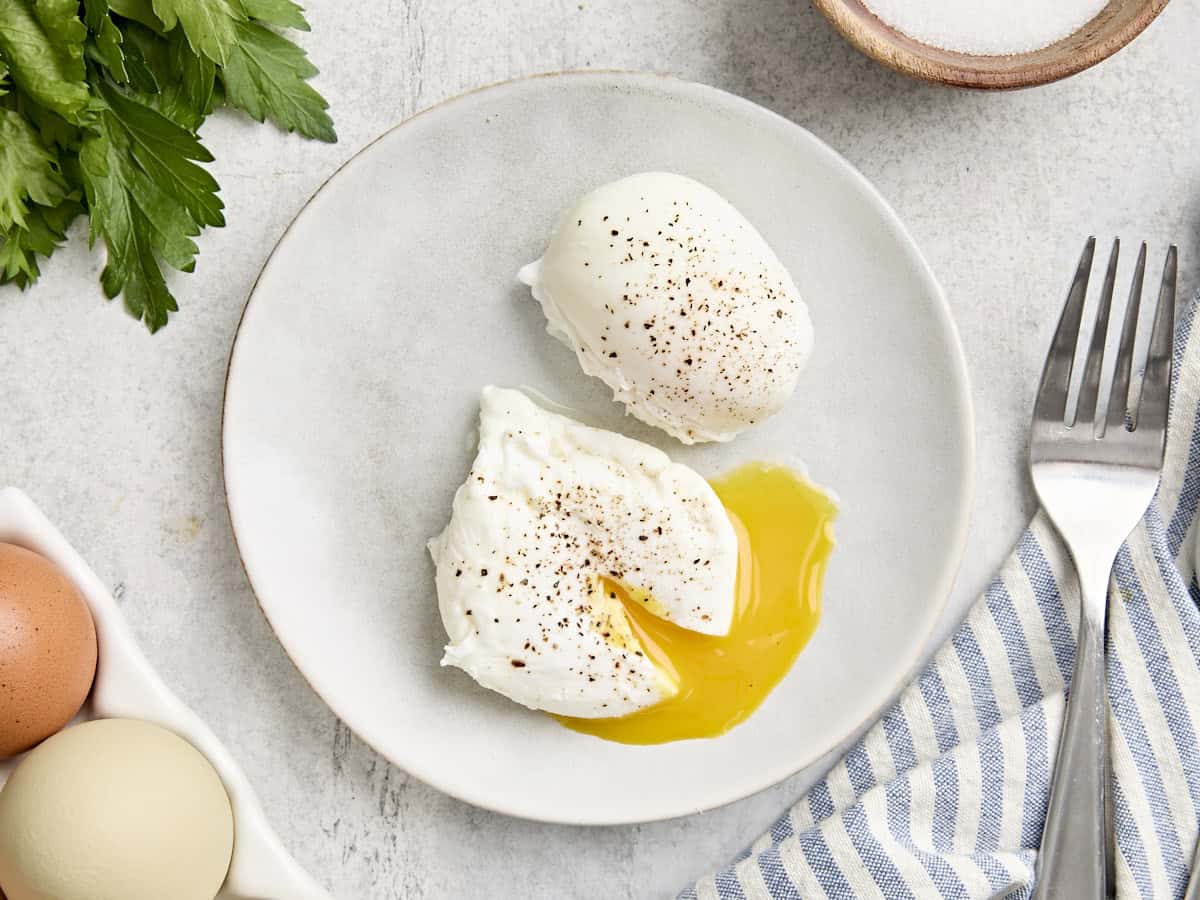
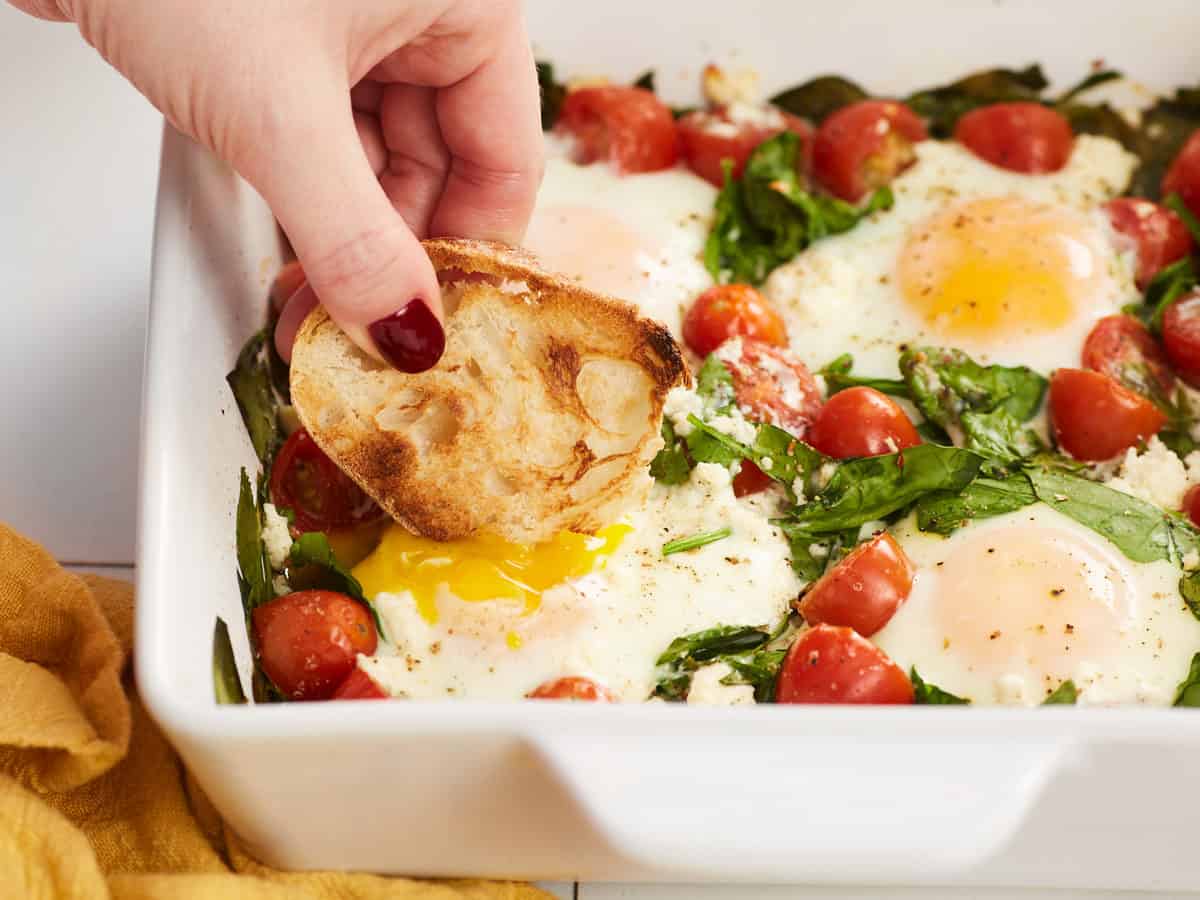
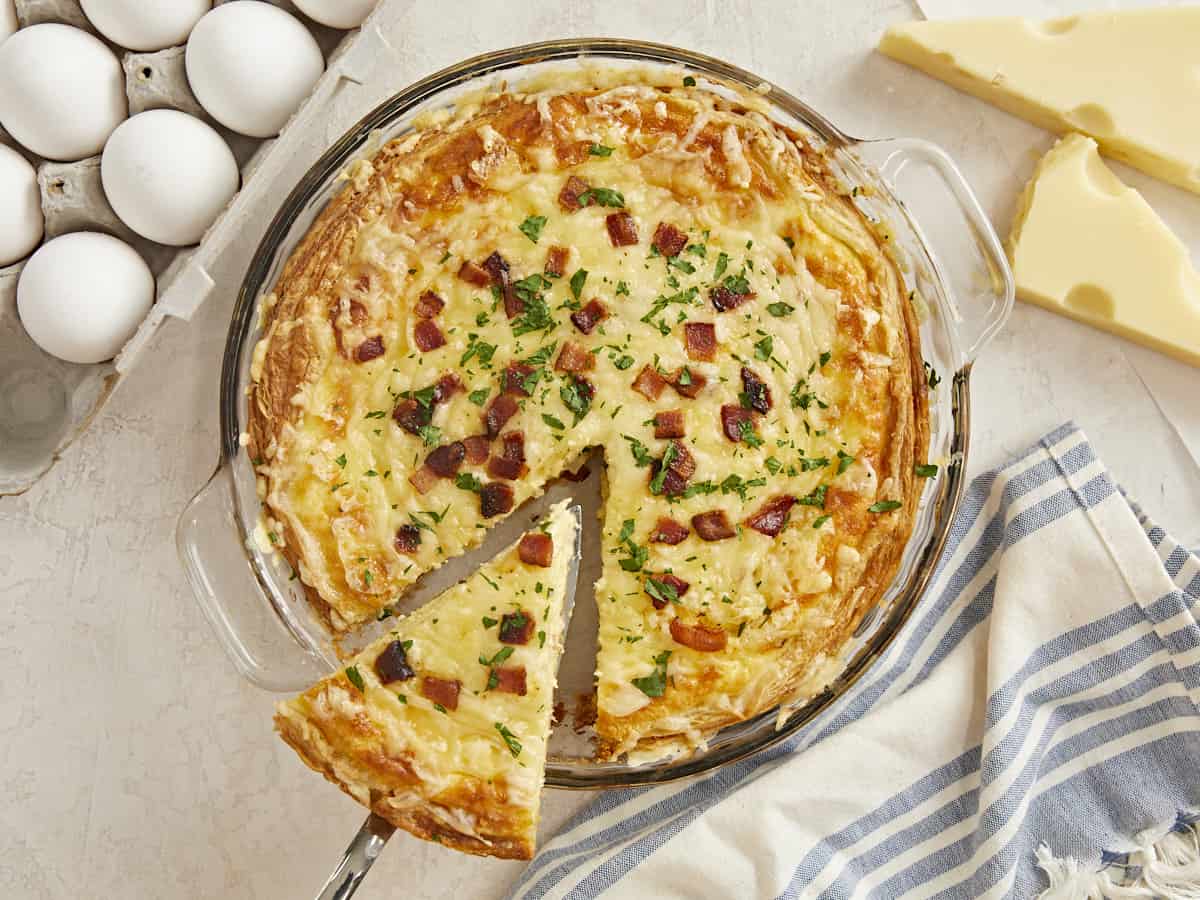
The popularity of advanced tutorials on poaching, soft-boiling, and baking eggs indicates a growing desire among home cooks to master culinary techniques once reserved for professional kitchens. When a home cook masters a perfect 6-minute soft-boiled egg with a liquid gold center, or creates a flaky Quiche Lorraine using puff pastry, they bridge the gap between budget-conscious dining and gourmet execution.
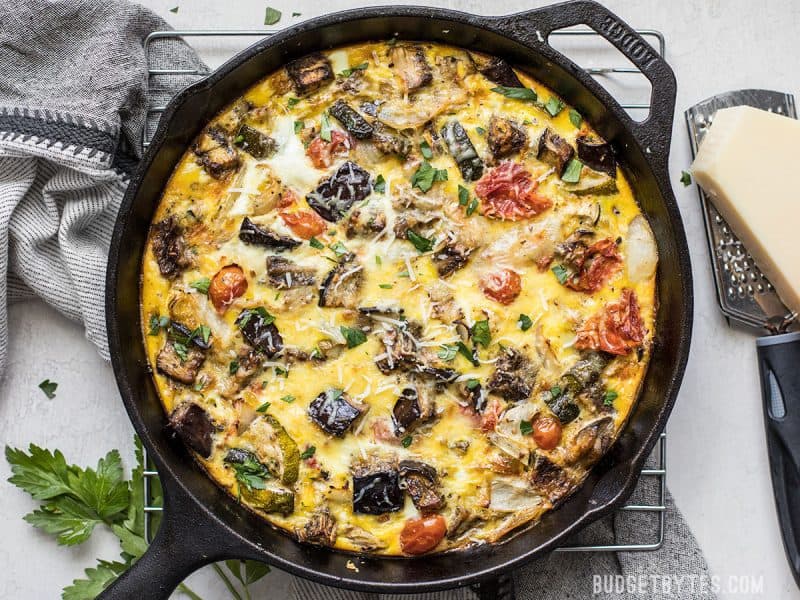
Ultimately, the humble egg proves that culinary excellence is not determined by the high cost of ingredients, but by the thoughtful application of technique, science, and flavor. As home cooks continue to navigate a changing economic landscape, the egg remains a reliable, versatile, and highly nutritious anchor of the modern kitchen.