The Science of the Perfect Crumb: Mastering Gluten-Free Banana Muffins
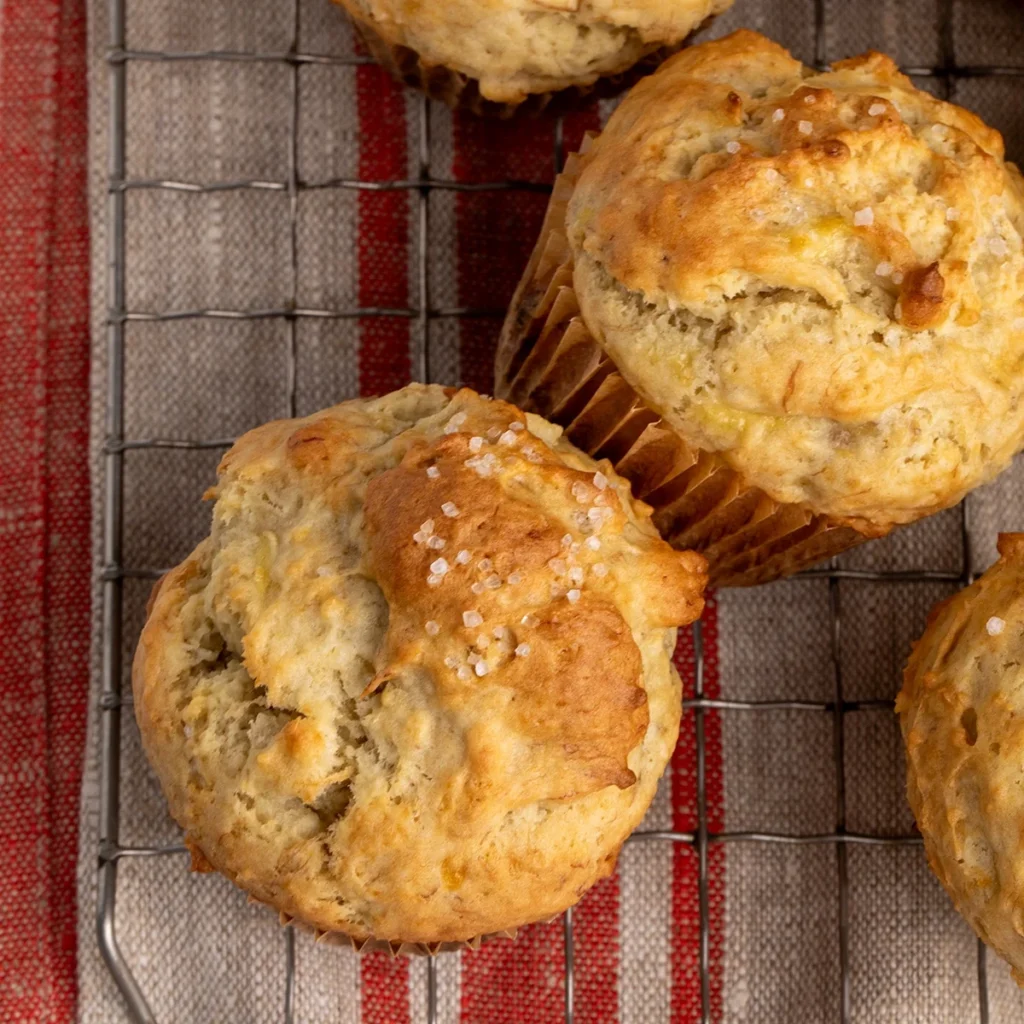
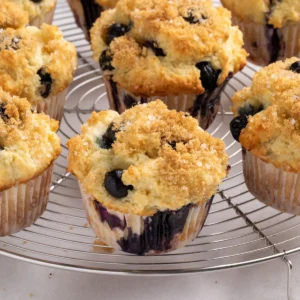
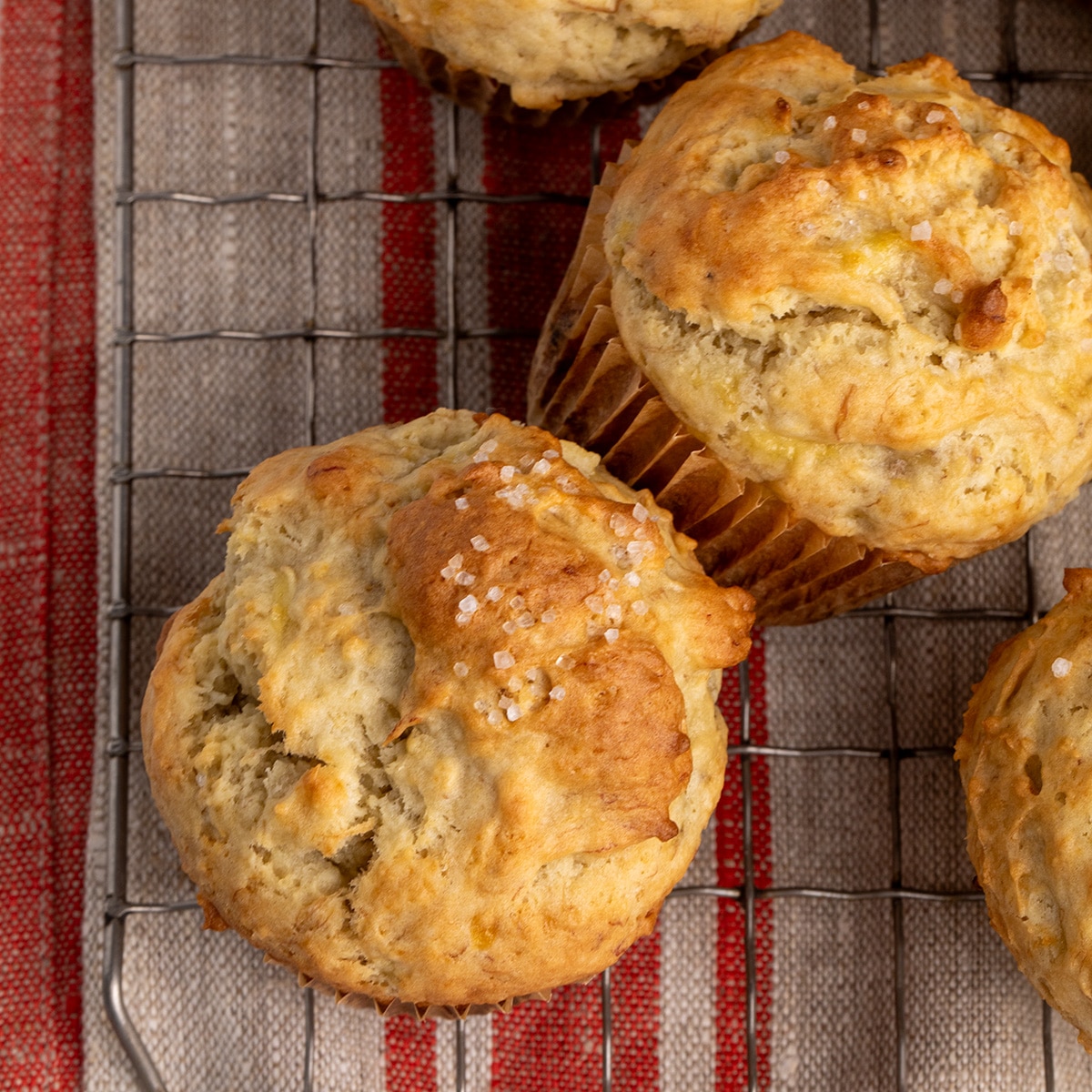
In the world of gluten-free baking, few challenges are as notoriously difficult as the banana muffin. For years, home bakers have struggled with the "gummy" interior, the collapsed dome, or the dense, brick-like texture that often haunts recipes stripped of traditional wheat structure. However, a new approach to this classic comfort food is changing the narrative. By treating the muffin not just as a quick bread, but as a delicate balance of chemical leavening and moisture control, bakers can now produce tall, golden, and impossibly fluffy banana muffins that rival their wheat-based counterparts.
Main Facts: Redefining the Gluten-Free Standard
At the heart of this culinary breakthrough is a shift in methodology. Rather than attempting to mimic wheat flour blindly, this recipe focuses on the structural integrity of gluten-free flour blends and the strategic timing of ingredient incorporation.
The primary innovation lies in the use of nearly two full cups of mashed, ripe bananas. While high moisture content is usually the enemy of a light crumb, this recipe manages the liquid-to-dry ratio through a "delayed folding" technique. By adding the mashed fruit only after the base batter is partially formed, the baker prevents the premature breakdown of the leavening agents.
Furthermore, the recipe utilizes a dual-fat system—combining melted butter for flavor and oil for moisture retention. This ensures that even on day three, the muffins retain a soft, tender crumb that avoids the dryness typical of many gluten-free products.
Chronology: The Evolution of the Recipe
The journey to this specific formulation was not overnight. It began with the frustration of the "muffin collapse," a common phenomenon where gas bubbles expand too quickly, causing the structure to fail before it can set.
- The Foundation (2016-2020): Early iterations relied heavily on almond flour and singular binders. While tasty, these often lacked the height and "classic" muffin texture expected by consumers.
- The Structural Shift (2021-2023): The focus moved toward all-purpose gluten-free blends (such as Better Batter or Bob’s Red Mill 1-to-1). This phase identified the necessity of xanthan gum to provide the elasticity that wheat gluten usually offers.
- The Temperature Breakthrough (2024-Present): The current, gold-standard method involves a "thermal shock" approach. By starting the oven at a high 425°F (218°C) and then dropping it to 350°F (175°C), the baker forces the batter to rise rapidly (the "oven spring") while ensuring the center cooks through without charring the exterior.
Supporting Data: The Anatomy of the Muffin
For those seeking to understand why these muffins consistently perform, it is helpful to look at the component breakdown. Each muffin, weighing in at approximately 234 calories, is designed to be nutrient-dense without sacrificing the indulgent experience of a bakery-style treat.
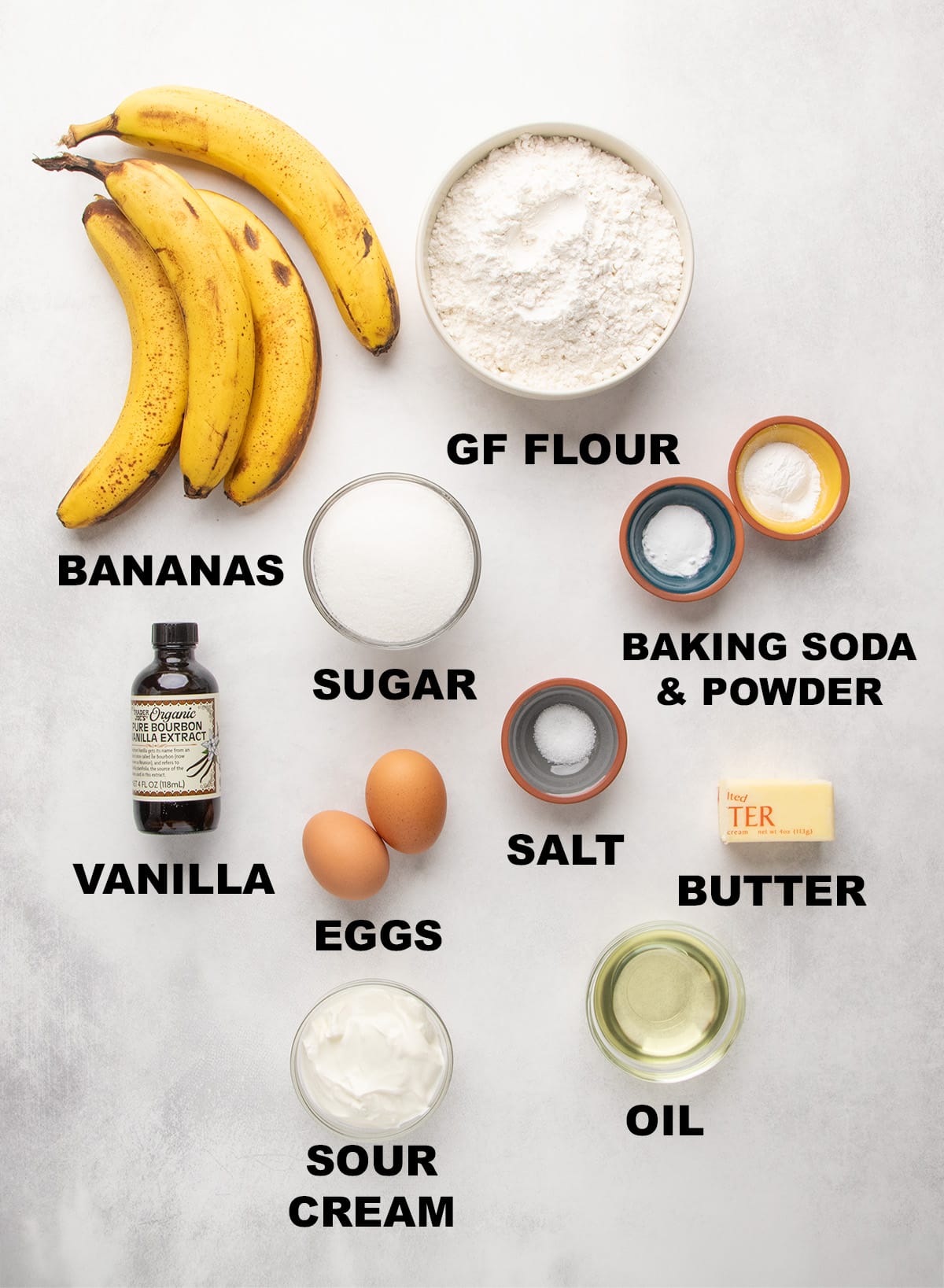
Ingredient Optimization
- The Flour Blend: The choice of flour is critical. Recommendations point toward blends that do not contain xanthan gum as a base, allowing the baker to calibrate the gum levels precisely to the specific density of the banana-heavy batter.
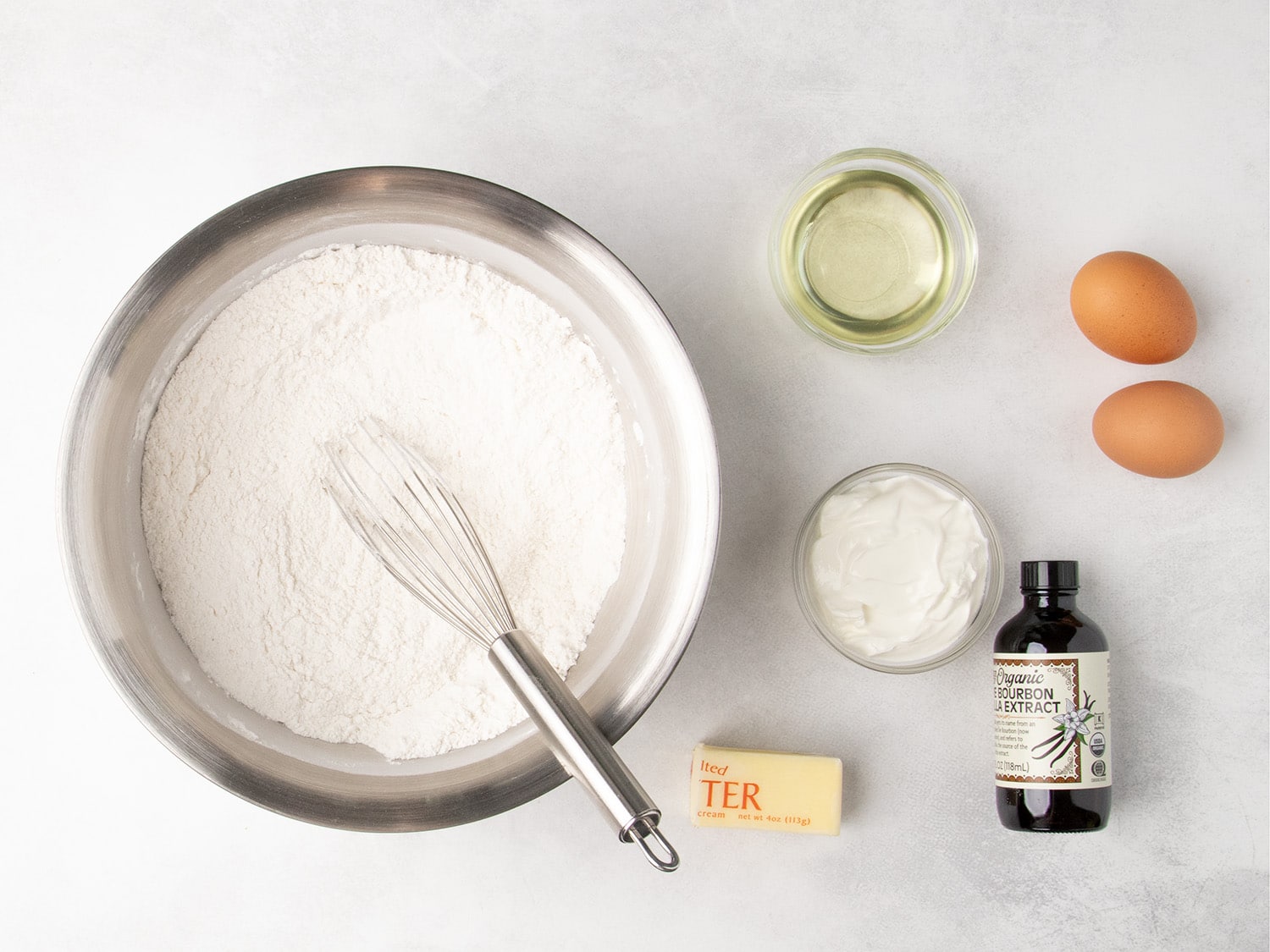
- The "Well" Method: By mixing the dry ingredients in one large bowl and creating a central well for the wet ingredients (butter, eggs, sour cream, and vanilla), the baker minimizes the number of steps. This reduction in handling prevents the "over-mixing" of the batter, which is essential to avoiding a dense, rubbery result.
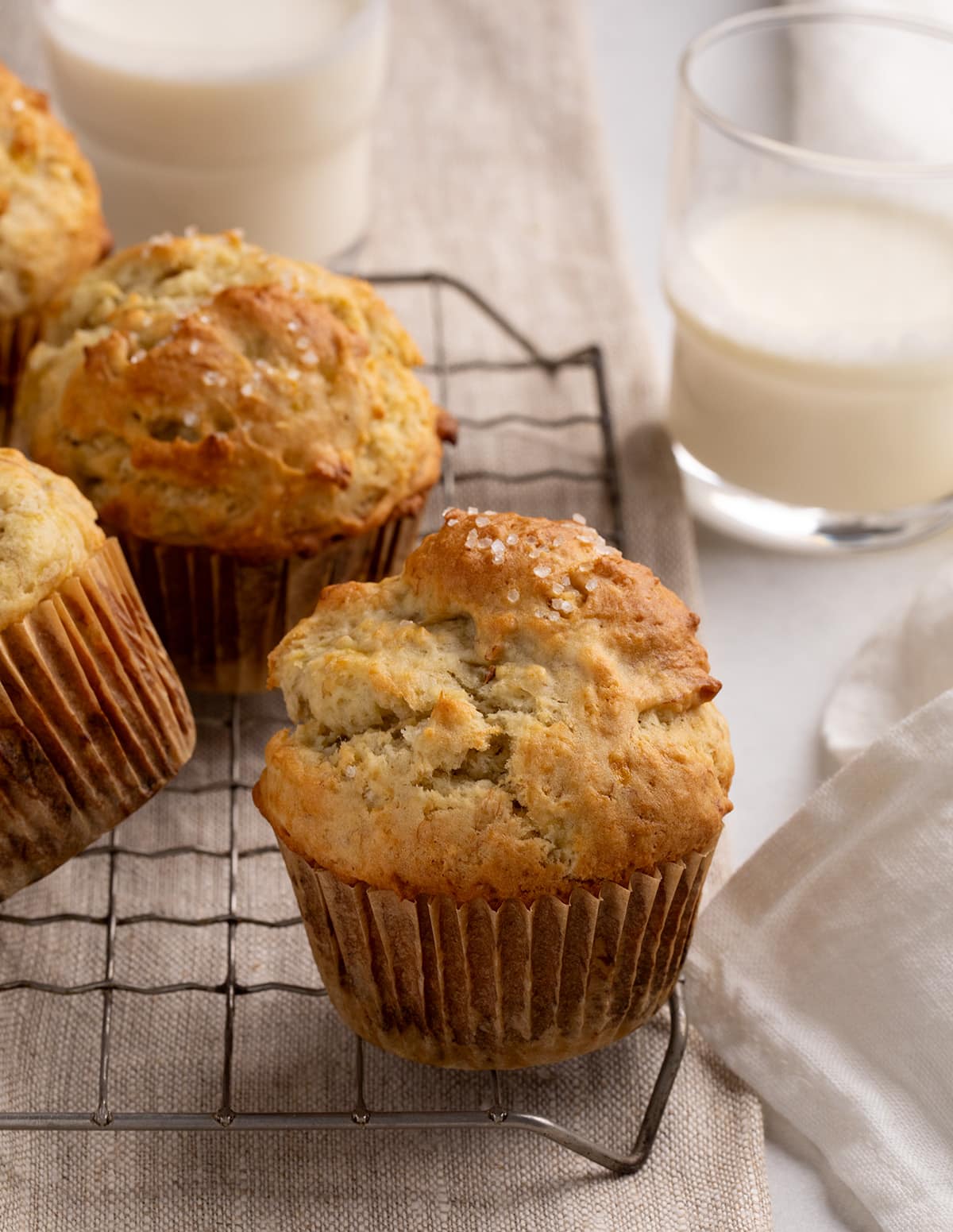
- The Muffin Tin Strategy: The expert recommendation to line only every other well in a standard 12-cup tin is a masterstroke in heat circulation. This spacing allows for more airflow around each muffin, encouraging that signature "bakery-tall" dome that is so often lost in crowded pans.
Official Guidance and Expert Methodology
Nicole Hunn, the authority behind Gluten Free on a Shoestring, emphasizes that "good, for gluten-free" is no longer an acceptable standard. Her approach is rooted in the belief that dietary restrictions should not require a sacrifice in quality or joy.
Essential Expert Tips
- Don’t Let Them Linger: One of the most common mistakes is leaving the muffins in the tin for too long after baking. Five minutes is the maximum window for cooling before transferring to a wire rack. Any longer, and the residual steam trapped in the liner will soften the crust, leading to a gummy texture that ruins the experience.
- Handling Frozen Bananas: Many bakers save overripe bananas in the freezer. Expert guidance confirms this is excellent, but with a caveat: the liquid released during thawing is pure flavor and moisture. Using this liquid is essential to the hydration balance of the recipe.
- The Oven Thermometer: Because gluten-free baking is highly sensitive to heat, relying on the internal thermostat of an oven can be a gamble. Using an external thermometer ensures the 425°F initial blast is accurate, preventing the "sunken center" syndrome.
Implications: A New Era for Home Bakers
The implications of these findings extend far beyond a single recipe. They suggest that the barrier to "perfect" gluten-free baking is not the ingredients themselves, but the techniques we use to assemble them.
Addressing Dietary Restrictions
This recipe’s versatility is a testament to the progress in allergen-friendly cooking. By substituting butter with virgin coconut oil and employing strained yogurt or specialized egg-replacers, the same high-quality muffin can be achieved by those with dairy or egg allergies. This inclusive approach ensures that the "perfect" muffin is not limited by one’s dietary needs.
Storage and Sustainability
In an era of rising grocery costs, the ability to freeze and refresh baked goods is paramount. The guidance provided—storing for up to two months and refreshing via a quick toaster-oven heat-up—means that waste is minimized. A batch of muffins can serve as a quick breakfast solution for weeks, effectively bridging the gap between convenience and homemade quality.
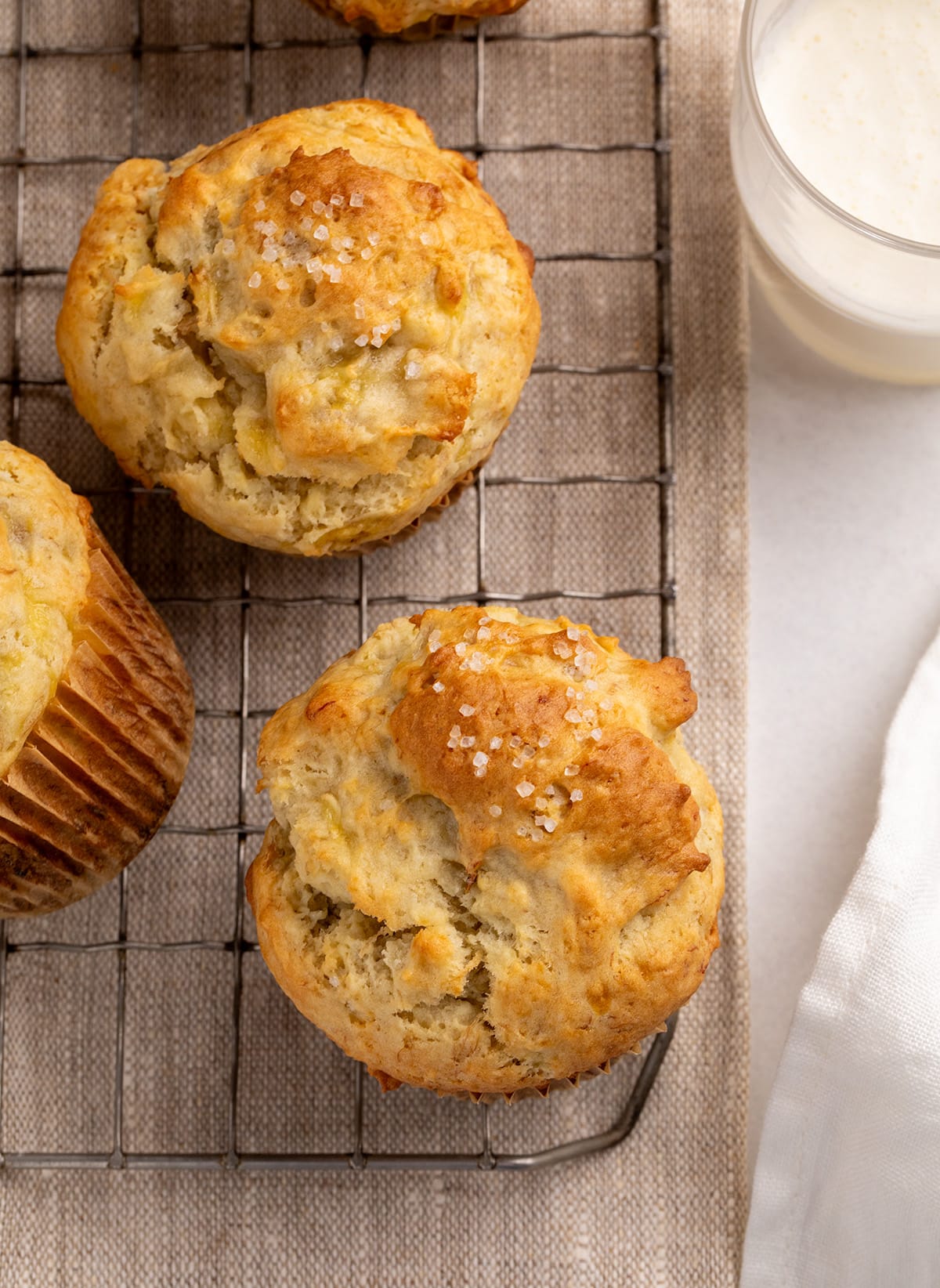
Culinary Versatility
The inclusion of optional add-ins like chocolate chips, walnuts, or ground cinnamon demonstrates that the base recipe is a blank canvas. This encourages home bakers to experiment, thereby fostering a deeper relationship with their food and increasing confidence in the kitchen.
Conclusion
As we continue to refine the science of gluten-free baking, we find that the most successful recipes are those that respect the chemistry of the ingredients while embracing the nuances of home equipment. Whether you are baking for health, necessity, or simply the love of a good banana muffin, the path to a golden, fluffy, and delicious result is clearer than ever. It is a reminder that with the right technique, the limitations of a gluten-free diet are effectively erased, leaving only the pleasure of a perfectly baked treat.