The Rise of Efficient Nutrition: Mastering the 35-Minute Crispy Chili Beef Noodles
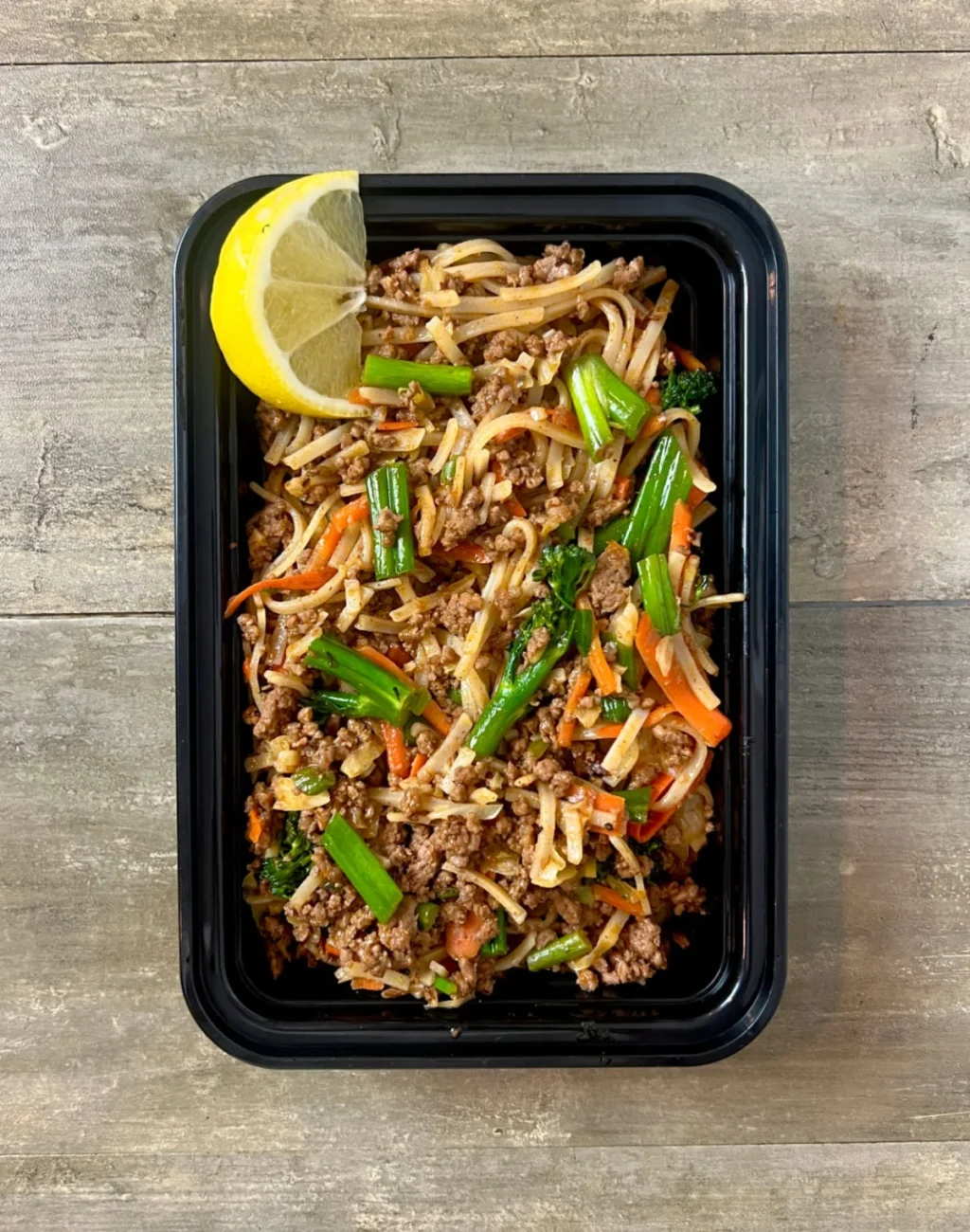
In the modern culinary landscape, where the demands of professional life often collide with the necessity of maintaining health, the concept of "meal prep" has evolved from a niche hobby into a logistical necessity. Among the latest contributions to this movement is the "Crispy Chili Beef Noodles" recipe—a dish that has captured the attention of home cooks for its ability to balance high-protein macronutrients with the complex, savory heat of traditional Asian-inspired flavors.
By condensing the preparation process into a mere 35 minutes, this recipe serves as a benchmark for what can be achieved in a busy work week. This report examines the mechanics of this dish, the nutritional implications for the health-conscious consumer, and why such recipes are redefining how we perceive domestic cooking.
Main Facts: The Anatomy of a High-Performance Meal
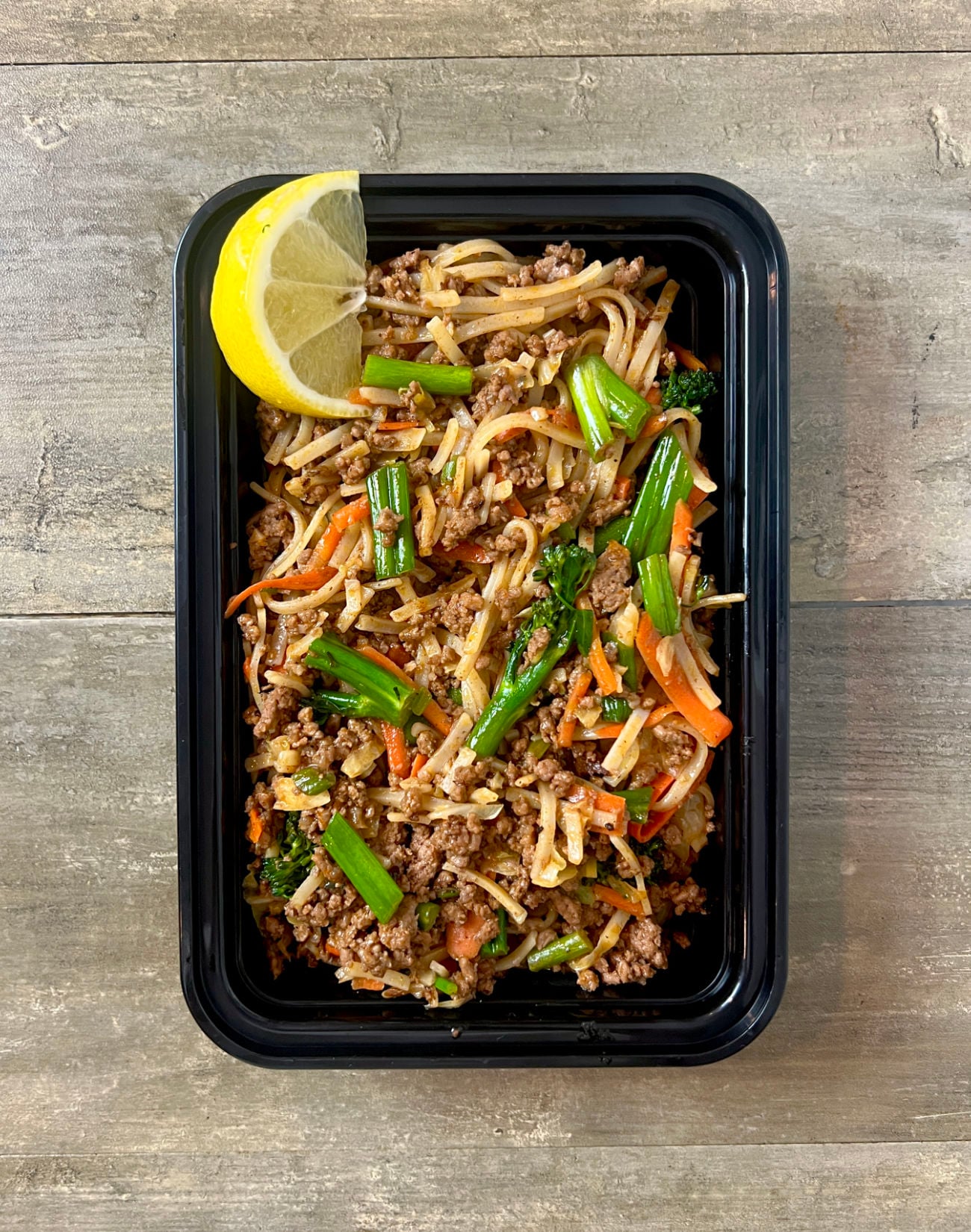
The Crispy Chili Beef Noodles dish is built on a foundation of structural simplicity combined with intense flavor profiles. At its core, the recipe utilizes ground beef—chosen for its ability to develop a "crispy" texture through Maillard reaction when properly seared—paired with a robust, gochujang-based sauce.
Key Components:
- The Protein: Lean ground beef, browned to achieve a crisp finish, providing the primary caloric and muscle-building foundation.
- The Base: High-quality noodles that act as a vessel for the sauce.
- The Aromatics & Vegetables: A curated medley of vegetables that provides fiber and texture, preventing the dish from becoming overly dense.
- The Sauce: A gochujang-heavy infusion. Gochujang, a fermented Korean chili paste, is the engine of this dish, offering a fermented depth that provides umami, spice, and a slight sweetness without the need for excessive artificial additives.
The dish is specifically engineered for five-serving yields, making it an ideal candidate for weekly batch preparation. With a per-serving calorie count of 617, the recipe provides a substantial meal that fits within the framework of most moderate-to-high activity lifestyles.
Chronology: The 35-Minute Workflow
Efficiency in the kitchen is often a matter of sequencing. The 35-minute preparation time for this recipe is not a coincidence; it is the result of a streamlined workflow designed to overlap tasks.
Phase 1: Mise en Place (Minutes 0–10)
The preparation begins with the organization of all ingredients. Vegetables are washed and chopped, and the gochujang-based sauce is whisked in a separate vessel. Having the sauce ready before the heat is introduced is critical, as the cooking process moves rapidly once the beef hits the pan.
Phase 2: The Searing Process (Minutes 10–20)
The beef is introduced to a high-heat environment. By spreading the ground beef in a single layer and allowing it to remain undisturbed, the cook encourages the moisture to evaporate and the edges to caramelize. This "crispy" texture is the defining sensory characteristic of the dish.
Phase 3: Assembly and Integration (Minutes 20–35)
Once the beef reaches the desired level of crispness, the vegetables are introduced, followed by the noodles. The sauce is then folded in, coating every element. Because the noodles are often pre-boiled or par-cooked during the beef-searing phase, the final integration happens in under five minutes, ensuring the vegetables retain their structural integrity and "crunch."
Supporting Data: Macronutrient Breakdown
For the data-driven consumer, the nutritional profile of this meal is highly favorable. A single serving contains:
- Calories: 617 kcal
- Carbohydrates: 55g
- Protein: 47g
- Fat: 23g
- Fiber: 5.3g
The Macronutrient Strategy
The 47 grams of protein per serving is the standout metric here. For individuals engaged in resistance training or those looking to maintain lean muscle mass, this level of protein is optimal. The carbohydrate-to-fat ratio (55g to 23g) suggests a meal that is geared toward replenishment and satiety. The inclusion of 5.3g of fiber—likely derived from the vegetable medley—aids in digestion and helps modulate the glycemic impact of the noodles, preventing the "sluggish" feeling often associated with high-carb meals.
Official Perspectives: The Philosophy of Meal Prep
While this recipe originates from the "Meal Prep Manual" community, the broader culinary and nutritional science community has weighed in on the efficacy of such meal-planning approaches.
Nutritionists often emphasize that the success of any diet is rooted in "compliance." When an individual has a ready-to-eat, high-protein meal waiting in their refrigerator, they are statistically less likely to opt for caloric-dense, nutrient-poor takeout options. The Crispy Chili Beef Noodles exemplify this "barrier-to-entry" reduction. By lowering the time investment to 35 minutes, the recipe removes the primary excuse—"I don’t have time to cook"—that drives many consumers toward fast food.
Furthermore, the choice of gochujang as a primary flavoring agent is lauded by culinary historians. As fermented foods gain traction for their potential gut-health benefits, incorporating them into everyday staples like beef and noodles bridges the gap between traditional health-focused ingredients and modern, convenient dining.
Implications: Why This Matters for the Future of Cooking
The popularity of recipes like the Crispy Chili Beef Noodles points toward a shift in how we view the kitchen.
1. The Death of the "Slow-Cooked" Myth
For decades, the cultural narrative suggested that "good" food required hours of simmering. This recipe challenges that, proving that high-quality, flavorful, and nutritionally dense food can be produced in a timeframe competitive with ordering a pizza.
2. Economic Efficiency
Beyond the health metrics, there is an economic implication. Batch-preparing five servings of a beef-based dish is significantly more cost-effective than purchasing five individual meals from a restaurant. In an era of rising food inflation, the ability to produce restaurant-quality meals for a fraction of the price is a significant driver of this recipe’s adoption.
3. Sustainability through Planning
Food waste is a major issue in the modern household. By purchasing ingredients for a specific five-serving recipe, consumers are more likely to utilize their produce before it spoils. This intentionality in shopping—buying only what is needed for the week’s planned meals—is a cornerstone of sustainable living.
4. Customizability
While the provided recipe lists a specific nutritional profile, the flexibility of the "ground meat + noodle + sauce" formula allows for endless iteration. Substitutions, such as swapping beef for turkey or utilizing whole-grain or buckwheat noodles, allow the consumer to customize the macros according to their specific goals without compromising the fundamental structure of the dish.
Conclusion: A New Standard for Home Dining
The Crispy Chili Beef Noodles represent more than just a list of ingredients; they represent a modern, pragmatic approach to self-care. By leveraging efficient cooking techniques, focusing on high-protein macronutrients, and embracing bold, fermented flavors, this dish provides a blueprint for how to eat well without being tethered to the stove.
As the culture of meal preparation continues to mature, we can expect to see more recipes that prioritize this "35-minute" threshold, blending the convenience of the modern world with the nourishing quality of home-cooked food. For the busy professional, the athlete, or the home cook simply looking to streamline their week, this recipe serves as a vital tool in the pursuit of a balanced and efficient lifestyle.
Whether you are looking to hit specific fitness targets or simply want to reclaim your evenings, the data and the method are clear: excellence in the kitchen is often found in the marriage of preparation, technique, and well-balanced nutrition.