The Evolution of Artistry: Inside the Pinch of Yum Food Photography Workshop Extravaganza
Executive Summary
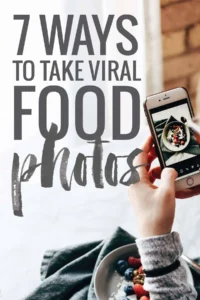
In the rapidly evolving digital landscape, food blogging has transcended simple recipe sharing, becoming a sophisticated medium of visual storytelling. At the forefront of this movement is the "Pinch of Yum" workshop series, an educational initiative that has transformed from a modest experiment into a national hub for culinary photographers. Based in Minneapolis, Minnesota, these workshops serve as a sanctuary for creators—ranging from hobbyists to professional influencers—to refine their technical skills in lighting, styling, and composition. This article explores the trajectory of the program, its impact on the creator economy, and the professionalization of food photography as a career path.
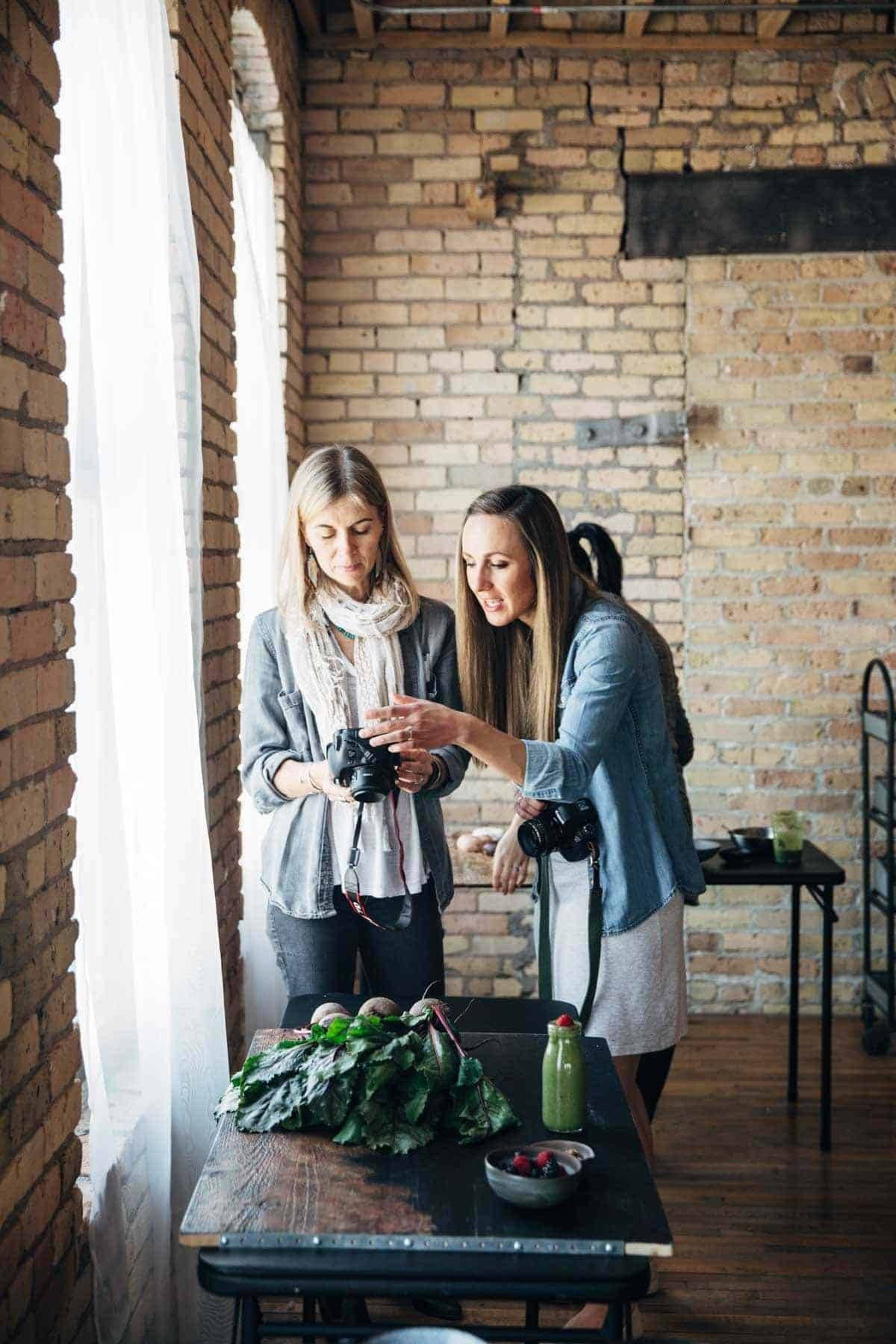
The Genesis of a Vision: A Chronology of Growth
The Experimental Phase (2014–2015)
The journey began with a realization that the art of food photography required more than just a camera and a recipe; it required a community. Between 2014 and 2015, the founders of Pinch of Yum engaged in a series of collaborative teaching ventures with various organizations. These early experiences acted as a crucible, identifying a significant gap in the market: there were few dedicated, intimate spaces where photographers could collectively practice the nuances of natural light and aesthetic food arrangement.
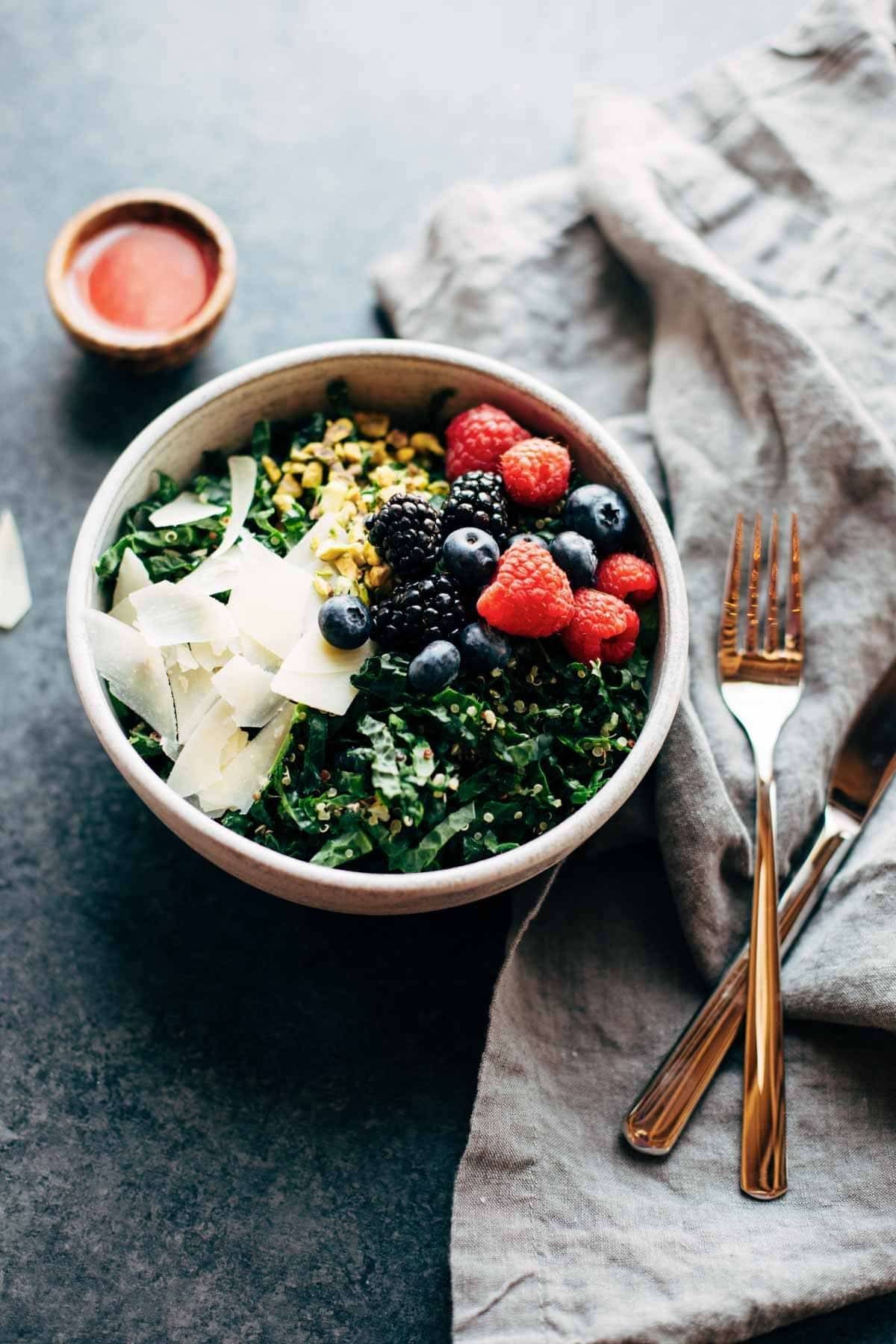
The first independent workshop was launched in September 2015. While the initial venue was described as "cute and adorable," it was notably constrained by its size. Despite these spatial limitations, the demand was immediate. Subsequent sessions in November and December 2015 confirmed that the hunger for hands-on, collaborative learning was far greater than initially anticipated.
The Expansion: Establishing a Permanent Hub
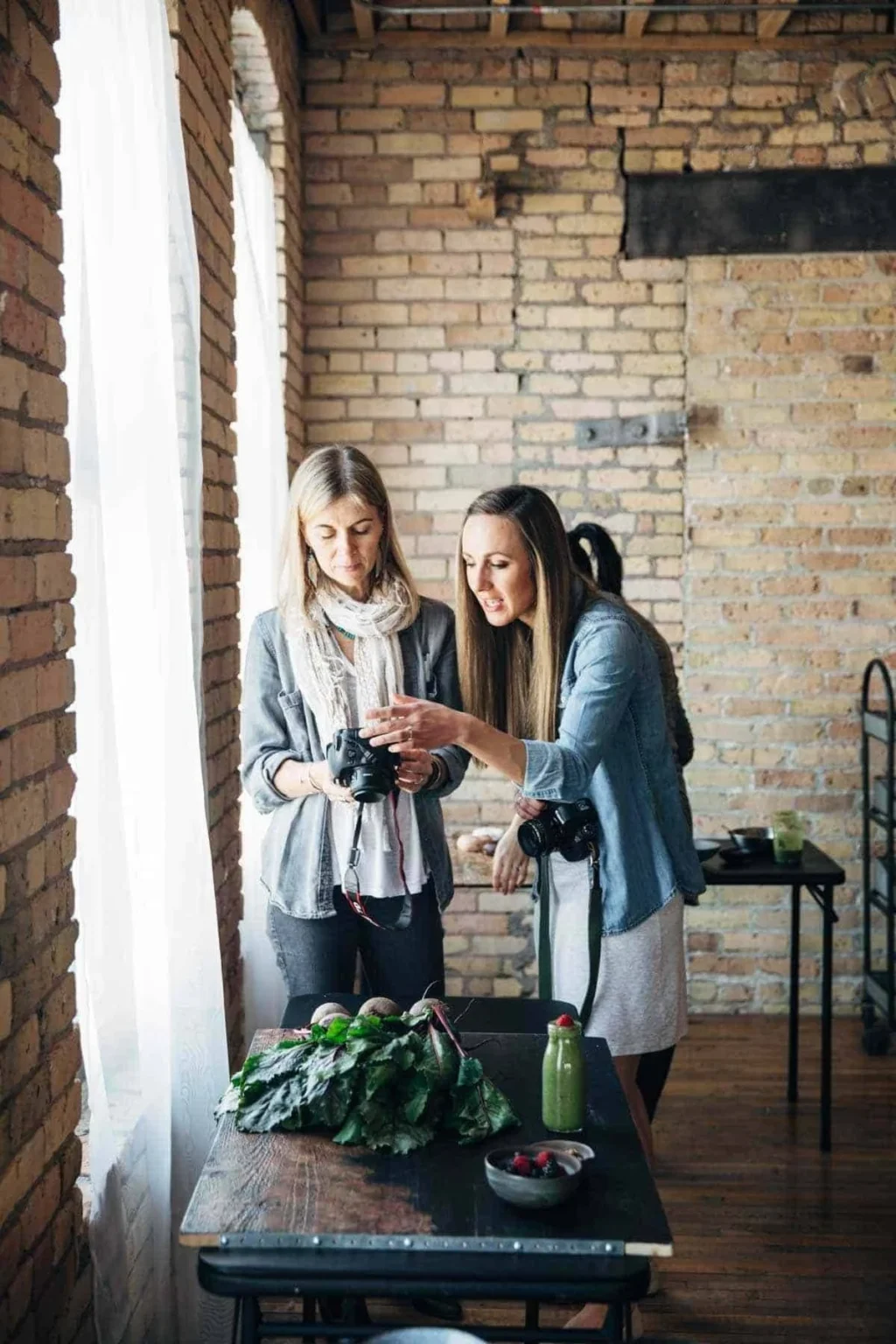
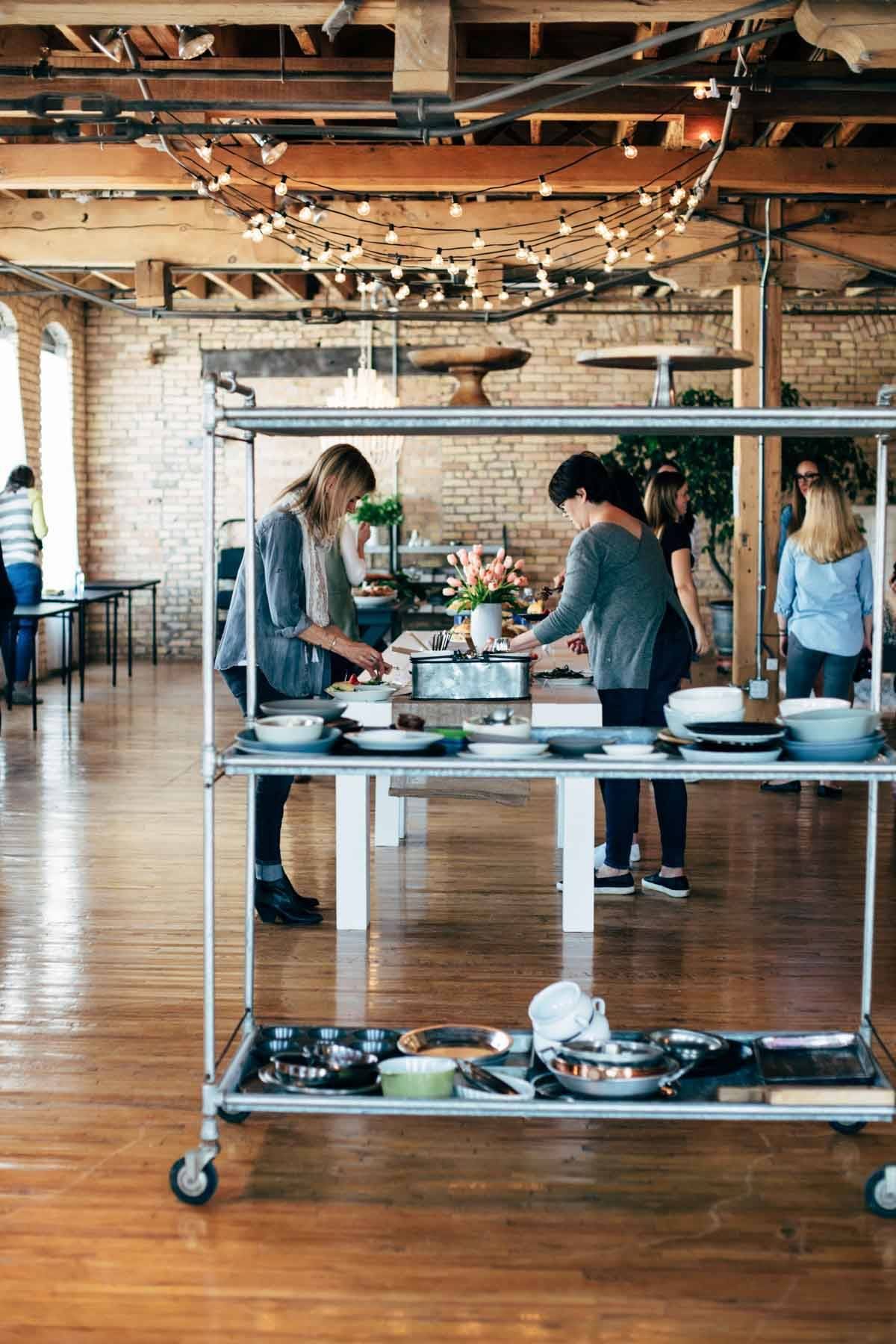
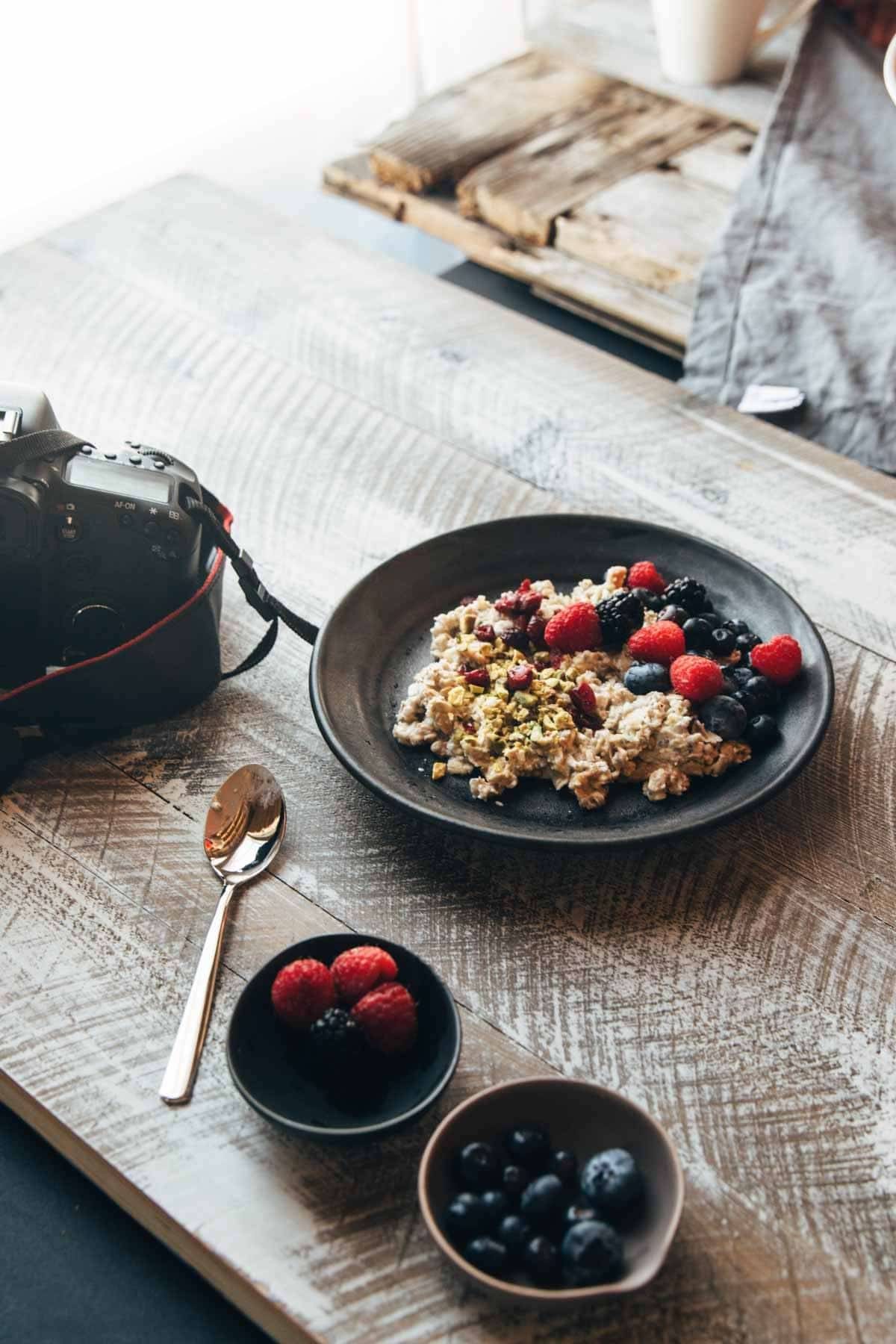
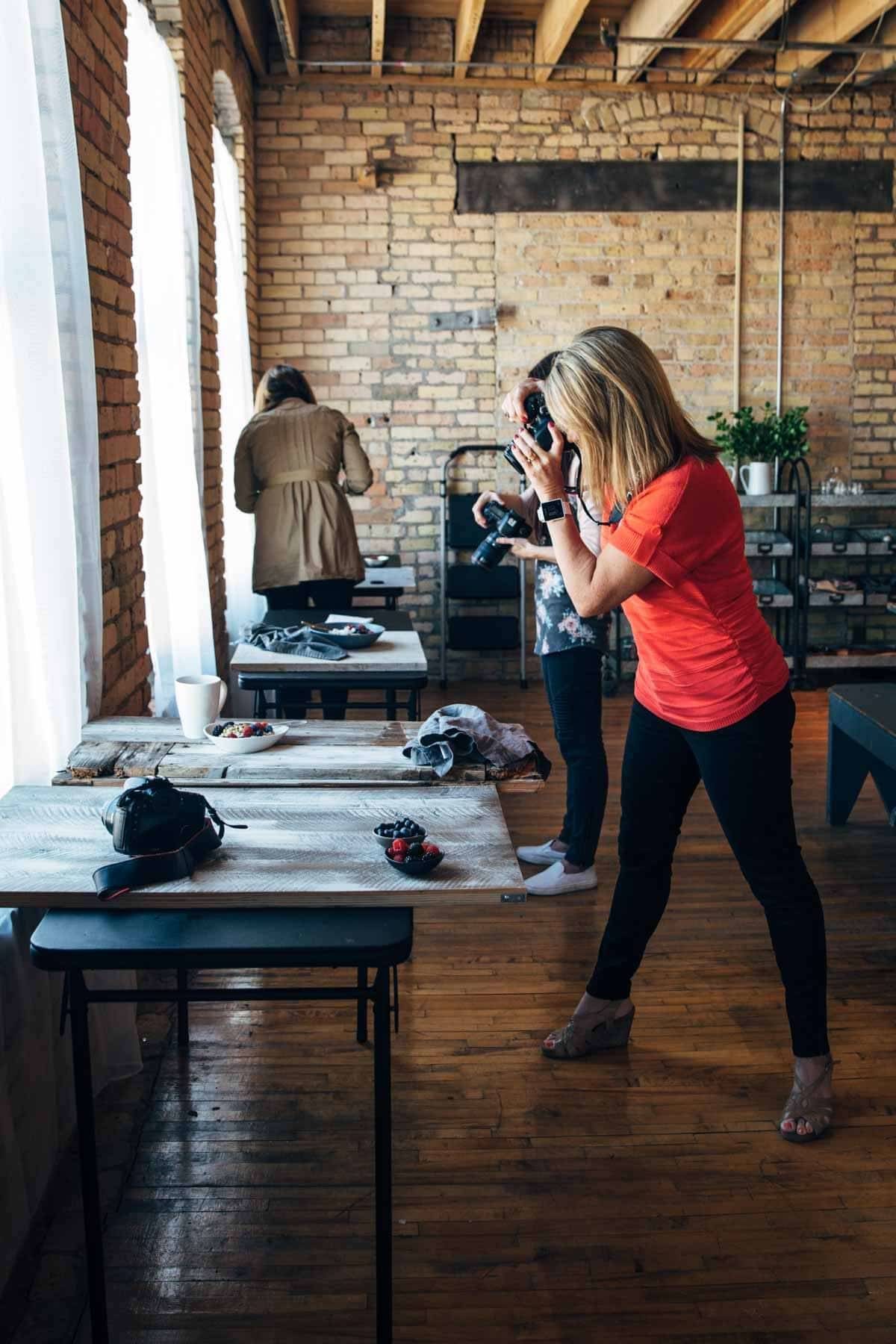
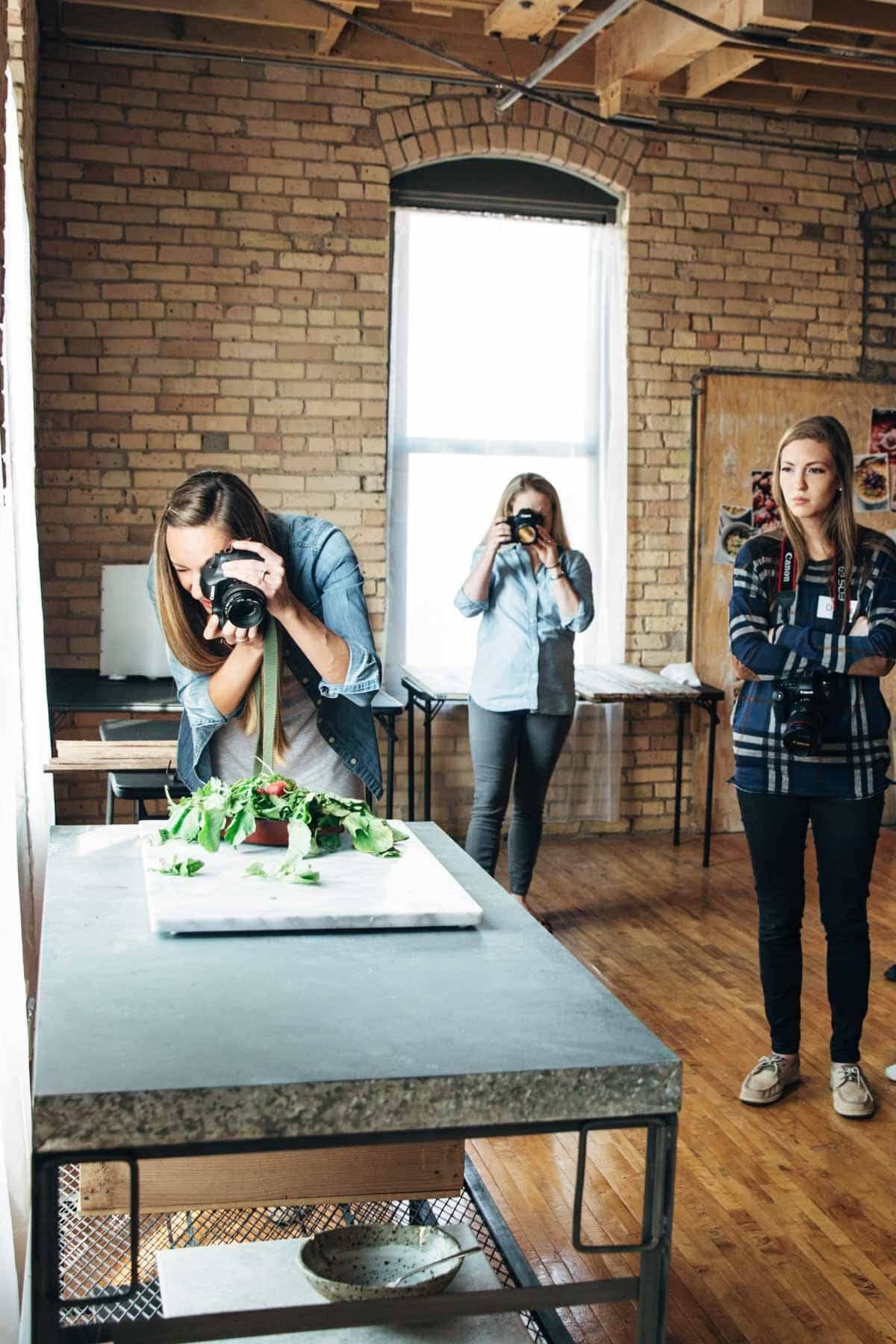
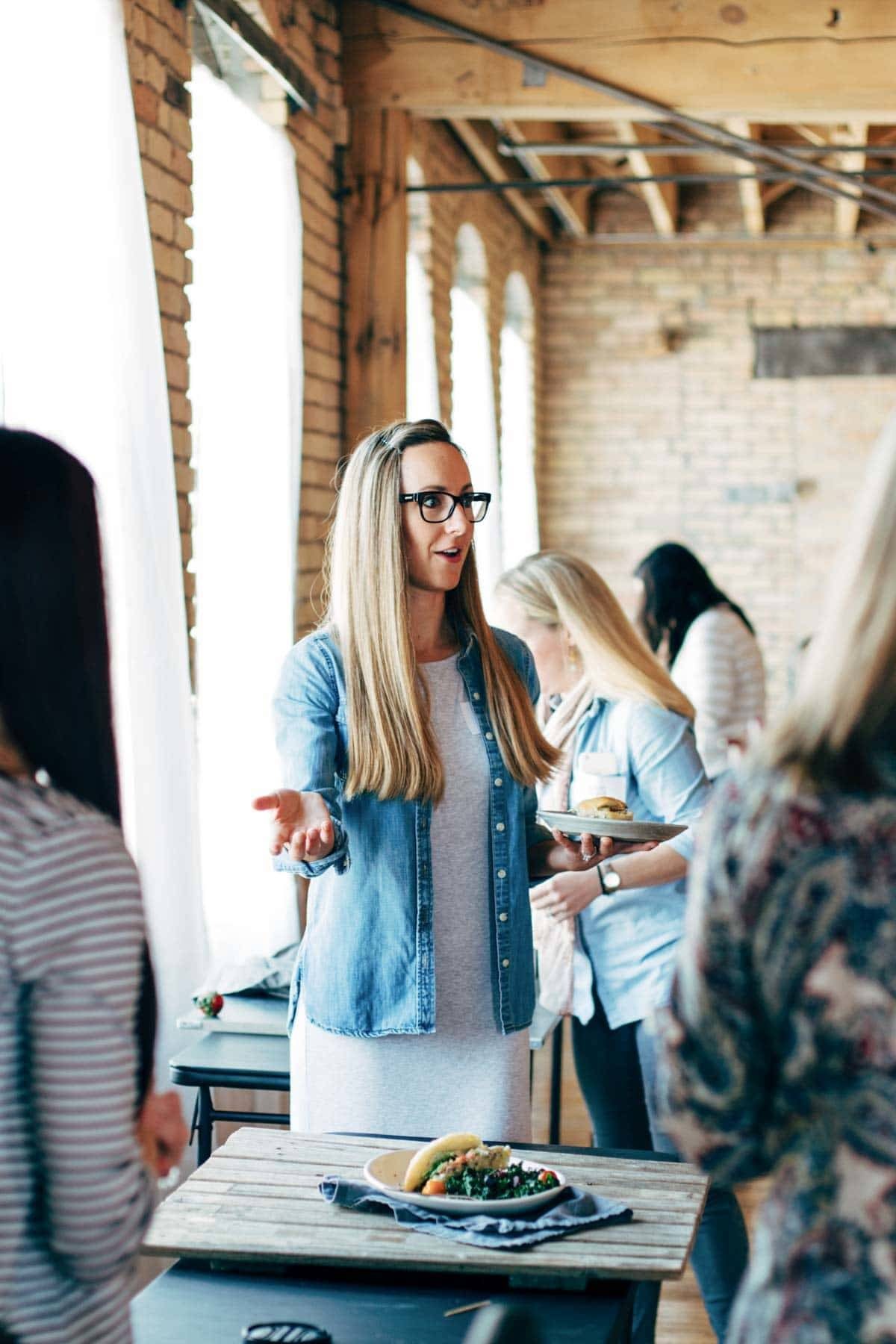
By January of the following year, the initiative underwent a major transition. The team moved into a bespoke studio in Minneapolis, designed specifically to host these educational events. This transition marked a shift from temporary rentals to a permanent creative headquarters. The new space, characterized by its "raw and rustic-industrial" architecture, offered a distinct advantage: 12 large windows. This abundance of natural light provided the perfect environment for teaching light-manipulation techniques, allowing attendees to practice in a professional-grade setting.
Scaling Success: The March-April Milestone
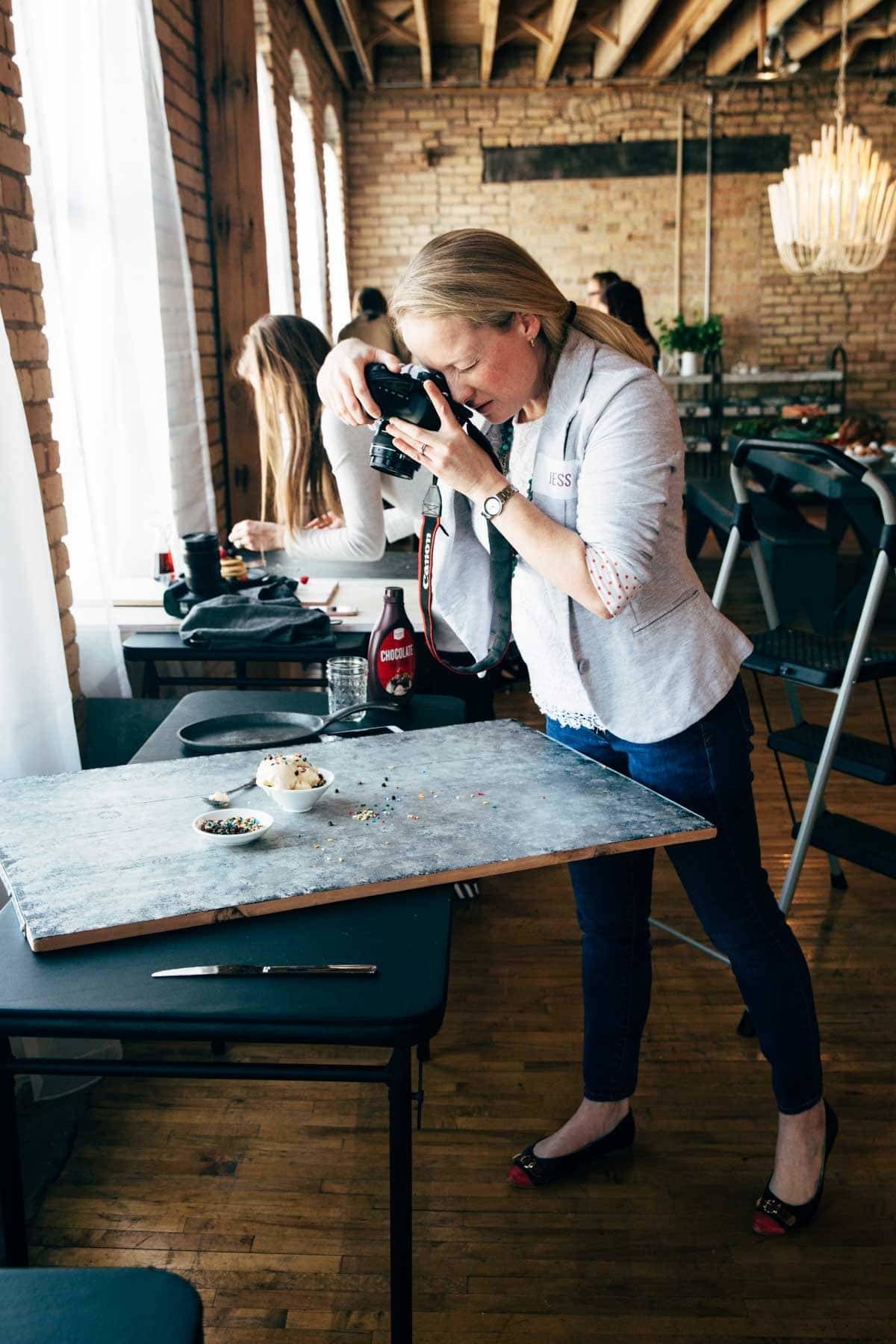
The true test of the new studio’s capacity arrived in the spring. Over the course of March and April, the studio hosted four high-intensity workshops, welcoming over 60 participants. These attendees arrived from all corners of the United States and Canada, signaling that the Minneapolis-based workshops had become a destination for those serious about advancing their craft.
Supporting Data and The "Creator Community"
The Anatomy of the Attendee
The workshops cater to a specific, passionate demographic: the "food creative." This group is defined by their shared obsession with visual detail—the kind of person who will stand on a chair in a crowded restaurant to capture the perfect overhead shot of an entrée or meticulously arrange a sandwich for optimal light.
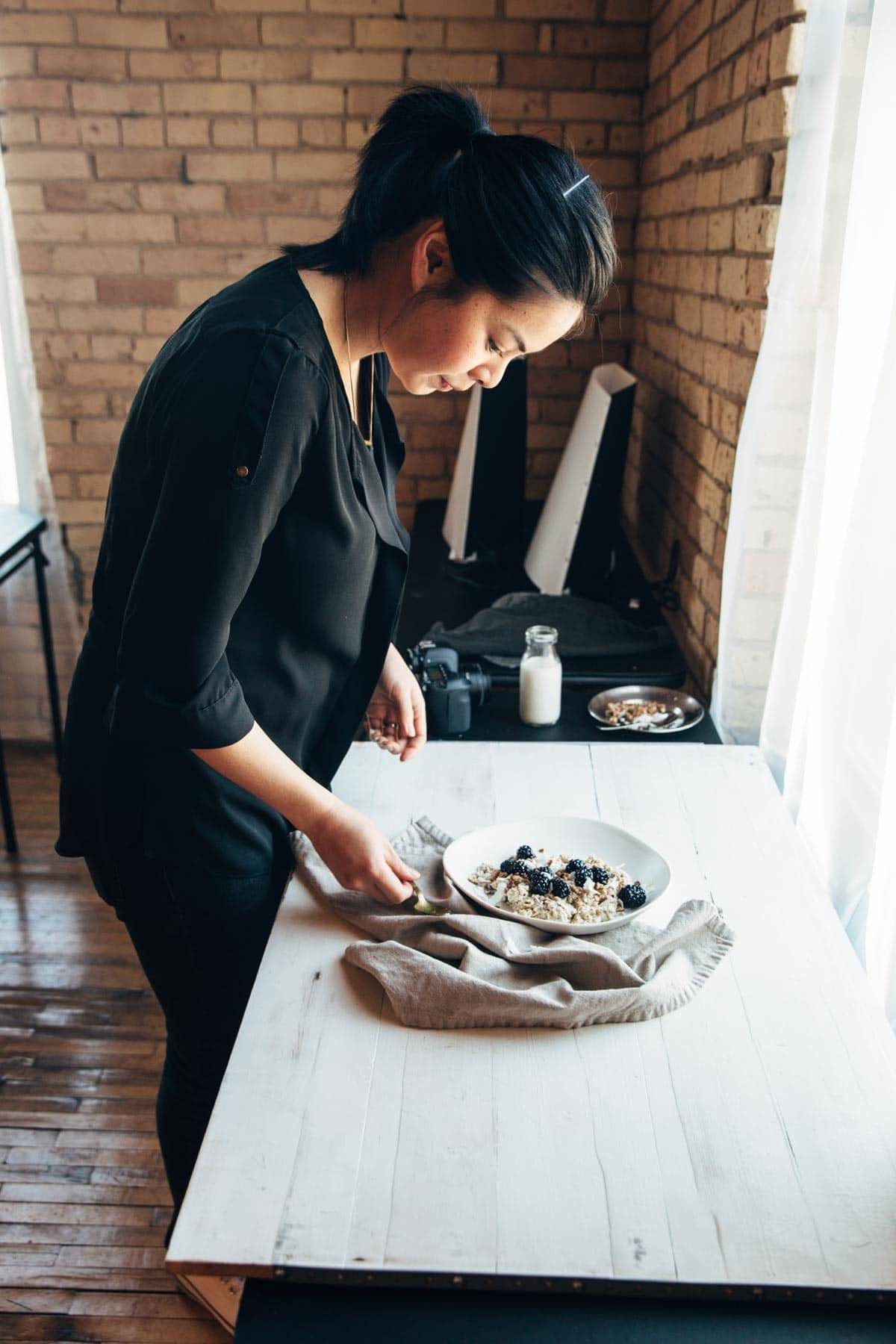
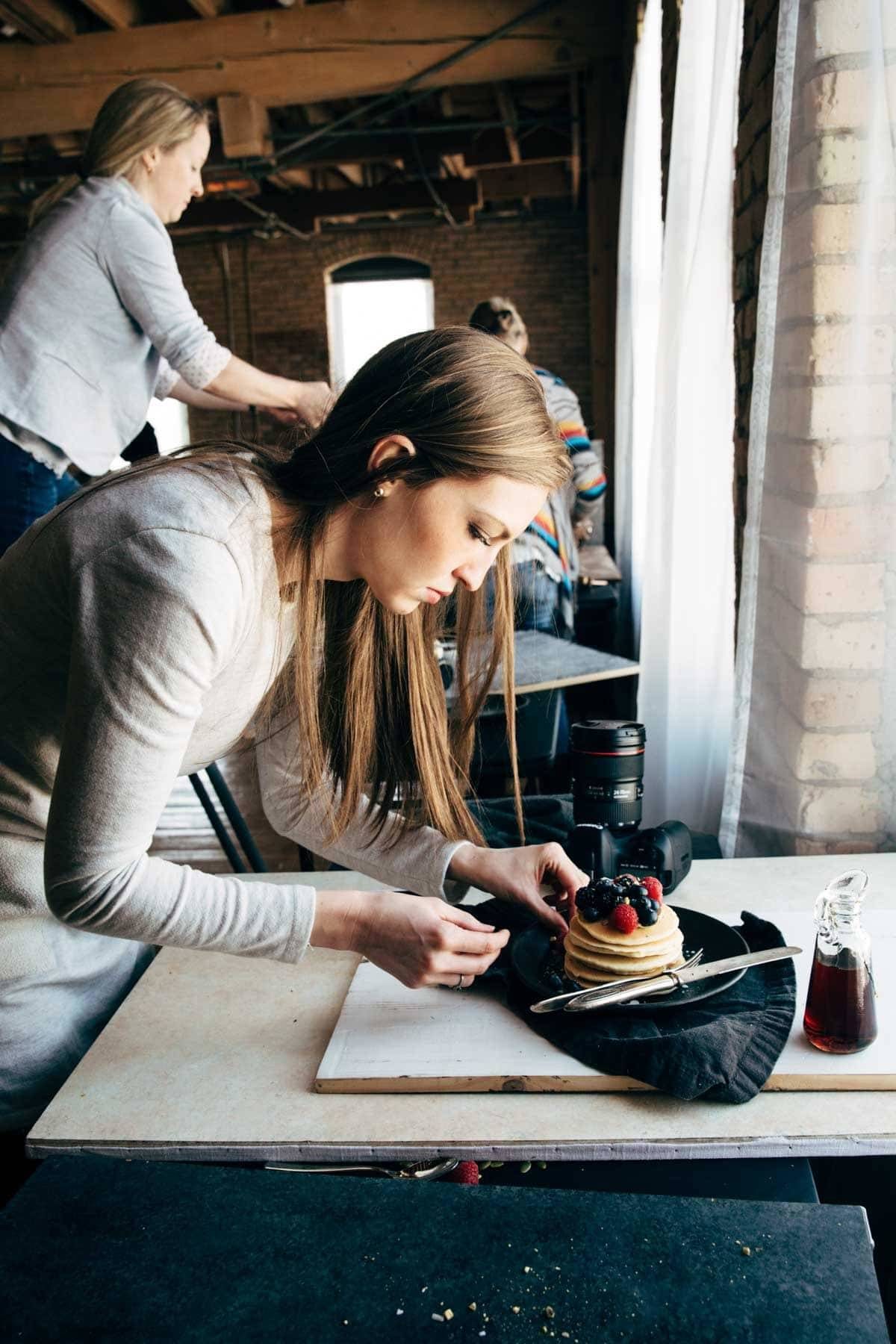
Data from the sessions indicates that attendees are increasingly seeking "dedicated practice space." The shift toward a professional studio environment has allowed the workshops to move beyond theoretical lectures into practical, hands-on application. By providing a controlled environment, the workshops reduce the intimidation factor often associated with high-end photography equipment.
The Role of Corporate Partnerships
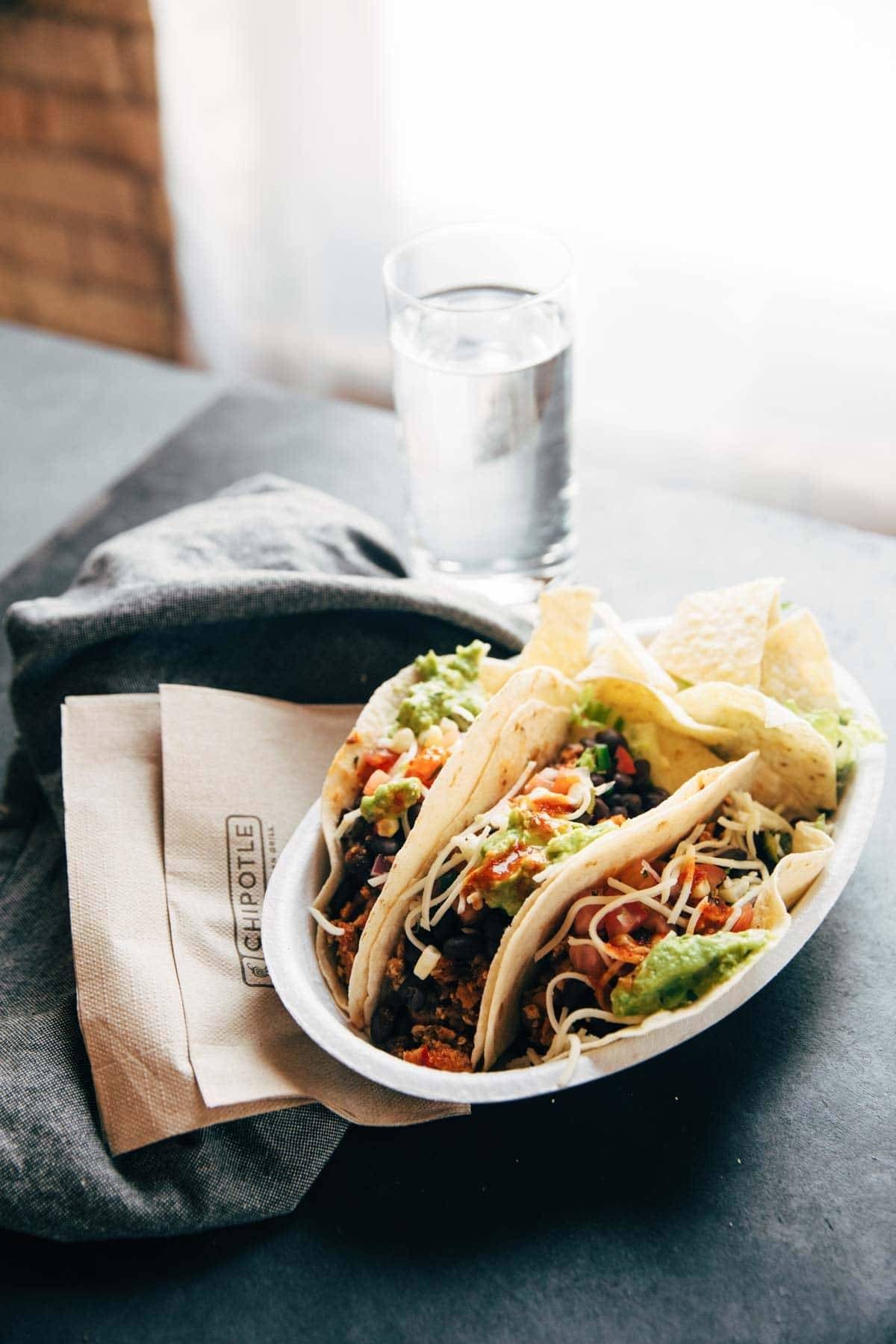
A critical component of the workshop experience is the integration of culinary brand partnerships. The workshops emphasize that food photography is as much about the subject as it is about the technique. Through collaborations with brands like Chipotle, Seven Sundays, Whole Sum Kitchen, and The Copper Hen, participants are provided with high-quality, photogenic ingredients. This symbiotic relationship provides brands with high-quality content while ensuring that workshop participants have diverse, professional-grade subjects to style and shoot.

Official Perspective: The Philosophy of the Lens
The team behind the workshops maintains a "Type A" dedication to quality, evidenced by their commitment to ensuring the studio environment is perfectly curated before it is unveiled to the public. The pedagogical approach is rooted in the belief that food photography is a learned skill, not an innate talent. By focusing on fundamental elements—composition, texture, and light—the workshops aim to democratize high-quality content creation.
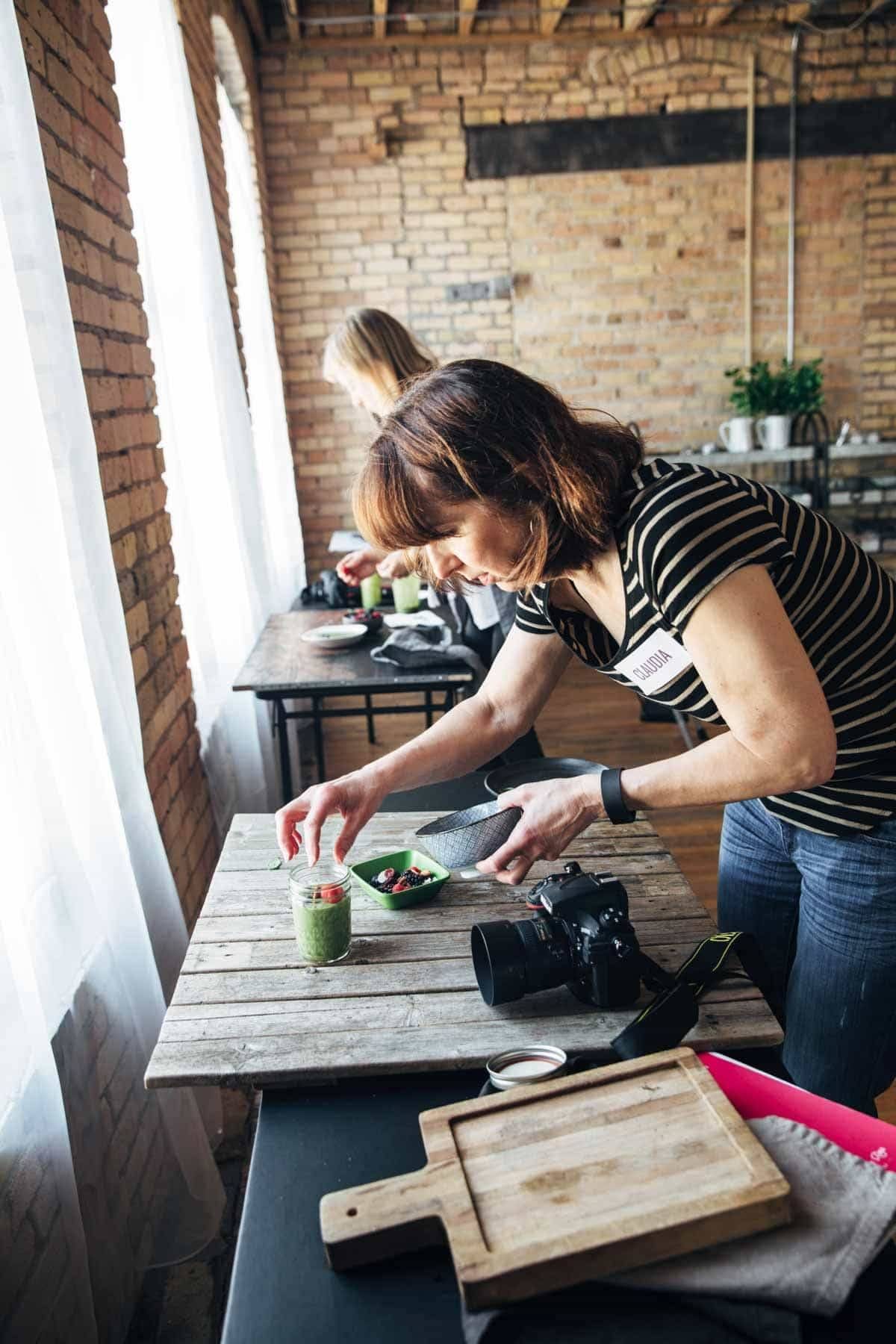
Furthermore, the documentation of these workshops, provided by professional photographers like Abby (whose work has become synonymous with the program’s aesthetic), serves as a visual testament to the community-building aspect of the event. For the founders, the workshops represent a "dream" realized—a transition from solitary blogging to a role as an educator and curator for the next generation of visual artists.
The Implications for the Digital Creator Economy
Professionalization of the Hobbyist
The rise of workshops like those hosted by Pinch of Yum signifies a broader trend in the creator economy: the professionalization of the "influencer." As social media platforms become increasingly visual, the barrier to entry for content creation has risen. A blurry, poorly lit photo is no longer sufficient to capture audience attention. These workshops provide the necessary training to meet the high visual standards of modern digital platforms.
Economic Impact on the Local Scene
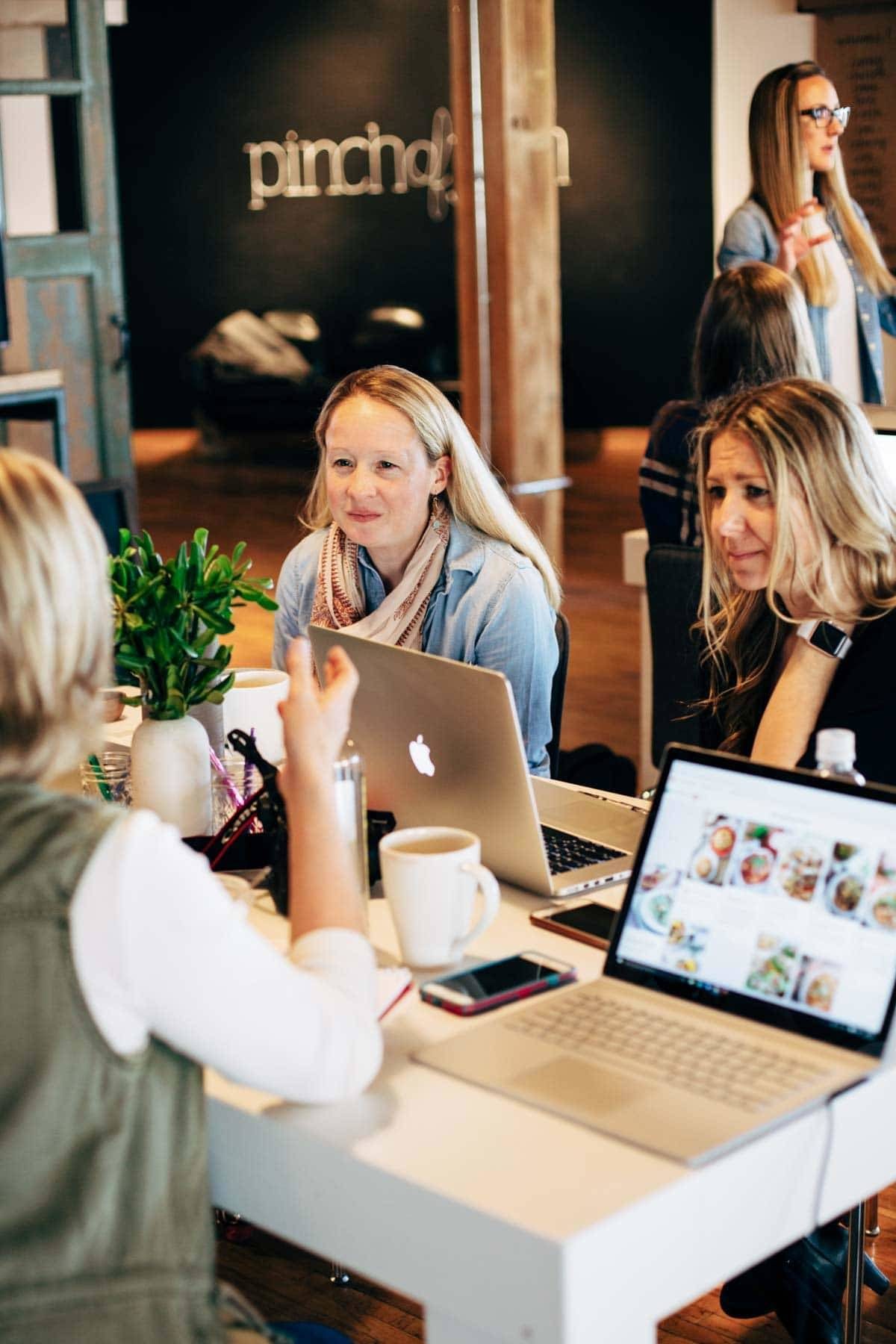
By attracting attendees from across North America to Minneapolis, the workshops contribute to the local economy and solidify the city’s reputation as a creative hub. The "cool-blogger-office" vibe that the studio cultivates is not merely aesthetic; it is a business model that prioritizes community, networking, and the exchange of industry secrets.
The Future of Workshop-Based Learning
Looking ahead, the demand for in-person, immersive learning experiences remains high despite the proliferation of online courses. The ability to receive real-time feedback, interact with peers, and share a physical space remains the gold standard for skill acquisition. The success of the current program suggests that the future of the creator economy will continue to rely on these types of "extravaganza" events, where technical education is paired with networking and brand collaboration.
Conclusion: Looking Toward the Summer
As the inaugural spring season concludes, the focus shifts to upcoming summer sessions. The organizers remain committed to expanding the curriculum and refining the experience. For those interested in joining the community, the emphasis is on early registration and staying informed through their dedicated notification systems.
The transformation of the Pinch of Yum workshops from a small, cozy rental to a major industry touchpoint is a case study in organic growth. It proves that when you combine a clear educational goal with a passionate community and a high-quality physical space, you create more than just a workshop—you create a movement. As the organizers take a well-deserved break to "re-stock the fridge and cook like a normal person," the legacy of their studio continues to grow, one shutter click at a time.