The New American Renaissance: Redefining Quality and Diversity in U.S. Viticulture
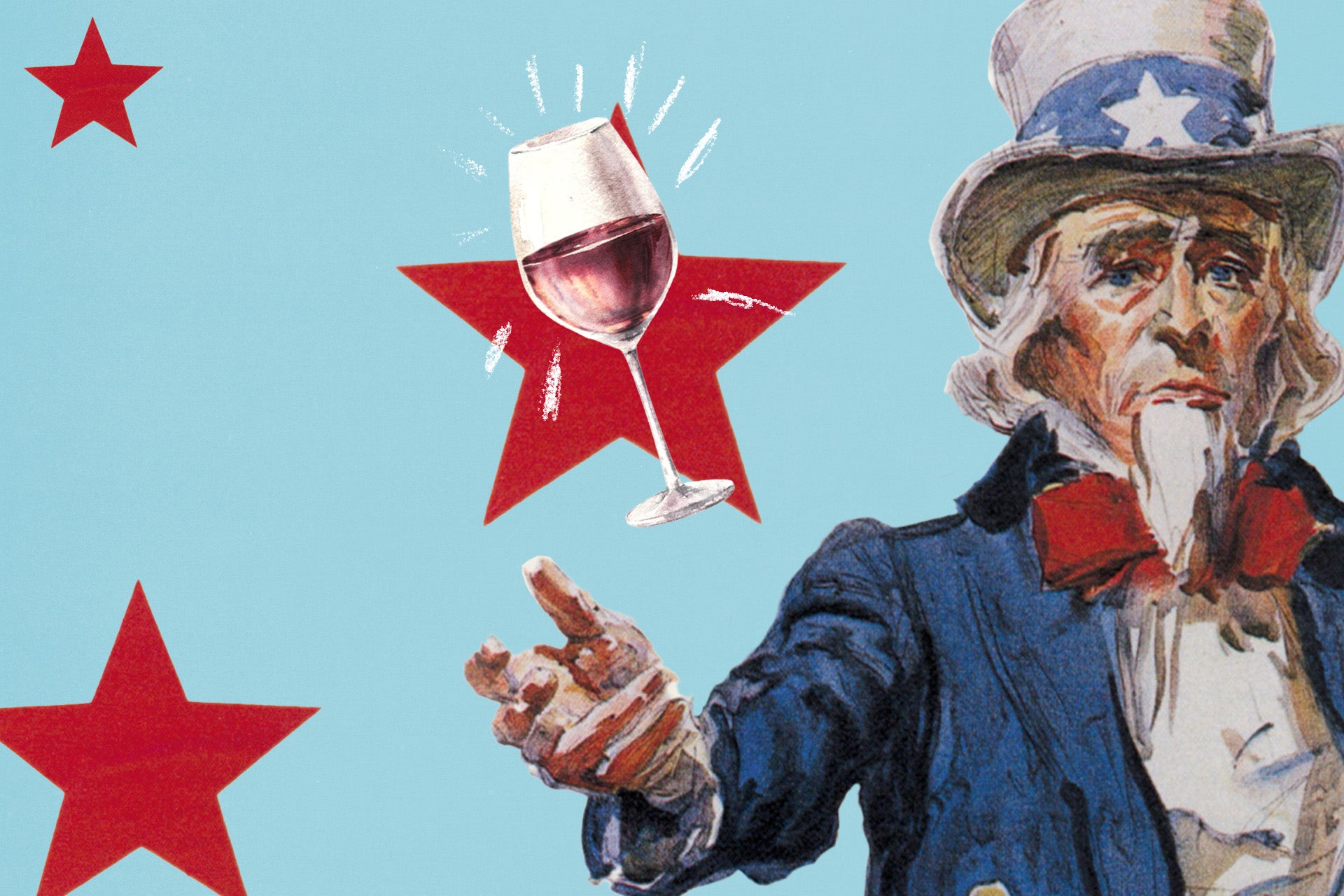
For decades, the global perception of American wine was trapped in a narrow, albeit influential, frame. It was a narrative dominated by the bold, fruit-forward power of Napa Valley Cabernet Sauvignon and the buttery, oak-laden Chardonnay of the Russian River Valley. While these heavyweights remain pillars of the industry, they no longer define the totality of the American wine experience. Today, the United States is witnessing a profound viticultural renaissance—a shift toward nuance, precision, and an adventurous embrace of stylistic diversity that is dismantling the old "one-size-fits-all" stereotypes.
The Shift Toward Precision and Terroir
The modern American wine landscape is marked by a move away from the "bigger is better" ethos of the late 20th century. Growers from California’s rugged coastlines to the emerging cool-climate regions of New York and the high-altitude sites of Texas are increasingly prioritizing elegance, acidity, and a transparent expression of terroir.
"I’m excited to see ever more unusual varieties gaining the attention they deserve," says Wine Enthusiast Writer-at-Large Tom Capo. His optimism for the future of American wine is rooted in this experimental spirit. "Yes, in Napa, Cabernet is king, and in the Russian River Valley, Pinot Noir and Chardonnay are the heavyweights. But growers everywhere are branching out, exploring varieties like Picpoul Blanc in Texas, off-beat Italian grapes in Sonoma, and the complex, aromatic Scheurebe in Napa Valley."
This evolution is not merely about planting different grapes; it is about a fundamental change in winemaking philosophy. Producers are now more focused on viticulture that respects the specific microclimates of their vineyards, leading to wines that offer greater structural complexity and longevity.

A Chronology of Transformation: From Stagnation to Innovation
The trajectory of American wine has been a steady climb toward international respect.
- 1976–1990s: The Era of Recognition. The "Judgment of Paris" solidified the U.S. as a powerhouse capable of challenging French dominance, but it also pigeonholed American wine into a profile of ripeness and power.
- 2000s: The Rise of the Specialist. Smaller, boutique producers began seeking out cooler sites—higher elevations and coastal fog belts—to combat the encroaching effects of warming climates and to capture higher acidity.
- 2010s: The "Low-Intervention" Movement. A new generation of winemakers began questioning traditional additives and heavy-handed oak, ushering in an era of "low-intervention" winemaking that prioritized the raw character of the fruit.
- 2020–2026: The Diversification Boom. The current era is defined by extreme variety. From co-fermented blends that blur the lines between red and white to sophisticated sparkling programs that rival the methods of Champagne, the U.S. market has achieved a level of stylistic breadth previously unseen.
Supporting Data: Excellence Across the Spectrum
The following selections represent the pinnacle of this new movement, showcasing the breadth of American craftsmanship.
White Wines of Unrivaled Character
The current American white wine scene is defined by vibrant acidity and mineral focus.
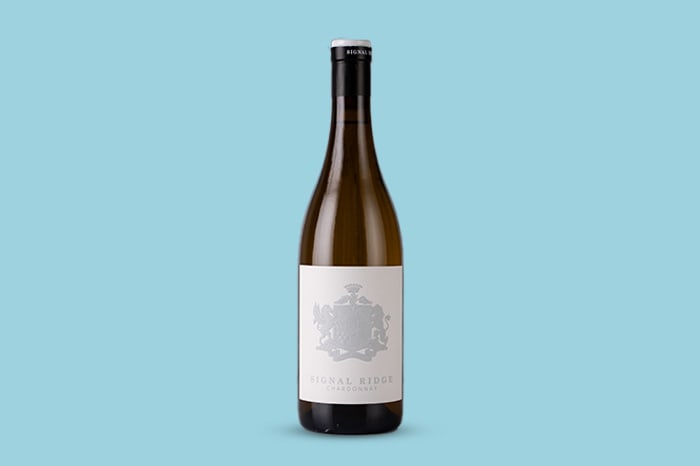
- Signal Ridge 2023 Chardonnay (Mendocino Ridge): Rated 97 points, this "Cellar Selection" captures the essence of its windswept, high-altitude origin. With notes of citrus zest, savory herbs, and saline sea air, it challenges the traditional perception of California Chardonnay.
- Royer 2023 548 Chardonnay (Eola-Amity Hills): Another 97-point masterpiece, this wine represents the Willamette Valley’s ascent. It balances rich orchard fruit with a "nervy" acidity and a pronounced mineral quality that lingers, proving that Oregon’s potential for Chardonnay is only just beginning to be realized.
- Ria’s Wines 2024 Viva Riesling (Seneca Lake): New York’s Finger Lakes region is becoming a global destination for aromatic whites. This 95-point Riesling demonstrates the potential for delicate, complex, and age-worthy wines outside of the West Coast.
Red Wines: Complexity and Age-Worthiness
While Cabernet remains the flagbearer, the focus has shifted toward balance.

- Ulysses 2021 Cabernet Sauvignon (Oakville): A 98-point triumph from the project of Christian Moueix, this wine is a masterclass in restraint. It offers an exquisite balance of dark fruits, espresso, and graphite, proving that American Cabernet can possess European refinement.
- Passing Time 2023 Cabernet Sauvignon (Horse Heaven Hills): At 97 points, this Washington State gem highlights the regional diversity of the Pacific Northwest. It offers a sophisticated, layered experience that rewards those who take the time to contemplate its evolving aromas of pipe tobacco, cedar, and ripe redcurrants.
The Rise of Experimental and Sparkling
Diversity is perhaps most visible in the categories of Rosé and Sparkling wine.
- Tessier Winery 2024 Soul Love Red Blend: This low-intervention wine is a testament to the industry’s playful, artistic side. Primarily Riesling blended with Gamay and Mourvèdre, it is a "crushable" wine that proves American producers are increasingly unafraid to defy conventional blending rules.
- Schramsberg Vineyards 2016 J. Schram Rosé: A 98-point sparkling wine that stands as a benchmark for American production. It showcases the immense potential of North Coast fruit to create a product of finesse, creaminess, and deep aromatic complexity.
- Roederer Estate 2007 L’Ermitage Brut: Another 98-point selection, this late-disgorged sparkling wine highlights the incredible aging potential of American bubbles, offering a sumptuous, dry finish that rivals the best in the world.
Industry Perspectives: The Road Ahead
The "official" consensus among critics and industry leaders is that the U.S. wine industry is no longer in a growth phase—it is in a maturity phase. The maturation process involves a deep dive into sustainability and the preservation of the land.

"The growers are the true heroes of this era," says Tonya Pitts, a prominent critic who has reviewed many of the wines listed above. "When you look at the commitment to specific clones, the move toward dry farming in certain areas, and the willingness to plant varieties that actually fit the climate rather than forcing grapes to grow where they don’t belong, you see a level of maturity that we didn’t have twenty years ago."
Winemakers are also responding to consumer demands for transparency. The rise of "low-intervention" labels is not just a trend; it is a direct response to a consumer base that wants to know exactly what is in their bottle.

Implications: What This Means for the Consumer
For the wine enthusiast, this shift represents a golden age of accessibility and quality. The "one-size-fits-all" stigma has been replaced by a "right wine for every palate" reality.
- Exploration is Rewarded: Consumers are encouraged to look beyond the "big names" and explore regional specialties. Whether it is a Finger Lakes Riesling or a Mendocino Ridge Chardonnay, the quality-to-price ratio is increasingly favorable.
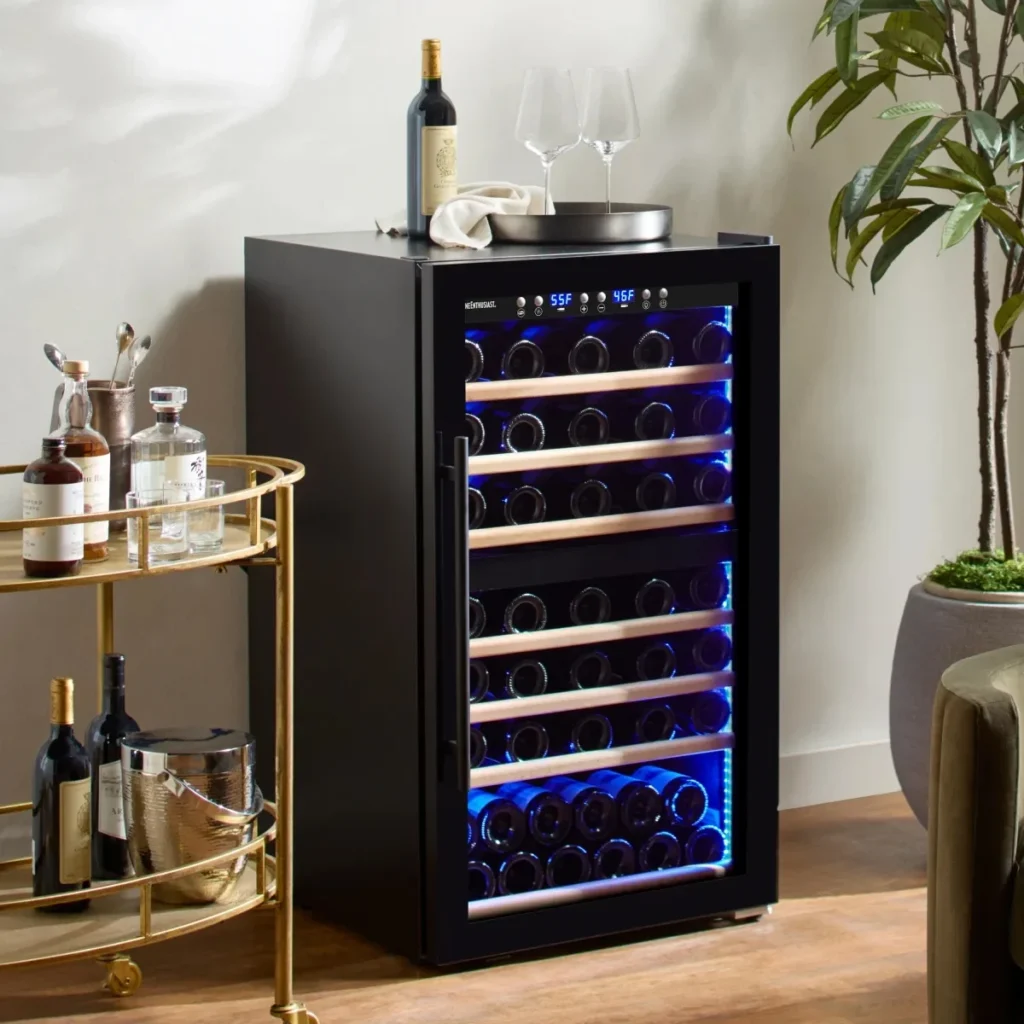
- Cellar Potential: As seen with the 97- and 98-point wines, American producers are crafting bottles that are designed to evolve. Investing in a quality wine cellar—such as the Wine Enthusiast Classic 70 Dual Zone—is no longer just for those collecting French Bordeaux; it is a practical necessity for anyone building a collection of top-tier American bottles.
- The Sustainability Factor: The move toward site-specific farming has environmental implications. By choosing producers who focus on the health of the soil and the longevity of the vine, consumers are supporting a more sustainable agricultural future.
Conclusion: A Future of Infinite Possibility
The American wine story is no longer a monolith. It is a mosaic of microclimates, experimental spirit, and a deep respect for the craft. As producers continue to push boundaries, the definition of "American Wine" will continue to expand. From the rugged cliffs of the Mendocino coast to the pristine shores of Seneca Lake, the message is clear: the United States has moved beyond its origins to claim its place among the most diverse, innovative, and high-quality wine-producing nations on Earth.

Whether you are a seasoned collector or a curious newcomer, there has never been a better time to explore the vast, evolving landscape of the American bottle. The future is not just here; it is in your glass.