The Art of the Rustic Galette: A Masterclass in Gluten-Free Baking
In the world of home baking, the fruit pie has long been considered the ultimate test of skill. From the temperamental nature of gluten-free crusts to the delicate engineering required to prevent a “soggy bottom,” the traditional pie often carries an air of intimidation. However, a shift is occurring in modern kitchens: the rise of the galette. This rustic, free-form pastry offers all the buttery, flaky satisfaction of a classic pie with significantly less structural anxiety.
For those navigating a gluten-free lifestyle, this recipe—a masterclass in texture and technique—demonstrates that “good, for gluten-free” is no longer the standard. The goal is simple: an exceptional, glossy strawberry-filled pastry that stands as a testament to the fact that dietary restrictions need not compromise culinary excellence.
Main Facts: The Elegance of Simplicity
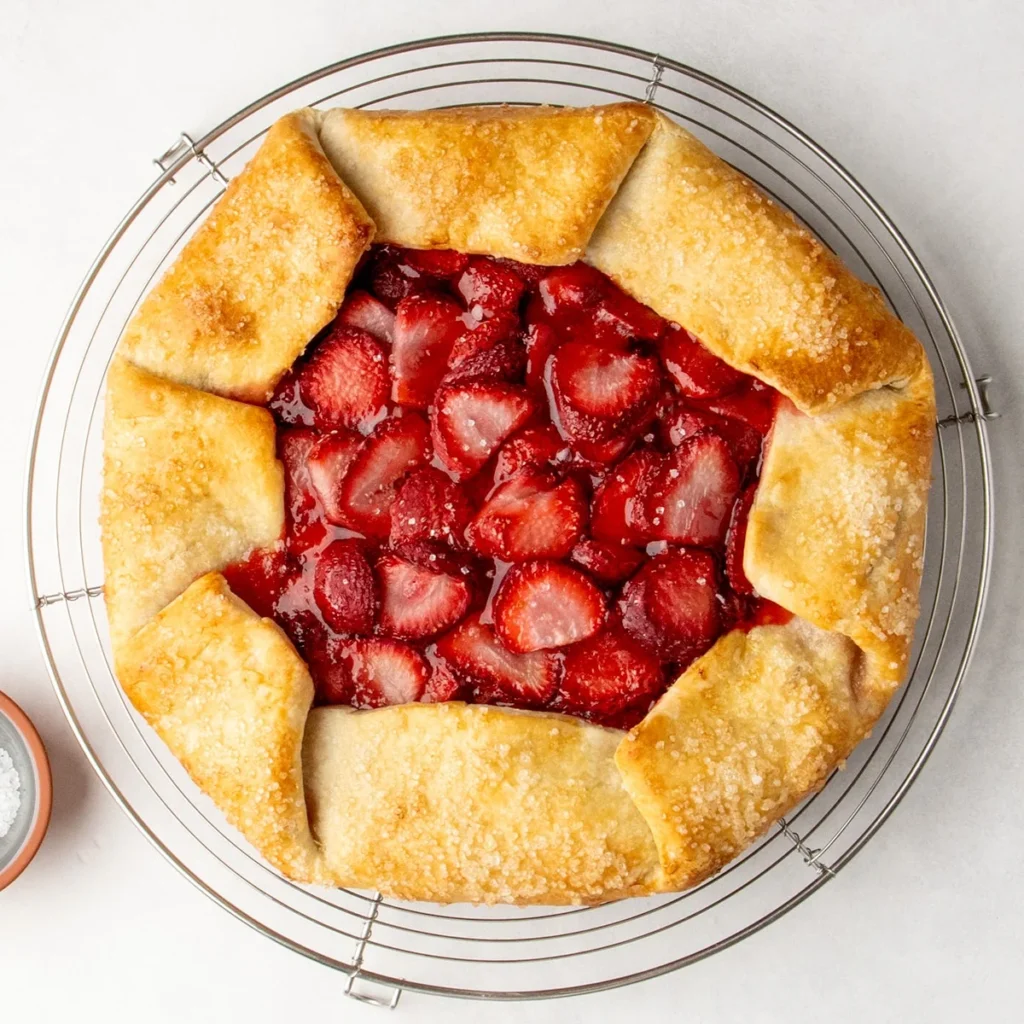
The beauty of the galette lies in its deliberate lack of perfection. Unlike a pie that requires a precise crimped edge and a vessel for support, the galette is a "freestyle" creation. You roll the dough, pile the fruit in the center, and fold the edges over, leaving the center exposed.

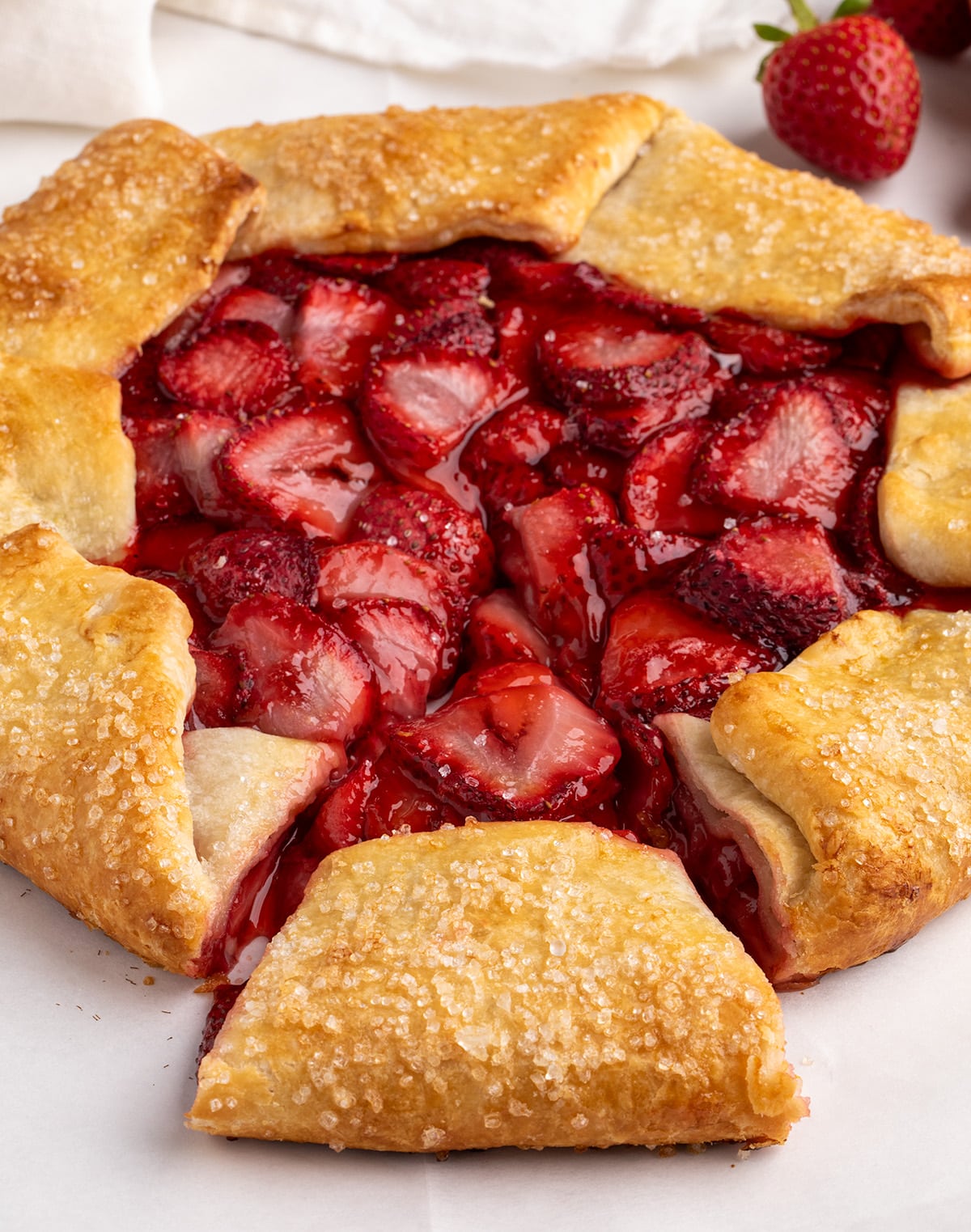
This particular recipe features a golden, buttery crust that serves as a canvas for fresh, seasonal strawberries. By focusing on a "lightly sweet" approach, the natural acidity and brightness of the fruit are allowed to shine, balanced perfectly by a starch-thickened syrup that prevents the dreaded moisture overflow. It is an approachable, elegant dessert that bridges the gap between everyday baking and company-worthy presentation.
Chronology: The Journey from Flour to Finished Pastry
Mastering this gluten-free galette requires attention to the physics of baking. The process is broken down into a sequence of deliberate, cold-chain steps designed to ensure maximum flakiness.
1. The Crust Foundation
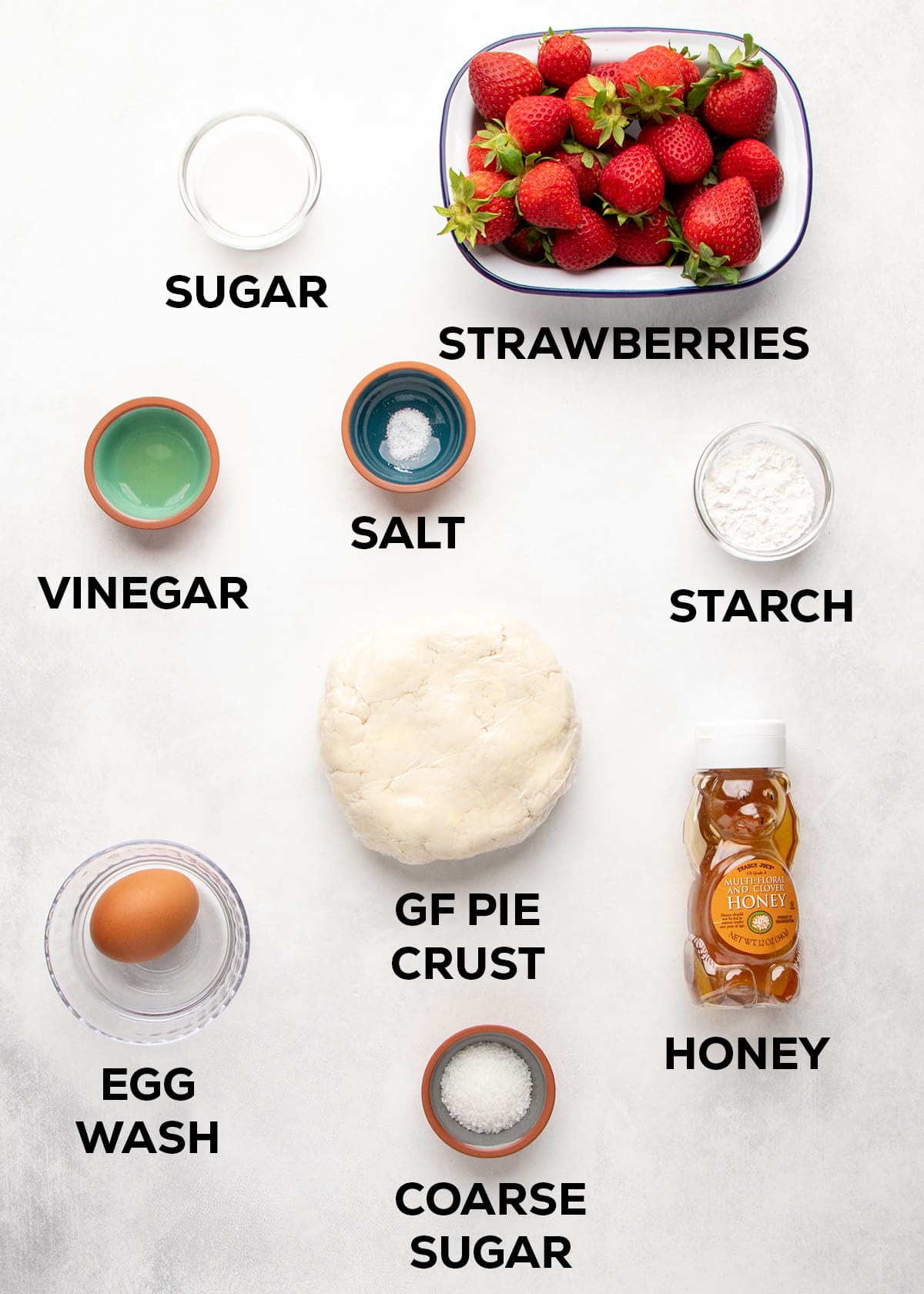
The journey begins with the dry ingredients: a high-quality gluten-free flour blend, xanthan gum, baking powder, and a touch of salt. The critical step here is the incorporation of cold, cubed butter. By pressing the butter into thin shards rather than blending it into a fine meal, the baker creates "layers" that expand in the heat of the oven, producing the characteristic flake. Once the ice-cold water binds the dough into a disk, it must be chilled for at least 30 minutes. This rest period is non-negotiable; it allows the starch to hydrate and the butter to solidify, preventing a tough crust.
2. The Berry Filling
While the dough chills, the fruit preparation begins. One pound of fresh strawberries is hulled and thickly sliced. By macerating the berries with a hint of vinegar, sugar, and salt, the baker draws out moisture and concentrates the flavor. The addition of tapioca starch is the "insurance policy"—it transforms the berry juices into a clear, glossy syrup as the galette bakes, rather than a cloudy, gluey mess.
3. Assembly and Shaping
Rolling the dough to a 1/4-inch thickness provides the structural integrity needed to hold the filling without a pan. Before the fruit is added, a brush of honey on the base of the crust acts as a moisture barrier, further protecting the pastry from the juices. The edges are pleated and folded over the perimeter of the fruit, a process that requires a gentle hand to ensure the dough adheres to itself.
4. The Final Chill and Bake
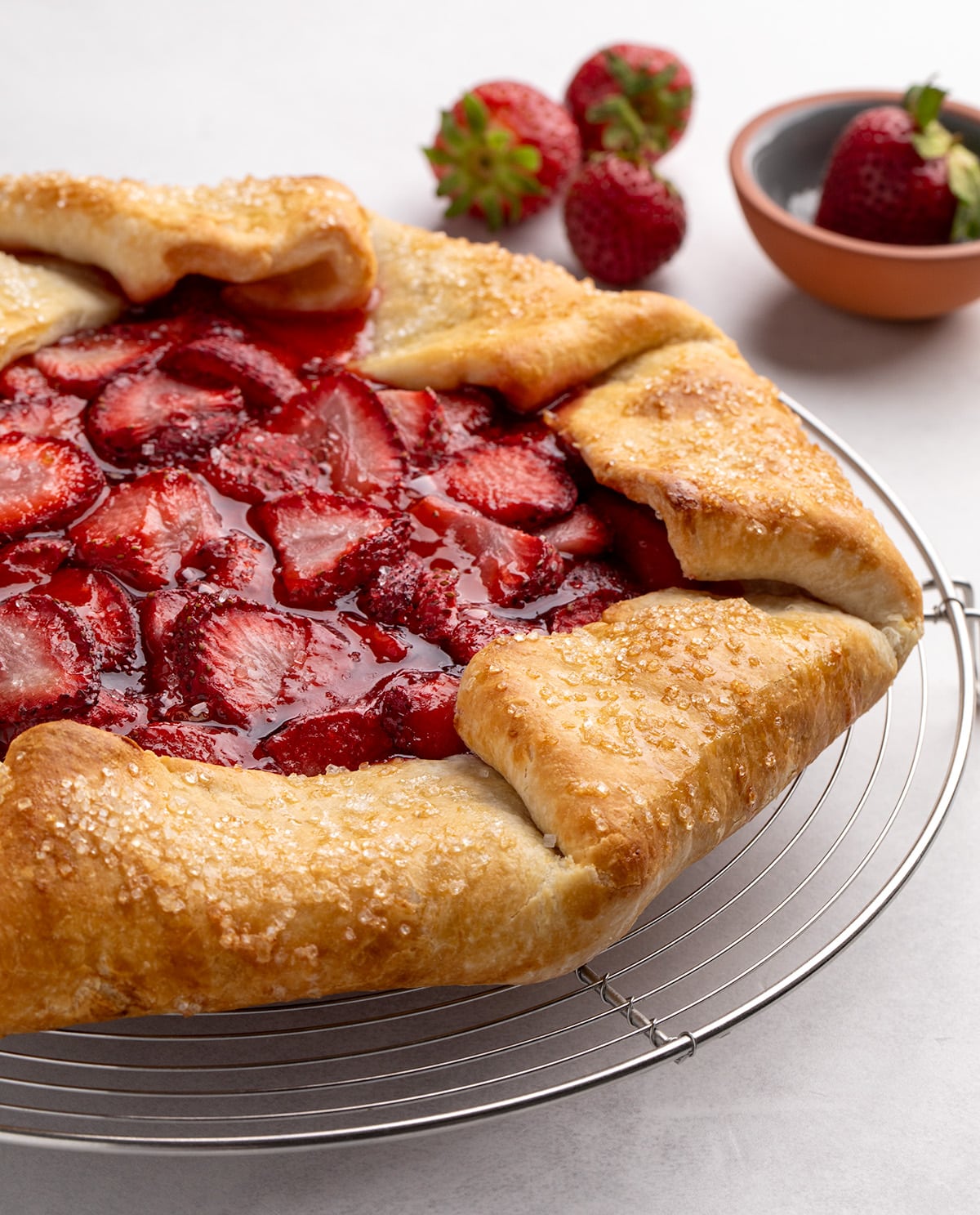
Before entering the oven, the entire galette is brushed with an egg wash and sprinkled with coarse sugar. A final brief chill before baking is the professional’s secret; it ensures the butter is at its coldest point when it hits the oven, creating the dramatic rise and crunch that defines a world-class crust. The galette is baked at 375°F until the fruit is bubbling and the crust has achieved a deep, golden-brown hue.
Supporting Data: Understanding the Science of Substitutions
In the realm of gluten-free baking, ingredient selection is not merely a choice—it is a chemical requirement.
- The Flour Factor: Not all blends are created equal. The recipe relies on premium blends like Better Batter or Nicole’s Best. When using alternatives like Bob’s Red Mill 1-to-1, the addition of xanthan gum is vital to replicate the elasticity that gluten would otherwise provide.
- Starch Selection: While tapioca starch is preferred for its ability to create a glossy, clear gel, the data suggests that arrowroot or potato starch are viable alternatives. Cornstarch may also be utilized, though it can sometimes introduce a slightly opaque finish to the fruit filling.
- Dairy-Free Adaptation: For those requiring a dairy-free variant, the fats in the crust can be successfully swapped for a 50/50 mix of block-style vegan butter and shortening. This combination mimics the melting point of traditional butter, which is essential for preserving the flaky texture.
Official Perspectives: The Philosophy of “Gluten-Free on a Shoestring”
Nicole Hunn, the creator behind this method, maintains a firm stance on the quality of gluten-free cuisine. “My philosophy is that no one should feel they are settling,” she explains. The methodology behind this galette is designed to eliminate the common pitfalls—sogginess, graininess, and blandness—that have historically plagued gluten-free pastries.
By emphasizing the use of high-protein flours and precise hydration, the recipe transforms what was once a "dietary alternative" into a high-end dessert. The focus on "fresh, in-season produce" acts as the final pillar, ensuring that the fruit does the heavy lifting in terms of flavor, reducing the need for excessive sugar.
Implications: The Future of Home Baking
The implications of this recipe extend beyond a single dessert. It represents a broader movement in the culinary world: the democratization of high-quality, gluten-free baking. As more home cooks adopt these techniques, the stigma surrounding gluten-free baking begins to erode.
Troubleshooting for Success
- The Soggy Crust Dilemma: If using frozen or exceptionally juicy fruit, the moisture content can be overwhelming. The solution is proactive: increase the tapioca starch by one tablespoon or drain a portion of the macerated juices before filling the pastry.
- Temperature Control: The most frequent failure in this recipe is letting the dough get too warm. If the butter melts before the dough hits the oven, the flakes disappear. If the dough becomes sticky during rolling, return it to the refrigerator immediately.
- Storage and Refreshing: The galette is a versatile companion for the home cook. Because it can be assembled and frozen raw, it serves as an excellent "emergency" dessert. To refresh a day-old slice, a quick blast in a 300°F toaster oven restores the crunch of the crust, effectively "resetting" the pastry to its original glory.
In conclusion, this strawberry galette is more than just a recipe; it is a lesson in the art of the possible. With the right technique—chilled dough, starch-thickened fruit, and a little bit of patience—the gluten-free baker can create a rustic masterpiece that rivals any traditional bakery offering. Whether you are baking for the holidays or a quiet Sunday afternoon, this approach ensures that every bite is a reminder that living without gluten does not mean living without indulgence.