The Art of the Perfect Gluten-Free, Dairy-Free Chocolate Chip Cookie: A Culinary Breakthrough
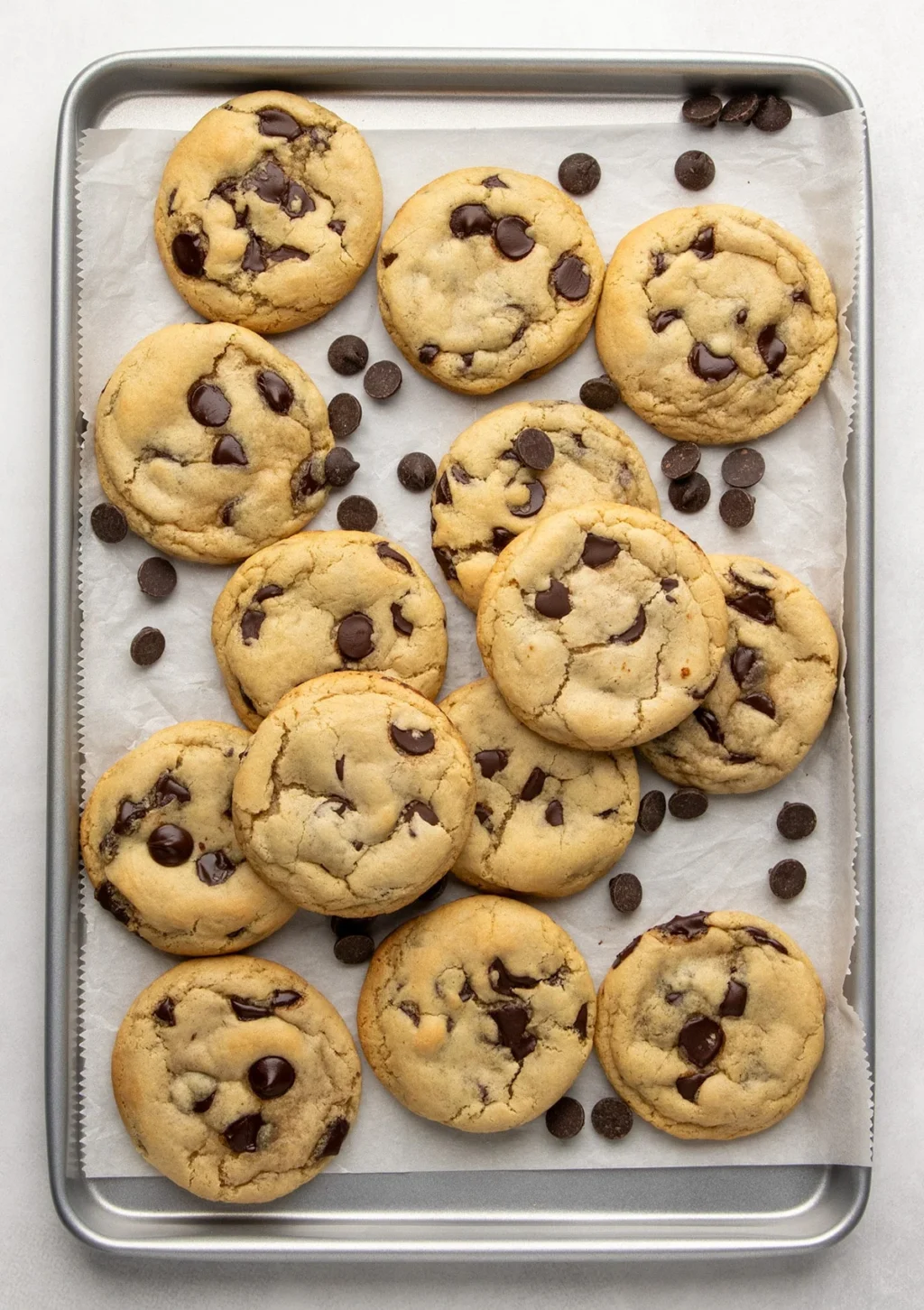
For those navigating dietary restrictions, the quest for the perfect chocolate chip cookie has long been a source of frustration. Too often, the "gluten-free" label signals a dry, crumbly texture, while "dairy-free" substitutions frequently result in a greasy, thin, or flavorless mess. However, a new culinary approach from experts in the gluten-free community is challenging these limitations, proving that with the right technique, you can achieve a thick, bakery-style cookie that remains soft for days—all without a drop of dairy or a trace of gluten.
Main Facts: The Science Behind the Cookie
The central challenge of creating a high-quality, gluten-free, and dairy-free cookie lies in the behavior of fats and proteins. Traditional butter contains milk solids and water, which contribute to the browning and structure of a standard cookie. When switching to vegan butter, bakers often face a "greasy" outcome because the emulsion in vegan butter is more delicate and prone to breaking down under heat.
To counteract this, the latest method abandons the traditional "creaming" technique—where butter and sugar are beaten together until fluffy. Instead, the recipe utilizes cold, block-style vegan butter. By cutting the butter into dry ingredients while it remains chilled, bakers can preserve the structural integrity of the dough. This prevents the fat from melting prematurely, which is the primary culprit behind cookies that spread thin and turn into oily puddles on the baking sheet.

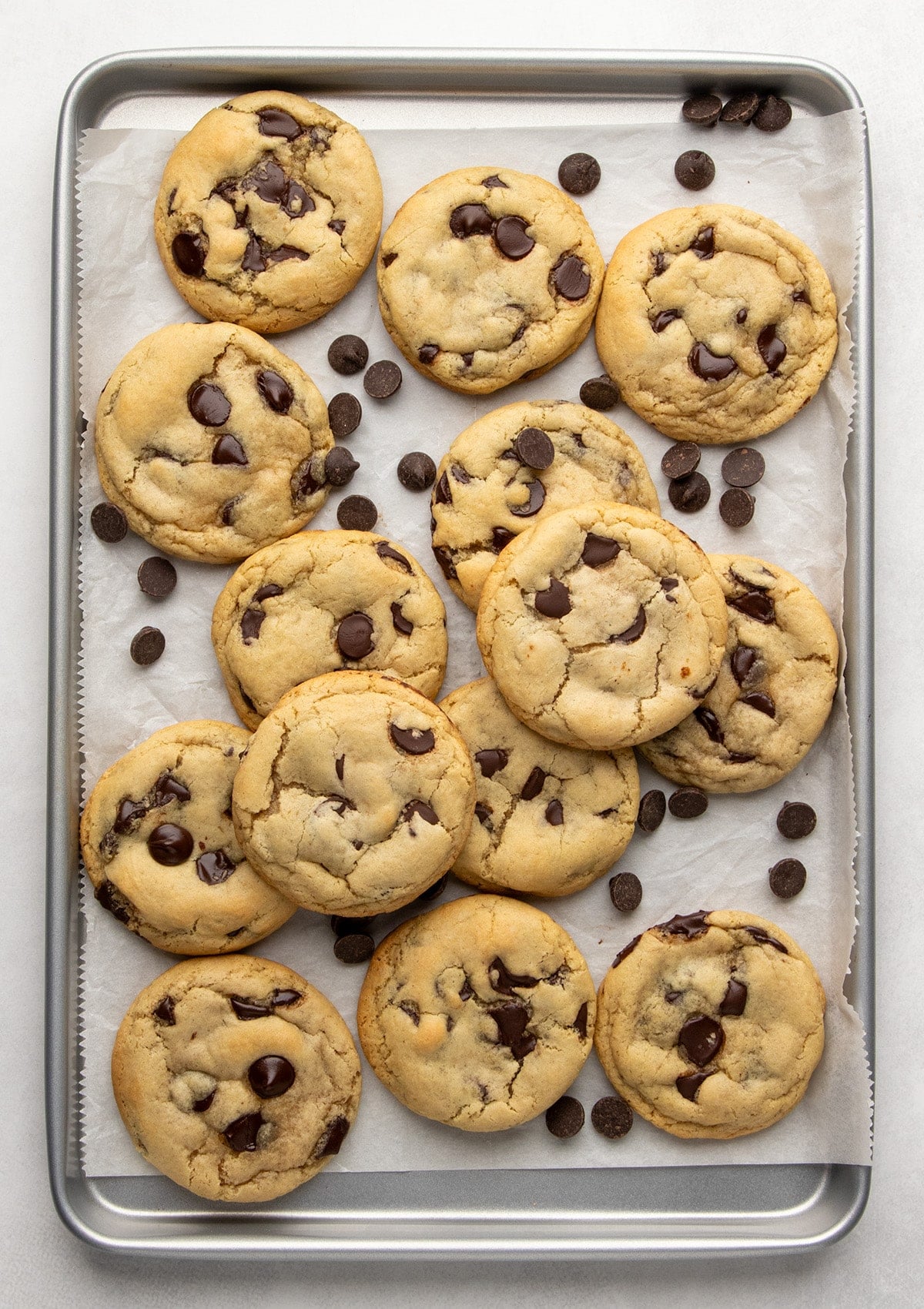
Furthermore, the inclusion of almond flour provides the necessary fat and moisture content to mimic the tenderness typically provided by gluten. When combined with a high-quality gluten-free flour blend, the result is a cookie that boasts crisp, golden edges and a chewy, soft center.
Chronology: The Development of the Method
The evolution of this recipe represents a departure from "drop-in" replacements, where bakers simply swapped ingredients in conventional recipes without adjusting for chemical reactions.
- The Analysis Phase: Researchers noted that standard gluten-free blends often lack the elasticity provided by wheat gluten. By incorporating xanthan gum and balancing it with almond flour, they created a structural framework that holds up during the bake.
- The Fat-Handling Innovation: Recognizing that vegan butter has a lower melting point, the culinary team developed a "cut-in" technique. Similar to how one makes a pie crust, this ensures the fat stays encapsulated in the flour until it hits the high heat of the oven, allowing for a structured lift.
- The Temperature Management: A crucial step was identified: the "brief chill." By portioning the dough and cooling it for 10 minutes, the fat sets, ensuring the cookies maintain their shape and thickness.
- The Final Bake: Refinement of the baking time—targeting a moment where the edges are set but the center remains slightly wet—ensures the cookie finishes cooking through carryover heat rather than becoming a dry, brittle disc.
Supporting Data: Achieving Bakery Results
The nutritional and chemical composition of these cookies is carefully calibrated. A single serving contains approximately 264 calories, 13 grams of fat, and 24 grams of sugar. While these figures are consistent with traditional treats, the focus here is on the quality of the bake.
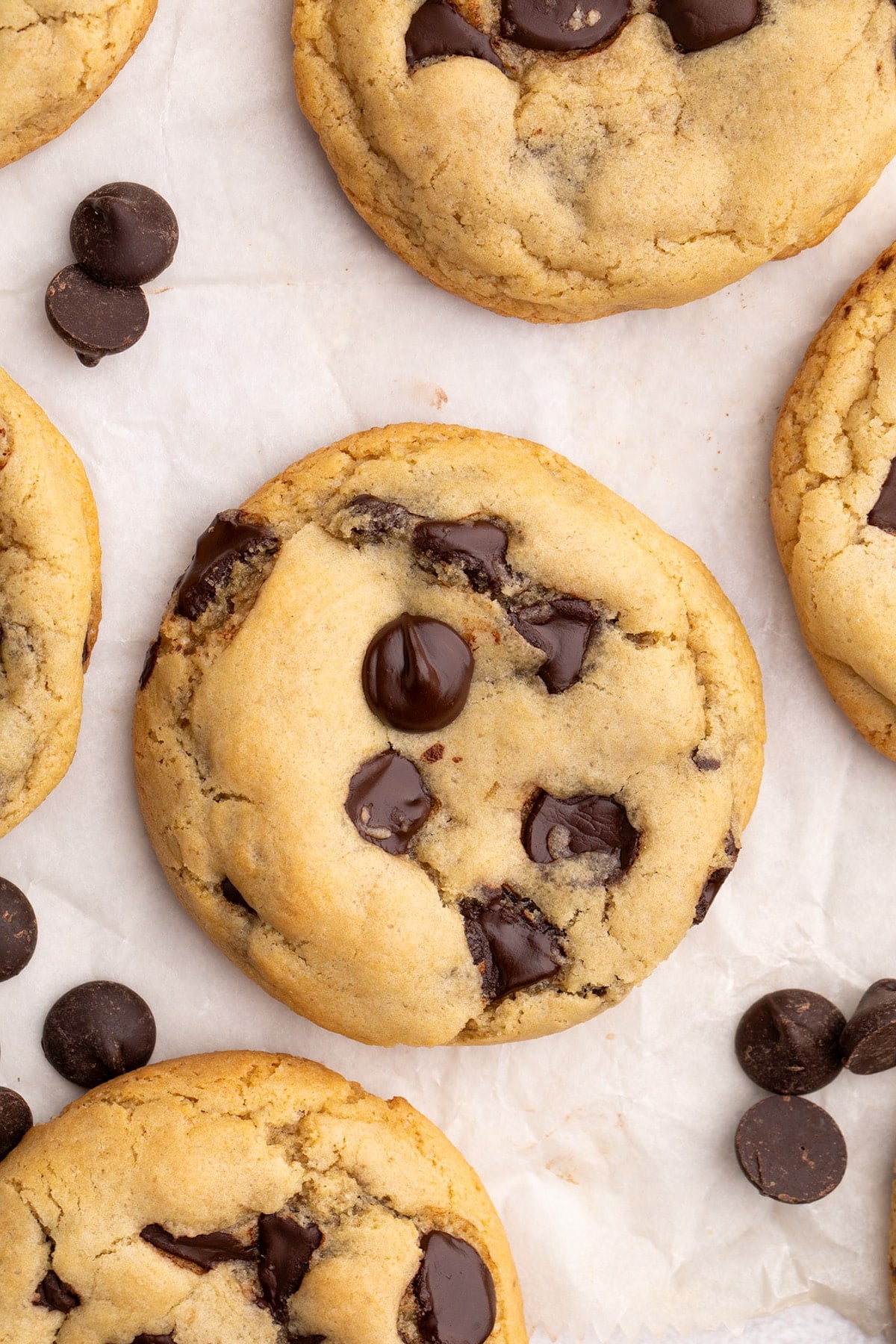
Expert analysis suggests that the key to success is using "block-style" vegan butter rather than the spreadable, tub-based varieties. Tub-based butter contains a higher water content and air ratio, which interferes with the Maillard reaction—the chemical process that gives baked goods their distinct flavor and browning. By opting for denser, block-style fats, the moisture is controlled, resulting in a 100% success rate for maintaining the desired cookie shape.
Official Responses and Expert Recommendations
Nicole Hunn, the founder of Gluten Free on a Shoestring and a leading voice in the allergy-friendly baking community, emphasizes that the industry has historically failed to provide "good enough" alternatives.
"At Gluten Free on a Shoestring, ‘good, for gluten-free’ just isn’t good enough," Hunn notes. Her team’s stance is that a recipe should not require a disclaimer about its dietary status. When asked about common pitfalls, experts point to the flour blend. A well-balanced blend, such as Better Batter, is essential. If using alternative brands like Bob’s Red Mill 1-to-1, bakers are advised to supplement with additional xanthan gum to compensate for the lack of inherent structure in the flour.
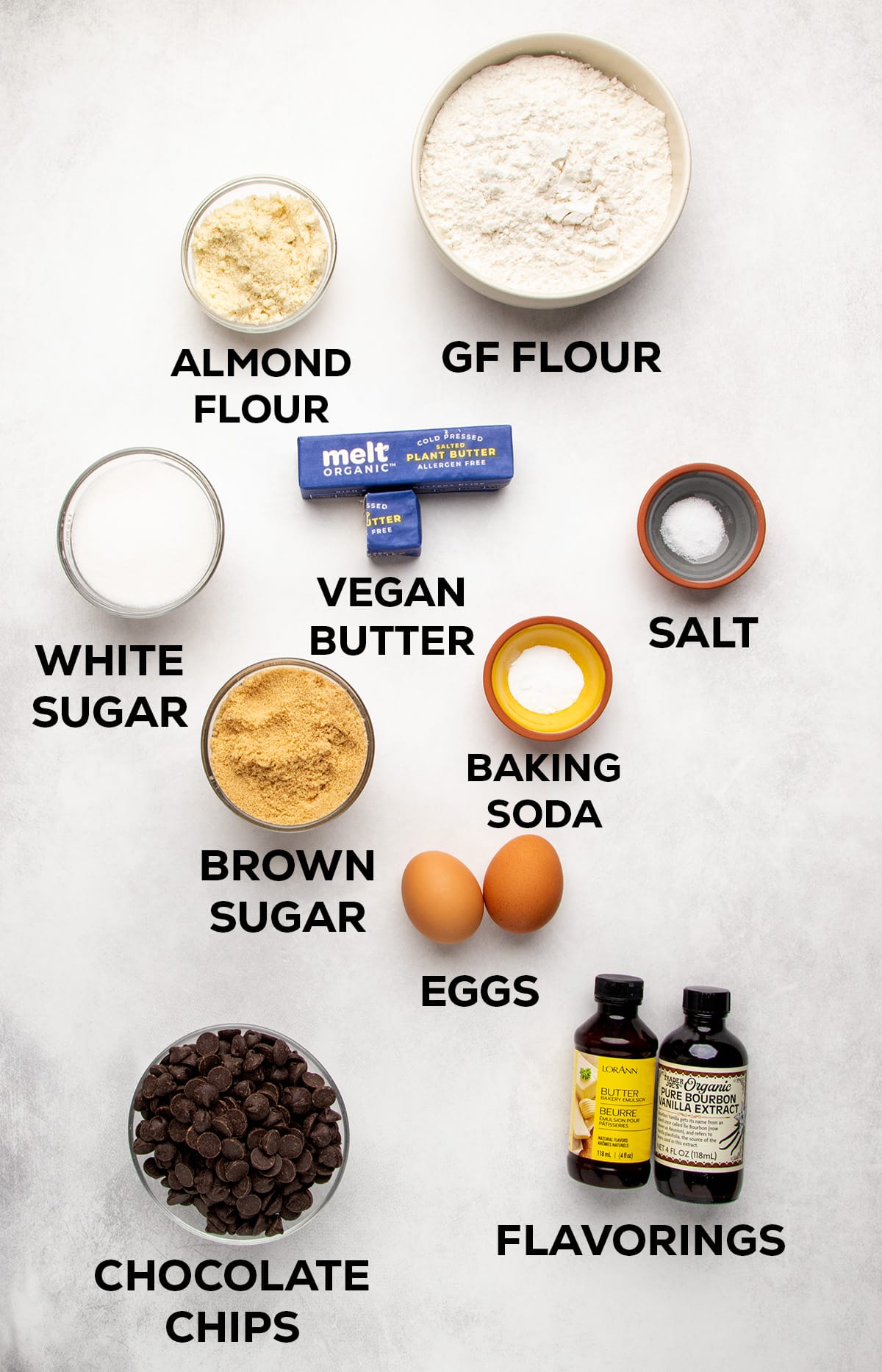
Additionally, the use of "butter bakery emulsion" is highly recommended. While it can be omitted, this ingredient provides a depth of flavor that usually comes from the milk solids in dairy butter, effectively closing the flavor gap for those who cannot consume traditional dairy products.
Implications for the Home Baker
The implications of this breakthrough are significant for home bakers. It proves that dietary restrictions do not have to result in a lower-quality culinary experience.
Why the Technique Matters
- Preventing Grease: By keeping the butter cold and avoiding excessive mixing, the emulsion stays stable. This allows the cookie to rise upward rather than spreading outward.
- Texture Control: The combination of almond flour and a specific flour blend creates a crumb that is tender rather than sandy.
- Sustainability of Storage: Because the recipe is designed to maintain moisture, these cookies can be stored in a sealed glass container for up to five days without losing their soft texture. For longer-term needs, the dough can be frozen for up to three months, making it a viable option for those who want fresh, warm cookies on demand.
Troubleshooting and Substitutions
For those with specific nut or egg allergies, the recipe offers flexibility:
- Egg-Free Alternatives: Chia seeds mixed with water (a "chia egg") or commercial egg replacers like JustEggs are highly effective in this specific dough formulation.
- Nut-Free Options: For those who cannot use almond flour, finely ground and sifted oat flour or hazelnut flour can be substituted with minimal impact on the final structure.
- Flavor Profiles: While pure vanilla extract is the standard, experimenting with butter emulsions can elevate the profile, making the cookies nearly indistinguishable from their dairy-containing counterparts.
Final Thoughts on Professionalism in the Kitchen
The shift toward more technical, science-based baking for the gluten-free and dairy-free community represents a maturation of the movement. It is no longer about simply "making do" with inferior ingredients. It is about understanding the chemistry of baking—how heat affects fat, how protein affects structure, and how temperature dictates the final texture. By mastering these variables, any home baker can produce a treat that satisfies even the most discerning palate, proving that dietary restrictions need not be a barrier to indulgence.
Whether you are preparing these for a family gathering, a school event, or simply as a personal treat, the adherence to these specific, expert-led techniques ensures a reliable, delicious, and consistent outcome every single time. The era of the "compromise cookie" is officially at an end.