The Art of the Perfect Rise: Mastering Gluten-Free Banana Muffins
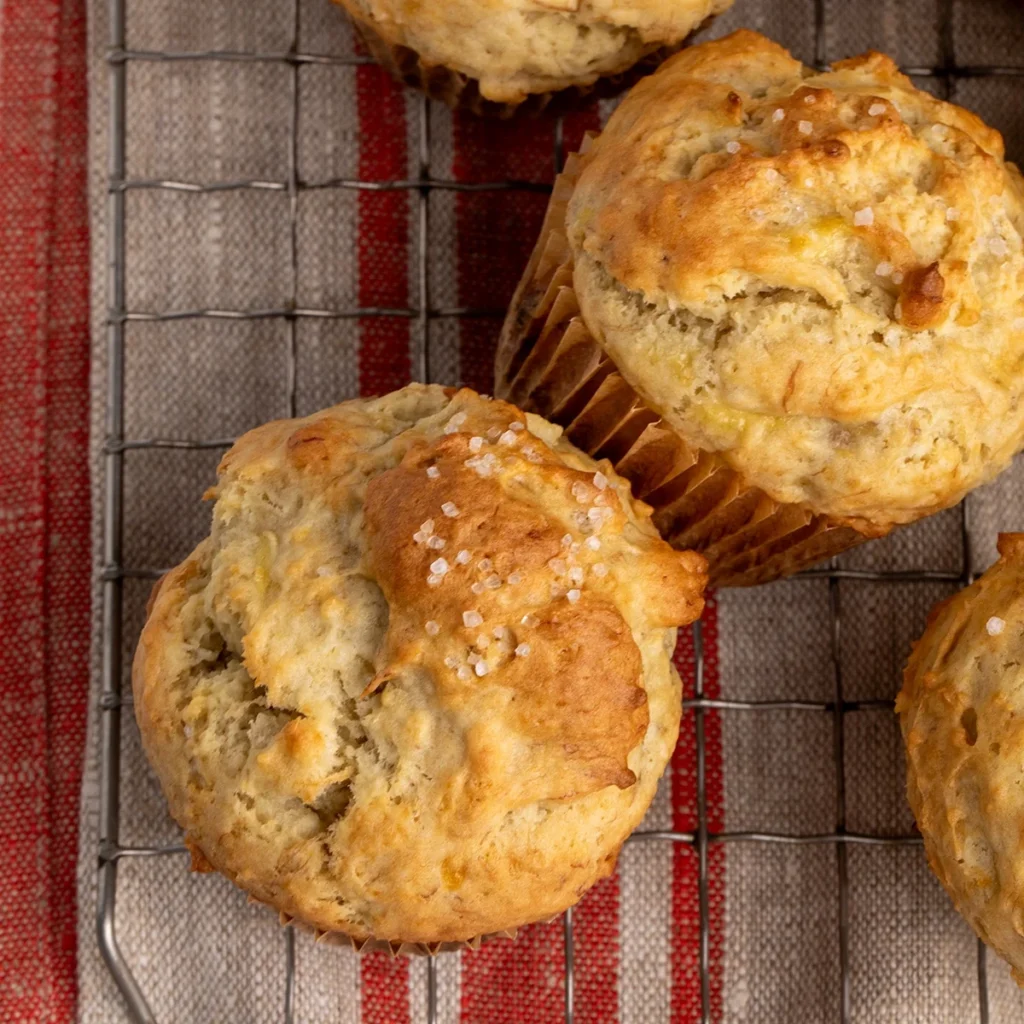
For those navigating the complexities of a gluten-free diet, the pursuit of the "perfect" muffin—one that stands tall, offers a tender crumb, and avoids the dreaded gummy texture—has long been the culinary equivalent of the Holy Grail. Often, gluten-free baking is marred by ingredients that lack structural integrity or recipes that fail to account for the unique moisture requirements of grain-free flours. However, a new approach to the classic banana muffin is proving that high-quality, bakery-style results are entirely achievable in a home kitchen.
By utilizing a precise, two-stage baking technique and a calculated approach to ingredient integration, bakers can now produce gluten-free banana muffins that rival their wheat-based counterparts in both flavor and presentation.
Main Facts: The Science Behind the Muffin
The fundamental challenge in gluten-free baking is the absence of gluten, the protein network that typically provides structure and elasticity. When working with fruit-heavy batters, such as those relying on two cups of mashed bananas, this lack of structure becomes even more pronounced. If not handled correctly, the moisture from the fruit can overwhelm the flour, resulting in a dense, heavy, or "gummy" product.
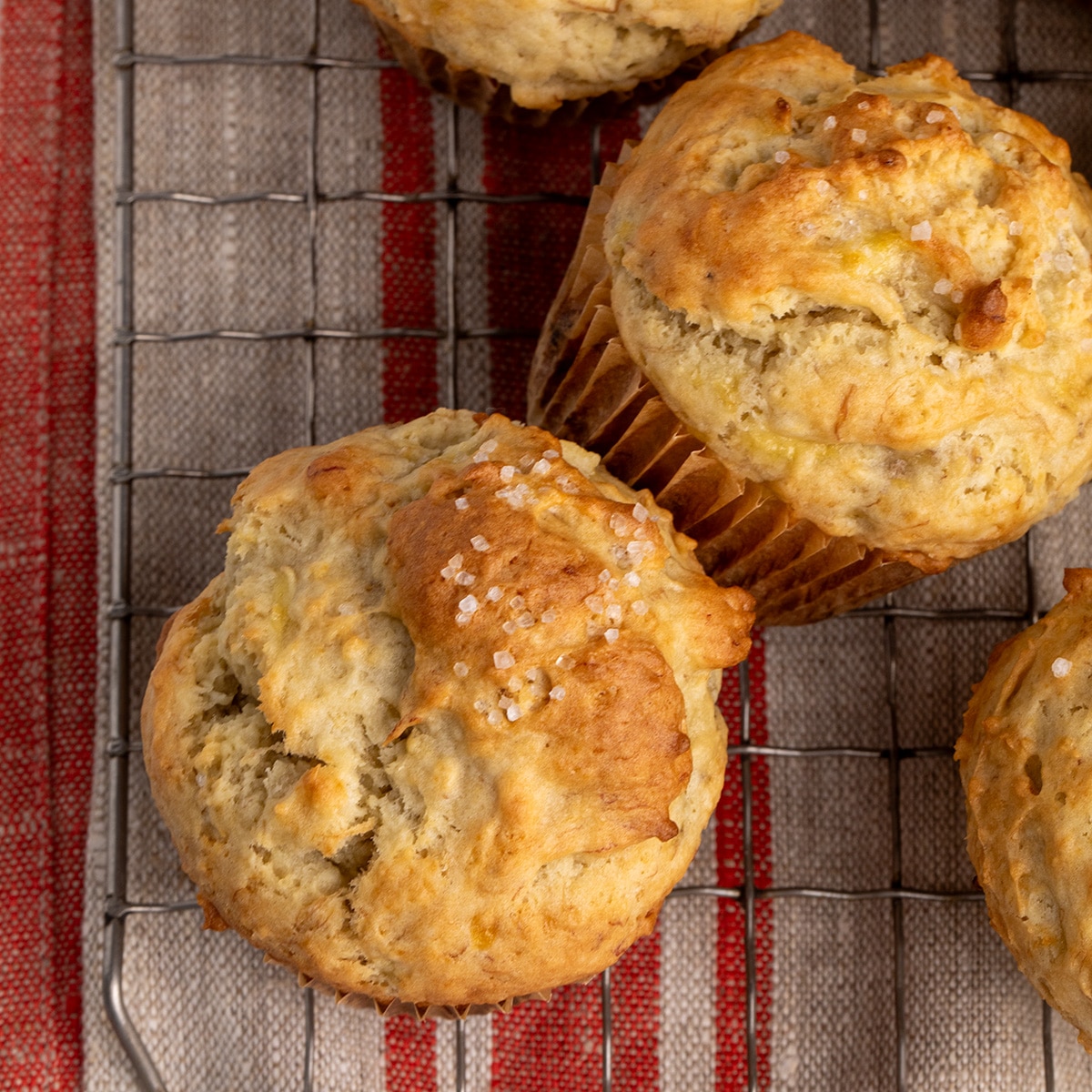
This specific recipe addresses these challenges through three primary mechanisms:
- The Sequencing of Ingredients: By introducing the mashed bananas only after the primary batter has been integrated, the baker minimizes the mechanical breakdown of the fruit, thereby controlling the release of excess moisture.
- Fat Composition: The dual use of melted butter and oil provides a dual-benefit approach. Butter offers a rich, nuanced flavor profile, while the oil remains liquid at lower temperatures, ensuring the crumb remains moist even after cooling.
- Thermal Shock: The recipe employs a "high-to-low" temperature shift. Starting the bake at 425°F (218°C) provides a burst of heat that triggers a rapid rise—often called "oven spring"—which sets the structure of the dome before the internal temperature stabilizes at a gentler 350°F (175°C) to complete the bake without burning the exterior.
Chronology: The Step-by-Step Culinary Process
Achieving professional results requires a disciplined approach to the mixing process. The following sequence is designed to maximize leavening efficiency and texture:
Phase 1: Dry Ingredient Preparation
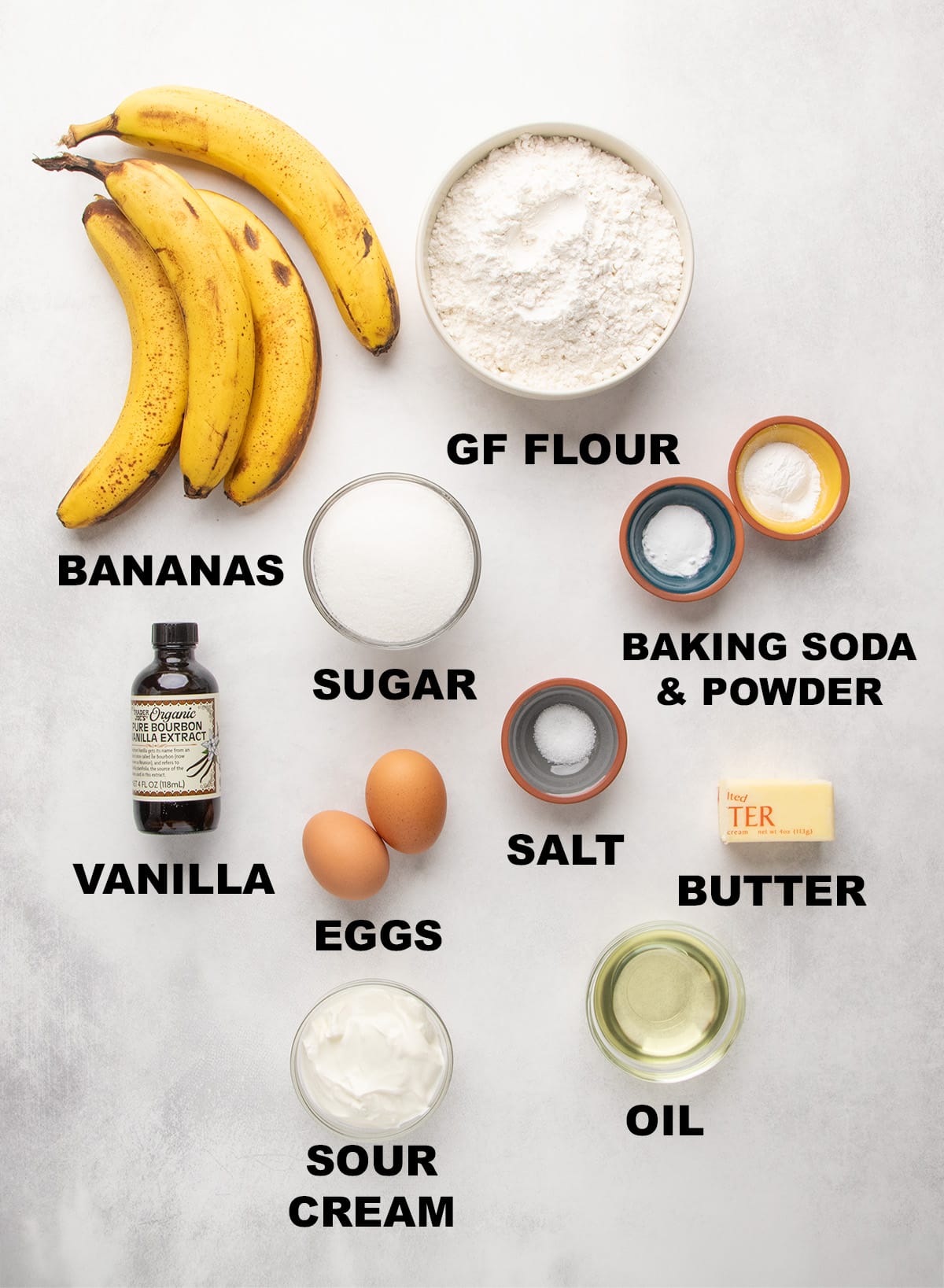
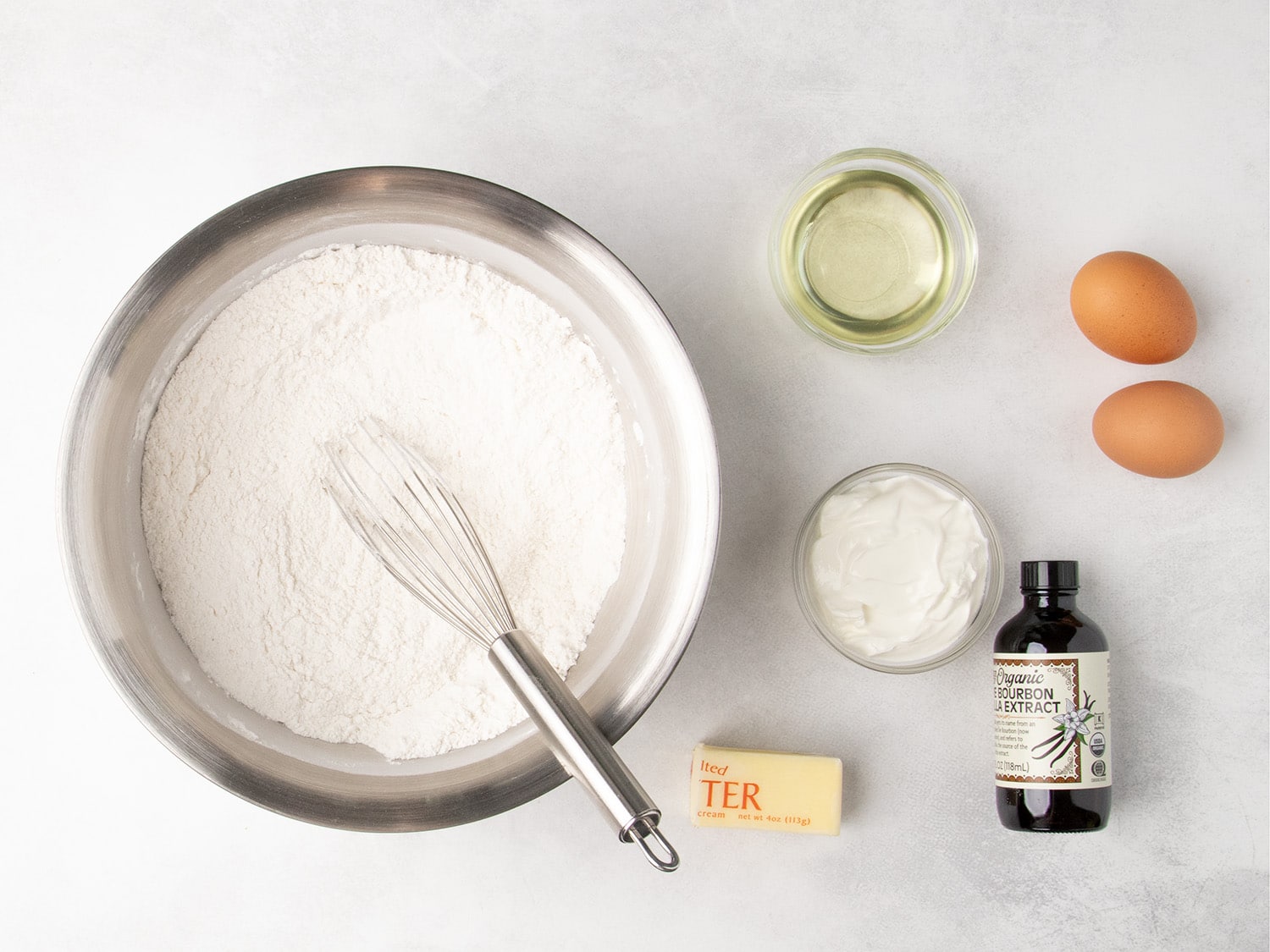
Success begins with a properly whisked foundation. The gluten-free flour blend, leavening agents (baking powder and soda), salt, and sugar are combined in a large mixing bowl. This step is critical; it ensures that the leavening agents are distributed evenly throughout the flour. Without this, one might encounter clumps of baking powder, leading to uneven rising or metallic flavor pockets.
Phase 2: Wet Integration
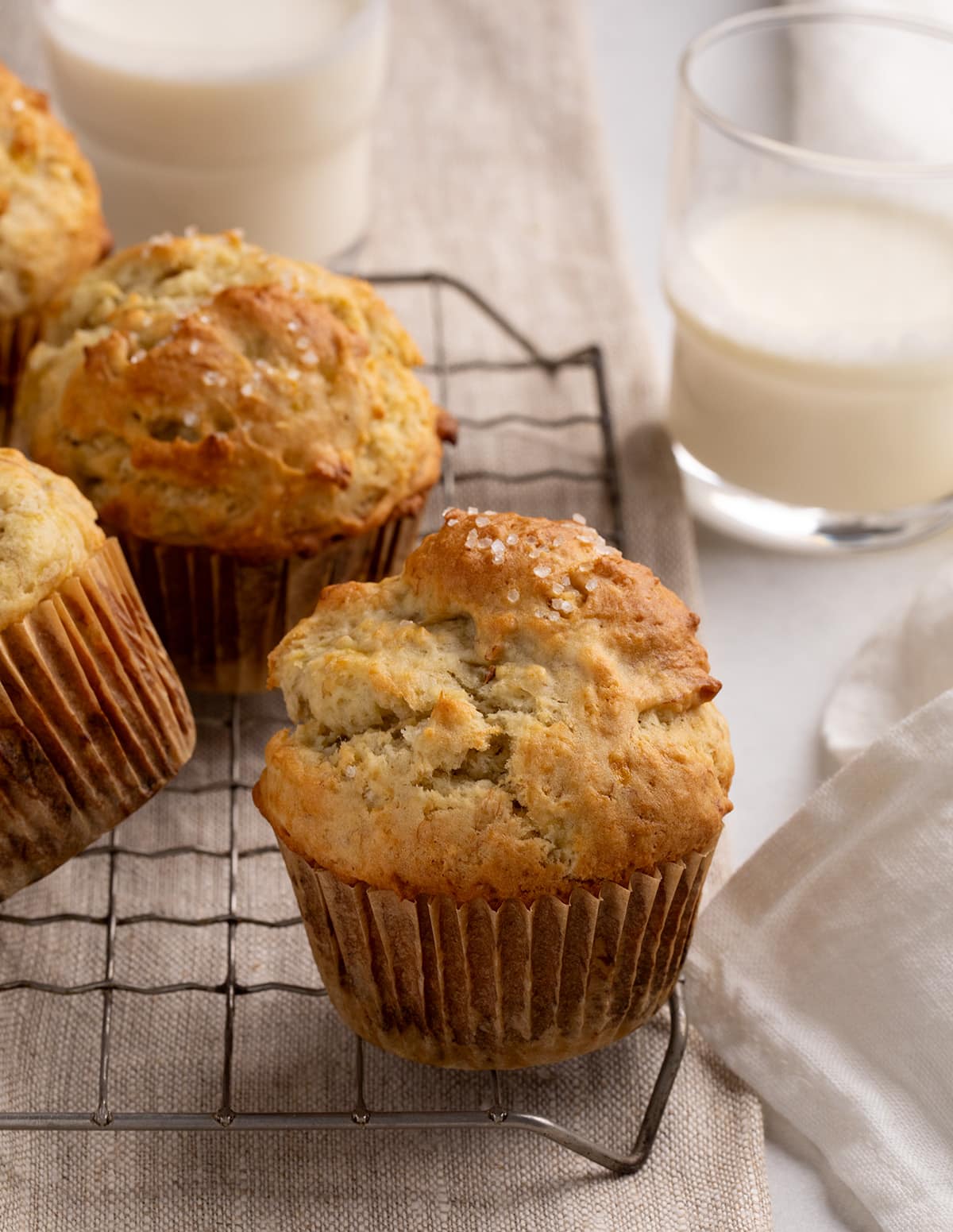
Rather than dirtying a secondary bowl, the wet ingredients—melted butter, oil, eggs, sour cream, and vanilla—are added directly into a well created in the center of the dry ingredients. By mixing the wet ingredients in situ and slowly incorporating the surrounding dry elements, the baker maintains control over the batter’s viscosity.
Phase 3: The Banana Fold
The final, and perhaps most crucial, step is the introduction of the mashed bananas. This is performed as a gentle fold using a spatula. By treating the bananas as a delicate final addition, the baker prevents the "liquefaction" of the batter, keeping the crumb light and airy.
Phase 4: Thermal Management
Once the batter is portioned into the muffin tin, the temperature profile takes over. The initial five-minute blast at 425°F is the engine of the rise. Once the structure is set, the reduction to 350°F ensures the center reaches the required internal temperature for food safety and texture without the sugars in the banana and butter caramelizing into a bitter char.
Supporting Data and Nutritional Breakdown
While often viewed as a "treat," this recipe is designed to offer a balanced profile. With approximately 234 calories per serving, the muffin provides a moderate energy source.
Nutritional Snapshot (Per Muffin):
- Carbohydrates: 37g
- Protein: 2g
- Fat: 8g (with a balanced mix of saturated and unsaturated fats)
- Fiber: 2g
- Sugar: 16g
These figures are estimates, but they represent a manageable indulgence that fits well within most dietary guidelines, particularly when compared to commercial muffins which often contain higher levels of processed additives, preservatives, and refined sugars.
Expert Responses: Solving Common Baking Pitfalls
Even with a reliable recipe, variables in the kitchen can lead to inconsistent results. Culinary experts highlight several key areas where home bakers often struggle:
- The "Sink" Phenomenon: If muffins collapse after cooling, it is rarely a failure of the recipe, but rather a failure of timing. An underbaked muffin will lose its structure as the steam escapes. Using an oven thermometer is highly recommended, as many home ovens are calibrated incorrectly, sometimes running 25 to 50 degrees cooler than the setting suggests.
- The Role of Xanthan Gum: For those using flour blends that do not already contain xanthan gum, adding it is non-negotiable. It acts as the "glue" in the absence of wheat gluten. Without it, the structural integrity of the muffin will fail, leading to a crumbly, unmanageable product.
- Frozen vs. Fresh: A common misconception is that frozen bananas are inferior. In fact, they are often superior for baking. As bananas freeze, the cell walls break down, releasing more natural sugars and flavor compounds. When using frozen bananas, however, one must include the accumulated liquid in the bag, as this is essentially concentrated banana nectar.
Implications for the Gluten-Free Lifestyle
The significance of this recipe extends beyond a simple list of instructions; it represents a broader shift in the "Gluten-Free on a Shoestring" philosophy. For years, the gluten-free community was forced to accept "good enough" as the standard. The implication here is that with the right application of food science—specifically regarding temperature control and ingredient timing—the gap between gluten-containing and gluten-free pastries can be closed entirely.
Furthermore, the versatility of the base recipe allows for personalization. Whether one chooses to incorporate walnuts, pecans, or dark chocolate chips, the structure remains robust enough to support these inclusions. This empowers the baker to move from following a strict manual to understanding the "why" behind the process, allowing for creative experimentation.
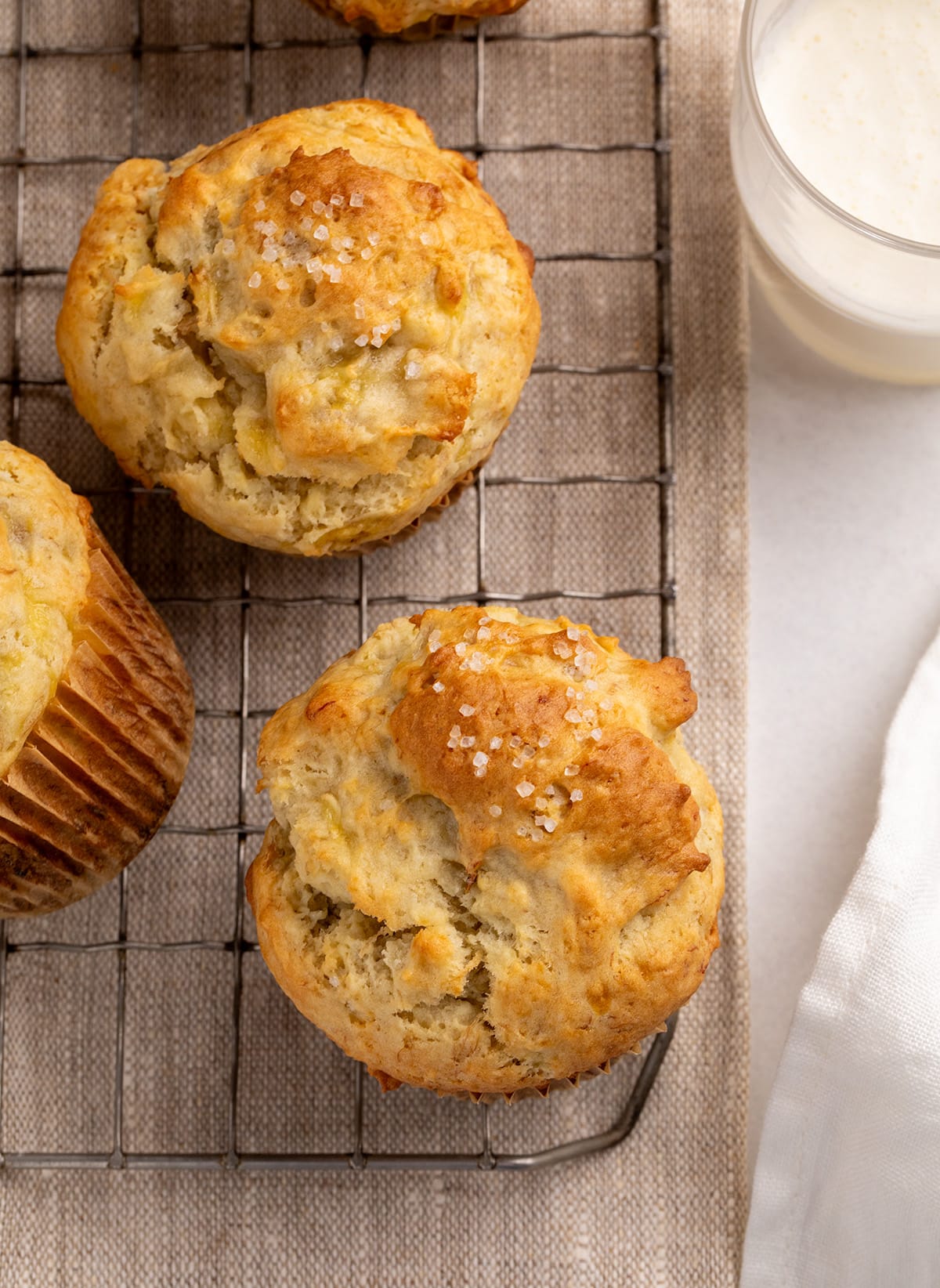
For those with further dietary restrictions, the ability to swap butter for high-quality coconut oil or utilize plant-based egg replacements demonstrates that the recipe is as adaptable as it is reliable. In an era where food costs are rising and the demand for high-quality, allergen-friendly options is at an all-time high, mastering a recipe that utilizes accessible, pantry-staple ingredients is a vital skill for any home cook.
Ultimately, these muffins are more than just a breakfast item; they are a testament to the fact that dietary restrictions need not be a barrier to culinary enjoyment. By respecting the chemistry of the ingredients and the precision of the process, the home baker can consistently produce a product that is not only safe for those with celiac disease or gluten sensitivity but is, by all traditional standards, a truly exceptional baked good.