Unpacking the Paradox: Why Whole Nuts Outperform Peanut Butter in the Quest for Longevity
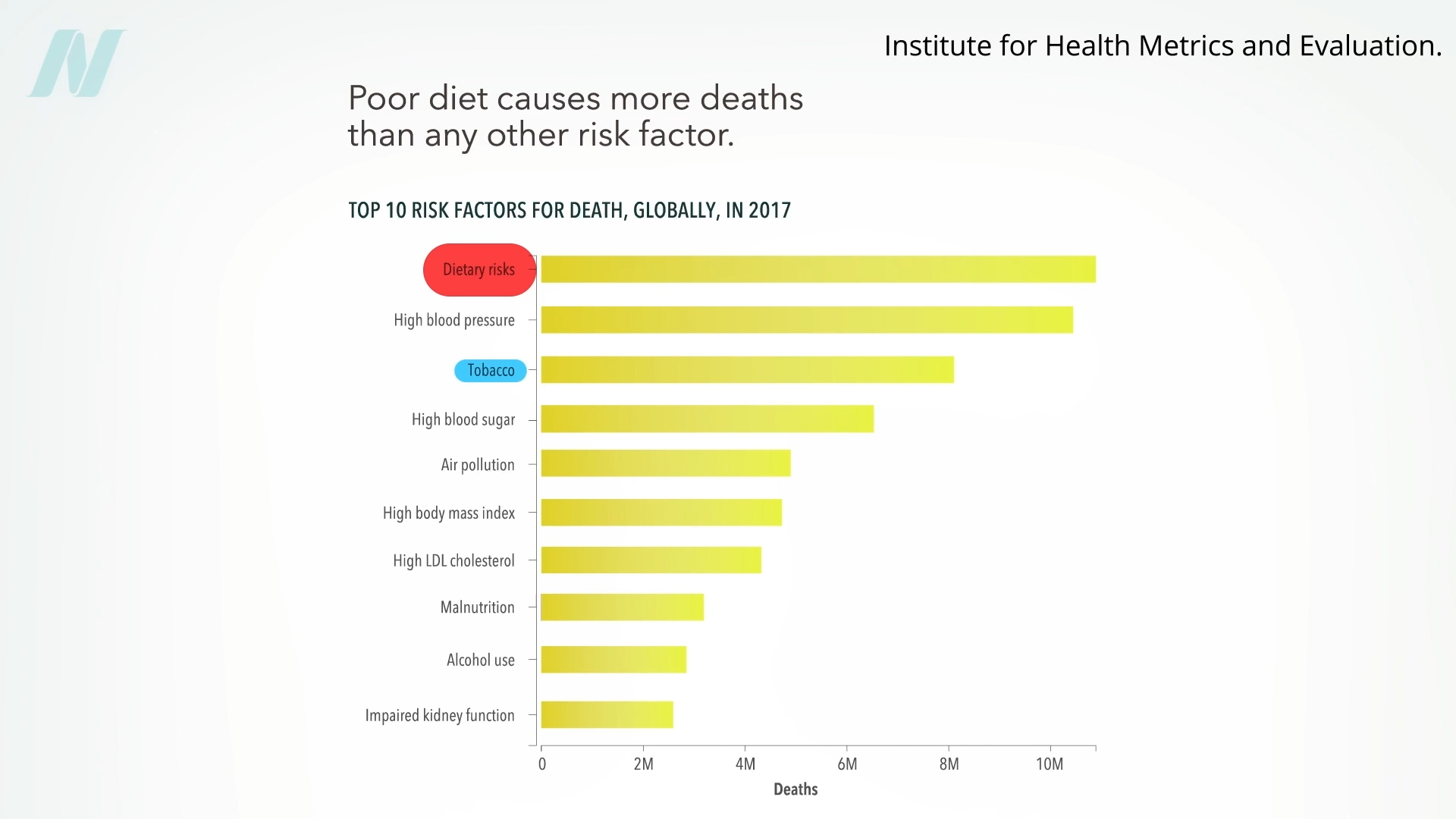
In an era increasingly defined by health consciousness and a relentless pursuit of longevity, the nuances of our daily diet have never been under closer scrutiny. While the dangers of smoking and sedentary lifestyles are widely acknowledged, a profound truth, often overshadowed, is emerging from the largest studies of human health: our dietary choices are the single greatest determinant of our lifespan. Far surpassing the mortality rates associated with cigarettes, which claim roughly 8 million lives annually, a suboptimal diet is responsible for millions more deaths worldwide. This stark reality underscores the critical importance of understanding not just what we eat, but how it’s prepared and consumed.
At the heart of this dietary discourse lies a compelling paradox concerning nuts and their processed counterparts. While robust scientific evidence consistently links the regular consumption of whole nuts to decreased all-cause mortality, the same protective effect is conspicuously absent for peanut butter. This discrepancy, highlighted by groundbreaking research, challenges common perceptions and compels a deeper investigation into the specific mechanisms that differentiate these seemingly similar food items.
The Global Burden of Dietary Choices: A Stark Reality
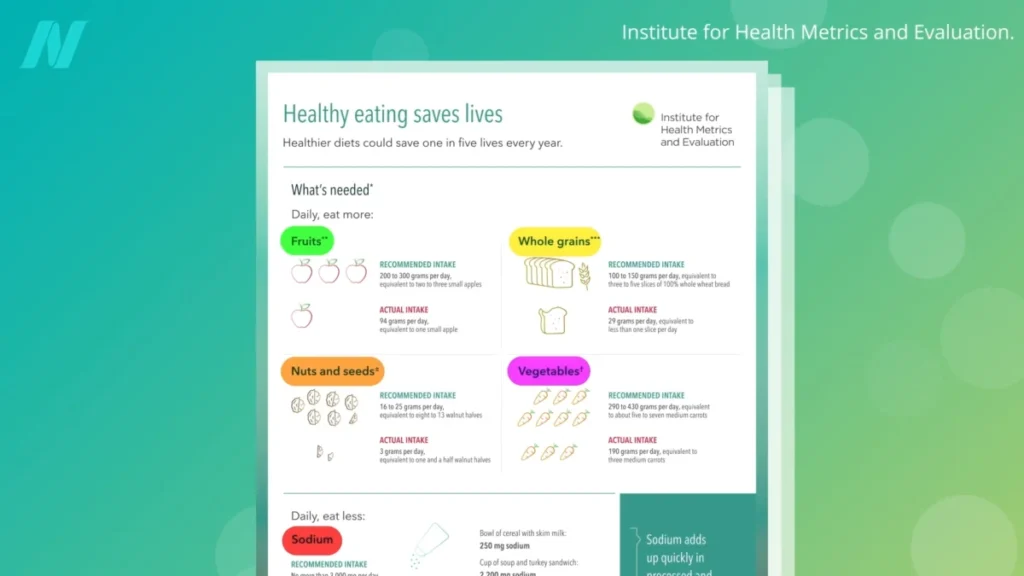
The Global Burden of Disease study, often cited as the most comprehensive assessment of risk factors for death in human history, unequivocally identifies poor diet as the leading cause of premature death and disability across the globe. This monumental research underscores a public health crisis that far eclipses many traditional concerns. While the focus often falls on highly processed meats, sugary drinks, or refined snacks like Twinkies, the deadliest aspects of the modern diet are, surprisingly, more fundamental: insufficient intake of fruits, whole grains, and vegetables, excessive sodium consumption, and critically, an inadequate consumption of nuts and seeds.
These five dietary shortcomings collectively contribute to a vast spectrum of non-communicable diseases, including cardiovascular disease, type 2 diabetes, certain cancers, and chronic respiratory illnesses. The sheer scale of this problem means that dietary habits are not merely a personal choice but a pressing global health challenge, demanding widespread awareness and intervention. Understanding the specific components of a health-promoting diet, therefore, becomes paramount in mitigating this enormous burden.
Nuts: A Nutritional Powerhouse
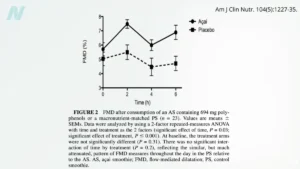
The inclusion of nuts in the list of essential dietary components for longevity should come as no surprise to nutritional science. These compact powerhouses are teeming with nutrients and bioactive compounds that exert a wide array of beneficial effects on human physiology. Numerous interventional trials have demonstrated that regular nut consumption significantly improves endothelial function – the health and elasticity of our arteries. Given that arterial diseases, such as atherosclerosis, are primary drivers of heart attacks and strokes, the leading causes of death globally, the cardiovascular protective effects of nuts are profoundly significant.
Beyond arterial health, the benefits of nuts extend across multiple physiological systems:
Cardiovascular Health: More Than Just "Good Fats"
Nuts are rich in monounsaturated and polyunsaturated fatty acids, particularly omega-3s in some varieties like walnuts. These healthy fats are crucial for maintaining healthy cholesterol levels, specifically by lowering LDL ("bad") cholesterol and improving HDL ("good") cholesterol. Furthermore, nuts contain phytosterols, plant compounds that structurally resemble cholesterol and compete with it for absorption in the gut, further reducing blood cholesterol. The fiber content in nuts also contributes to cardiovascular health by helping to manage blood pressure and reduce inflammation, key factors in preventing heart disease.
Blood Sugar Control: A Steady Hand on Glycemia
The unique combination of healthy fats, fiber, and protein in nuts contributes to a low glycemic index, meaning they cause a slower and more stable rise in blood sugar levels compared to refined carbohydrates. This characteristic is particularly beneficial for individuals managing diabetes or those at risk of developing it. Regular nut consumption can improve insulin sensitivity, helping the body to utilize glucose more efficiently and reducing the overall burden on the pancreatic insulin-producing cells.
Anti-inflammatory and Antioxidant Properties: Fighting Cellular Damage
Nuts are a rich source of antioxidants, including vitamin E, selenium, and various polyphenols and flavonoids. These compounds combat oxidative stress, a process where unstable molecules (free radicals) damage cells and contribute to chronic diseases and aging. By neutralizing free radicals, nuts help reduce systemic inflammation, a foundational element in the development of many chronic conditions, including heart disease, cancer, and neurodegenerative disorders.
Gut Microbiome Support: Fueling Friendly Flora
Emerging research highlights the critical role of the gut microbiome in overall health, influencing everything from digestion and immunity to mood and metabolism. Nuts, particularly their fiber content, act as prebiotics, providing nourishment for beneficial gut bacteria. A thriving and diverse gut microbiome is associated with improved nutrient absorption, enhanced immune function, and reduced inflammation, all of which contribute to a longer, healthier life.
The question then arises: do all nuts confer these benefits equally? And what about peanuts, which are technically legumes but nutritionally similar to tree nuts?
The Peanut Butter Conundrum: A Closer Look at the Data
To unravel the specific associations between different nut forms and mortality, researchers often turn to large-scale, prospective cohort studies. One such invaluable resource is the National Institutes of Health-AARP Diet and Health Study, the largest prospective health and diet investigation in history, which has meticulously followed over half a million participants since the 1990s. This study provides an unparalleled depth of data, allowing researchers to explore intricate relationships between dietary habits and long-term health outcomes.
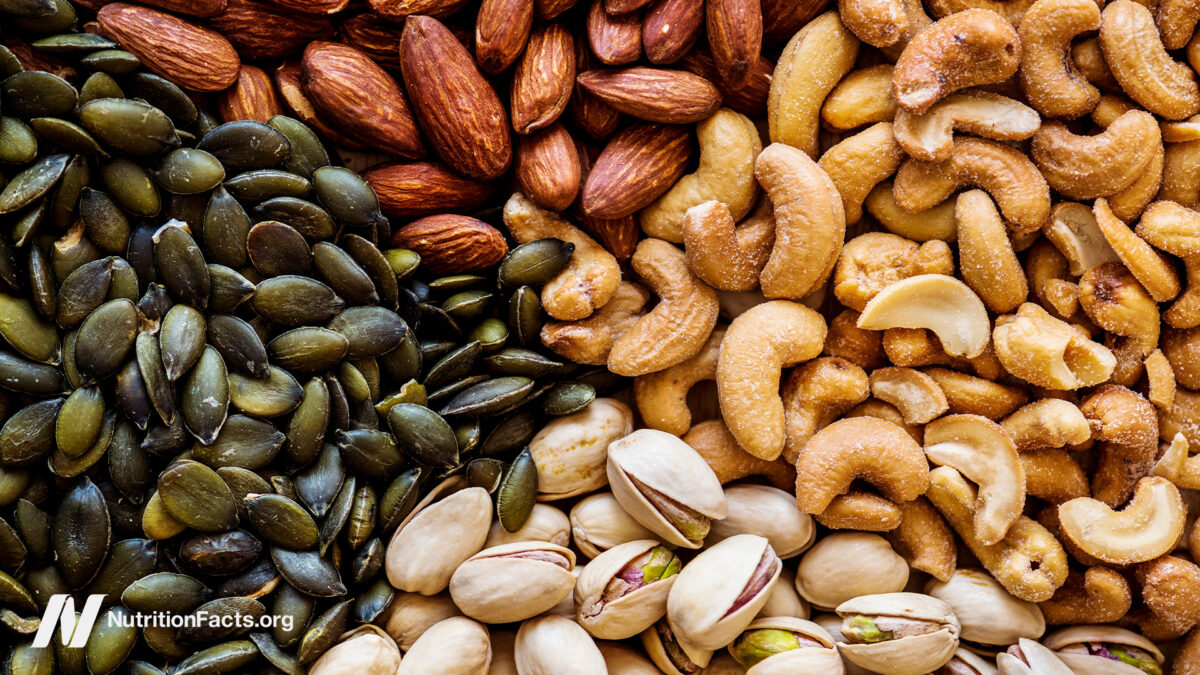
The findings from the NIH-AARP study were clear and compelling: general nut consumption was strongly associated with protection against all-cause mortality. This means that individuals who regularly consumed nuts lived, on average, longer lives. More specifically, nut-eaters exhibited a significantly lower risk of dying from a range of severe conditions, including various cancers, cardiovascular disease, liver disease, respiratory disease, kidney disease, and even infectious causes. This broad protective effect suggests that nuts bolster multiple physiological systems, potentially including immune function.
However, when researchers specifically analyzed the data for peanut butter consumption, a striking contrast emerged. No such protective associations were found. Despite peanuts themselves exhibiting similar nutritional profiles to tree nuts, and accounting for roughly half of all peanut consumption in the United States in the form of peanut butter, this popular spread did not appear to contribute to increased longevity. This observation begs the crucial question: why the disparity?
Deconstructing the Discrepancy: Potential Explanations
The absence of a longevity benefit from peanut butter, while whole nuts offer substantial protection, has led researchers to explore several potential explanations. Understanding these factors is key to making informed dietary choices.
Confounding Lifestyle Factors: An Initial Hypothesis
One immediate thought might be that peanut butter consumers simply have less healthy lifestyles overall. The NIH-AARP study did indeed find that individuals who consumed peanut butter tended to eat more meat, were more likely to smoke cigarettes, and engaged in less physical exercise. However, the study’s robust methodology accounted for these and many other potential confounding factors. Researchers statistically adjusted for variables such as alcohol consumption, intake of fruits and vegetables, educational attainment, and body mass index. This rigorous control suggests that the lack of association for peanut butter cannot be simply attributed to broader unhealthy lifestyle choices, like consuming more white bread sandwiches.
One factor that the researchers did not specifically control for in the initial analysis was added sugar. This omission is significant, as commercial peanut butter often contains substantial amounts of added sugar, and it’s also commonly paired with sugary jellies or jams. The cumulative effect of increased sugar intake could potentially negate the inherent benefits of the peanuts themselves.
The Impact of Processing and Additives
Another prominent explanation revolves around the processing involved in making peanut butter and the additives commonly found in commercial varieties. Many conventional peanut butters contain:
- Added Oils: Often partially hydrogenated oils, which introduce trans fats (known to raise LDL cholesterol and increase heart disease risk) or highly refined vegetable oils that contribute to an unfavorable omega-6 to omega-3 fatty acid ratio.
- Excessive Salt: High sodium intake is a well-established risk factor for hypertension and cardiovascular disease.
- Added Sugar: As previously mentioned, added sugars contribute to inflammation, weight gain, and an increased risk of type 2 diabetes and heart disease.
While it’s true that some whole nuts are also consumed with added oil, salt, or sugar (e.g., roasted, salted nuts, or candied nuts), the fundamental difference often lies in the degree of processing and the consistency of these additions across products. Minimally processed whole nuts, even if lightly roasted, retain much of their original structure and nutrient profile.
The "Whole Food" Advantage: Cellular Structure and Bioavailability
Perhaps the most compelling explanation for the discrepancy lies in the fundamental difference in physical form: the intact cellular structure of whole nuts versus the pulverized, homogenized state of nut butters. As highlighted in nutritional science, including in discussions on optimal diet strategies, the way nutrients are packaged within food matrices significantly impacts their digestion, absorption, and metabolic effects.
When we consume whole or even coarsely chopped nuts, no matter how thoroughly we chew them, some of their cellular walls remain intact. These intact plant cells act as protective barriers, trapping some of the fats, proteins, and carbohydrates within them. This cellular integrity has several crucial implications:
- Slower Digestion and Absorption: The nutrients are released gradually as the digestive system works to break down the remaining cell walls. This leads to a more sustained release of energy, a blunted blood sugar response, and increased satiety, helping to prevent overeating.
- Reduced Calorie Absorption: Because some nutrients remain encapsulated within intact cells, they may pass through the digestive tract unabsorbed, particularly the fats. This means that the "net" caloric intake from whole nuts can be slightly lower than what the nutrition label suggests, as not all calories are bioavailable.
- Enhanced Prebiotic Effect: The undigested cellular material, particularly the fiber and encapsulated nutrients, travels to the colon, where it serves as a rich food source for beneficial gut bacteria. This "prebiotic goodness" fosters a healthier and more diverse gut microbiome, which, as discussed, is linked to a multitude of health benefits, including improved immunity, reduced inflammation, and better metabolic health.
In contrast, peanut butter undergoes extensive processing, where peanuts are ground into a smooth paste. This process completely ruptures the cellular structure, releasing all the fats, proteins, and carbohydrates from their protective matrix. Consequently:
- Faster Digestion and Absorption: Nutrients are readily available for immediate absorption, leading to a quicker rise in blood sugar and a potentially less sustained feeling of fullness.
- Higher Calorie Bioavailability: With all cellular structures broken down, a greater proportion of the fats and other nutrients are absorbed, meaning the body extracts more calories from peanut butter compared to an equivalent weight of whole peanuts.
- Altered Gut Interaction: While peanut butter still contains fiber, the absence of intact cellular structures may alter its interaction with the gut microbiome compared to whole nuts, potentially reducing the specific prebiotic benefits conferred by encapsulated nutrients.
This cellular integrity hypothesis raises an interesting question: would there be a difference between chunky and smooth peanut butter? While chunky peanut butter contains small pieces of peanuts, the overall cellular disruption is still far greater than in whole nuts, making it unlikely to fully replicate the benefits of the latter. However, further research specifically comparing different textures of nut butters might offer additional insights.
Peanuts vs. Tree Nuts: A Botanical Distinction (and Rebuttal)
Finally, one might consider the botanical distinction: peanuts are legumes, while almonds, walnuts, cashews, etc., are tree nuts. Could this difference explain the observed outcomes? While botanically distinct, a meta-analysis of studies comparing whole peanuts to tree nuts found that whole peanuts do offer similar nut-like health benefits, including associations with reduced mortality. This evidence strongly suggests that the issue is not the peanut itself, but rather its processing into butter.
Official Responses and Expert Recommendations
The cumulative evidence strongly points towards the profound health advantages of incorporating whole nuts into the diet. Public health bodies and nutritional experts worldwide are increasingly emphasizing the role of whole, unprocessed foods in promoting longevity and preventing chronic diseases.
The recommendation is clear and backed by "compelling evidence": individuals should aim to eat nuts at least three times a week to maximize their chances of living a longer and healthier life.
Optimal Nut Choices and Preparation:
- Prefer Raw Over Roasted/Salted: While light roasting is generally acceptable, raw nuts retain the highest concentration of heat-sensitive nutrients. Heavily salted nuts can contribute to excessive sodium intake, negating some cardiovascular benefits.
- Whole or Chopped Over Butters: For the reasons discussed, the intact cellular structure of whole or coarsely chopped nuts provides superior health benefits compared to pulverized nut butters.
- Variety is Key: While all nuts offer benefits, some stand out. Walnuts, for instance, are particularly rich in alpha-linolenic acid (ALA), a plant-based omega-3 fatty acid, and boast a high antioxidant capacity. Studies have specifically linked walnuts to improved artery function and reduced inflammation.
- Addressing the "Fat" Concern: A common misconception is that nuts, being calorie-dense, will lead to weight gain. However, research, including a comprehensive meta-analysis on "Nuts and Obesity: The Weight of Evidence," largely refutes this. Due to their high fiber and protein content, nuts are highly satiating, meaning they help you feel full, which can actually aid in weight management. Furthermore, the reduced calorie bioavailability from their intact cellular structure means that not all calories are absorbed, further mitigating the risk of weight gain.
Implications for Public Health and Dietary Choices
The findings regarding nuts and peanut butter carry significant implications for public health messaging and individual dietary choices.
Shifting the Dietary Paradigm:
This research underscores a crucial shift in our understanding of healthy eating. It’s not solely about eliminating "bad" foods but actively incorporating "good" ones. Focusing on nutrient-dense whole foods like nuts can have a profound impact on health outcomes.
Empowering Consumer Awareness:
Consumers need to be empowered with knowledge to make informed decisions. The distinction between whole nuts and processed peanut butter, particularly regarding added sugars, salts, and oils, highlights the importance of reading food labels carefully. Opting for natural peanut butters with minimal ingredients (just peanuts, or peanuts and salt) might be a step in the right direction, though they still lack the intact cellular structure of whole nuts.
Public Health Interventions:
Public health campaigns could leverage these findings to promote the consumption of whole nuts as part of a balanced diet. Educational initiatives can highlight the specific benefits and guide individuals toward healthier choices.
Future Research Avenues:
While the current evidence is strong, further research could delve deeper into the specific mechanisms of cellular structure, comparing the long-term health outcomes of different types of nut butters (e.g., natural, no-sugar-added, chunky vs. smooth) to whole nuts. Investigating the optimal frequency and quantity of nut consumption for different populations also remains an ongoing area of study.
Conclusion: Embracing the Power of Whole Foods
The journey to a longer, healthier life is paved with mindful dietary choices. The compelling evidence demonstrating the longevity benefits of whole nuts, contrasted with the absence of such benefits for peanut butter, serves as a powerful reminder of the profound impact of food processing on nutritional efficacy. It is a testament to the wisdom of nature’s design, where nutrients are optimally packaged for our benefit.
By prioritizing whole, unprocessed foods like nuts – preferably raw, whole, or coarsely chopped – we not only provide our bodies with essential nutrients but also harness the intricate biological advantages of their natural structure. In a world increasingly dominated by processed convenience foods, the humble nut stands as a beacon of health, offering a simple yet potent pathway towards greater vitality and a longer, more vibrant existence. Embracing the power of whole foods is not merely a dietary recommendation; it is an investment in our future health and well-being.