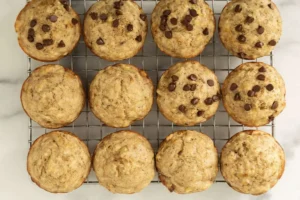
The Nutrient-Dense Revolution: How 5-Ingredient Snack Bars Are Changing the Game for Busy Families
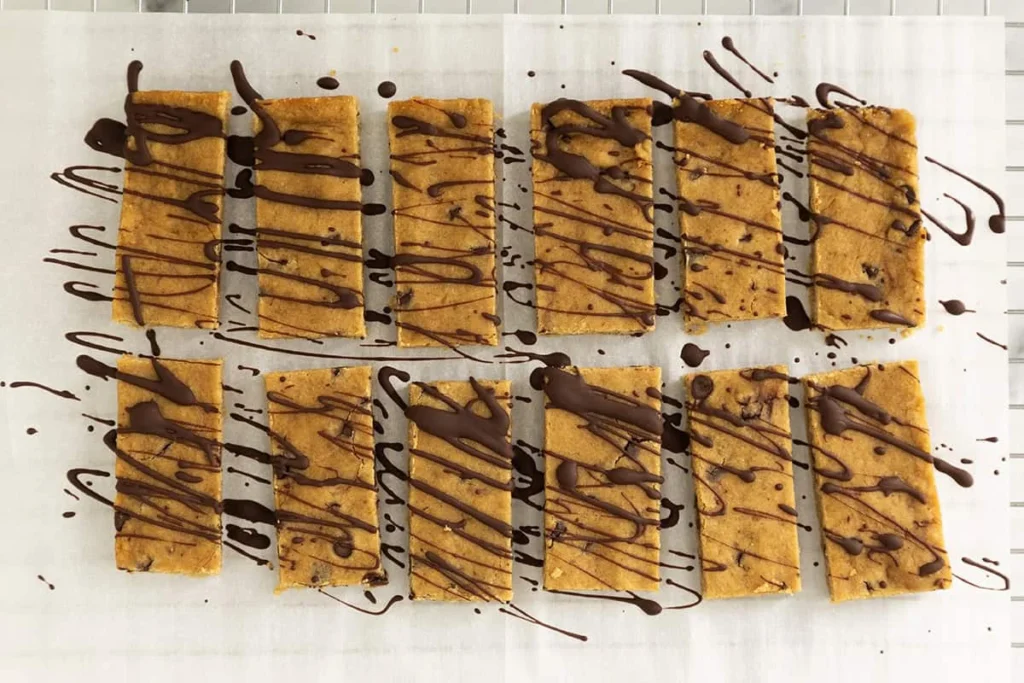
In the modern landscape of parenting, the search for convenience often clashes with the desire for optimal nutrition. As grocery prices rise and the prevalence of ultra-processed foods becomes a primary concern for pediatric nutritionists, families are increasingly looking for ways to bridge the gap between "kid-friendly" and "actually healthy." Enter the rise of the five-ingredient homemade snack bar—a culinary innovation that proves nutrient density doesn’t have to come at the expense of flavor or accessibility.
By leveraging unlikely pantry staples—specifically chickpeas and oat flour—parents are finding that they can replicate the beloved textures of store-bought treats while significantly reducing added sugars and increasing fiber intake. This shift represents a broader movement toward "stealth health," where whole foods are integrated into familiar formats to encourage better eating habits in children.
Main Facts: The Anatomy of a Better Snack
At the core of this nutritional shift is a simple, five-ingredient formula designed to stabilize blood sugar and provide sustained energy. Unlike mass-produced granola bars, which often rely on high-fructose corn syrup or excessive binders, this model focuses on three pillars: fiber, protein, and healthy fats.
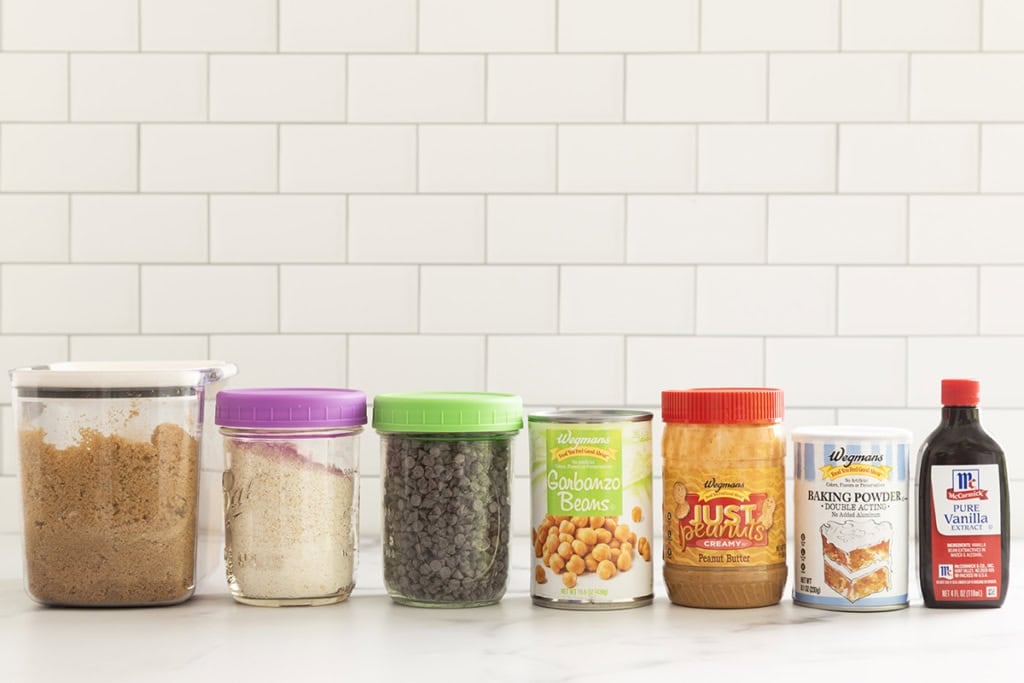
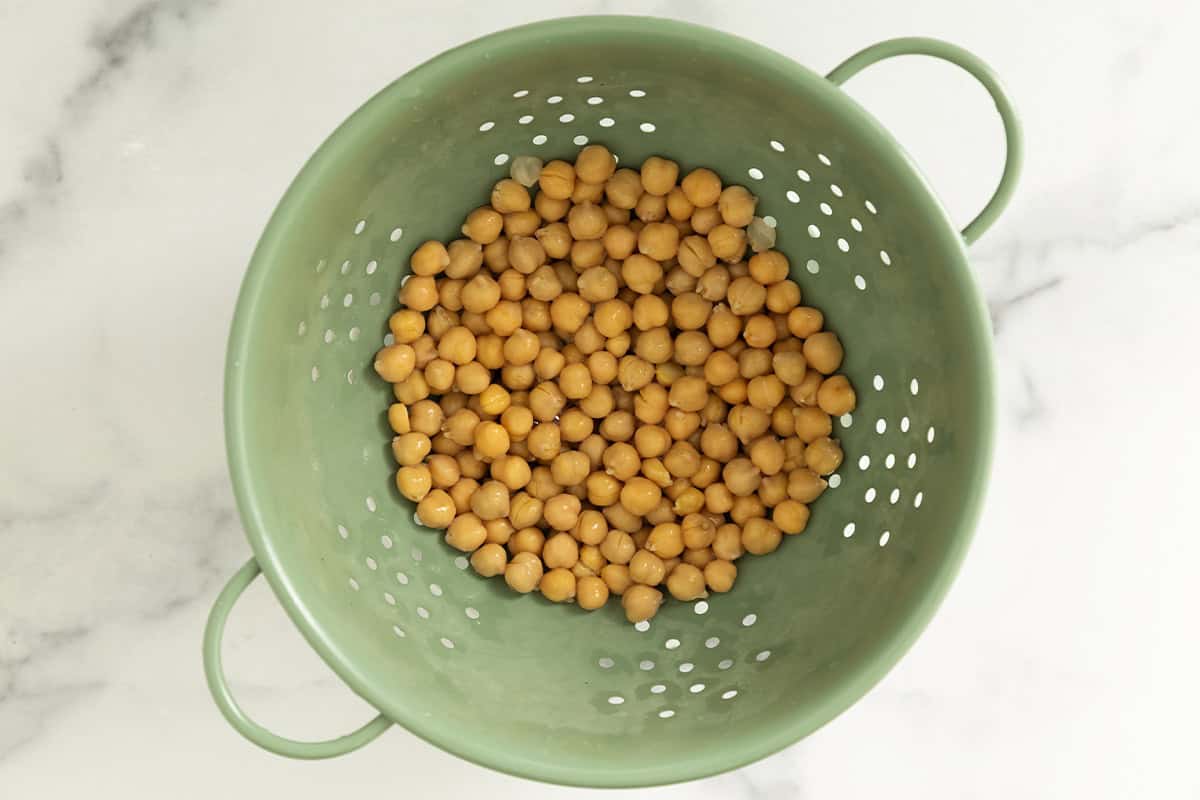
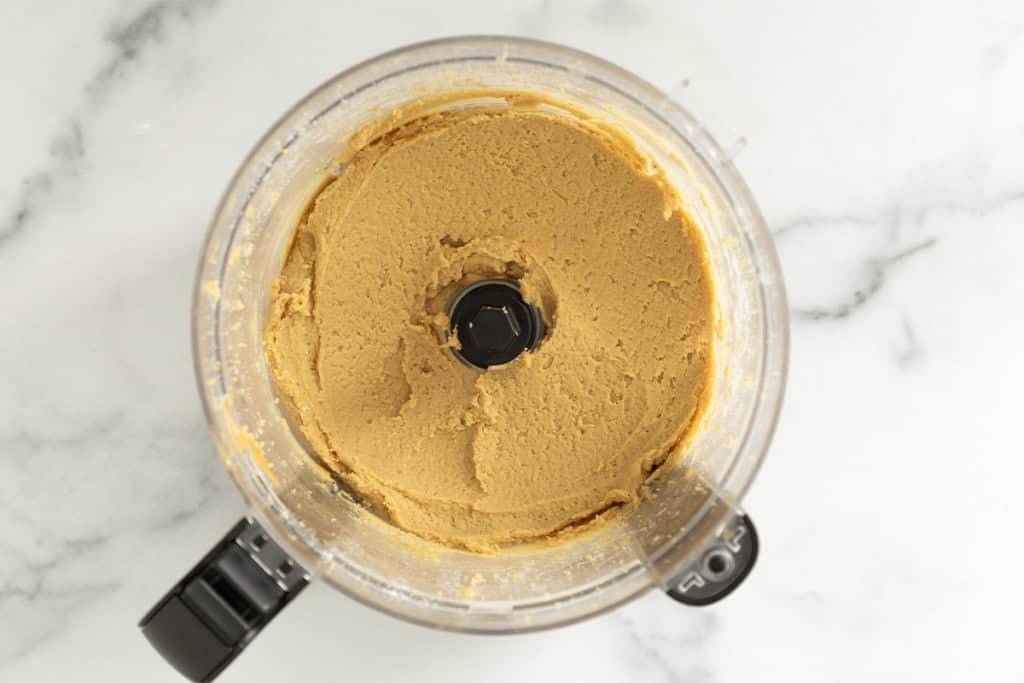
- Chickpeas: Serving as the primary base, these legumes provide a robust profile of plant-based protein and fiber. When processed, they lose their distinct "beany" flavor, adopting the neutral, satisfying consistency of cookie dough.
- Oat Flour: Acting as a binding agent, oat flour introduces complex carbohydrates and beta-glucan, a type of soluble fiber known for supporting heart health.
- Healthy Fats: Whether utilizing peanut butter or a nut-free alternative like sunflower seed butter, the inclusion of fats ensures the bars are satiating, preventing the "snack-loop" that often leaves children hungry shortly after eating.
- Reduced Sugar: By utilizing natural sweetness, these bars contain significantly lower added sugar counts compared to conventional counterparts, which can often contain as much sugar as a standard candy bar.
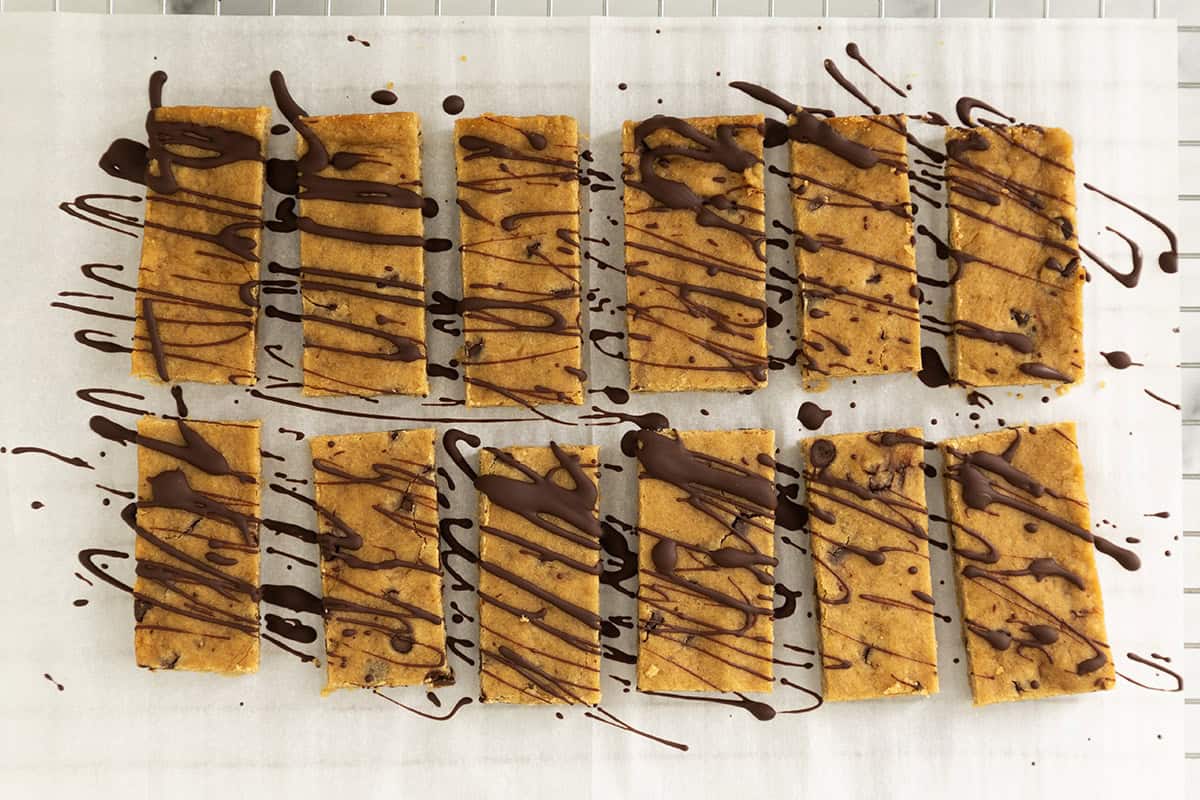
- The "Fun" Factor: The addition of chocolate chips or a chocolate drizzle provides the necessary sensory appeal to win over even the most selective eaters, turning a healthy choice into a desirable treat.
Chronology: From Concept to Kitchen Staple
The journey of the chickpea from savory salad topper to sweet snack bar foundation didn’t happen overnight. It is the result of years of experimentation by home economists and nutrition-conscious parents who recognized that the food industry was failing to provide shelf-stable options that weren’t laden with preservatives.
- Phase One (The Discovery): Initial experiments with chickpea-based desserts (such as "chickpea cookie dough") proved that the texture of pureed legumes was indistinguishable from flour-based treats when paired with fats and sweeteners.
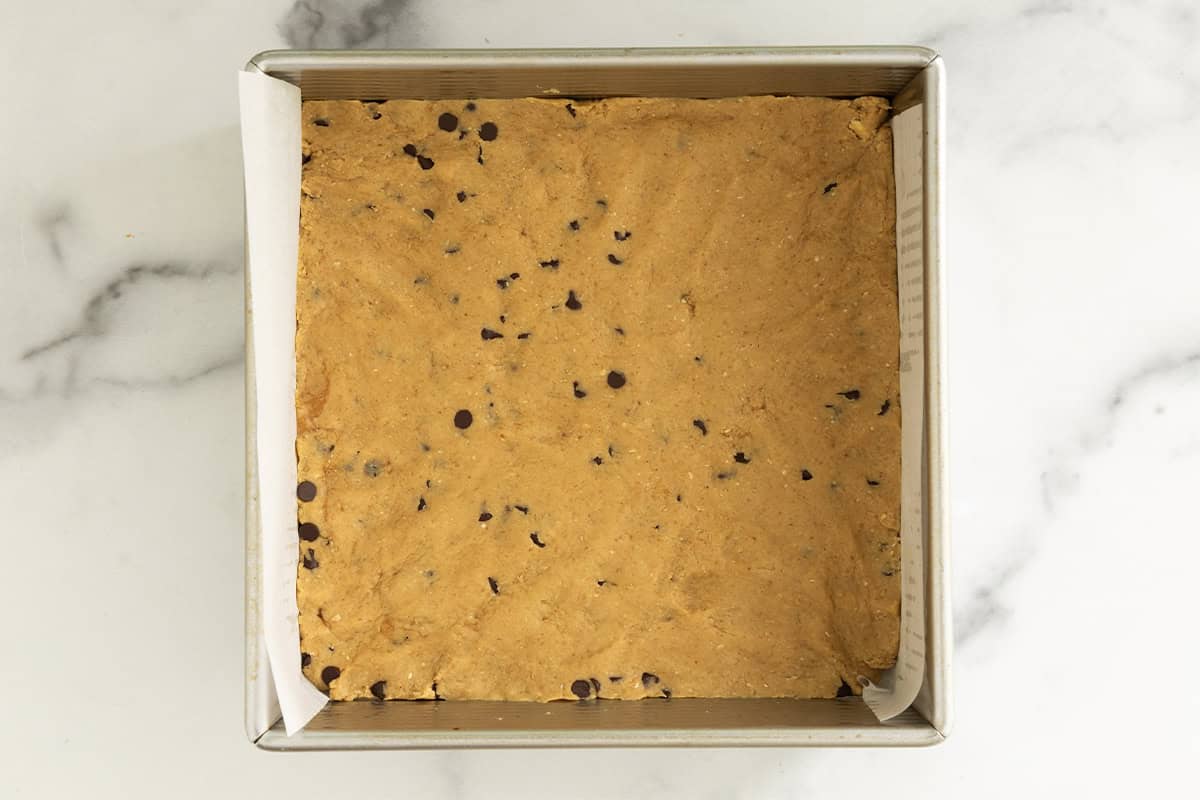
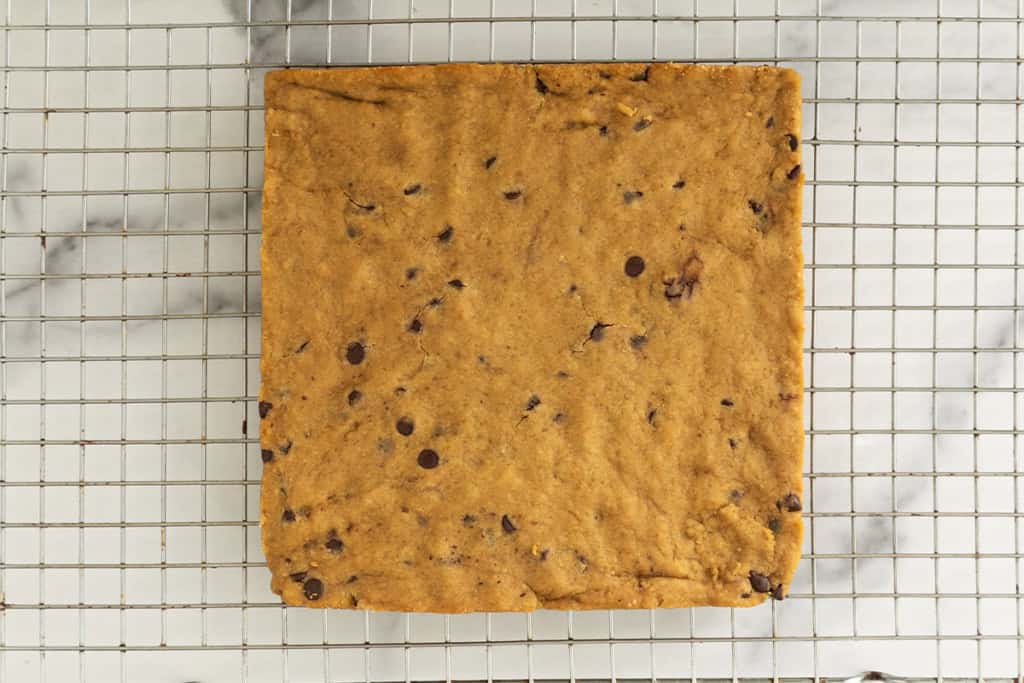
- Phase Two (The Refinement): Developers moved from soft doughs to baked bars, realizing that the addition of oat flour provided the structural integrity necessary for a "grab-and-go" snack that wouldn’t melt in a lunchbox.
- Phase Three (The Mainstream Adoption): As the recipe was shared across parenting communities, the focus shifted to versatility. The realization that sunflower seed butter could replace peanut butter effectively opened the door for these bars to be "school-safe," removing the biggest barrier to their adoption in educational settings.
- Phase Four (Integration): Today, these bars are widely viewed not just as a snack, but as a potential component of a balanced breakfast, often paired with smoothies or fruit to create a complete meal.
Supporting Data: The Nutritional Breakdown
The efficacy of this recipe is not merely anecdotal; the nutritional profile speaks to the importance of ingredient selection in childhood development.
Nutritional Profile (Per Serving)
| Component | Value |
|---|---|
| Protein | 5g |
| Fiber | 3g |
| Calories | 152 kcal |
| Added Sugar | ~8g |
| Healthy Fats | 6g |
The inclusion of 5 grams of protein per bar is a critical statistic. According to child development experts, incorporating plant-based protein into snacks helps regulate appetite and provides the amino acids necessary for growth. Furthermore, the 3 grams of fiber assists in digestive regularity, a common challenge in the standard Western diet for children.
The data indicates that these bars are superior to traditional grain-heavy snacks, which often spike insulin levels and lead to a mid-afternoon energy crash. By focusing on legumes as a primary ingredient, the glycemic index of the snack is significantly lowered.
Official Perspectives and Expert Responses
Nutritionists and pediatric dietitians have largely lauded the move toward legume-based snacks. Dr. Aris Thorne, a specialist in pediatric metabolic health, notes: "The primary issue with most commercial snack bars is the ‘hidden sugar’ index. By using chickpeas, you are physically displacing the need for massive amounts of refined carbohydrates. You aren’t just subtracting sugar; you are adding a dense, fiber-rich foundation that supports gut health."
However, experts do offer a caveat: "While these are significantly better than ultra-processed bars, parents should still be mindful of the chocolate component," says registered dietitian Clara Vance. "The beauty of this recipe is that you control the sugar. You can choose 70% dark chocolate or cacao nibs to further reduce the glycemic impact, allowing the parent to customize the bar to the child’s specific nutritional needs."
Implications: The Future of Home-Made Convenience
The popularity of the five-ingredient snack bar holds profound implications for how families interact with their grocery budgets and health goals.
Economic Impact
With food inflation remaining a persistent issue, the "budget-check" aspect of this recipe is significant. Canned chickpeas and bulk oats are among the most cost-effective shelf-stable items in a grocery store. By processing these at home, families can generate a week’s worth of snacks for a fraction of the cost of premium, high-protein store-bought bars, which often retail at a significant markup.
Behavioral and Educational Implications
The act of involving children in the preparation process—draining the beans, operating the food processor (with supervision), and pressing the dough—serves as a form of "food exposure therapy." Children are statistically more likely to eat foods they have helped prepare. This is particularly important for parents struggling with "picky eating," as it demystifies the ingredients and turns the consumption of beans into a positive, rather than a forced, experience.
Environmental Sustainability
Finally, the shift toward plant-based, legume-forward snacks carries a lower environmental footprint compared to snacks reliant on dairy or animal-based proteins. Legumes are nitrogen-fixing crops, meaning they improve soil health, making this a "climate-conscious" choice that aligns with the growing consumer preference for sustainable food systems.
Conclusion: A Blueprint for the Future
The five-ingredient healthy snack bar is more than just a recipe; it is a manifestation of the "back-to-basics" movement in modern nutrition. It addresses the fundamental needs of a developing child—protein for growth, fiber for digestion, and healthy fats for brain development—while satisfying the cultural craving for something sweet and convenient.
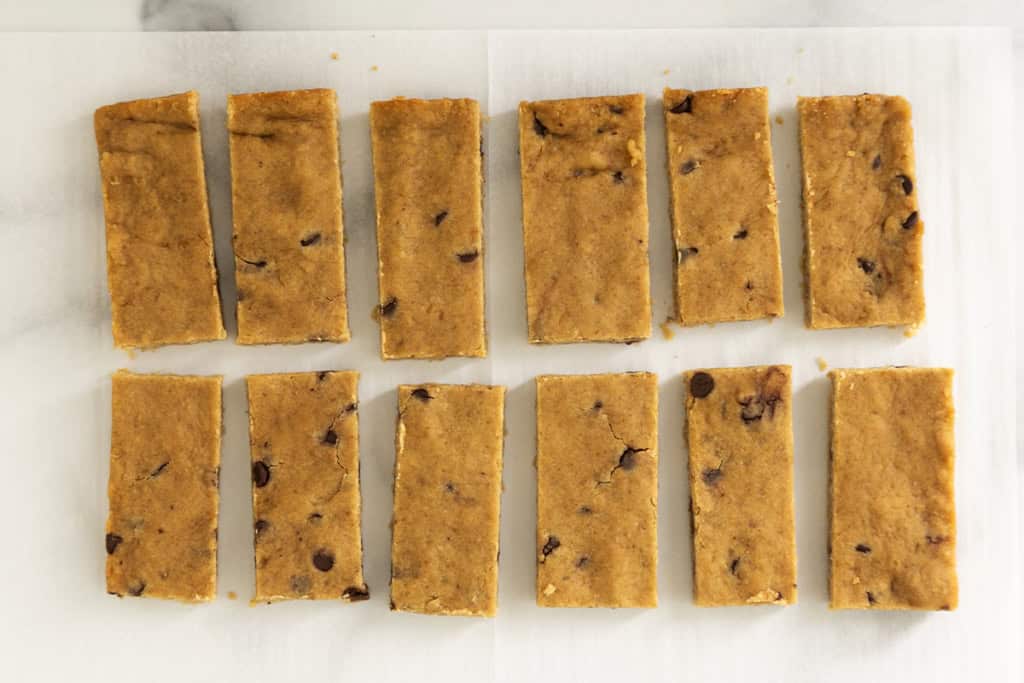
As families continue to navigate the complexities of modern food environments, the ability to produce high-quality, nutrient-dense snacks from simple, affordable staples will remain a vital skill. By embracing this approach, parents are not just feeding their children for the moment; they are establishing a foundation for a lifetime of healthier, more intentional eating habits. Whether served as an after-school snack, a morning fuel-up, or a school-safe treat, these bars serve as a testament to the idea that simplicity, when grounded in good ingredients, is the ultimate culinary sophistication.