Unlocking the Longevity Code: The Promise and Peril of the FGF21 Hormone

By Michael Greger M.D. FACLM
May 19, 2026
Last updated: May 21, 2026
The quest for extended human lifespan and enhanced health in old age has long captivated scientists and laypeople alike. In this ambitious pursuit, the discovery of novel biological regulators often ignites widespread excitement. Among these, Fibroblast Growth Factor 21 (FGF21), a hormone identified at the turn of the millennium, has emerged as a particularly compelling subject, heralded by some as a potential "longevity hormone." Its multifaceted influence on metabolism, body composition, and arterial health suggests a powerful role in combating age-related decline and chronic diseases, prompting both intense pharmaceutical interest and a renewed focus on natural lifestyle interventions.
The Genesis of a Longevity Star: Discovery and Early Insights
The year 2000 marked a significant milestone in endocrinology with the formal identification of FGF21. As the 21st documented member of the fibroblast growth factor family, its initial characterization hinted at a profound impact on physiological processes. However, it was in the subsequent years that the true breadth of its potential began to unfold, elevating FGF21 from a mere scientific curiosity to a key agent in the promotion of metabolic and arterial health, leanness, and, crucially, longevity.
Early research, primarily conducted in animal models, provided tantalizing glimpses into FGF21’s remarkable capabilities. In one notable study, obese rhesus monkeys administered FGF21 injections exhibited a significant reduction in body weight and, more specifically, a striking 27% drop in body fat, all without any reduction in their caloric intake. This ability to promote leanness independent of appetite suppression immediately positioned FGF21 as a potent anti-obesity agent. The implications extended further into the realm of aging itself. In studies involving mice, sustained elevation of FGF21 levels was observed to increase their lifespan by an impressive 30 to 40 percent. This longevity boost was comparable to the well-established benefits of lifelong caloric restriction, yet, remarkably, it was achieved without the animals needing to consume less food. These profound findings led researchers to boldly conclude that FGF21 held the potential for use as a hormone therapy to extend mammalian lifespans, sending ripples of anticipation through the scientific and pharmaceutical communities.
The Pharmaceutical Frontier: "Drugging" Aging and Its Challenges
The prospect of a single therapeutic agent capable of addressing a constellation of age-related maladies—obesity, diabetes, dyslipidemia (such as high cholesterol), and hypertension—was, until recently, considered almost fantastical. Yet, FGF21’s broad-spectrum metabolic effects transformed this into a "tantalizing and exciting prospect." The idea that aging could potentially be "drugged" sparked an intense race among pharmaceutical companies to harness FGF21’s power.
However, the path to therapeutic application is rarely straightforward. A primary challenge in utilizing native FGF21 as a drug lies in its rapid degradation within the body. Its short half-life necessitates frequent administration, with injections potentially required every hour or two, around the clock – an impractical and burdensome regimen for patients. To circumvent this pharmacokinetic hurdle, drug developers embarked on an intensive effort to engineer and patent various longer-acting FGF21 "look-alikes" or analogs. These modified versions are designed to resist enzymatic breakdown, allowing for less frequent dosing and greater therapeutic utility.
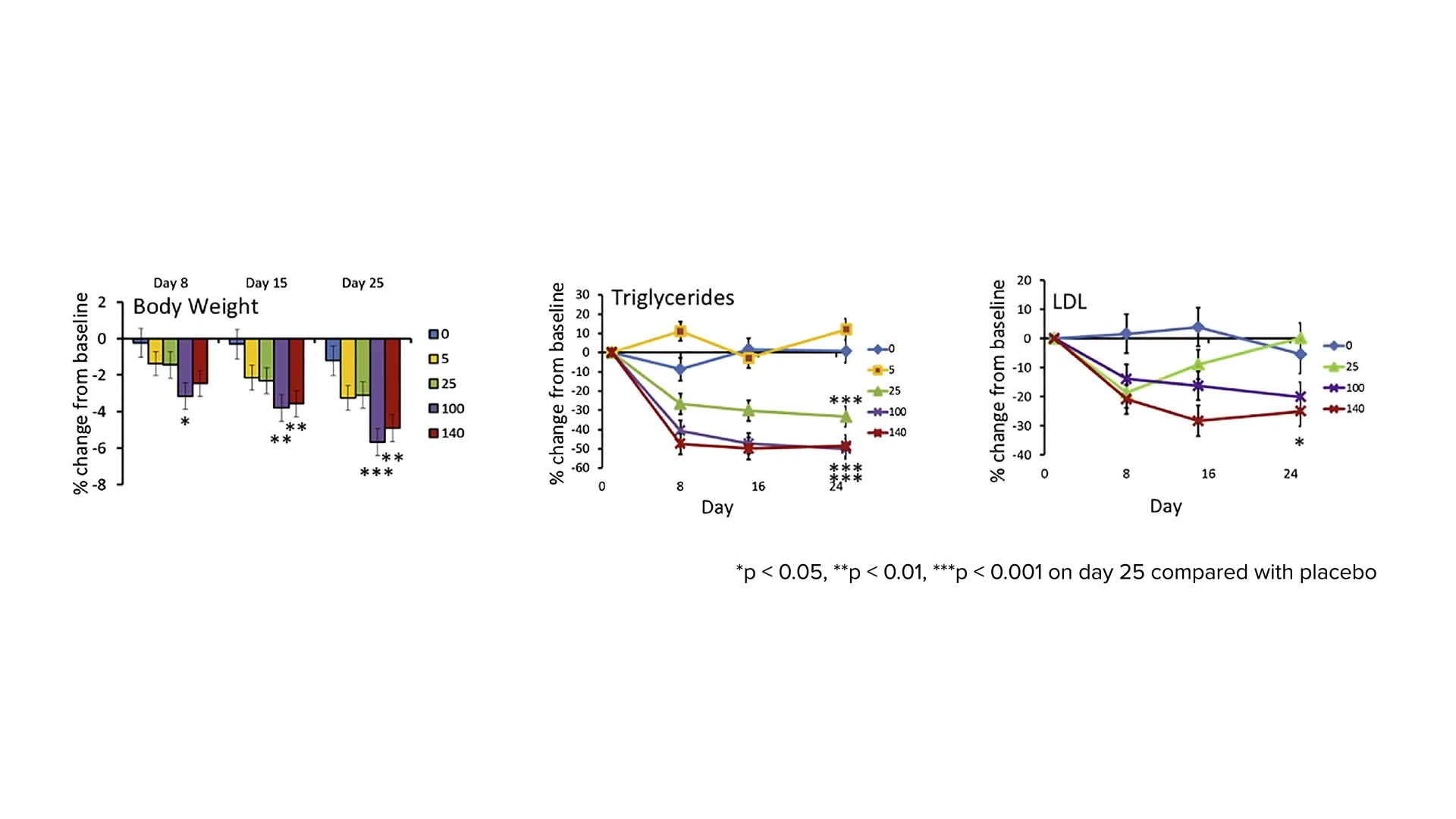
One such investigational compound, PF-05231023, demonstrated promising results in early human trials. Administration of this analog led to an average weight loss of approximately 10 pounds over just 25 days, accompanied by dramatic reductions in triglycerides and cholesterol levels. These outcomes underscored the therapeutic potential of FGF21 analogs in addressing critical components of metabolic syndrome. The initial euphoria, however, was soon tempered by the emergence of side effects associated with these novel drugs. While the specific nature of these adverse reactions was not detailed, the pattern is familiar in drug development: the powerful biological effects that make a compound therapeutically attractive can also lead to unintended physiological consequences. This necessitates rigorous testing and careful balancing of efficacy against safety, a process that can span years or even decades.
Beyond synthetic analogs, other cutting-edge approaches are being explored. One audacious strategy involves gene therapy, where the FGF21 gene itself is packaged into a viral vector and then introduced into the body. The virus acts as a delivery system, stitching the extra FGF21 genes into the recipient’s DNA, theoretically enabling the body to produce elevated levels of the hormone continuously. While promising in its potential for long-term efficacy, gene therapy raises its own set of complex ethical, safety, and regulatory considerations, particularly for non-life-threatening conditions like aging.

Natural Pathways to FGF21 Enhancement: Exercise and Dietary Nuances
Amidst the high-tech pursuits of pharmaceutical and genetic engineering, a more accessible and often safer avenue for boosting FGF21 levels exists: lifestyle interventions. The scientific community has increasingly turned its attention to understanding how everyday choices might naturally modulate this crucial hormone.
The Power of Physical Activity:
One of the most robust and well-documented natural stimulators of FGF21 is physical exercise. This finding adds another layer of understanding to the myriad ways exercise benefits human health. Research has demonstrated that both aerobic and resistance training can significantly elevate FGF21 levels. In a comparative study examining the effects of eight weeks of running training (aerobic exercise) versus eight weeks of weight training (resistance exercise), both modalities proved effective. Resistance exercise, however, slightly edged out aerobic training, yielding a 42% increase in FGF21 compared to a 25% increase in the aerobic group. This suggests that incorporating strength training into a fitness regimen may offer a particularly potent stimulus for FGF21 production, contributing to its broad metabolic and longevity-promoting effects. The mechanisms by which exercise upregulates FGF21 are still being elucidated, but they likely involve complex signaling pathways in muscle and liver tissue in response to energetic demands and cellular stress.
The "Starvation Hormone" Paradox:
FGF21 has also earned the moniker "the starvation hormone" due to its pronounced physiological response to periods of nutrient deprivation. Fasting indeed induces FGF21 expression, representing an adaptive mechanism to help the body cope with energy scarcity by shifting metabolism towards fat utilization. However, the human response to fasting differs significantly from that of other mammals. While mice exhibit a notable increase in FGF21 after as little as six hours of fasting, humans require a much more prolonged period of caloric restriction to achieve a significant surge. Studies indicate that a substantial rise in FGF21 levels in humans typically doesn’t occur until after about a week of fasting. To truly quadruple FGF21 levels, as observed in some research, a sustained fast of around 10 days is required.
This extended duration presents a critical practical challenge: such prolonged fasting is, for most individuals, an unsustainable and potentially risky eating pattern. While intermittent fasting and time-restricted eating have gained popularity for their various health benefits, it’s important to note that the dramatic FGF21 boosts seen with multi-day starvation are unlikely to be achieved through these less extreme approaches. The physiological trade-offs of extreme fasting, including potential nutrient deficiencies and muscle loss, must also be carefully weighed against the theoretical benefits of elevated FGF21.
Dietary Interventions: What Works and What Doesn’t:
Given the challenges of pharmaceutical intervention and prolonged fasting, the question naturally arises: Can specific dietary patterns stimulate endogenous FGF21 production in a sustainable way? The answer, as current research suggests, is complex and, in some cases, counterintuitive.
One popular dietary trend, the ketogenic diet, which emphasizes very low carbohydrate intake and high fat consumption, has been explored for its potential to mimic the metabolic state of fasting. However, studies have largely shown that ketogenic diets do not effectively boost FGF21. In fact, sustained adherence to a ketogenic diet for several months can actually lead to a significant decline in FGF21 levels. This surprising outcome suggests that the metabolic adaptations induced by ketosis, while sharing some superficial similarities with fasting, do not trigger the same FGF21-response pathway in the long term.
Moreover, high-fat diets, whether ketogenic or not, may actively interfere with the FGF21-boosting effects of exercise. Research involving high-intensity interval training (HIIT) has indicated that individuals consuming high-fat diets might not experience the same exercise-induced elevation of FGF21 compared to those on lower-fat diets. This implies that the overall dietary context is crucial and that simply engaging in physical activity might not be enough to optimize FGF21 if dietary choices are counterproductive. The intricate interplay between macronutrient composition, exercise, and hormonal regulation underscores the complexity of metabolic health.
Official Responses and Expert Perspectives: Navigating the Longevity Landscape
The scientific and medical communities have responded to the FGF21 phenomenon with a mixture of excitement and cautious optimism. On one hand, the robust animal data and early human trials of FGF21 analogs have fueled significant investment from the pharmaceutical industry, clearly illustrating "Big Pharma salivating" over the potential for blockbuster drugs that could address multiple chronic diseases simultaneously. This commercial interest, while driving innovation, also raises critical questions about the ethical implications of "drugging" aging and the accessibility of such therapies if they prove successful.
Experts emphasize that while pharmacological interventions hold promise, they must be approached with a thorough understanding of potential side effects and long-term safety profiles. The emergence of adverse reactions in initial analog trials serves as a stark reminder that biological systems are highly interconnected, and manipulating a single hormone can have widespread, sometimes unforeseen, consequences. The scientific community largely advocates for a balanced approach, where research into advanced therapies continues in parallel with a strong emphasis on leveraging natural, sustainable lifestyle interventions.
The consensus among many researchers is that while FGF21 represents a fascinating target, a holistic view of health and longevity remains paramount. Dr. Michael Greger, whose work often champions evidence-based nutrition and lifestyle, consistently highlights the power of diet and exercise as foundational pillars of health. The discovery of FGF21’s responsiveness to exercise, and its resistance to unsustainable dietary fads like prolonged fasting or ketogenic diets, reinforces the enduring message that simple, consistent healthy habits can yield profound physiological benefits, often without the risks or costs associated with pharmaceutical interventions.
Implications and Future Directions: A Holistic Path to a Longer, Healthier Life
The journey to fully understand and utilize FGF21 for human longevity is ongoing. Its discovery has broadened our understanding of metabolic regulation and opened new avenues for therapeutic exploration. The current landscape suggests a dual path: cutting-edge pharmaceutical research striving to create safe and effective FGF21-based drugs, and a concurrent effort to identify and promote natural lifestyle strategies that can sustainably enhance its beneficial effects.
The implications for public health are substantial. If safe and effective pharmacological methods to boost FGF21 are developed, they could revolutionize the treatment of metabolic diseases and potentially extend healthy lifespan. However, the initial findings regarding side effects underscore the need for rigorous testing and careful consideration of long-term impacts.
In the interim, and likely for the foreseeable future, the most actionable and universally beneficial strategies for individuals remain firmly rooted in lifestyle. Regular physical activity, particularly a combination of aerobic and resistance training, stands out as a proven method to naturally increase FGF21 levels, alongside its myriad other health benefits. The insights into what doesn’t work – such as prolonged, unsustainable fasting or high-fat diets – provide valuable guidance, steering individuals towards more balanced and evidence-based approaches to nutrition.
As research continues to unravel the complexities of FGF21 and its role in human physiology, the focus will increasingly shift towards identifying specific dietary components and patterns that can optimally stimulate its production without adverse effects. The next installment in this exploration will delve deeper into precisely what kind of diet can effectively boost FGF21 for longevity, moving beyond the current discussion of what to avoid. The promise of FGF21 is not just in extending life, but in enriching it, ensuring that more years are lived with vitality, free from the burden of chronic disease. The intersection of advanced science and foundational healthy living offers a compelling vision for a longer, healthier future.