The Science of the Perfect Crumb: Mastering Gluten-Free Banana Muffins
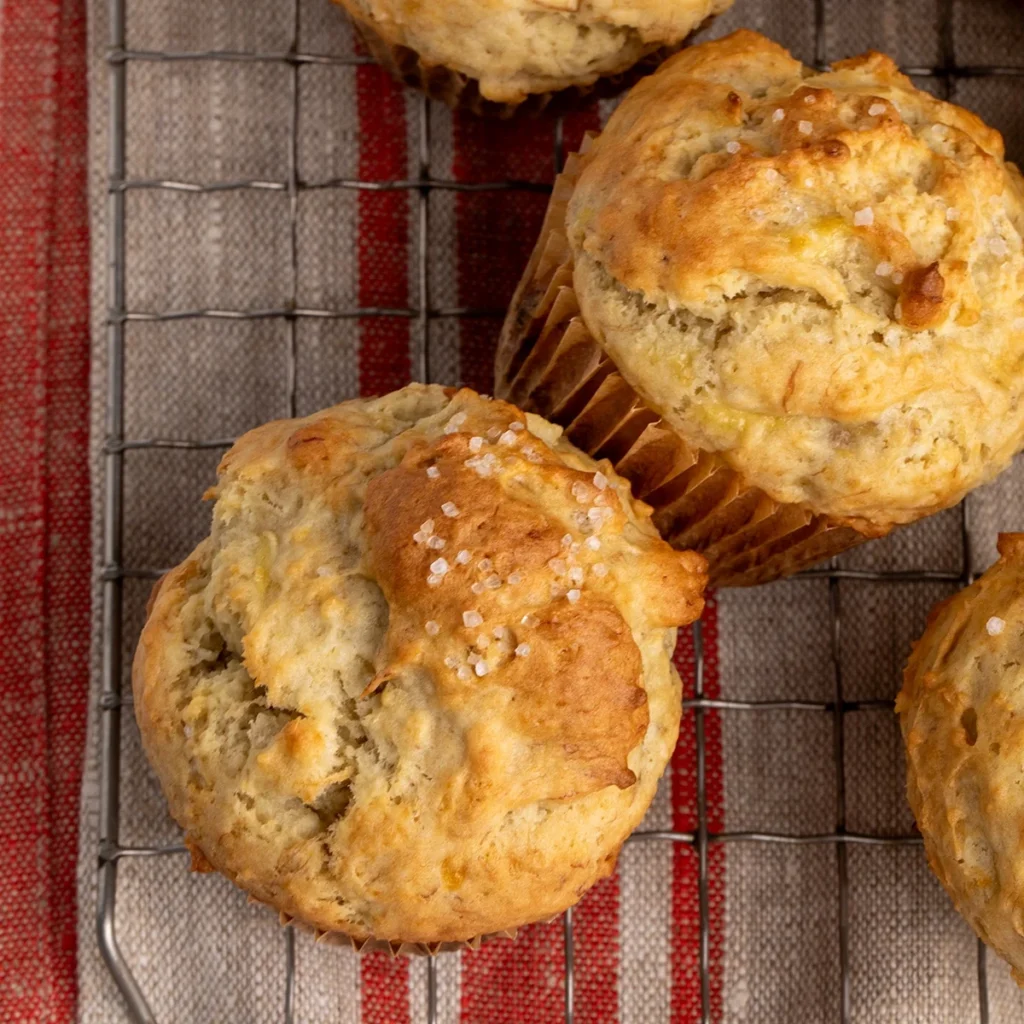
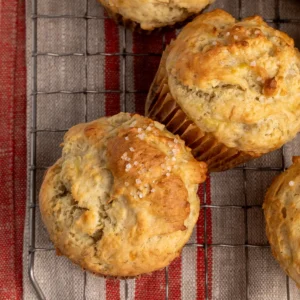
For those navigating the complexities of a gluten-free lifestyle, the quest for the "perfect" baked good is often fraught with disappointment. Too often, gluten-free muffins suffer from a gummy texture, a heavy crumb, or a lackluster flavor profile that leaves much to be desired. However, a new approach to the classic banana muffin is changing the narrative, proving that gluten-free baking does not have to be synonymous with compromise. By combining precise chemical ratios with a high-heat "oven spring" technique, home bakers can now achieve bakery-quality, sky-high banana muffins that hold their own against their wheat-based counterparts.
Main Facts: The Anatomy of a Successful Muffin
The secret to these muffins lies in a carefully calibrated balance of moisture and structure. With nearly two full cups of mashed, overripe bananas, the recipe prioritizes an intense, authentic fruit profile. Yet, the challenge in gluten-free baking is preventing that abundance of fruit from turning the final product into a dense, gelatinous mess.
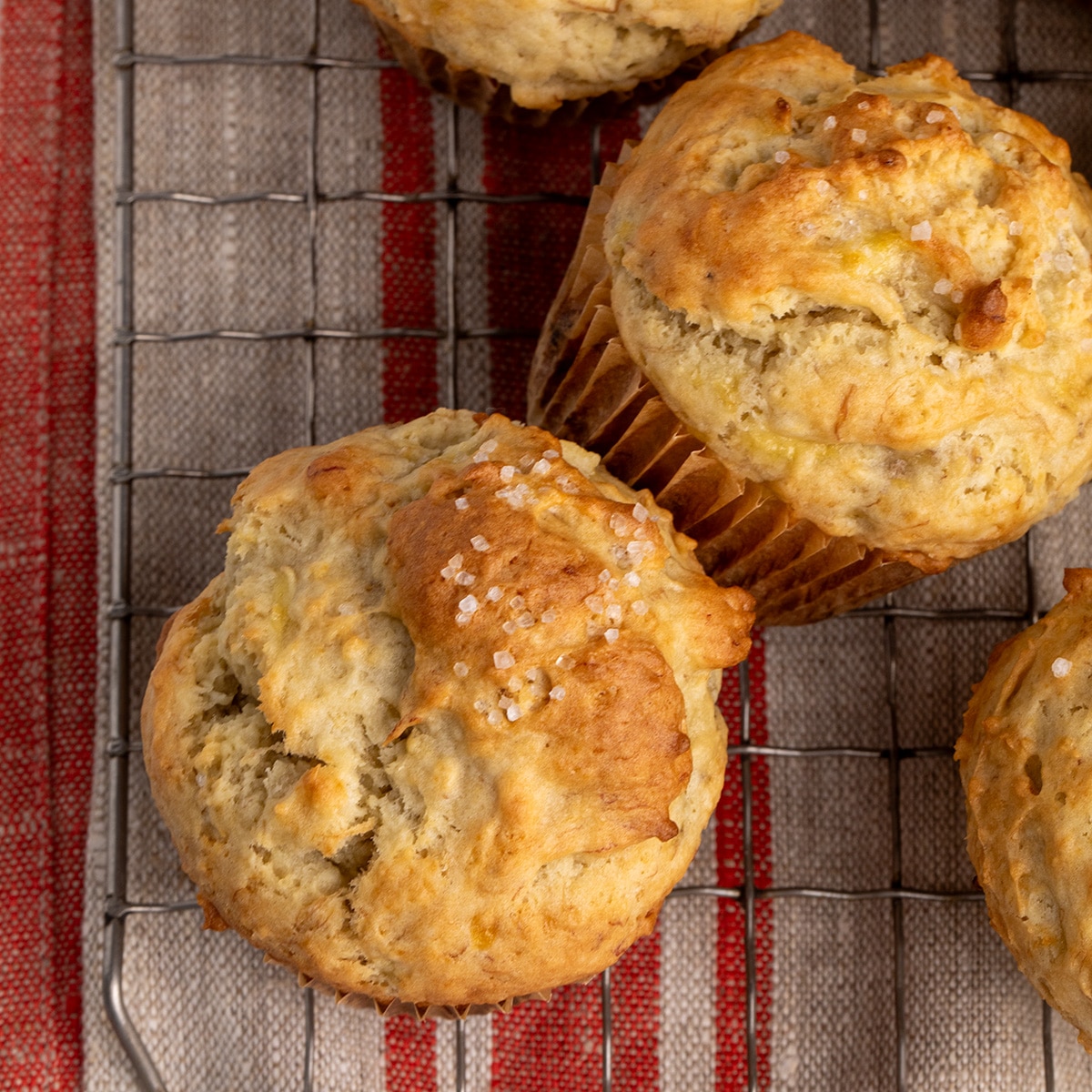
The breakthrough comes from the order of operations. By folding the mashed bananas in at the very final stage of preparation, the recipe avoids over-emulsifying the fruit into the batter. This "late-addition" method preserves the structural integrity of the flour blend, ensuring the crumb remains light, fluffy, and tender. Furthermore, the inclusion of a dual-fat system—utilizing both melted butter for depth of flavor and oil for long-lasting moisture—creates a muffin that remains soft for days, avoiding the rapid staleness that plagues many gluten-free products.
Chronology: The Step-by-Step Evolution of the Batter
Creating these muffins is a process of scientific precision. To understand how these ingredients transform into a golden, domed treat, one must look at the specific stages of preparation:
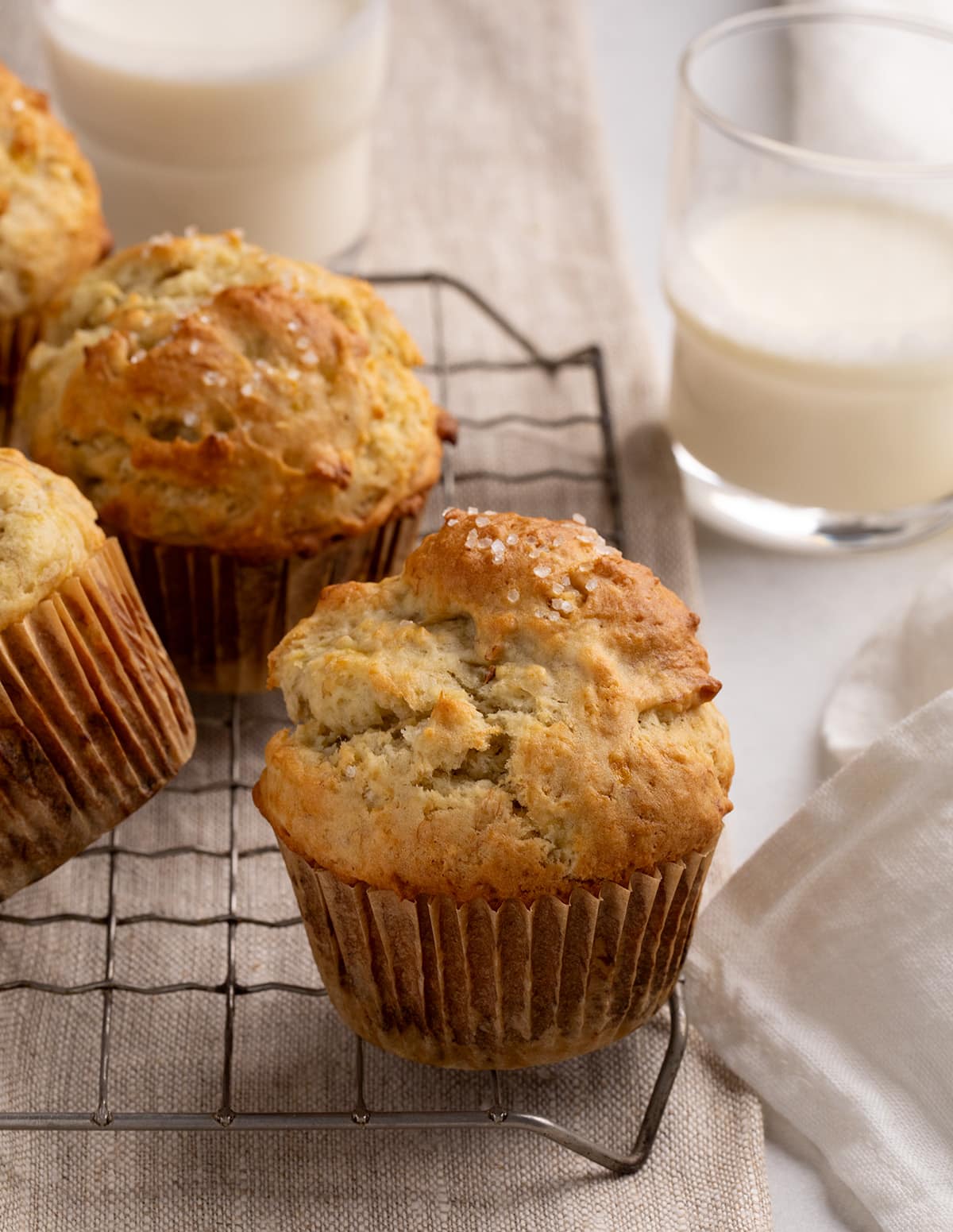
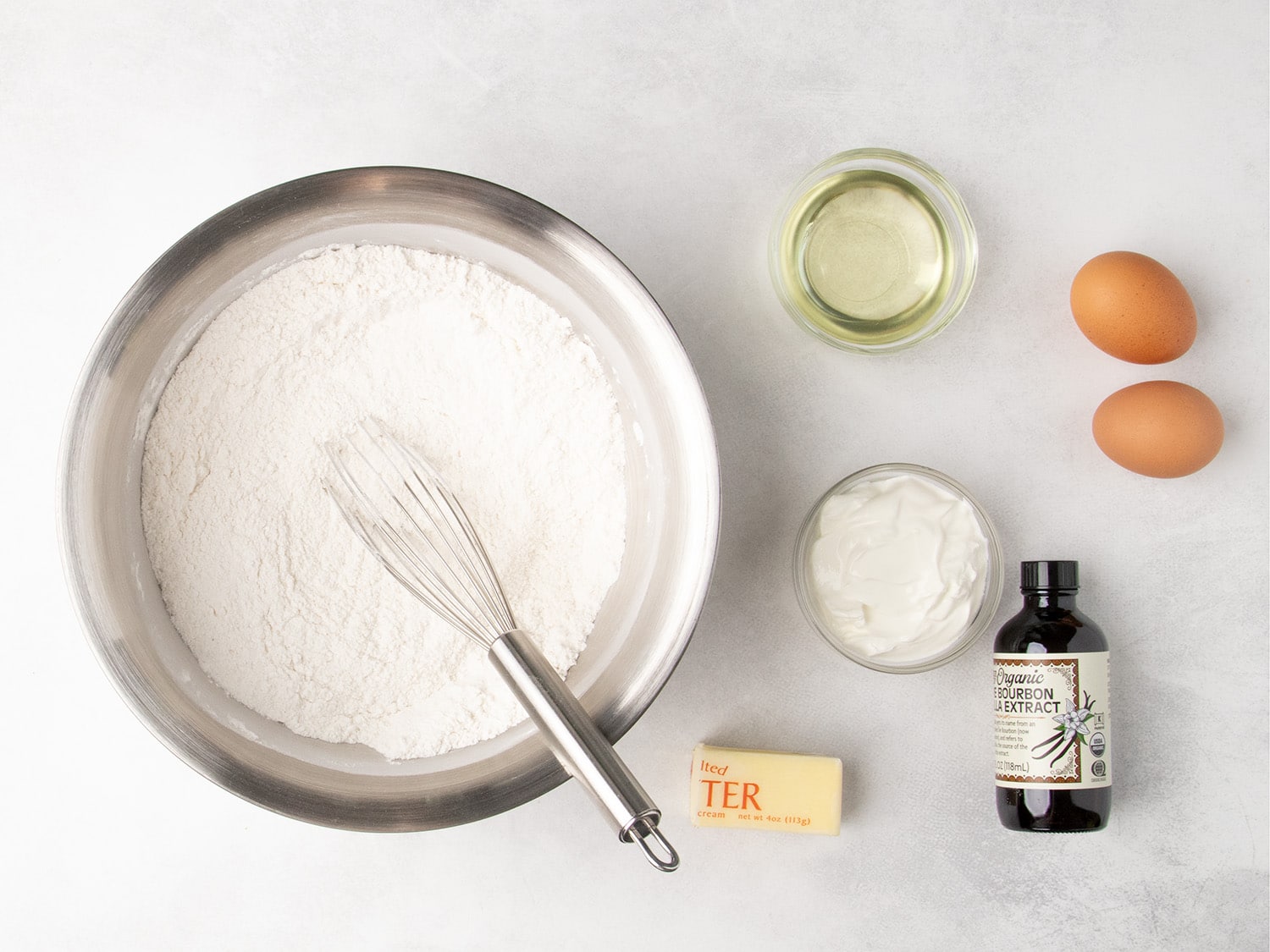
- The Dry Foundation: The process begins in a large mixing bowl where the gluten-free flour blend, leavening agents (baking powder and soda), salt, and sugar are whisked together. This step is critical; it ensures that the leavening is evenly distributed, preventing "clumps" that can cause uneven rising or bitter pockets of baking soda.
- The Wet Integration: A well is created in the center of the dry ingredients to receive the melted butter, oil, eggs, sour cream, and vanilla. By mixing these wet ingredients partially within the dry base—rather than in a separate bowl—the baker simplifies the process while maintaining the viscosity of the batter.
- The Gentle Fold: The mashed bananas are introduced as the final component. Gentle folding is the operative phrase here; aggressive mixing at this stage would crush the banana fibers, releasing excess water and compromising the airy structure of the muffin.
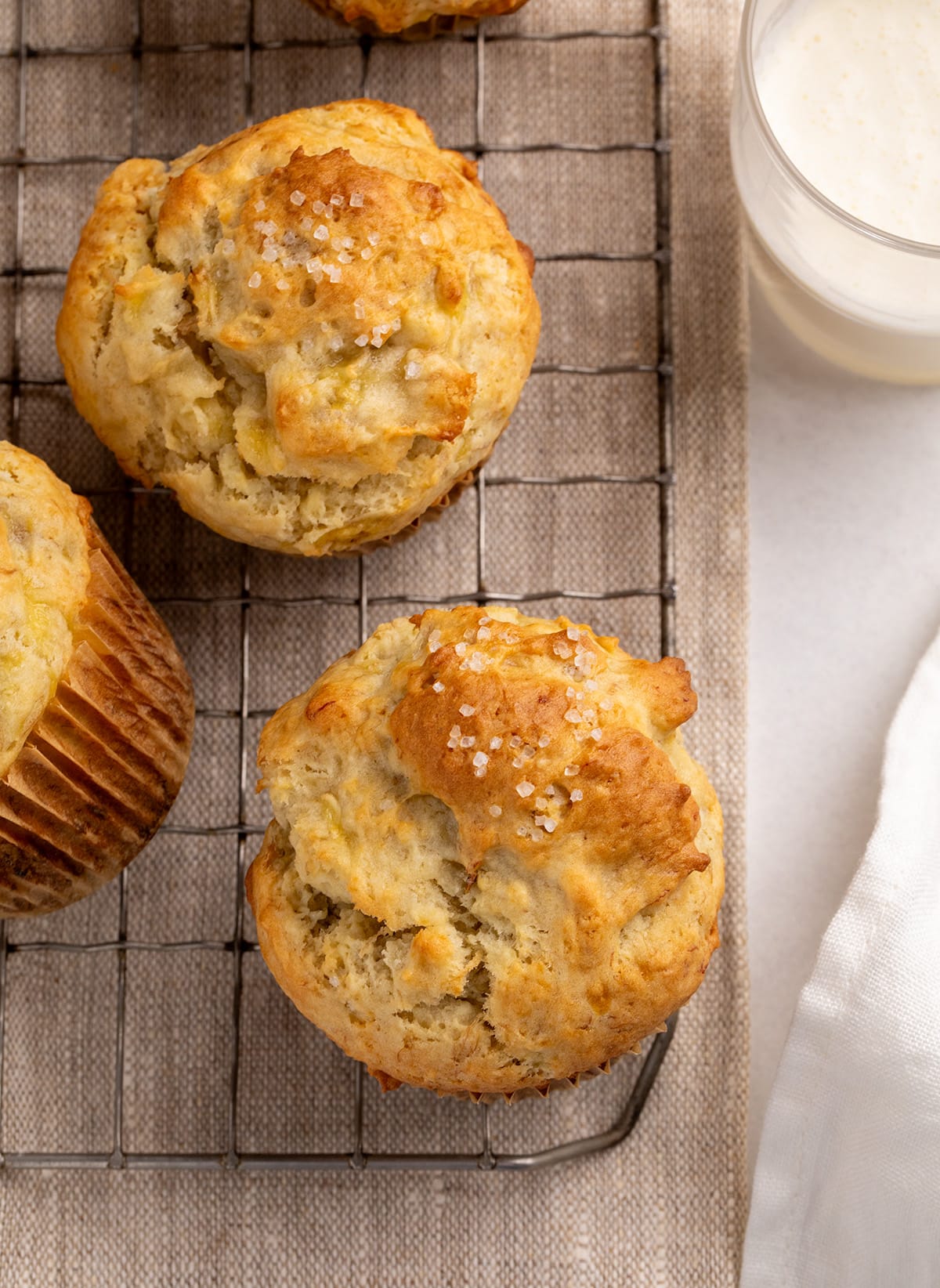
- The Thermal Shock: Once portioned into the tins—using every other well for maximum heat circulation—the muffins undergo a two-stage baking process. They begin at a robust 425°F for five minutes. This "thermal shock" triggers an immediate reaction in the baking powder, forcing the batter to rise rapidly and setting the dome before the internal structure has a chance to collapse.
- The Gentle Finish: The oven temperature is then reduced to 350°F to gently cook the center of the muffins, ensuring they are fully set and golden brown without the exterior burning.
Supporting Data: Nutritional and Dietary Profiles
For the health-conscious consumer, transparency in nutrition is paramount. Each muffin, based on a standard yield of 16, provides approximately 234 calories. While the nutritional content is an approximation, the breakdown highlights a balanced snack: 37g of carbohydrates, 2g of protein, and 8g of fat.
The recipe’s adaptability is one of its strongest attributes. Recognizing that the gluten-free community often overlaps with other dietary needs, the instructions provide clear pathways for modifications:
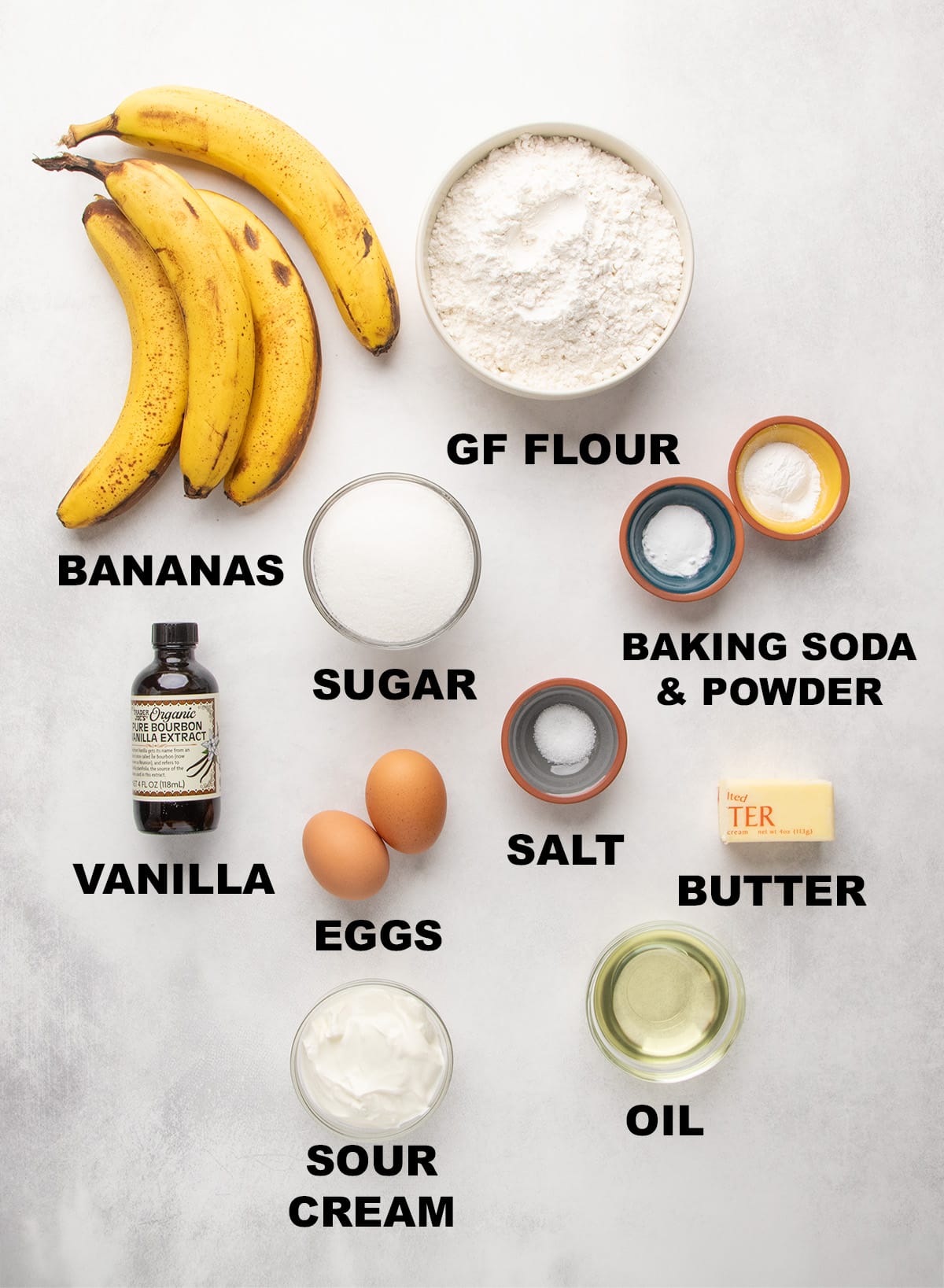
- Dairy-Free: The butter can be swapped for melted, cooled virgin coconut oil, and the sour cream can be replaced with a strained, thick, dairy-free yogurt or a vegan sour cream alternative.
- Egg-Free: The structural role of the two eggs can be successfully replicated using a "chia egg" (ground chia seeds hydrated in water), a commercial egg replacer, or liquid plant-based egg alternatives.
Official Guidelines: Flour Blends and Texture Control
One of the most common pitfalls in gluten-free baking is the selection of the flour blend. The "best" result depends entirely on the specific composition of the flour. Recommendations from industry experts suggest using blends like Better Batter (original blend without added xanthan gum) or Bob’s Red Mill 1-to-1 Baking Flour.
If the chosen blend does not contain xanthan gum—a critical ingredient for mimicking the elasticity of gluten—it is essential to add it manually. Typically, 1/4 to 1 1/3 teaspoons of xanthan gum (depending on the brand and blend) is the difference between a muffin that stays together and one that crumbles into dust upon the first bite.
Implications: The Future of Gluten-Free Baking
The implications of this refined technique extend far beyond the kitchen. As more households transition to gluten-free diets for health or lifestyle reasons, the demand for "normalizing" the baking experience grows. The ability to produce a muffin that does not feel like a "specialty diet" item is a significant victory for inclusivity in food.
Furthermore, the emphasis on storage—specifically the instruction to let the muffins cool for only five minutes before moving them to a wire rack—addresses a common issue: the "steaming" effect. Leaving muffins in the tin for too long causes moisture to trap, leading to a soggy, chewy liner. By following these specific temporal guidelines, home bakers can achieve a consistent, professional result that challenges the long-standing stigma surrounding gluten-free textures.
Expert Tips for Consistent Success
To ensure consistent success, bakers should pay close attention to the following expert-vetted tips:
- Frozen Banana Protocol: If using frozen bananas, ensure they are fully thawed. The liquid released during the thawing process contains essential sugars and moisture; discard nothing. Incorporating the entire contents of the bag is vital for the correct moisture balance.
- The Sinking Problem: If your muffins collapse as they cool, it is a clear indicator of underbaking. A common cause is an oven that does not hold a consistent temperature. An external oven thermometer is an inexpensive tool that can save a batch of muffins from becoming a dense, raw-centered disappointment.
- Mini Muffin Variations: This base recipe is highly versatile. For those seeking a smaller format, a 24-cup mini-muffin tin works perfectly. Simply bake at 350°F for the entire duration, checking for doneness at the 15-minute mark.
- Flavor Customization: While the banana is the star, the base is highly amenable to additions. Adding up to 1/2 cup of dark chocolate chips or toasted walnuts adds texture, while a teaspoon of ground cinnamon can provide a sophisticated, warm depth that complements the sweetness of the fruit.
As the science of gluten-free baking continues to evolve, techniques like these—which prioritize both the chemical properties of ingredients and the physical environment of the oven—are setting a new standard. Whether for a quick breakfast or a sophisticated brunch, these muffins serve as a reminder that with the right approach, the limitations of a restricted diet can disappear, leaving behind nothing but the joy of a perfectly baked treat.