The Soul of Spain: An Insider’s Five-Day Guide to Mastering Madrid

Home to approximately 3.5 million residents, Madrid is not merely the political and financial capital of Spain; it is the country’s pulsating, cultural heartbeat. While coastal cities like Barcelona often capture the international spotlight, Madrid commands a different kind of respect. It is a sprawling metropolis defined by its imperial architecture, world-class art institutions, and a legendary nightlife that operates on a schedule entirely its own. With over 10 million visitors flocking to the city annually, the sheer volume of sights can be overwhelming for the uninitiated.
To understand Madrid, one must first surrender to its pace. This is a city of night owls, where the rhythm of life slows down to accommodate long, languid lunches and evening social hours that stretch toward dawn. By embracing this deliberate, unhurried lifestyle, visitors can peel back the layers of a city that is as "cool" as it is historic.
The Madrid Experience: By the Numbers
- Population: ~3.5 million in the city proper.
- Annual Visitors: Over 10 million, making it a primary European tourism hub.
- Cultural Density: Home to the "Golden Triangle of Art," including the Prado, the Thyssen-Bornemisza, and the Reina Sofía.
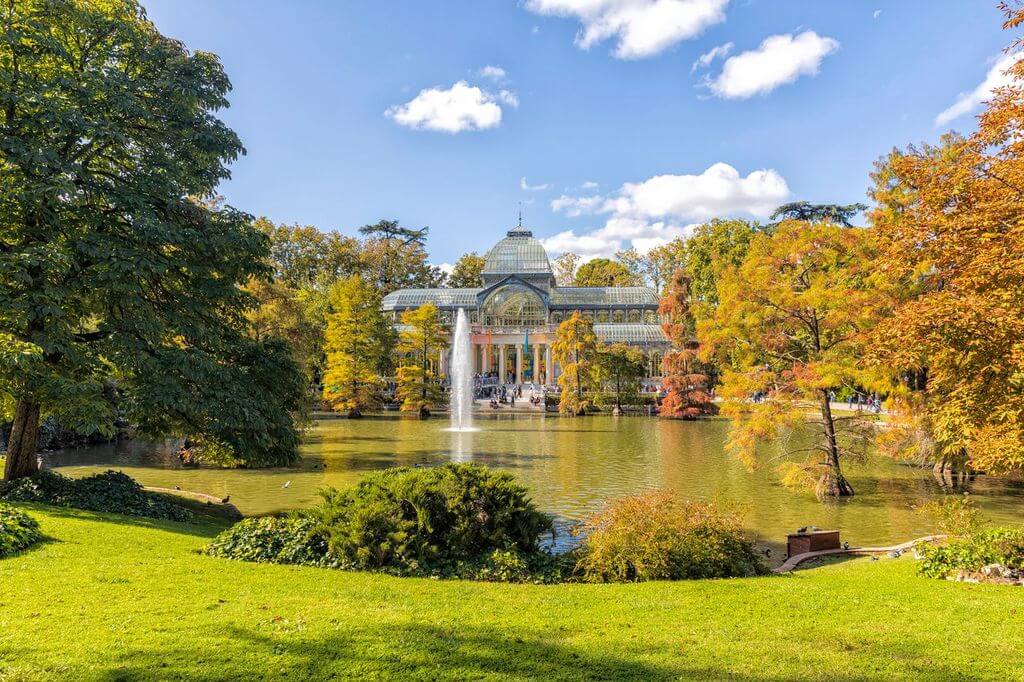
- UNESCO Status: The "Paisaje de la Luz" (Landscape of Light), encompassing the Paseo del Prado and El Retiro Park, was designated a UNESCO World Heritage site in 2021.
- Historical Significance: The city’s core, Madrid de los Austrias, preserves the medieval and Renaissance layout of the Habsburg dynasty.
A Five-Day Immersion: A Chronological Guide
Day 1: The Golden Triangle of Art
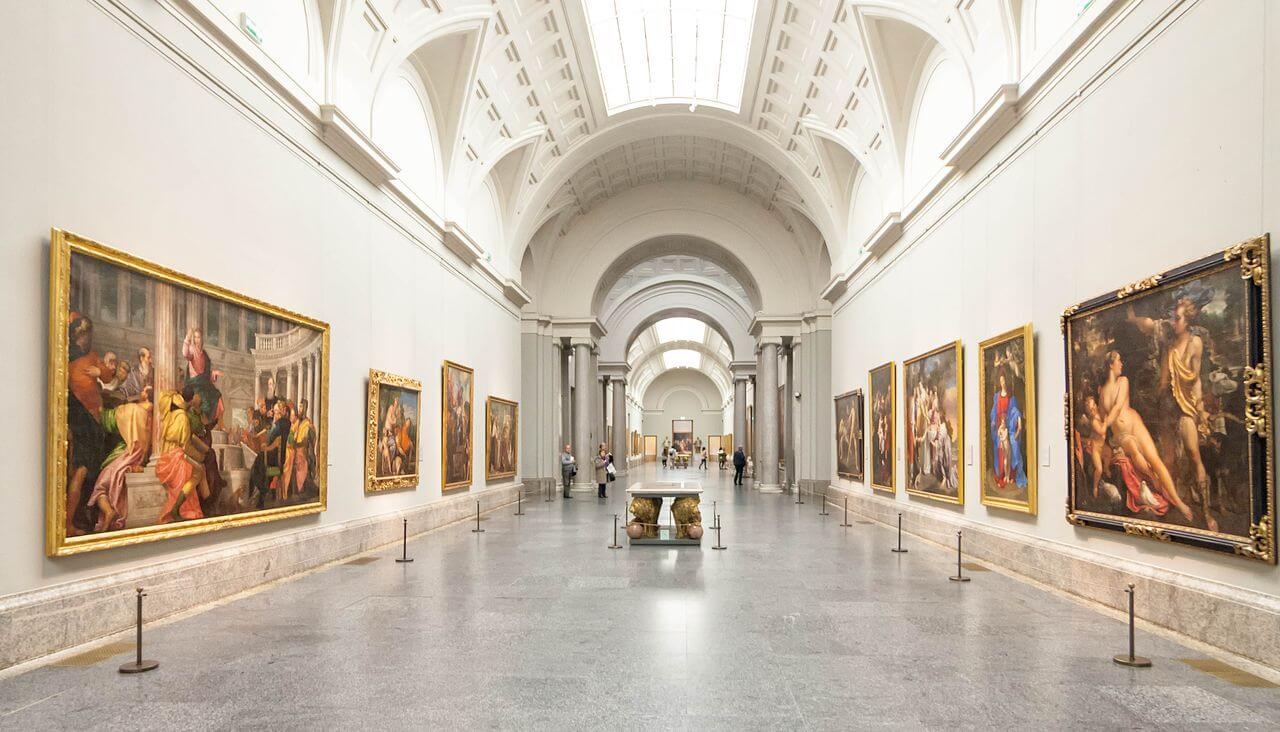
The journey begins in the UNESCO-designated Paisaje de la Luz, a district housing over 40 monuments and historic structures. Your starting point is the Prado Museum, arguably one of the most significant art repositories in the world. Housing masterpieces by El Greco, Velázquez, and Goya, the museum requires a significant time investment.
Ten minutes away via the tree-lined Paseo del Prado, you will find the Thyssen-Bornemisza Museum, which provides a bridge between the Renaissance and modern Pop Art. The day culminates at the Reina Sofía, the sanctuary of modern art. Its centerpiece, Picasso’s Guernica, remains the world’s most poignant anti-war statement.
For dining, avoid the tourist traps. Seek out Taberna La Fragua de Vulcano for traditional cocido madrileño, or the garden terrace at Arzábal for refined croquetas. If you prefer history with your meal, Bodega de los Secretos offers an atmospheric dining experience inside restored 17th-century wine caves.
Day 2: The Grandeur of the Habsburg Era
Day two is dedicated to Madrid de los Austrias. Begin at Puerta del Sol, the geographic heart of Spain. Here, you will find "Kilometer Zero"—the official starting point for the nation’s road network—and the iconic Bear and the Strawberry Tree statue, a symbol of the city’s coat of arms.
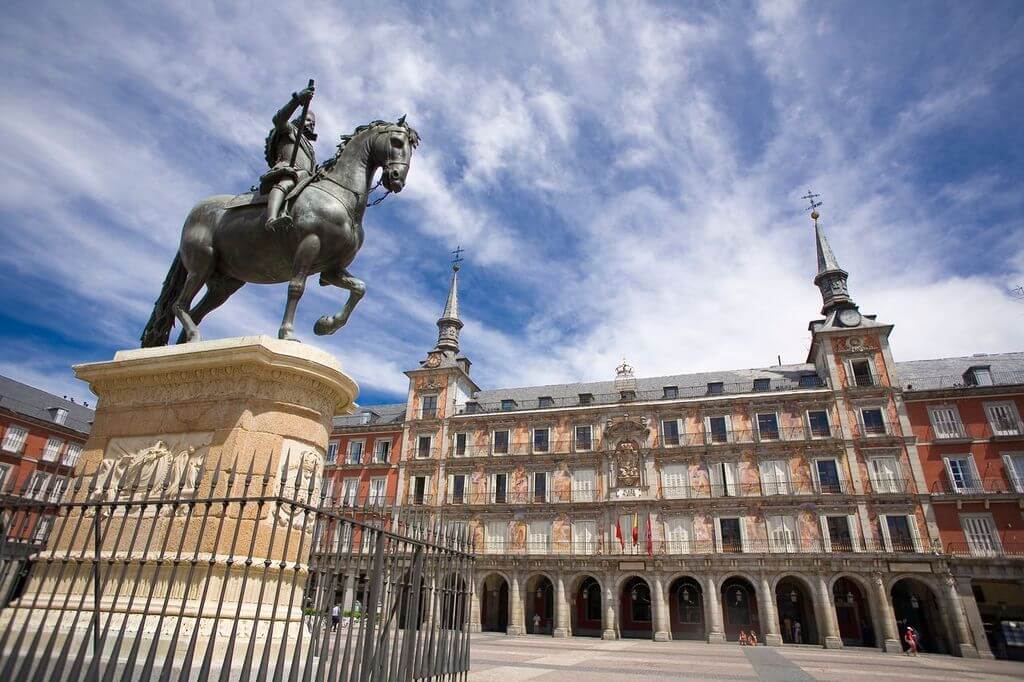
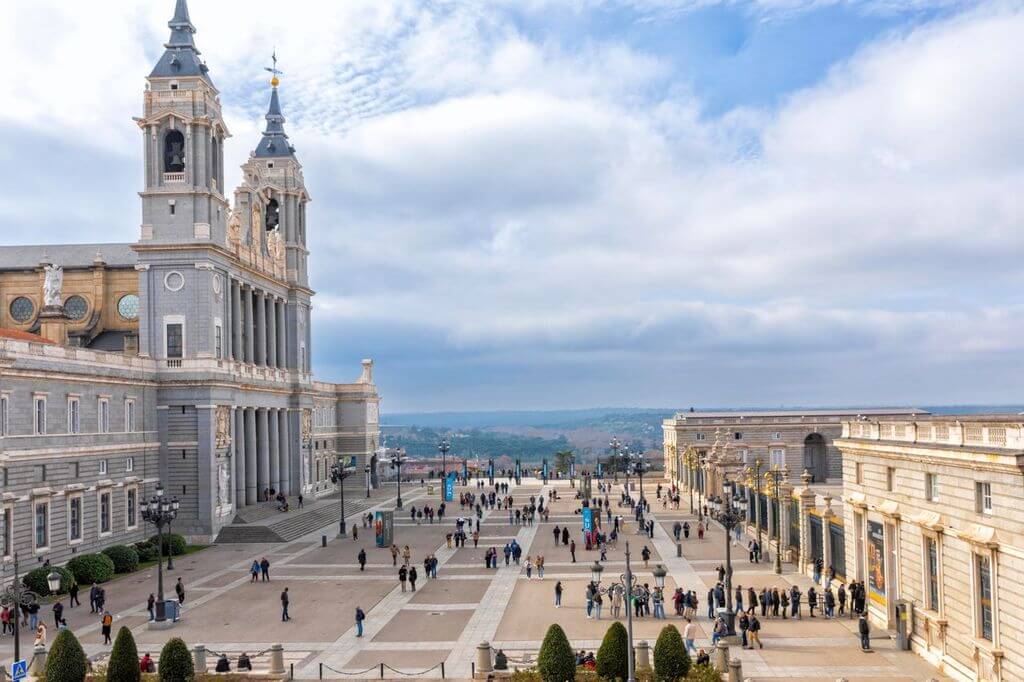
A short walk leads to the Plaza Mayor, a grand porticoed square that once served as a theater for bullfights, public executions, and royal proclamations. Today, it remains the city’s most picturesque living room. After a local calamari sandwich in the nearby alleys, proceed to the Royal Palace of Madrid. As the largest palace in Western Europe, its 3,400 rooms reflect the opulence of the 18th-century Baroque period. Conclude your day at the Almudena Cathedral, a structure that blends Neo-Classical and Neo-Romanesque styles, offering unparalleled views of the city from its dome.
Day 3: A Culinary Pilgrimage
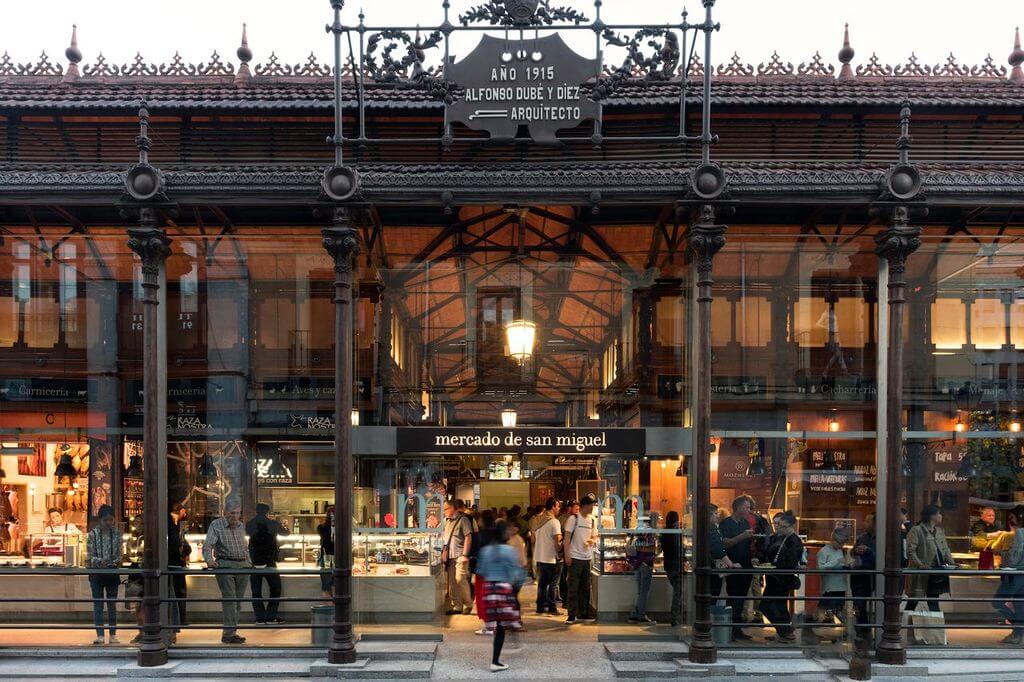
Madrid is a gastronomic capital. Rather than relying solely on guided tours, traverse the city’s iconic markets. The Mercado de San Miguel is the gold standard for gourmet tapas, while Mercado de San Antón in Chueca and Mercado de Vallehermoso offer a more authentic, neighborhood-centric experience.
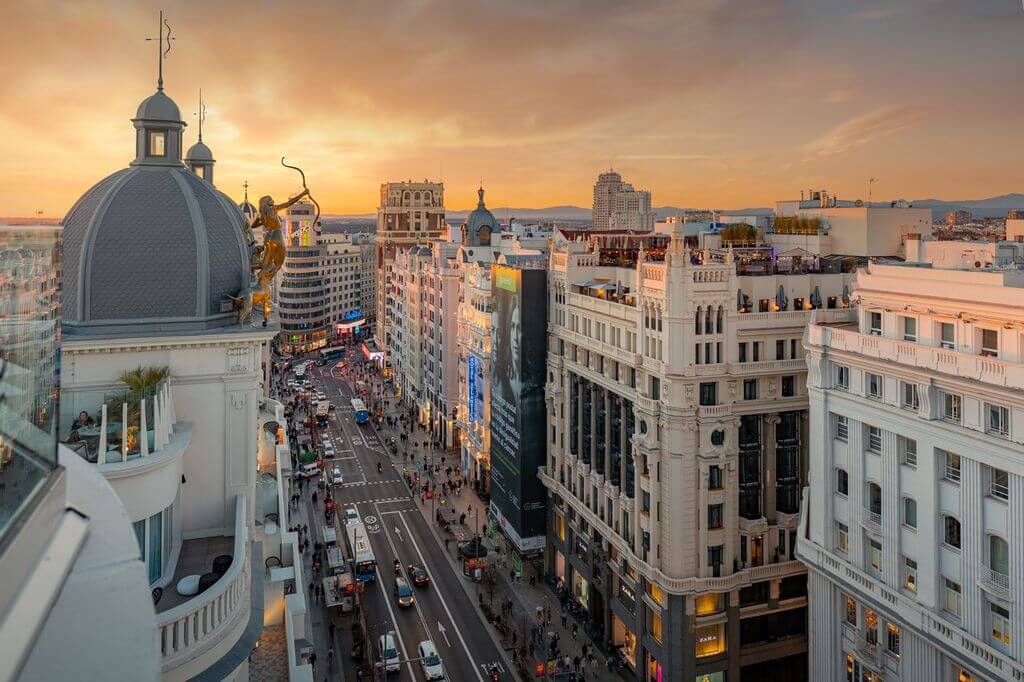
For dinner, history enthusiasts should book a table at Sobrino de Botín, certified by Guinness World Records as the oldest restaurant in the world—and a known favorite of Ernest Hemingway. If the goal is a more modern, social experience, engage in "tapas crawling" through the historic streets of La Latina. As evening falls, ascend to the Gran Vía to experience the city’s sophisticated rooftop culture at venues like Picalagartos or the RIU 360º sky bar.
Day 4: Exploring UNESCO Wonders Beyond the City
Madrid serves as the perfect base for exploring Spain’s deep history. A one-hour trip brings you to the Monastery of San Lorenzo de El Escorial, an austere imperial complex commissioned by Philip II. Alternatively, the Royal Palace and Gardens of Aranjuez provide a lush, Versailles-like experience, while the medieval university city of Alcalá de Henares—the birthplace of Miguel de Cervantes—offers a window into the Spanish Golden Age.
Day 5: Hidden Treasures and Local Rhythms
On your final day, retreat to the city’s quieter corners. The Monastery of Las Descalzas Reales and the Royal Monastery of La Encarnación are "hidden" palaces that house breathtaking religious art and royal relics within cloistered walls.
Finally, escape the urban density by visiting Casa de Campo. Once a royal hunting ground, this 17-square-kilometer park is the lungs of Madrid. Enjoy a farewell meal at a lakeside terrace, watching the sunset reflect off the Royal Palace and the cathedral—a final, lasting image of a city that balances its imperial past with a vibrant, modern future.
Implications for the Modern Traveler
The shift in Madrid’s tourism strategy—emphasizing UNESCO heritage, cultural "House Museums" like the Sorolla, and a burgeoning plant-based culinary scene—indicates a city that is maturing. It is no longer just a transit point; it is a destination that demands a multi-day commitment.
Economic and Logistical Tips
For those planning an expedition to Madrid, logistical efficiency is key:
- Transport: Utilize Skyscanner for optimal flight paths into Madrid-Barajas Airport, which serves as a major gateway for international arrivals.
- Stay: Whether you choose high-end hotels or budget-friendly hostels via Hostelworld or Booking.com, prioritize proximity to the Metro. Madrid’s public transport is one of the most efficient in Europe.
- Security and Peace of Mind: Regardless of your experience level, travel insurance is non-negotiable. Unexpected cancellations or medical issues in a foreign capital can be costly; ensure your policy covers the full duration of your stay.
- Resource Planning: For those who wish to avoid the "tourist traps," lean on reputable, in-depth guidebooks that cut through the marketing fluff to provide actionable, budget-conscious advice.
Final Thoughts
Madrid is a city that rewards the curious. It does not shout its beauty from the rooftops like Paris or Rome; instead, it waits for you to discover it in the quiet courtyards of a monastery, the bustling atmosphere of a local market, or the late-night energy of a tapas bar. By following this itinerary, you move beyond the surface-level sightseeing, securing a deeper, more authentic connection to the Spanish capital. Whether you are an art historian, a culinary enthusiast, or a casual traveler, Madrid provides an unparalleled canvas of history, culture, and life.