The Ultimate Guide to Sheet Pan Teriyaki Chicken: Mastering the Art of Balanced Meal Prep
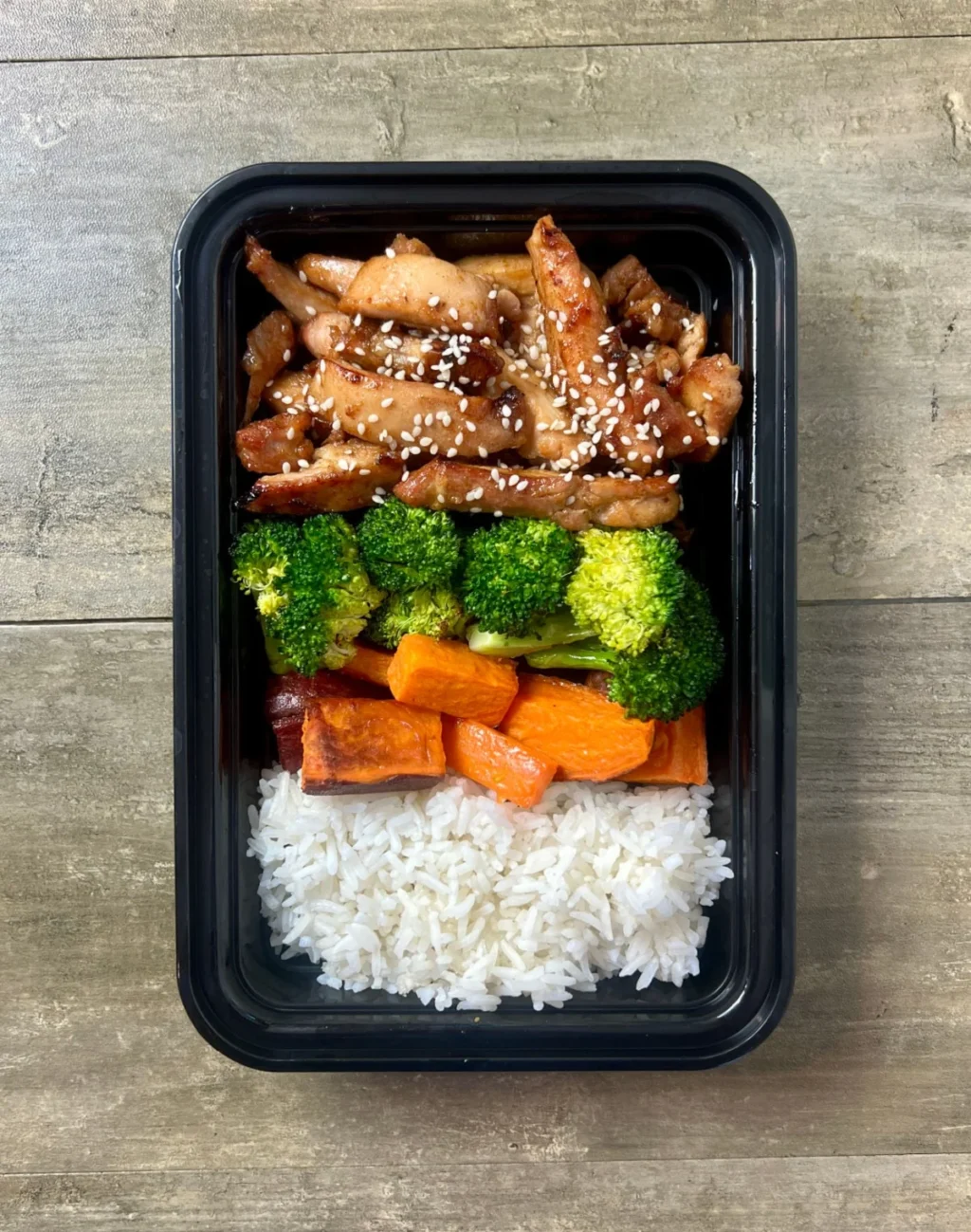
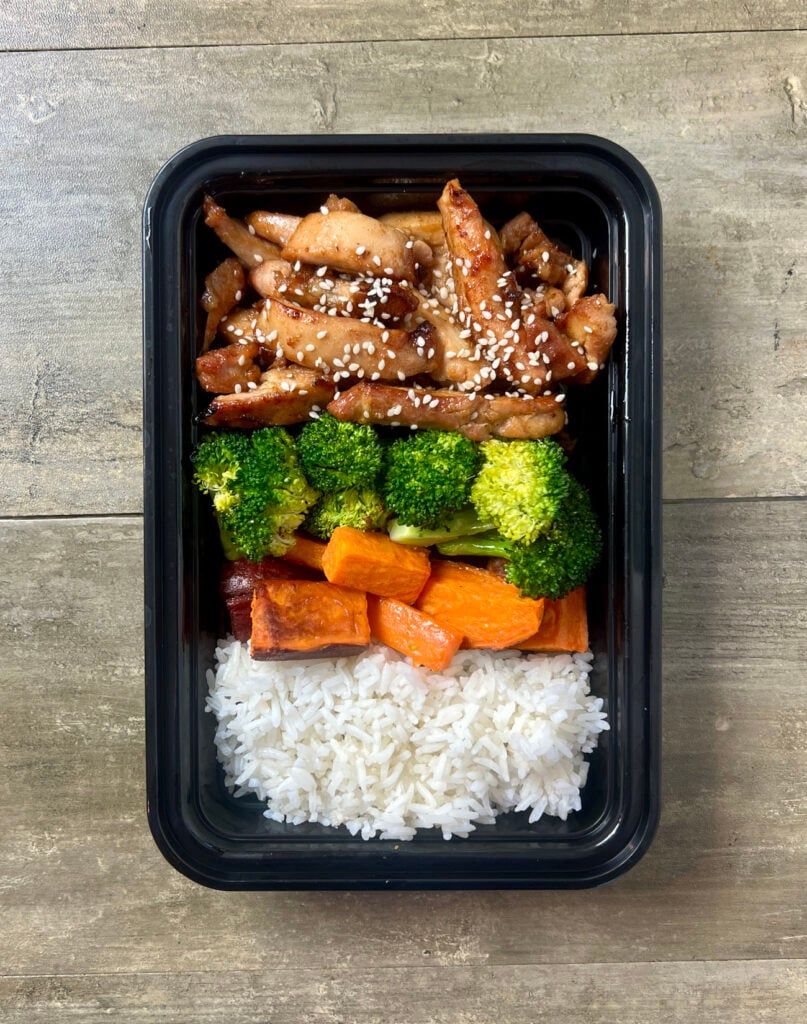
In the modern culinary landscape, the intersection of health, efficiency, and flavor has become the primary battleground for home cooks. As the demand for high-protein, nutritionally dense, and time-saving meals continues to climb, the "Sheet Pan Teriyaki Chicken and Vegetables" recipe has emerged as a gold standard in the meal prep community. This comprehensive guide explores why this specific dish—which balances baked chicken thighs, roasted sweet potatoes, and broccoli—has become a staple for those looking to optimize their weekly nutrition without sacrificing the joys of a savory, restaurant-quality meal.
Main Facts: The Anatomy of a Perfect Meal Prep Dish
At its core, the Sheet Pan Teriyaki Chicken is a triumph of logistical cooking. Designed to be prepared in bulk, the recipe yields five distinct servings, making it an ideal candidate for individuals seeking to streamline their work-week lunches or dinners.
The nutritional profile is intentionally robust. Each serving contains approximately 550 calories, meticulously balanced to fuel an active lifestyle:
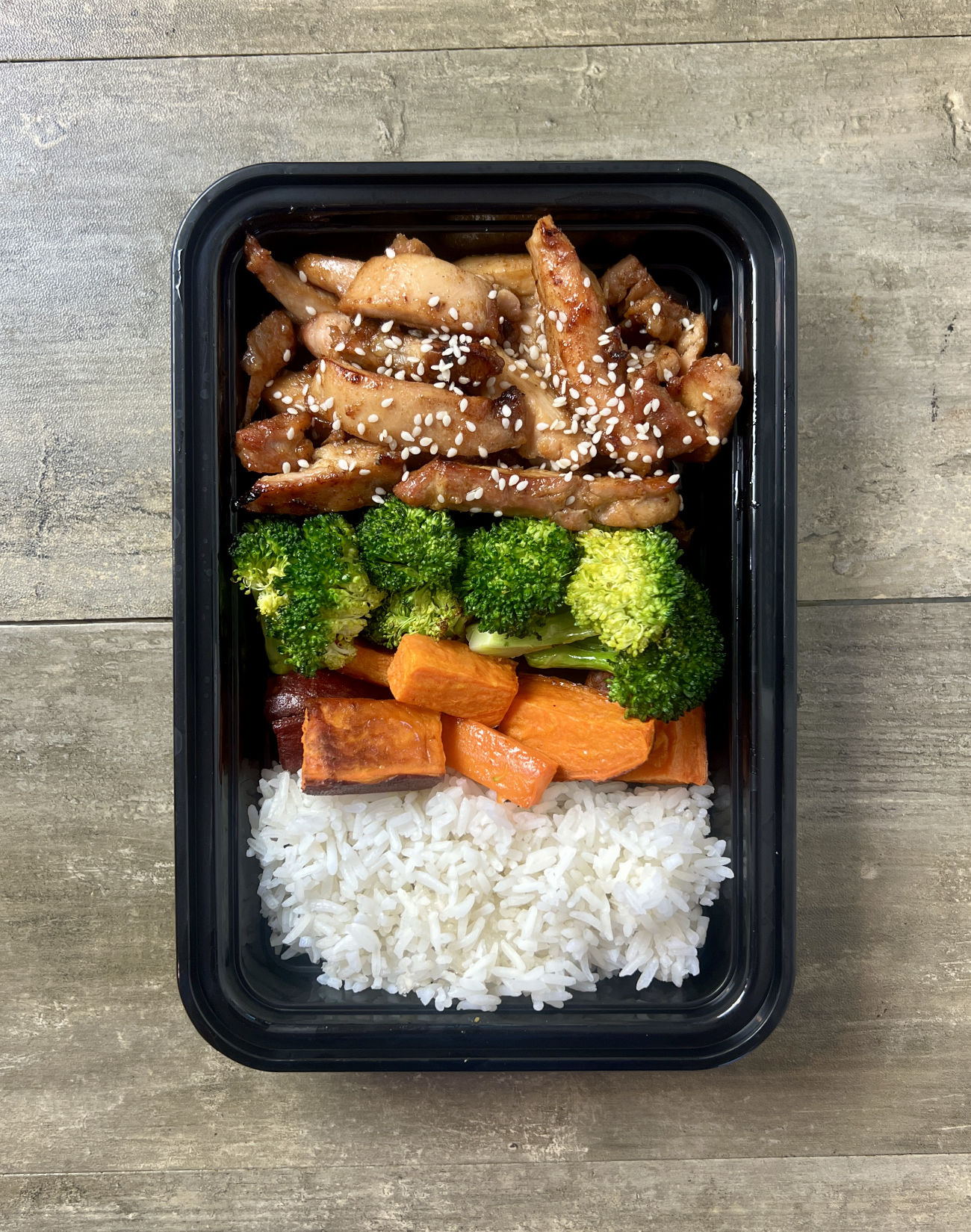
- Carbohydrates: 62g (primarily from the sweet potatoes and rice)
- Protein: 44g (sourced from high-quality chicken thighs)
- Fat: 14g (derived from the natural fats in the chicken and lean cooking methods)
- Fiber: 4.94g (provided by the nutrient-dense broccoli and tubers)
The genius of this dish lies in its simplicity. By utilizing a single sheet pan for the bulk of the roasting process, the cook minimizes cleanup while maximizing the Maillard reaction—that essential browning process that imparts deep, umami-rich flavors to both the poultry and the vegetables.
Chronology: From Prep to Plate in 60 Minutes
The total time required for this recipe is one hour, split between 20 minutes of active preparation and 40 minutes of hands-off cooking. Understanding the chronology of this process is key to achieving the perfect texture.
The Prep Phase (0–20 Minutes)
The preparation begins with the starch—typically rice—which should be set to simmer or placed in a rice cooker to ensure it is fluffy and ready for the final assembly. During this time, the chicken thighs should be trimmed of excess connective tissue and patted dry to ensure optimal browning. Vegetables, specifically the broccoli florets and sweet potato cubes, should be cut into uniform sizes to ensure they roast at an even rate.
The Cooking Phase (20–60 Minutes)
The cooking phase is where the "sheet pan" methodology truly shines.
- Roasting: The seasoned chicken and vegetables are placed on a high-heat sheet pan. The oven, preheated to a consistent temperature, begins to caramelize the sugars in the teriyaki glaze.
- Broiling: The final five to ten minutes are critical. By switching the oven to the "broil" setting, the cook achieves a charred, slightly crispy edge on the chicken skin and a tender-crisp texture for the broccoli. This transition from baking to broiling is the secret to elevating a basic meal prep dish into a culinary experience.
- Resting and Assembly: Once removed from the heat, the chicken must rest for a few minutes to redistribute juices. Finally, the components are partitioned into meal prep containers, ensuring each serving remains balanced and appealing.
Supporting Data: Why This Combination Works
The popularity of the Sheet Pan Teriyaki Chicken is not merely a trend; it is supported by the principles of culinary science.
The Synergistic Pairing of Macronutrients
The combination of chicken thighs and sweet potatoes provides a sustained energy release. Unlike chicken breasts, which can easily become dry during reheating, chicken thighs retain moisture due to their higher intramuscular fat content. When paired with the complex carbohydrates found in sweet potatoes, the meal provides a stable glycemic response, preventing the "afternoon slump" often associated with refined carbohydrate-heavy lunches.

The Micronutrient Density
Broccoli is a nutritional powerhouse, providing high levels of Vitamin C, Vitamin K, and sulforaphane. When roasted at high temperatures, the broccoli develops a nutty, savory profile that pairs perfectly with the sweet and salty notes of a traditional teriyaki sauce. The inclusion of these vegetables ensures that the meal is not just calorically sufficient, but micronutritually dense.
Official Perspectives: The Philosophy of Sustainable Eating
Leading nutritionists and meal prep experts have long advocated for the "Sheet Pan Method" as a remedy for "decision fatigue." According to experts in the meal prep field, the primary reason individuals abandon healthy eating plans is not a lack of willpower, but a lack of preparation.
"When you have a delicious, high-protein meal already waiting in your refrigerator, the barrier to making a healthy choice is significantly lowered," notes one culinary strategist. "The Sheet Pan Teriyaki Chicken works because it mimics the flavor profile of takeout—salty, sweet, and satisfying—while maintaining complete control over the quality of ingredients."

The shift toward home-cooked, pre-portioned meals represents a broader cultural move away from processed convenience foods. By choosing to prep, individuals are not only saving money but are also actively managing their sodium and sugar intake—two variables that are notoriously difficult to control in commercial teriyaki dishes.
Implications: The Future of Weekly Meal Management
The implications of adopting a meal prep routine centered on versatile dishes like this one are profound. Beyond the obvious financial savings, there is a psychological benefit to "automated eating." By removing the daily requirement to decide what to eat, individuals can reallocate their mental energy toward more productive tasks.
Scaling for Success
The recipe is highly scalable. For families or individuals with higher caloric requirements, the base recipe can be doubled or tripled, provided the cook has enough sheet pans. The key to successful scaling is to avoid overcrowding the pan; if the ingredients are too packed, they will steam rather than roast, resulting in a soggy final product.

Customization and Longevity
One of the most appealing aspects of this dish is its adaptability. Those looking for a lower-carb profile can swap the sweet potatoes for cauliflower or zucchini. Those seeking more plant-based fiber can incorporate chickpeas or bell peppers into the sheet pan roast.
Furthermore, the longevity of this dish is excellent. When stored in airtight, BPA-free containers, the chicken and vegetables maintain their structural integrity and flavor profile for up to four days in the refrigerator. For those who need to prep for a full week, the meal is also freezer-friendly, provided it is consumed within one month to prevent freezer burn.
Conclusion: A Culinary Standard for the Modern Era
The Sheet Pan Teriyaki Chicken and Vegetables represents the perfect intersection of culinary form and function. By respecting the nuances of roasting temperatures, the quality of protein, and the balance of macronutrients, the home cook can transform their weekly routine from a chore into a ritual.

As we look toward the future of nutrition, the emphasis will continue to shift toward transparency and efficiency. This recipe serves as a blueprint for that future—a reminder that healthy, delicious, and convenient food does not need to be mutually exclusive. Whether you are a fitness enthusiast tracking every gram of protein or a busy professional simply looking for a reliable lunch, this dish provides the foundation for success.
By mastering the simple steps outlined—the initial prep, the strategic roasting, and the final assembly—you are not just cooking a meal; you are investing in your long-term health and efficiency. So, preheat your oven, grab your sheet pan, and join the thousands of home cooks who have found that the secret to a better week is often found in a simple, well-prepared meal.