The Rise of the Waffle Stick: A Culinary Evolution in Toddler Nutrition
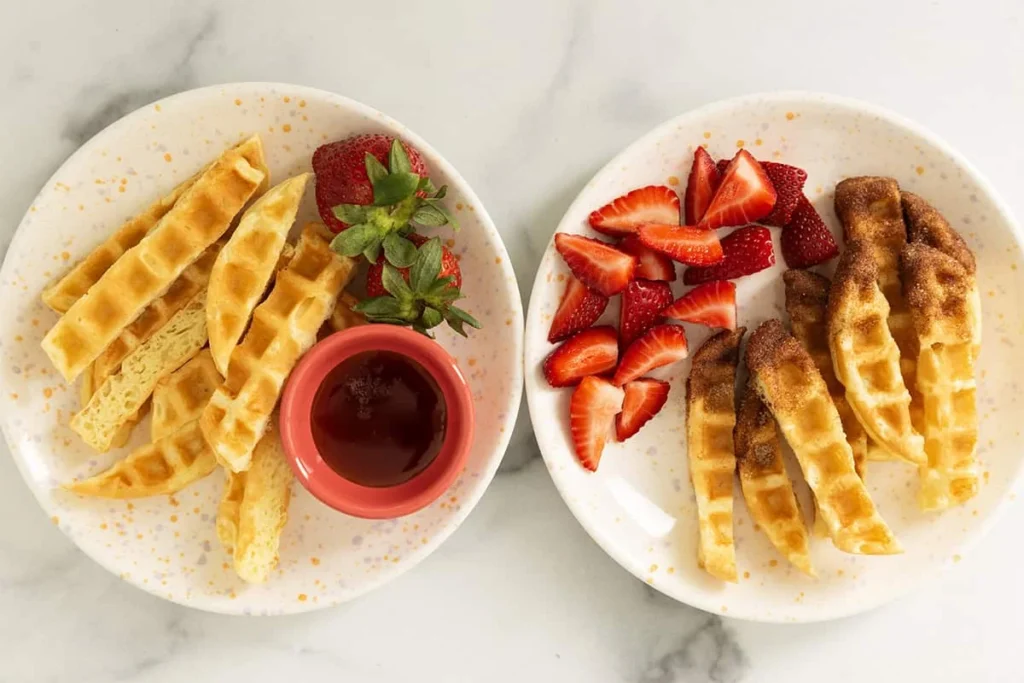
In the ever-evolving landscape of family meal planning, few trends have demonstrated the staying power and versatility of the "waffle stick." What was once a niche breakfast novelty has transformed into a staple of modern parenting, offering a clever solution to the perennial challenges of picky eating, the demands of baby-led weaning, and the need for efficient, nutrient-dense meal preparation. By reimagining the traditional round waffle through a structural lens, parents and home cooks are finding that the shape of a meal can be just as influential as its ingredients.
Main Facts: The Anatomy of a Perfect Waffle Stick
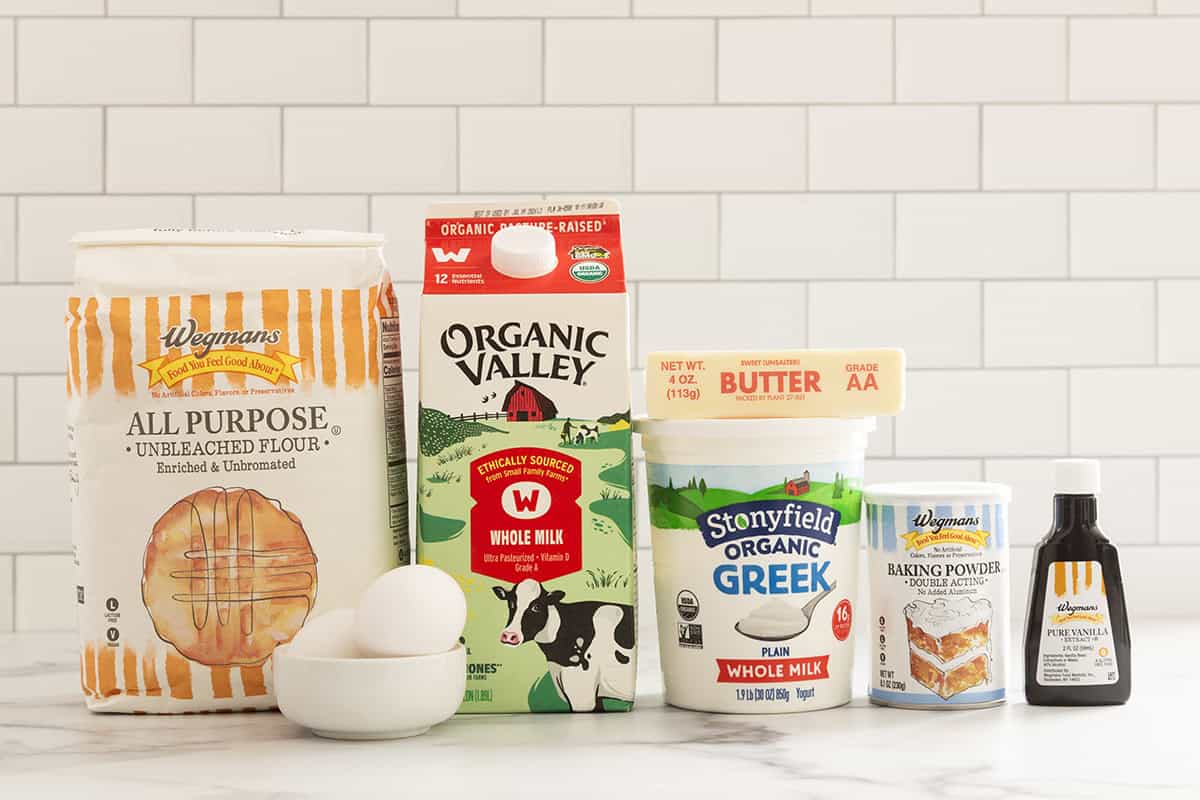
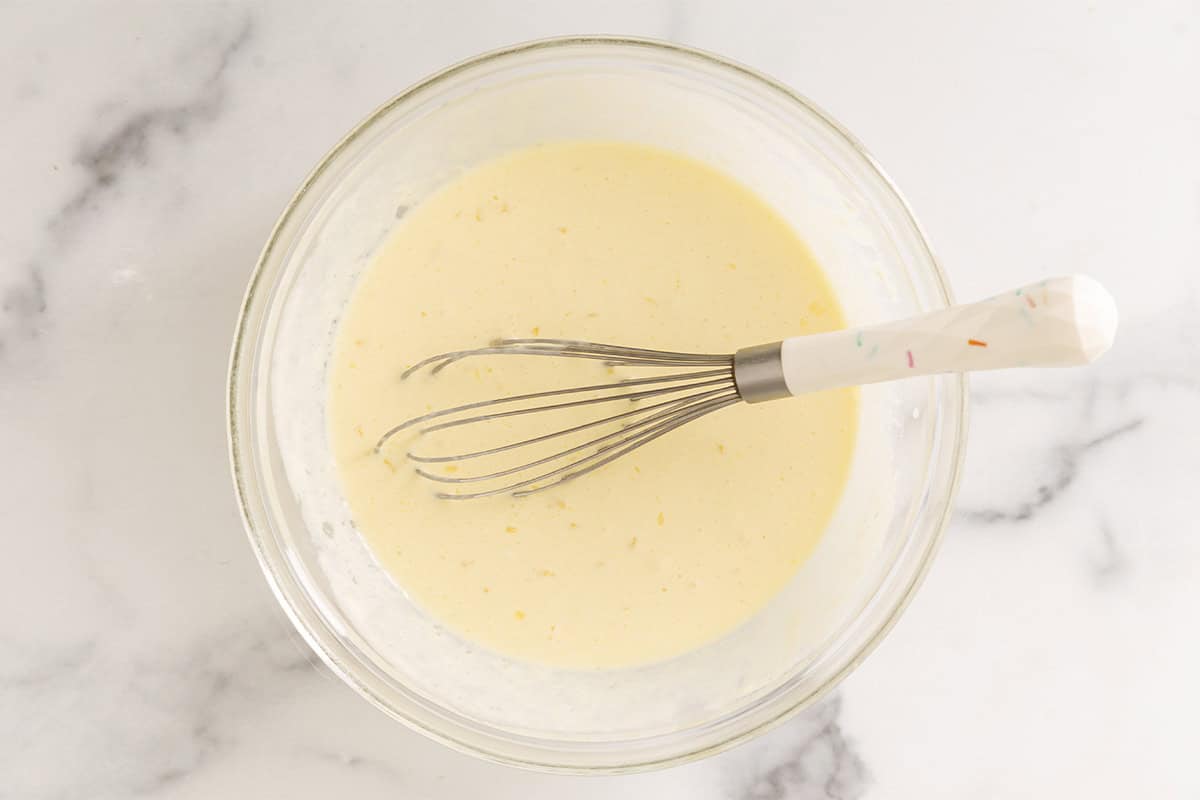
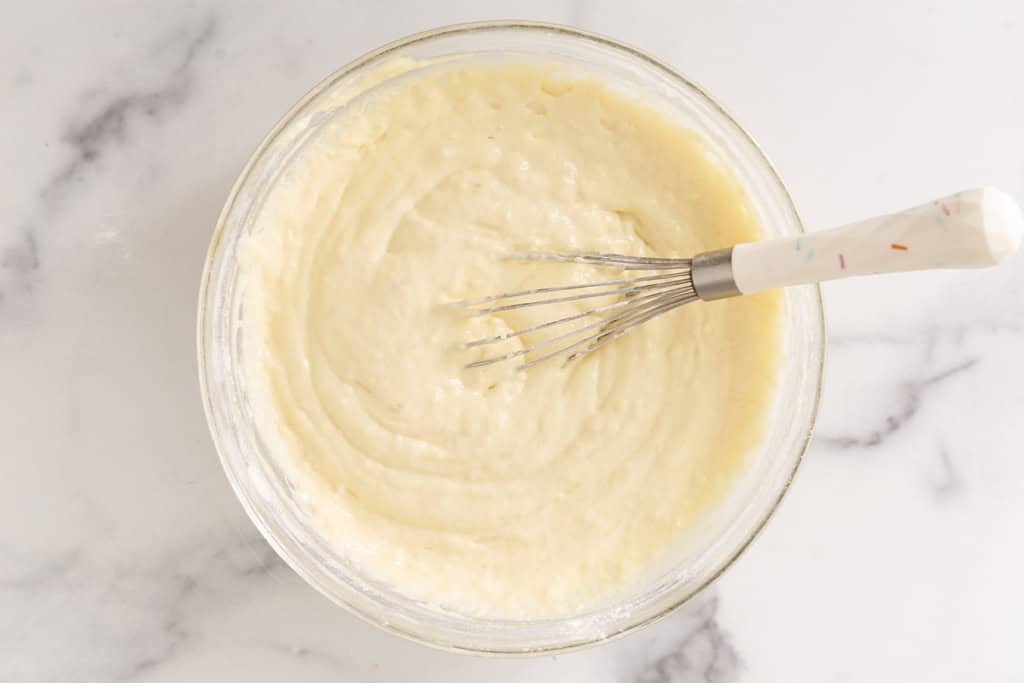
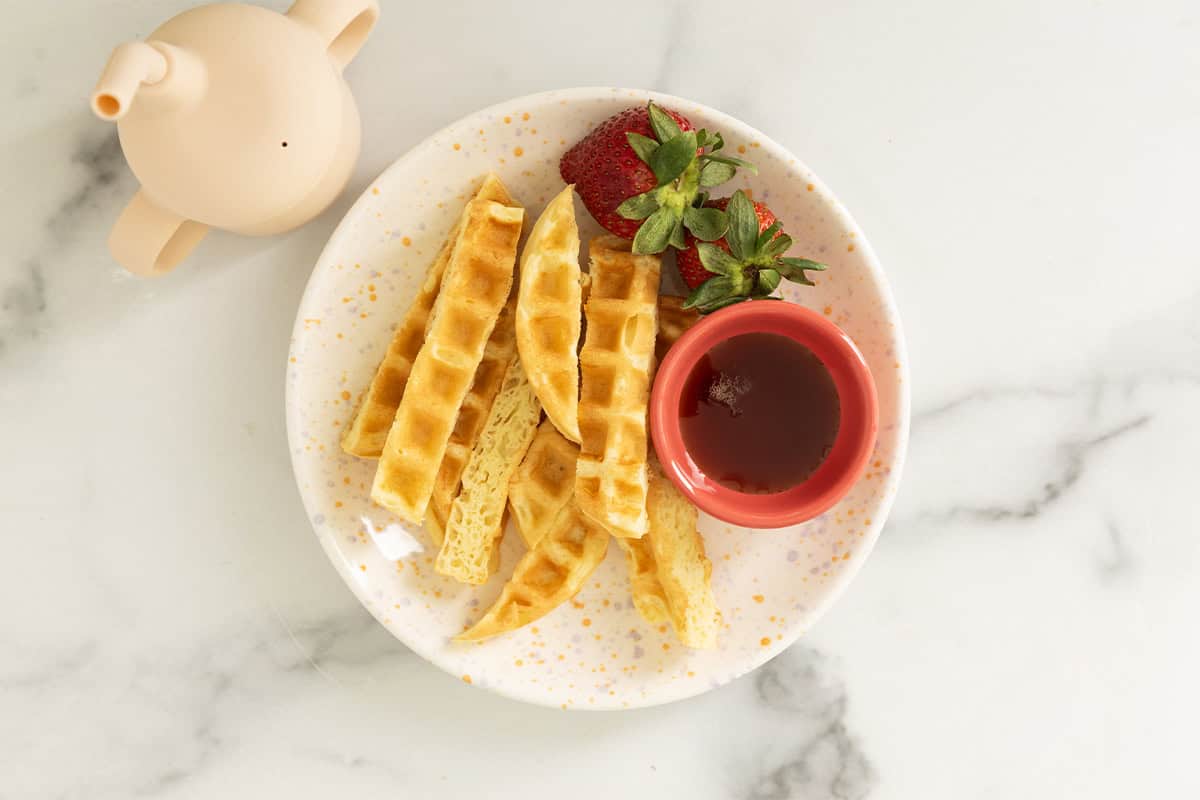
At its core, the waffle stick is a feat of simple culinary engineering. By utilizing a batter enriched with yogurt—which adds both a boost of protein and a distinct, tender crumb—these sticks provide a nutritionally superior alternative to traditional, sugar-heavy breakfast pastries.
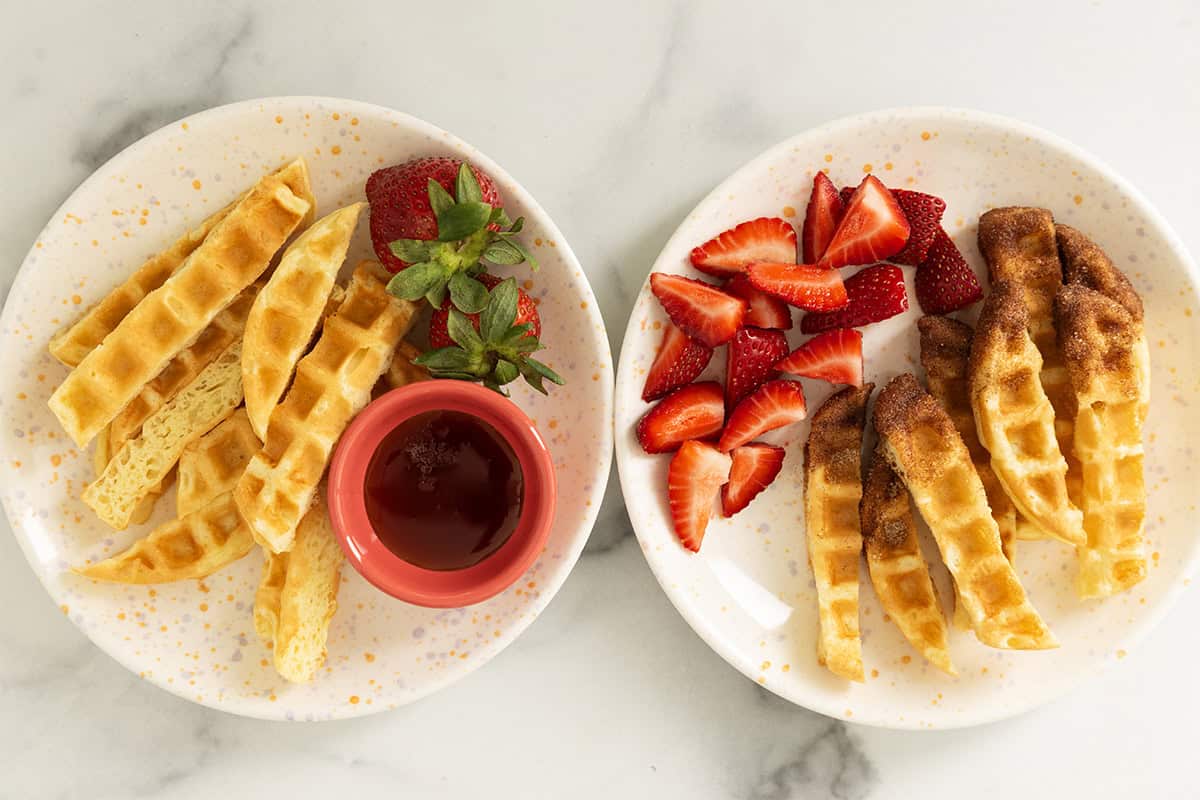
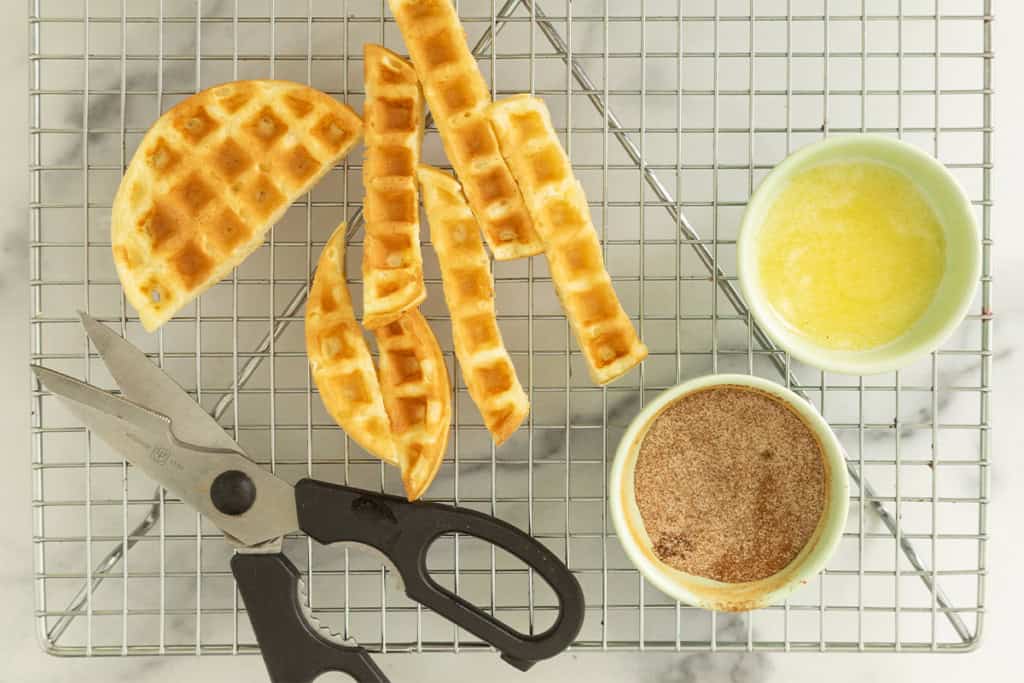
The primary appeal lies in their portability and ergonomics. For toddlers and young children, food that can be easily gripped, dipped, and maneuvered is inherently more engaging. This tactile approach to eating encourages autonomy, a critical component of early childhood development. Whether paired with a dollop of protein-rich yogurt, a smear of fruit puree, or a light dusting of cinnamon sugar for a churro-inspired experience, these sticks turn a sedentary breakfast into an interactive, sensory-friendly activity.
Chronology: From Breakfast Table to Sensory Tool
The evolution of the waffle stick can be traced back to the broader movement of "fun-shaped" food, which gained significant momentum in the early 2020s. Initially, the concept was popularized by commercial frozen food manufacturers who recognized that children were more likely to consume meals if they could be held like "fingers."
- Phase One (Early Development): Chefs and home cooks began manually slicing circular waffles into quarters or strips. This was a direct response to the "baby-led weaning" (BLW) philosophy, which emphasizes finger foods that babies can grasp with their entire hand.
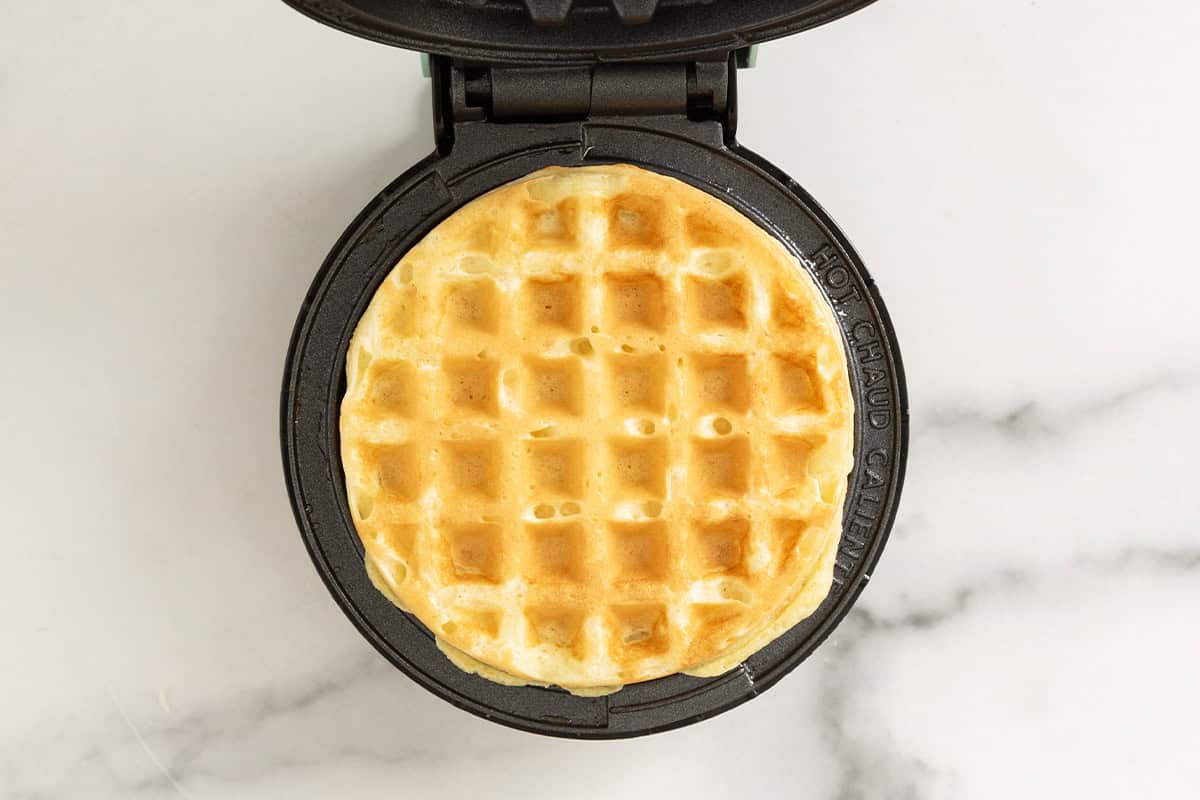
- Phase Two (Mainstream Adoption): The rise of compact, specialized kitchen appliances—most notably the mini waffle iron—changed the game. These devices allowed for smaller, more consistent waffle diameters that were perfectly sized to be cut into uniform, handheld sticks.
- Phase Three (Nutritional Optimization): As the recipe moved from novelty to staple, the ingredient list evolved. The inclusion of Greek yogurt and protein powders became standard, elevating the waffle from a "treat" to a legitimate breakfast anchor.
- Phase Four (Modern Refinement): Today, the trend has reached a point of culinary sophistication. Enthusiasts are now experimenting with savory versions, hidden vegetable additives, and various dipping sauces that range from strawberry balsamic reductions to high-protein peanut butter dips.
Supporting Data: Why Texture and Nutrition Matter
The success of the waffle stick is not merely anecdotal; it is supported by developmental psychology and nutritional science.
Sensory Integration and Picky Eating
Child development experts often emphasize that "food play" is a precursor to a varied diet. Waffle sticks provide the perfect vehicle for this. Because they are structurally stable, they can be used to "scoop" dips, effectively serving as an edible utensil. This interaction reduces the anxiety often associated with trying new foods. A study into sensory-friendly eating habits suggests that foods with high contrast—a crispy exterior and a soft, yielding interior—are consistently rated higher by children in the 1–5 age bracket.
Nutritional Density
By replacing a portion of the milk or water in a standard batter with plain, whole-milk yogurt, the nutritional profile changes significantly. A standard two-waffle serving, when properly formulated, provides:
- Protein: Approximately 4 grams per serving, essential for early growth.
- Calcium: A critical component of bone development, bolstered by the yogurt base.
- Controlled Sugar: Unlike commercial frozen waffles, which often contain high-fructose corn syrup, the home-prepared version allows for the inclusion of natural sweeteners like mashed banana or applesauce, keeping blood sugar spikes to a minimum.
Official Perspectives and Expert Recommendations
Nutritionists and pediatric dietitians have largely embraced the waffle stick as a "bridge food." When asked about the efficacy of this preparation method, industry experts highlight the importance of "controlled ingredients."
"The goal is to keep the child engaged," says a leading pediatric nutritionist. "When you provide a base like a waffle stick, you aren’t just serving carbohydrates; you are serving a canvas. If a child is hesitant to eat fruit, serving that fruit as a dip for a waffle stick changes the dynamic entirely. It moves the conversation from ‘eat your fruit’ to ‘let’s dip the stick.’"
However, experts do offer a word of caution: the key to a healthy waffle stick is in the batter’s composition. Relying on refined white flour is less than ideal. Many home cooks are now pivoting toward whole-wheat pastry flour or oat flour, which adds fiber and a nuttier, more complex flavor profile without compromising the structural integrity required for dipping.
Implications for the Future of Family Dining
The implications of the waffle stick trend extend far beyond the breakfast table. They represent a broader shift in how modern families view "convenience."
The "Prep-Ahead" Culture
The modern parent is often time-poor. The durability of the waffle stick—which freezes exceptionally well—makes it a cornerstone of the "meal prep" movement. By baking a large batch on Sunday, families can ensure that a nutritious, hand-held breakfast is ready to be reheated in a toaster or oven throughout the week. This reduces reliance on processed, store-bought convenience foods that are often high in preservatives and sodium.
Sustainability and Waste Reduction
There is also an environmental implication to this shift. By using leftover produce—such as overripe bananas, grated squash, or near-expiry yogurt—to enrich the batter, families are effectively engaging in waste reduction. The "kitchen sink" approach to waffle batter, where whatever is on hand gets folded in, encourages a more sustainable and creative approach to cooking.
The Social Component
Finally, the aesthetic appeal of the waffle stick cannot be ignored. In the age of social media, the visual presentation of food plays a role in how parents document and share their experiences. This has created a vibrant online community of "food-forward" parents who trade tips on everything from the best way to slice the waffles (using kitchen shears is the consensus favorite for clean lines) to the most effective ways to store them for long-term freshness.
Conclusion
The waffle stick is far more than a passing fad. It is a synthesis of practicality, nutrition, and developmental support. As we look toward the future of family meal planning, the lessons learned from this simple, handheld innovation are clear: when we make food fun, accessible, and nutrient-dense, we don’t just solve the problem of a picky eater—we create a positive, lasting relationship with food.
Whether you are a busy parent trying to navigate the morning rush or a culinary enthusiast looking for the perfect base for your next creative dip, the humble waffle stick remains a testament to the idea that sometimes, the simplest changes to a meal can yield the most significant results. By mastering the batter, perfecting the crunch, and embracing the dip, you are providing more than just breakfast—you are providing an experience that fosters growth, health, and a lifelong appreciation for the culinary arts.