Weight Bias: The Silent Epidemic of Discrimination Permeating Society and Healthcare
Editor’s Note: This article, alongside its accompanying video, delves into the critical and often challenging subject of weight bias and discrimination. Readers should be aware that the content may address sensitive issues for some individuals.
Weight bias and discrimination represent a pervasive yet frequently unacknowledged form of prejudice in contemporary society. Often described as "the last acceptable form of bias," it manifests as widespread stereotyping, prejudice, and discrimination against individuals based on their body weight, particularly those considered overweight or obese. This deep-seated societal issue has far-reaching implications, impacting everything from daily interactions and employment opportunities to the quality of healthcare received.
The data paints a stark picture of a world where weight-based stigma is not just common, but a daily reality for millions. Understanding its prevalence, its historical trajectory, its manifestations across different societal spheres, and its profound consequences is crucial for fostering a more equitable and empathetic society.
The Ubiquity of Weight Stigmatization: An "Acceptable" Prejudice
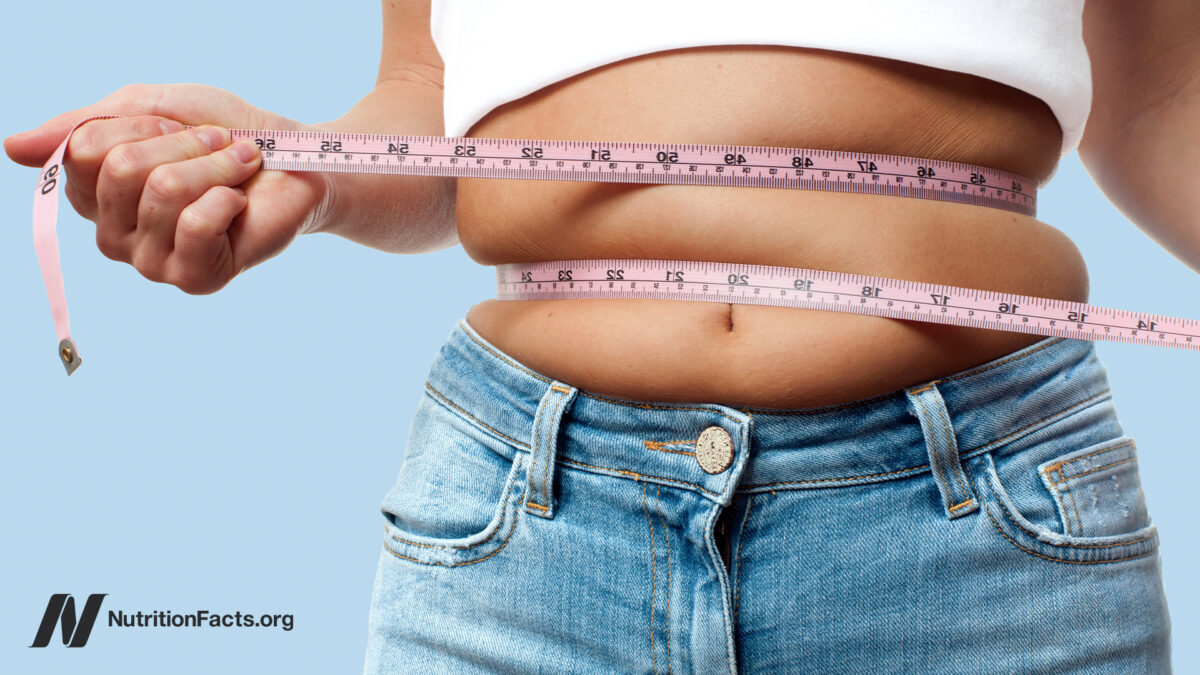
Weight stigma, unlike many other forms of discrimination, often operates in plain sight, frequently unchallenged and even implicitly endorsed by cultural narratives. It is characterized by the rampant discrimination and stereotyping of individuals perceived as overweight or obese, attributing to them negative traits such as laziness, lack of willpower, sloppiness, or low intelligence. This prejudice is not merely anecdotal; it is a documented phenomenon with tangible, measurable impacts on individuals’ lives.
One study vividly illustrated the sheer frequency of these experiences. Fifty overweight women were asked to document instances of perceived weight-related stigmatization over a single week. The results were startling: more than a thousand instances were recorded, averaging out to approximately three occurrences per day for each woman. These instances ranged from overt harassment, such as derogatory comments and insults, to encountering physical barriers like seats too small for comfortable public use, and subtle yet impactful discrimination in service settings, such as perceived poorer treatment in restaurants or retail stores. While men also experience weight bias, research indicates a gender disparity; obese men report experiencing discrimination at about one-third the rate of women of comparable size, suggesting it might be a daily occurrence for them rather than multiple times a day. This highlights not only the prevalence but also the intersectional nature of weight bias, often exacerbated by gender.
The perception of being targeted is not a matter of paranoia. Controlled studies have demonstrated the objective reality of this discrimination. In one compelling experiment, professional actors, made up with theatrical prostheses to appear overweight, applied for jobs. They were significantly more likely to face discrimination when presenting as overweight compared to when they appeared at their normal weight. This employment bias, a critical barrier to economic opportunity and personal advancement, was found to be particularly severe against overweight women, underscoring the compounding disadvantage they face in the professional sphere.
A Deep-Seated Prejudice: From Childhood to Adulthood
The roots of weight stigma run deep, often taking hold at alarmingly young ages and solidifying over time. This prejudice is not merely an adult phenomenon but a learned behavior that permeates childhood social dynamics, shaping self-perception and peer interactions from an early age.
Research indicates that weight stigma begins surprisingly young, with children as young as three years old already internalizing and expressing negative stereotypes about their overweight peers. These young children often describe overweight individuals using harsh labels such as "mean," "stupid," "lazy," and "ugly." As children age, this negative language and the associated prejudices tend to increase, becoming more entrenched and articulated.
One of the most revealing longitudinal studies on childhood weight bias was first published in 1961. This seminal research involved children from diverse social, cultural, and ethnic backgrounds across California, Montana, and New York. Participants in summer camps and schools were shown pictures of various children, including one with crutches and a leg brace, another in a wheelchair, a child missing a hand, a facially disfigured child, and an obese child. They were then asked to rank who they liked best. Across every demographic group tested, there was a "remarkable uniformity" in the rankings: the obese child consistently came in dead last, indicating a widespread and deeply ingrained prejudice even in the mid-20th century.
The truly alarming aspect of this research emerged in 2003, when researchers published a 40-year follow-up study. The study, ominously titled "Getting Worse: The Stigmatization of Obese Children," replicated the original methodology. The findings were disheartening: the obese child was liked even less in the 2003 study than in 1961. This decline in acceptance and increase in stigmatization among children mirrors broader societal trends, with national surveys recording a nearly 70% jump in perceived weight discrimination since the mid-1990s. This escalation suggests that, far from improving, societal attitudes toward weight have deteriorated, deepening the challenges faced by individuals living in larger bodies.
Societal Reflections: Public Attitudes and Employment Barriers
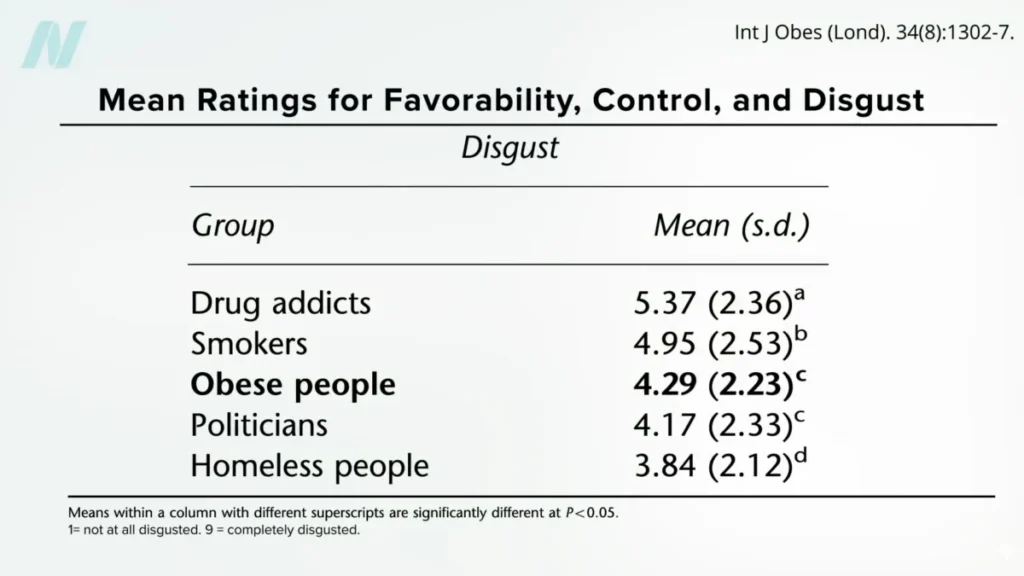
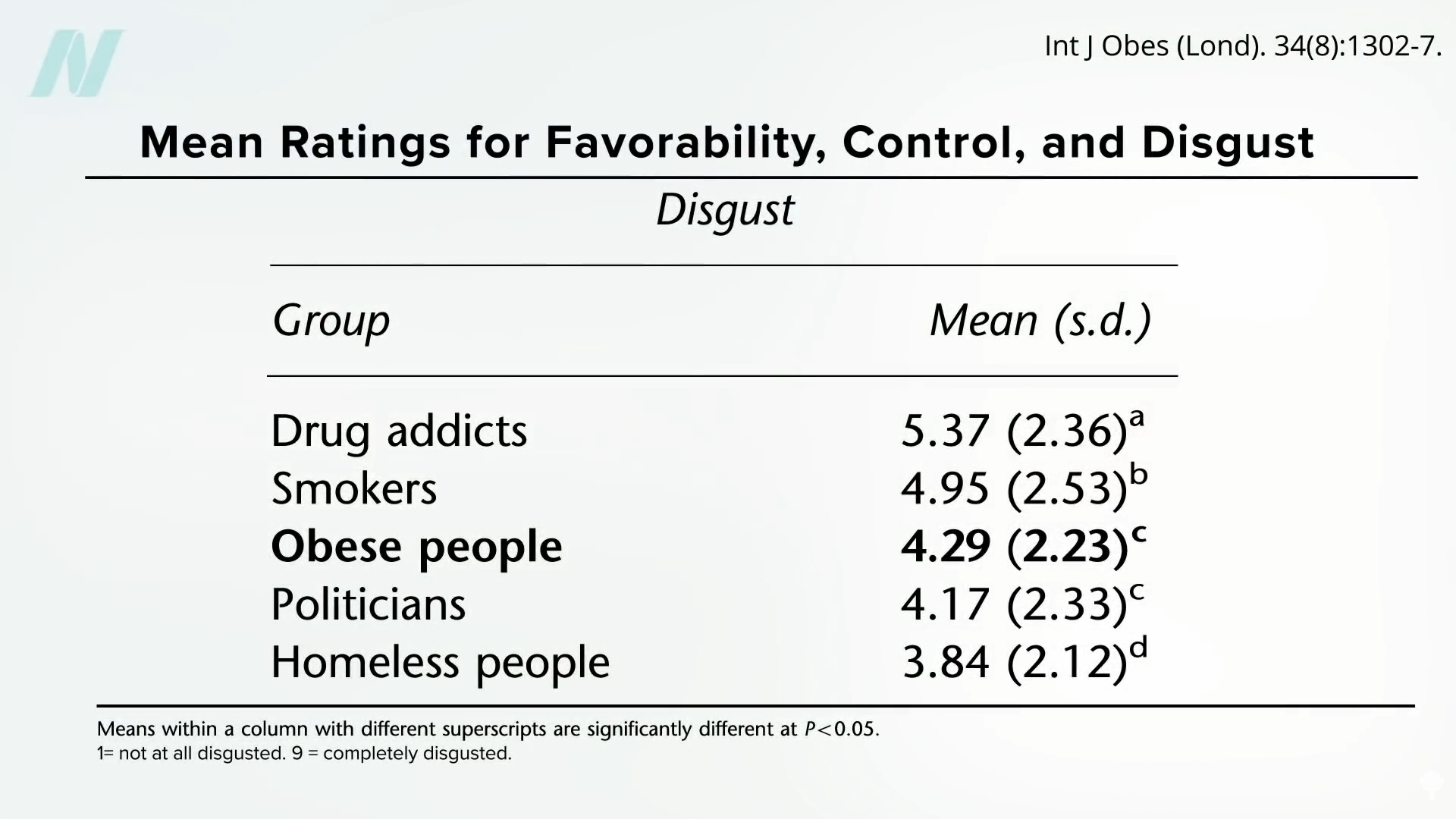
The pervasive nature of weight bias is further illuminated by surveys exploring public attitudes towards various stigmatized social groups. In a comparative study examining perceptions of 16 different groups, including people experiencing homelessness, the results were stark. "Only drug addicts and smokers were seen as more disgusting than obese people." This ranking places individuals with obesity among the most reviled groups in public perception, highlighting a profound lack of empathy and understanding. Researchers even noted an effective tie: "obese people were rated just as disgusting as politicians." While the latter might elicit a chuckle, it underscores the severity of the negative sentiment directed towards individuals based on their weight.
This societal disdain translates into tangible disadvantages. As previously mentioned, employment bias is a significant hurdle. Beyond the initial hiring discrimination, individuals with obesity often face lower wages, fewer opportunities for promotion, and hostile work environments, leading to decreased job satisfaction and career stagnation. The economic ramifications are substantial, contributing to cycles of disadvantage that extend beyond personal well-being to broader economic participation.
The problem extends into educational environments as well. Attitudes among educators, who play a crucial role in shaping young minds, often do not help. A survey of teachers and other school staff revealed that more than a quarter believed that becoming obese is "one of the worst things that could happen to a person." Such deeply negative views from authority figures can significantly impact how students are treated, the support they receive, and their overall educational experience.
Even within families, the closest and most foundational social unit, weight bias can manifest. Parents have been found to exhibit bias, providing less financial and emotional support for college education for their overweight daughters compared to their thinner siblings. As two prominent obesity researchers aptly commented, "It is strong prejudice indeed when parents discriminate against their own own children." This familial discrimination can inflict profound emotional wounds, undermine self-esteem, and limit life opportunities, demonstrating the insidious reach of weight bias into the most intimate relationships.
The Healthcare Paradox: Bias in the Healer’s Domain
Perhaps one of the most troubling arenas where weight bias thrives is within the healthcare system—the very domain tasked with promoting health and well-being. The presence of prejudice among medical professionals not only compromises the quality of care but also erodes patient trust and can lead to serious health consequences.
Numerous studies have exposed the alarming attitudes held by healthcare providers. A representative national survey found that more than half of physicians "viewed obese patients as awkward, unattractive, ugly, and noncompliant." Nurses, too, are not immune to these biases; about a quarter of them agreed or strongly agreed with the statement: "Caring for an obese patient usually repulses me." Such candid admissions reveal a systemic issue of implicit and explicit bias that directly impacts patient interactions.
This antagonism has serious and often life-threatening health consequences for individuals who may need medical care the most. For instance, obese women face a higher risk for developing cervical, endometrial, and ovarian cancers. Despite this elevated risk, they are less likely to be screened for these conditions. Morbidly obese patients, in particular, have only about half the odds of receiving their recommended pelvic exams. Part of this disparity may stem from patient avoidance due to past negative experiences, but a significant portion is attributed to medical professionals. The Sun Sentinel notably polled OB/GYN practices in Florida and discovered that as many as one in seven refused to see heavier women, setting arbitrary weight cut-offs for new patients, sometimes as low as 200 pounds. This outright refusal of care for a specific patient demographic is a grave ethical concern that directly undermines the oath to provide care without discrimination.
Even when obese patients are accepted, the quality of care can be compromised. Physicians randomized to review a medical chart of a migraine patient, presented as either average weight, overweight, or obese, indicated they would allocate approximately 28% less time to the obese patient. This reduction in time is compounded by a decrease in the quality of interaction. Recorded doctor’s visits have revealed that physicians tend to build "less emotional rapport with overweight and obese patients." This lack of empathy and reduced attention can lead to rushed consultations, missed diagnoses, inadequate explanations, and a diminished sense of trust and partnership crucial for effective healthcare.
Perhaps most unsettling is the finding that even obesity specialists, professionals whose work is dedicated to understanding and treating obesity, profess increasingly explicit anti-fat attitudes. Surveys conducted between 2001 and 2013 showed a worsening trend, with these specialists describing fat people as "significantly more lazy…stupid…and worthless…compared to thin people." This internal contradiction—specializing in a condition while harboring deep-seated prejudice against those who live with it—raises significant questions about the efficacy and ethical foundations of such care. The historical medical literature also reflects this disdain, with examples such as a line from the Annals of Internal Medicine declaring: "Obesity is an aesthetic crime: it is ugly." Such pronouncements, cloaked in scientific authority, contribute to the medicalization of prejudice and further entrench the idea that weight is a moral failing rather than a complex health issue.
The Unseen Toll: Psychological and Systemic Implications
The ramifications of pervasive weight bias extend far beyond physical health outcomes, taking a significant psychological and systemic toll. For individuals, constant exposure to discrimination, shaming, and negative stereotypes can lead to chronic stress, anxiety, depression, and low self-esteem. The psychological burden is immense, often manifesting as self-stigma, where individuals internalize societal prejudices and direct them inwards, leading to feelings of shame, guilt, and worthlessness. This self-stigma can, in turn, contribute to unhealthy coping mechanisms, including disordered eating behaviors and avoidance of social situations, further isolating individuals and exacerbating their health challenges.
The erosion of trust in healthcare providers is another critical implication. When patients anticipate judgment or substandard care, they are less likely to seek medical attention, adhere to treatment plans, or openly discuss their health concerns. This avoidance can lead to delayed diagnoses, progression of preventable diseases, and overall poorer health outcomes. The "playing the part" phenomenon, where doctors successfully hide their disdain from patients who then report satisfaction, is particularly insidious. While patients may express satisfaction, the underlying "lack of true respect suggests…the authenticity of the patient-physician relationship should be questioned." This veneer of professionalism, masking internal prejudice, fundamentally compromises the therapeutic alliance, which is built on trust, empathy, and genuine respect.
Systemically, weight bias contributes to health inequities and reinforces cycles of disadvantage. It influences policy decisions, public health campaigns, and resource allocation, often leading to approaches that blame individuals rather than addressing the complex biological, environmental, and social determinants of health. The lack of robust legal protections against weight discrimination in many jurisdictions further perpetuates this injustice, leaving individuals vulnerable to discrimination in employment, housing, and public services without legal recourse.
Towards a More Equitable Future: Addressing Weight Bias Systemically
Addressing weight bias requires a multi-faceted approach that targets individual attitudes, systemic practices, and societal narratives. While the original article implicitly calls for change by exposing the problem, the broader discourse around weight bias points to several crucial areas for intervention.
Official Responses and Advocacy: Currently, official responses to weight bias are often fragmented and insufficient. Unlike other forms of discrimination, weight is not a protected characteristic under federal anti-discrimination laws in many countries, including the United States, although some cities and states have enacted their own protections. Advocacy groups and public health organizations are increasingly calling for stronger legislative measures to prevent weight-based discrimination in employment, housing, and healthcare. These efforts aim to provide legal recourse for those who experience discrimination and to send a clear message that weight bias is unacceptable.
Education and Training: A critical component of change involves comprehensive education and training for professionals in healthcare, education, and human resources. Medical curricula need to integrate modules on weight bias, its origins, and its impact, along with strategies for providing weight-inclusive, patient-centered care. Similarly, educators need training to recognize and counteract bias in schools, fostering environments where all children feel respected and valued.
Shifting Societal Narratives: Challenging and changing the pervasive societal narratives that perpetuate weight stigma is also essential. This involves critically examining media portrayals of larger bodies, promoting body diversity and positivity, and reframing discussions about weight to focus on health behaviors and well-being rather than solely on body size or weight loss. Emphasizing the complex interplay of genetics, environment, socioeconomic factors, and individual choices in determining body weight can help dismantle the simplistic and often judgmental view of obesity as a personal failing.
Promoting Empathy and Respect: Ultimately, combating weight bias requires a fundamental shift towards greater empathy and respect for all individuals, regardless of their body size. This means fostering environments where individuals feel safe, supported, and understood, and where healthcare is delivered with compassion and without judgment. Recognizing the profound harm inflicted by weight discrimination is the first step towards building a more inclusive and equitable society for everyone.
The evidence presented paints a sobering picture of a society where weight bias is deeply ingrained, affecting individuals from childhood through adulthood and permeating critical sectors like employment and healthcare. The increasing prevalence of this discrimination, despite growing awareness of its detrimental effects, underscores an urgent need for concerted action. By understanding the breadth and depth of weight bias, we can begin to dismantle the prejudices that diminish human dignity and obstruct equitable access to opportunities and care.
This exploration into the pervasive nature of weight bias serves as a foundational understanding. The subsequent discussion, "The Burden of Weight Bias," delves deeper into the profound impact on individuals’ lives, further elaborating on the consequences and the path forward, as explored in the book How Not to Diet.