The Critical Evolution of Allergen Management: From Regulatory Compliance to Competitive Advantage
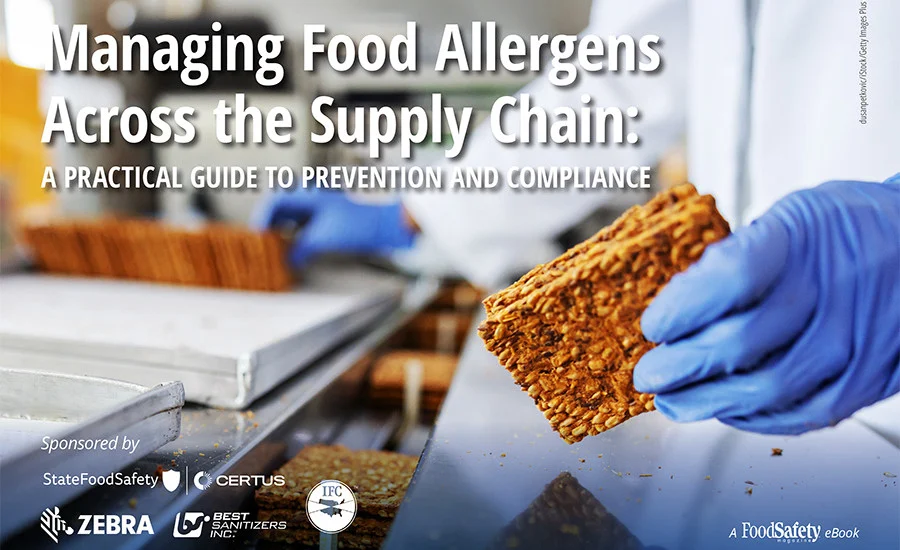
In the modern food processing and service landscape, the stakes for allergen management have never been higher. As consumer awareness regarding food allergies reaches an all-time high, the industry faces a dual challenge: the technical demand for rigorous safety protocols and the strategic opportunity to foster brand loyalty through transparent, safety-first operations. From the production line to the final point of service, a comprehensive, multi-layered approach to allergen control is no longer just a regulatory requirement—it is a cornerstone of operational excellence.
The Pillars of Allergen Control: Labeling and Cross-Contact
At its core, effective allergen management rests on two non-negotiable pillars: accurate, transparent labeling and the prevention of allergen cross-contact. As Consulting Food Scientist Richard F. Stier notes, the integrity of a brand’s safety program depends on the seamless integration of these practices.
When a label fails to disclose a hidden ingredient, or when a production line fails to adequately sequester allergens, the result is not merely a product recall—it is a profound breach of consumer trust. For manufacturers, this necessitates a rigorous internal audit system that tracks every ingredient from receipt to the final retail shelf, ensuring that labeling reflects the exact reality of the production environment.
The Science of Sanitation: Eliminating Contamination Risks
Preventing cross-contact requires more than just standard cleaning; it demands scientific validation. A collaborative team from the University of Nebraska—Lincoln, including Dr. Steve L. Taylor, Dr. Melanie A. Downs, Dr. Philip Johnson, and Dr. Joe L. Baumert, highlights that the development of effective cleaning protocols is imperative.
These experts emphasize that cleaning processes must be validated to ensure they are sufficient to remove allergen proteins, which are often heat-stable and resistant to standard sanitizers. Furthermore, microbial safety must not be overlooked. Steve Flieder of IFC highlights the role of chlorine dioxide as a premier decontamination solution. In the fast-paced food processing industry, chlorine dioxide offers a unique chemical profile that effectively eliminates microbial contaminants without the residues or safety hazards associated with more traditional, harsher oxidizing agents.
Leveraging Technology: The AI and Machine Vision Revolution
As production volumes continue to climb, human oversight alone is increasingly insufficient to manage the complexity of modern packaging and labeling. Ritesh Gupta, Director of Application Engineering at Zebra Technologies, argues that high-volume manufacturing requires an intelligent, adaptable machine vision platform.
AI-powered Optical Character Recognition (OCR) is transforming the way facilities prevent labeling errors. By integrating machine vision into the packaging line, companies can verify that every label matches the contents of the package in real-time, catching potential mismatches before they reach the consumer. This transition toward "Industry 4.0" technologies is essential for companies aiming to remain competitive while operating at the speed of modern global supply chains.
Gap Assessments and Training: Closing the Implementation Divide
Even the most sophisticated technological systems are only as effective as the human beings who operate them. Tim Lombardo of EAS Consulting Group emphasizes the necessity of the "Allergen Gap Assessment." This systematic review helps food companies align their internal practices with FDA guidance, identifying vulnerabilities that might otherwise remain hidden until an inspection or an incident occurs.
However, identifying the gap is only half the battle. Melissa Duncan, Vice President of Product at StateFoodSafety, points to the "implementation gap"—the distance between what is written in a safety manual and what is actually performed on the factory floor. Her "Make It Stick" framework focuses on cognitive retention, ensuring that safety training is not a one-time event but a continuous process that changes employee behavior and sustains long-term compliance.
The Foodservice Paradigm: Extending Safety to the Customer
While manufacturing focuses on controlled environments, the foodservice sector presents a more dynamic and unpredictable set of variables. Dr. Hal King of Active Food Safety and Dr. Steven A. Lyon of Chick-fil-A Inc. argue that proactive prevention in foodservice must be an end-to-end process.
Supply Chain Integrity
The responsibility for allergen safety begins long before a meal is prepared. It starts with the supply chain. Foodservice establishments must vet their vendors with the same rigor they apply to their own kitchens, ensuring that ingredient substitutions or cross-contamination at the supplier level do not compromise their menu.
Operational Vigilance
Within the kitchen, cross-contact prevention requires dedicated preparation zones, separate utensils, and rigorous communication protocols between the front-of-house and back-of-house staff. Every member of the team, from the dishwasher to the executive chef, must understand the critical nature of allergen protocols.
Strategic Implications: Safety as a Business Opportunity
Perhaps the most significant shift in the industry is the view of allergen management as a strategic business opportunity rather than just a cost of doing business. Kate Reid, Director of Food Service at Food Allergy Canada, suggests that companies are leaving significant market share on the table by failing to address the concerns of the allergic consumer.
Research indicates that consumers with food allergies are highly brand-loyal to establishments that demonstrate a sincere, transparent commitment to their safety. By investing in robust allergen management programs, businesses are not just mitigating risk—they are cultivating an inclusive brand identity. When a restaurant or a food brand becomes a "safe haven" for allergic families, they gain a competitive edge that is difficult for rivals to replicate.
Chronology of Allergen Management Advancements
- Pre-2000s: Industry reliance on basic sanitation and manual, visual inspections.
- 2004: The Food Allergen Labeling and Consumer Protection Act (FALCPA) establishes a regulatory baseline for the United States, forcing a industry-wide pivot toward transparent labeling.
- 2010s: The rise of validated cleaning protocols and the introduction of rapid test kits for allergen detection in processing plants.
- 2020s: The current era, defined by the integration of AI machine vision, advanced decontamination chemistry, and a shift toward viewing safety as a brand-loyalty driver.
Supporting Data and Future Trends
The current trajectory of the industry is clear: the focus is shifting from "reactive correction" to "predictive prevention."
- Technological Integration: Machine vision systems are seeing a 20% year-over-year adoption increase in packaging lines, driven by the need for zero-defect labeling.
- Training Efficacy: Studies on training retention show that active-learning models (like the "Make It Stick" framework) improve procedural compliance by nearly 40% compared to passive video-based training.
- Consumer Sentiment: According to data from Food Allergy Canada, over 60% of consumers with allergies report that they avoid eating out due to a lack of confidence in staff knowledge, representing a massive untapped revenue stream for businesses that successfully market their safety protocols.
Conclusion: The Path Forward
The future of allergen management is defined by a convergence of science, technology, and culture. Manufacturers must continue to invest in advanced decontamination technologies like chlorine dioxide and AI-driven quality control to ensure that their products are safe from the moment they are produced. Simultaneously, the foodservice industry must foster a culture of safety that bridges the gap between high-level policy and daily kitchen operations.
As regulatory scrutiny continues to tighten and consumer expectations rise, the companies that thrive will be those that view allergen management not as a burden, but as a commitment to their customers. By integrating these practices into the very fabric of their business strategy, food industry leaders can build a safer, more transparent, and ultimately more successful future.