The Evolution of the Protein Cookie: Bridging the Gap Between Nutrition and Indulgence
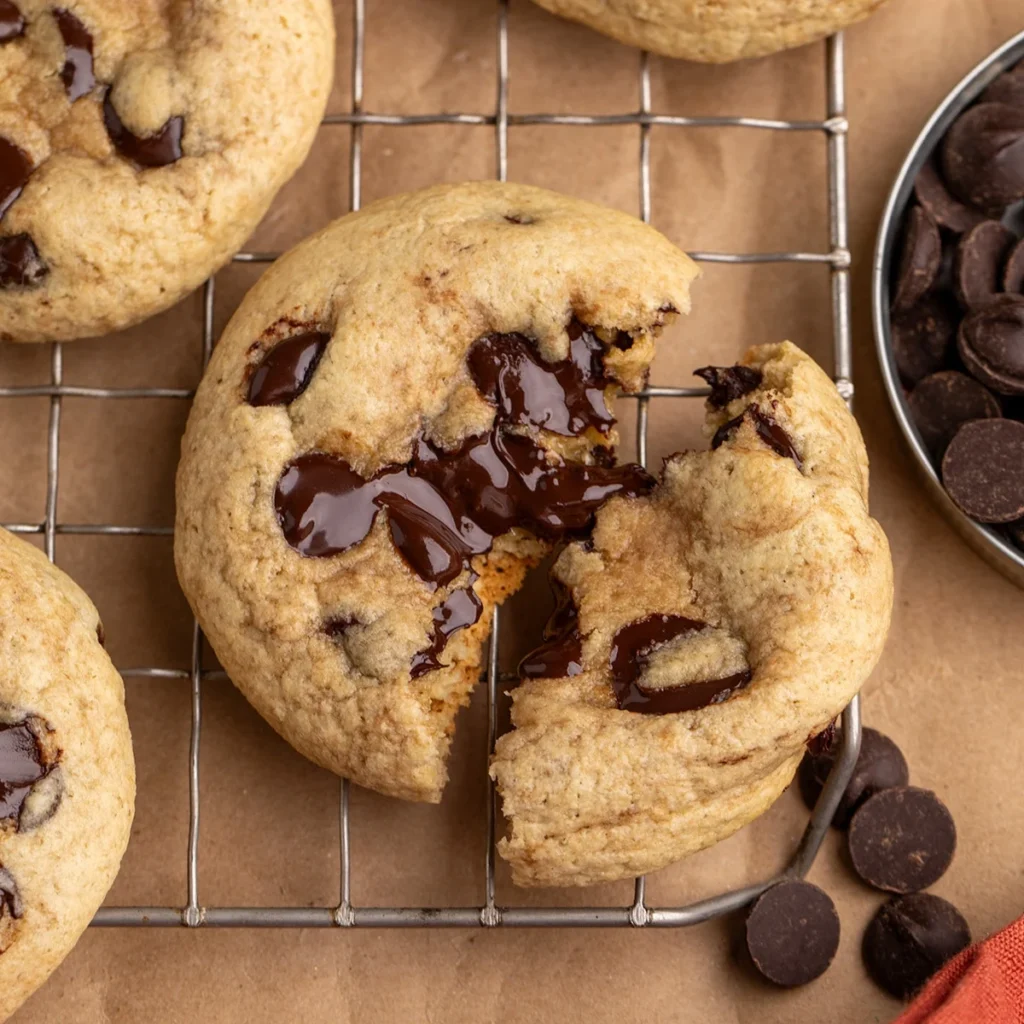
In the landscape of modern health food, few items have been as notoriously difficult to perfect as the protein cookie. Historically, consumers have had to choose between two extremes: a chalky, flavorless "supplement" masquerading as a treat, or a decadent cookie that offers little in the way of nutritional substance. However, a new culinary shift is challenging this dichotomy, proving that high-protein baking does not have to come at the expense of texture or taste.
The latest recipe for chocolate chip protein cookies, developed by Nicole Hunn of Gluten Free on a Shoestring, represents a significant milestone in this evolution. By moving away from the traditional reliance on dense nut butters—which often overpower the palate—and instead utilizing protein powder in a balanced, oat-flour-based architecture, this approach creates a treat that prioritizes the "cookie experience" while delivering a robust 10 grams of protein per serving.
The Science of Texture: Why Protein Baking Fails
To understand the innovation behind this recipe, one must first understand the chemistry of failure in protein baking. Protein powders, particularly whey-based isolates, are notoriously hygroscopic; they act like sponges, absorbing the moisture from surrounding ingredients. When added to standard cookie recipes, they typically result in a product that is dry, crumbly, and "chalky" on the tongue.

Most commercial protein cookies attempt to mask this by using massive quantities of nut butter to provide the necessary fat and moisture. While this solves the structural issue, it fundamentally changes the profile of the cookie, often resulting in a product that tastes more like a dense energy bar than a dessert.
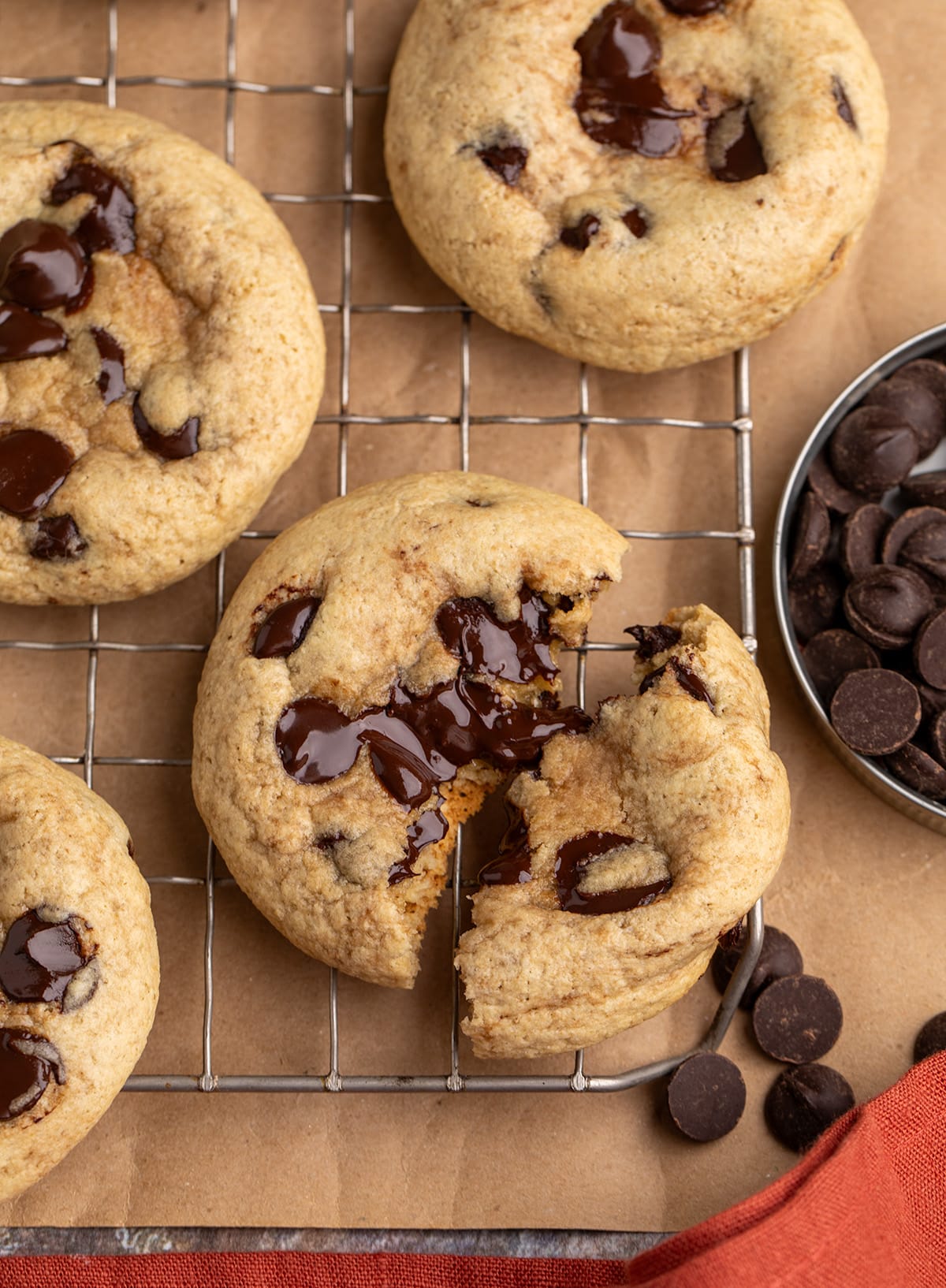
The methodology utilized in this new, refined recipe relies on a more nuanced approach. By incorporating finely ground oat flour, the recipe establishes a stable, soft foundation. The use of melted butter and carefully measured eggs creates a rich, cohesive dough, while the sugar-to-protein ratio is calibrated to ensure that the moisture remains locked within the crumb. The secret, according to culinary experts, lies in the "undercooking" technique: by removing the cookies from the oven when the centers are barely set and the edges are only just beginning to turn golden, the residual heat allows for a gentle final bake, ensuring a soft, chewy finish rather than a dehydrated crunch.
Chronology of Development: From Concept to Kitchen
The pursuit of the "perfect" protein cookie has been a multi-year journey for home bakers and professional developers alike.
- Phase One (Early Experimentation): The initial wave of protein cookies in the mid-2010s focused primarily on raw ingredient substitution. During this period, bakers often swapped traditional flour for whey protein at a 1:1 ratio, resulting in the "chalky era" of protein snacks.
- Phase Two (The Nut Butter Fix): Recognizing the dryness issues, the industry shifted toward fat-heavy bases. Nut butters became the standard binder. While this created a palatable cookie, it inadvertently increased the calorie and fat content significantly, often making the cookies too heavy for a post-workout snack.
- Phase Three (The Modern Synthesis): The current era, exemplified by this latest recipe, focuses on structural integrity. By treating protein powder as a secondary functional ingredient rather than a base, and by utilizing finely ground grains like oats, developers have managed to recreate the classic "chocolate chip cookie" experience. The process now emphasizes the order of operations—mixing dry ingredients first to eliminate leavening clumps, creating a central well for fats to prevent overmixing, and using precise portion control to ensure even heat distribution.
Supporting Data: The Nutritional Profile
The nutritional implications of this shift are notable. A standard, store-bought bakery cookie often provides little more than simple carbohydrates and saturated fats. In contrast, this protein-enriched version aims to provide a more functional fuel source.
| Nutrient | Amount per Serving |
|---|---|
| Protein | 10g |
| Calories | 284 kcal |
| Total Carbohydrates | 28g |
| Fiber | 2g |
| Total Fat | 15g |
While these cookies are still a treat, the 10 grams of protein per serving positions them as a viable option for those looking to integrate more satiety-inducing nutrients into their diet without resorting to the heavily processed, preservative-laden options found in the supermarket supplement aisle. The inclusion of 2g of fiber and a manageable sugar count of 16g further distinguishes this recipe from its mass-market competitors.
Culinary Flexibility: Expert Perspectives and Substitutions
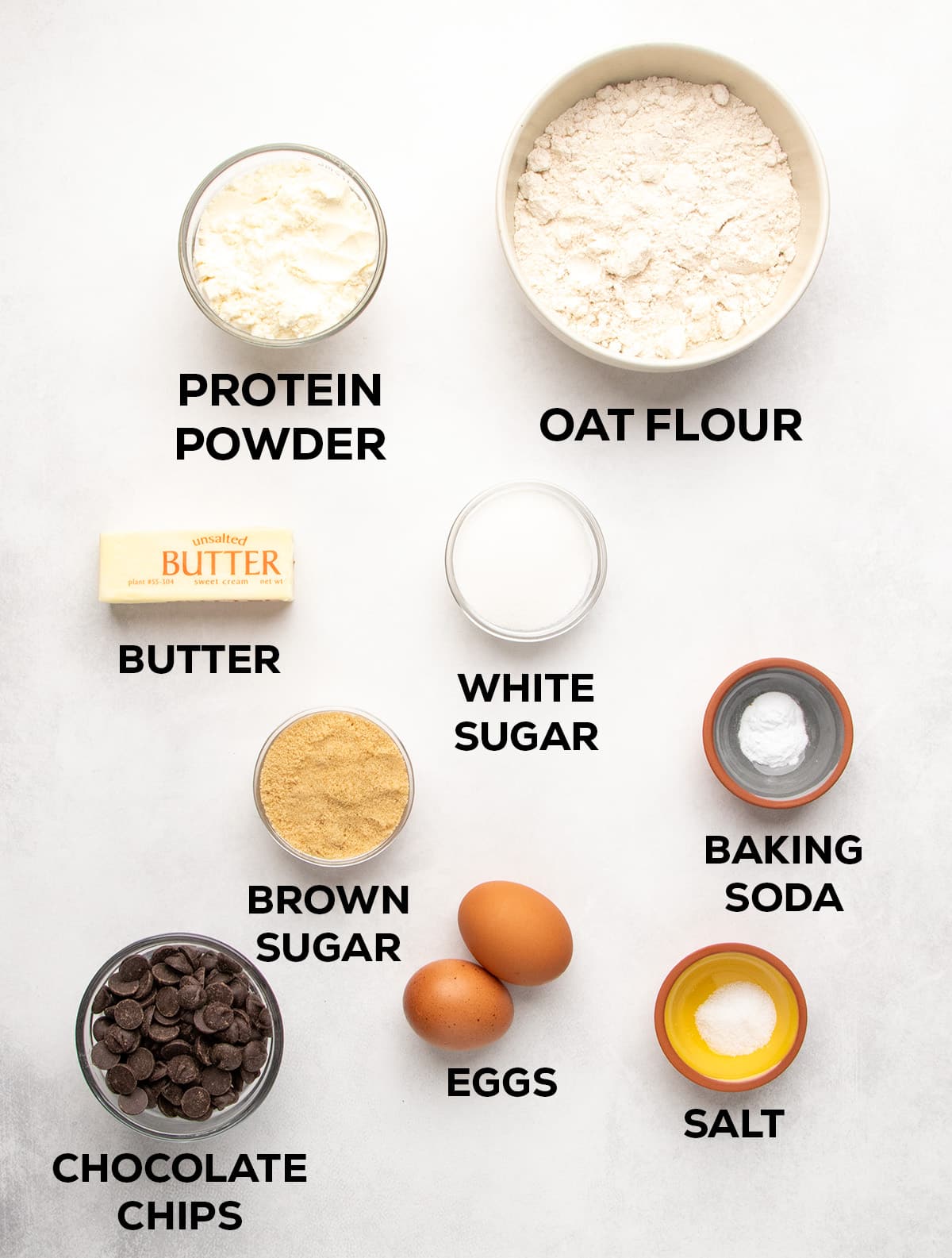
A key strength of this recipe lies in its adaptability. Culinary experts emphasize that the foundation—oat flour and protein powder—is highly modular.
Addressing Dietary Restrictions
For those with specific dietary requirements, the recipe offers clear pathways for modification:
- Dairy-Free: The replacement of butter with high-quality, block-style vegan alternatives (such as those from Miyoko’s or Melt) preserves the mouthfeel without compromising the flavor. For those avoiding whey, the shift toward collagen peptides is a noted trend, though experts warn that collagen behaves differently in heat and may require slight adjustments to the liquid ratio.
- Oat-Free/Gluten-Free: For those who cannot tolerate oats, the use of finely sifted almond flour or quinoa flakes offers a structurally sound alternative. These substitutes shift the flavor profile slightly toward the nutty end of the spectrum, which often complements the chocolate chips.
- Egg-Free: The use of "chia eggs" (ground white chia seeds mixed with water) provides the necessary binding agent without the need for animal products.
The "Sugar Trap"
A common question in the health-conscious community is whether sugar alternatives, such as erythritol or stevia-based blends, can be used to further reduce the caloric impact. Professionals caution that sugar serves a structural purpose beyond sweetness—it is a humectant that attracts and holds water. Removing sugar and replacing it with non-nutritive sweeteners often leads to a significant increase in the dryness of the cookie, reinforcing the "chalky" texture that this recipe is specifically designed to avoid.
Implications: The Future of "Better-for-You" Baking
The implications of this recipe extend beyond a simple kitchen experiment; it speaks to a broader cultural demand for transparency and quality in our food. As consumers become more educated about their nutritional intake, they are rejecting the "protein-at-all-costs" mentality. They are demanding products that satisfy the emotional need for a comforting treat while meeting the physiological need for muscle repair and sustained energy.
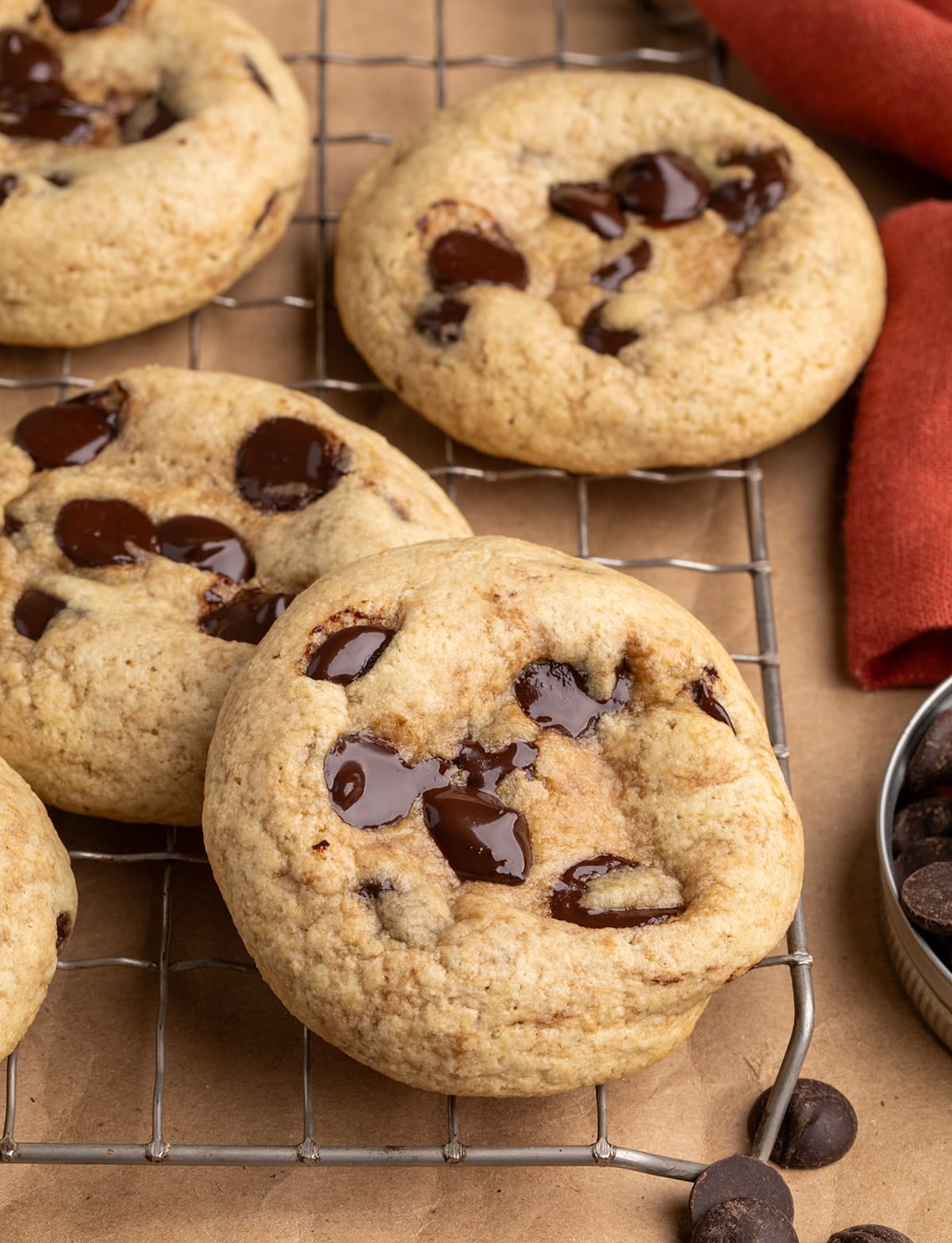
The success of this recipe suggests that the future of functional food is not in the invention of new, highly processed synthetic powders, but in the intelligent application of classic baking techniques to high-quality, recognizable ingredients.
By prioritizing the "cookie-first" experience—focusing on the snap of the edges, the chew of the center, and the melt of the chocolate—the barrier to entry for healthy eating is lowered. When a protein cookie tastes like a treat rather than a nutritional chore, it is far more likely to be integrated into a sustainable lifestyle.
In conclusion, as we continue to balance the demands of busy lives with the necessity of maintaining a healthy diet, recipes like these provide a necessary bridge. They serve as a reminder that health, in its most effective form, does not require the sacrifice of joy. With the right technique, the right balance of moisture-retaining ingredients, and a respect for the chemistry of the oven, the humble chocolate chip cookie can indeed become a powerhouse of nutrition without losing its soul. Whether enjoyed with a glass of milk or as a mid-afternoon energy boost, these cookies demonstrate that when it comes to healthy eating, the "best" version is the one that actually tastes good.